Basque Shepherd Dog: An Endangered Breed Worth Protecting
Fewer than a thousand Basque Shepherd Dogs exist today, making this Spanish herder one of Europe’s most endangered breeds. Also called the Euskal Artzain Txakurra, this dog has worked the mountains of the Basque Country for centuries.
This guide covers its two distinct coat varieties, its exercise demands, and what daily life looks like with such an active companion. You’ll also learn why conservation efforts matter so much for a breed already down to just a few hundred individuals.
History and Origin
This breed developed in the mountains of the Basque Country, working alongside shepherds for centuries. Historical records trace its presence back further than most European herding breeds.
Numbers dropped sharply as fewer flocks needed herding and farmers turned to mastiff-type dogs for guarding instead. Recent counts put the total population at roughly 700 dogs, low enough to classify the breed as endangered.
In the Basque Country, this dog carries real cultural weight. Locals consider it a symbol of regional identity and an irreplaceable partner for working shepherds.
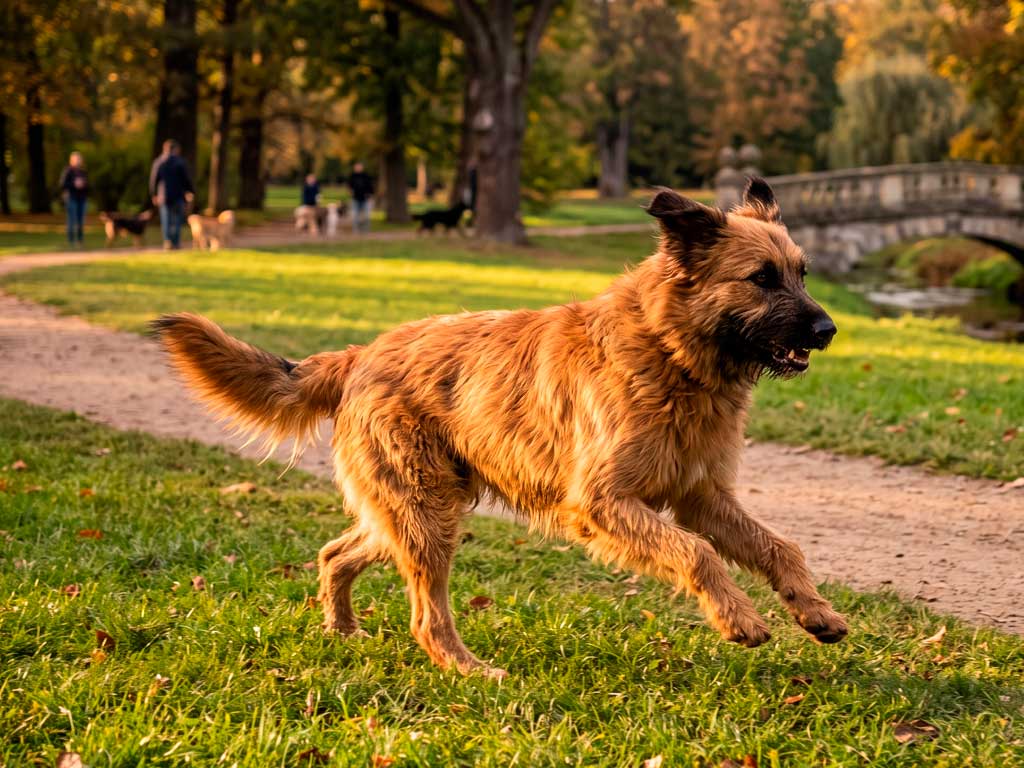
Two recognized varieties exist within the breed: the Iletsua, with a long, rustic, wavy coat, and the Gorbeiakoa, with a shorter, smoother coat that’s easier to maintain.
Physical Characteristics
This is an athletic, well-proportioned dog built for endurance and agility. Semi-drooped ears and dark, expressive eyes give it a notably alert appearance.
Adults stand 46 to 61 centimeters tall at the withers and weigh between 17 and 36 kilograms, depending on the variety and individual dog.
Coat colors lean warm, including reddish, sand, and fawn tones, though black and bicolor dogs also appear within the breed. Most Basque Shepherd Dogs live 12 to 15 years, a solid lifespan for a medium breed.
The Iletsua’s long, wavy coat handles cold, damp mountain weather well. The Gorbeiakoa’s shorter coat trades some weather resistance for easier upkeep.
Temperament and Personality
Hardworking, intelligent, and deeply loyal, this breed thrives on tasks that challenge both mind and body. Boredom doesn’t sit well with a dog bred to work all day.
Strong herding instinct makes this breed an excellent flock guardian, and that same instinct translates well into protecting a human family. Expect real affection alongside real vigilance.
With children, the Basque Shepherd Dog tends to be patient and playful. Well-socialized individuals also get along comfortably with other animals.
Care Guide for the Basque Shepherd Dog
Diet and Nutrition
An active breed like this one needs a balanced diet formulated for its adult weight range, whether that lands closer to medium or large. Consistency in feeding supports steady energy throughout the day.
This article offers general guidance only and does not replace veterinary advice. A vet can help fine-tune portions based on activity level and body condition.
Exercise Requirements
Daily exercise isn’t optional here. Long walks, interactive games, and plenty of outdoor time keep this breed genuinely balanced.
High energy levels mean this dog does best with real activity every single day. Dog sports like agility and obedience give that energy a productive outlet.
Grooming Needs
Weekly brushing keeps the Gorbeiakoa’s short coat tidy, while the Iletsua’s long coat typically needs more frequent attention. Regular brushing also prevents mats from forming in either variety.
Coat care stays fairly manageable overall, especially compared with other herding breeds carrying heavier double coats.
Training and Education
Intelligence runs deep in this breed, and it shows during training. Positive reinforcement methods produce fast, reliable results.
Early socialization with people, animals, and different environments helps prevent shyness or defensiveness later on. Basic and advanced commands both keep a sharp mind like this one properly engaged.
This breed genuinely enjoys learning new tasks. Owners who skip mental stimulation often see that intelligence redirected into less welcome behaviors.
Health and Longevity
Active breeds like this one face a real risk of joint injuries and occasional allergies. Regular veterinary checkups catch most issues early.
This information is educational and does not replace professional veterinary advice. Routine screenings matter especially for a dog this physically active throughout its life.
Is a Basque Shepherd Dog the Right Dog for You?
Active families willing to commit to daily exercise tend to do best with this breed. A sedentary household simply won’t meet its needs.
This dog can adapt to indoor living, though it still needs regular access to open outdoor space. Apartment life works better here than with many working breeds, provided exercise stays consistent.
Adopting this breed also means supporting a genuinely endangered population. Every responsible home helps keep the Basque Shepherd Dog from disappearing entirely.
Frequently Asked Questions
Is the Basque Shepherd Dog good for families?
Yes, particularly active families. Its playful, affectionate nature makes it a rewarding companion for households with children.
Does this breed need a lot of exercise?
Yes, daily exercise is essential. Long walks, games, and mentally engaging activities all help keep this dog balanced and content.
Is the Basque Shepherd Dog hard to train?
Not at all. High intelligence and eagerness to learn make this breed genuinely responsive to positive reinforcement training.
Can this breed live in an apartment?
It can adapt, though it’s not ideal. Regular access to open space and consistent exercise still matter enormously for this dog’s wellbeing.
Is the Basque Shepherd Dog a good guard dog?
Definitely. Natural wariness toward strangers, paired with real protective instinct, makes this breed a dependable watchdog for home and family.
Commit to daily exercise and early socialization, and this breed rewards you with unmatched loyalty and enthusiasm. Few dogs work this hard to make their family proud.
Curious about other rare working breeds from Spain? Browse our full dog breeds hub for more guides like this one.