Welsh Springer Spaniel: Meet the Original Velcro Dog
Thinking about bringing a Welsh Springer Spaniel into your home? This affectionate, energetic sporting dog can make a wonderful companion, especially for people who enjoy spending time outdoors.
The Welsh Springer Spaniel is a medium-sized hunting breed known for its rich red-and-white coat, loyal personality, and strong working instincts. It usually forms close bonds with its family and enjoys having a purpose throughout the day.
However, this breed needs more than a comfortable bed and a daily walk around the block. Its exercise requirements, training needs, and desire for companionship deserve careful consideration before you bring one home.
This guide covers the Welsh Springer Spaniel’s history, appearance, temperament, daily care, health considerations, and what to expect from life with this distinctive breed.
Welsh Springer Spaniel Quick Facts
| Trait | Details |
|---|---|
| Breed group | Sporting / Gundog |
| Origin | Wales |
| Size | Medium |
| Height | Males: 18–19 inches; females: 17–18 inches |
| Weight | Proportionate to height and build |
| Coat | Straight, flat, dense, and weather-resistant |
| Coat color | Rich red and white |
| Temperament | Loyal, affectionate, active, sometimes reserved with strangers |
| Exercise needs | High |
| Grooming | Regular brushing and ear checks |
| Life expectancy | Approximately 10–15 years |
| Best suited for | Active households that enjoy outdoor activities |
The United Kennel Club’s breed standard gives ideal heights of 18–19 inches for males and 17–18 inches for females. It describes weight as proportionate to the dog’s height and overall balance, rather than setting one fixed weight range.
History and Origin of the Welsh Springer Spaniel
The Welsh Springer Spaniel comes from Wales, where sporting dogs were developed to help hunters find and flush game birds.
Its traditional work required stamina, a good nose, and the ability to move through rough countryside. Those working qualities still influence the breed’s personality today. A Welsh Springer usually enjoys exploring, following scents, and staying involved in whatever its family is doing.
The breed belongs to Britain’s older sporting dog traditions. The American Kennel Club describes it as a vigorous, medium-sized bird dog valued for its field ability and companionable nature at home. akc.org
The Welsh Springer developed as a distinct variety among the British spaniels. Its recognition by the United Kennel Club came in 1956.
Today, the breed participates in several activities beyond hunting. Welsh Springers can take part in obedience, agility, tracking, field events, and other dog sports. These activities give them opportunities to use their natural abilities while spending time with their owners.
Physical Characteristics of the Welsh Springer Spaniel
The Welsh Springer Spaniel has a compact, athletic build. Its body is slightly longer than its height, with enough substance for endurance without appearing heavy.
Size and Build
Adult males typically stand 18–19 inches at the shoulder. Females are slightly smaller, with an ideal height of 17–18 inches.
The breed standard does not establish one mandatory weight for every dog. A healthy Welsh Springer should have a balanced body, visible muscle, and a waist that is noticeable when viewed from above.
Its legs are strong, and its movement should look smooth and purposeful. This structure supports the stamina needed for long days in the field.
Coat and Color
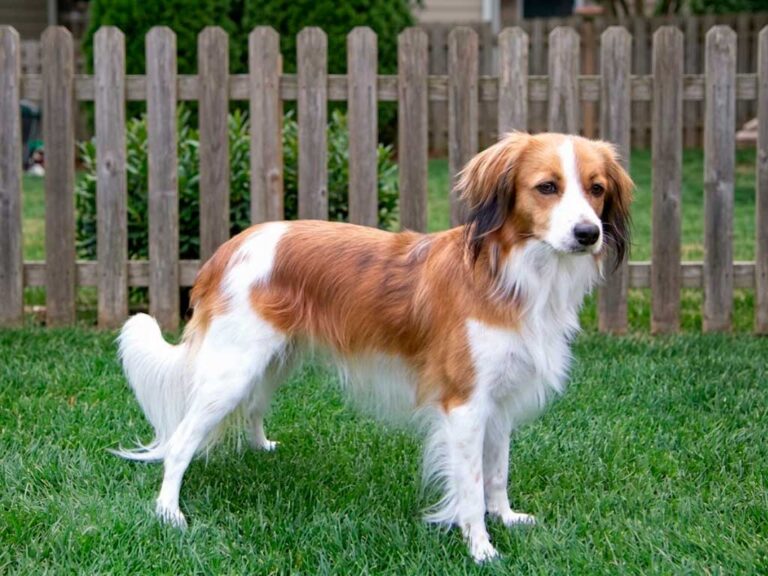
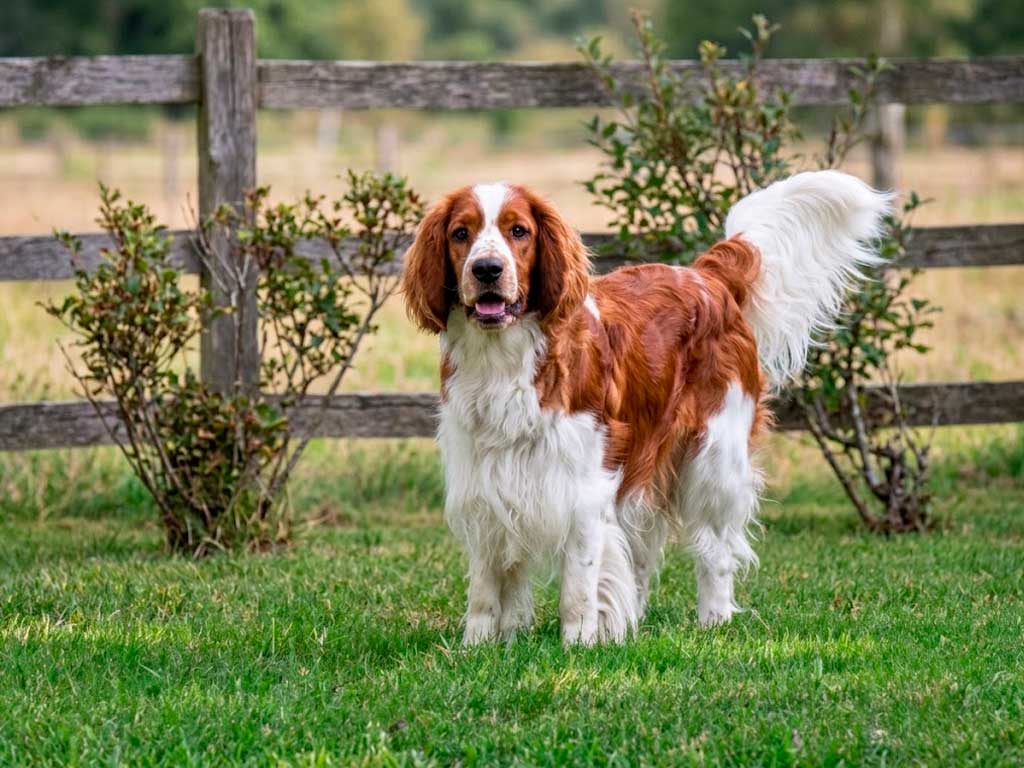
The Welsh Springer Spaniel is recognized for its rich red-and-white coat. These are the only acceptable colors under the UKC breed standard.
Its coat is naturally straight and flat, with a soft texture. It is also dense enough to provide protection against weather and rough vegetation.
Feathering appears on the back of the forelegs, above the hocks, chest, and underside. The ears and tail have lighter feathering.
You may see small red markings or ticking within white areas. The amount and arrangement of color can vary between individual dogs.
Head, Ears, and Expression
The Welsh Springer has a moderately broad head, a well-defined muzzle, and expressive eyes. Its ears hang close to the head and carry light feathering.
Those long ears need regular attention. Their position can reduce airflow around the ear canal, so checking them during grooming is a useful habit.
Temperament and Personality
The Welsh Springer Spaniel is generally affectionate, loyal, and closely attached to its family.
Many owners appreciate how involved these dogs like to be. They often follow familiar people around the house and enjoy joining everyday activities. A Welshie that receives enough exercise and attention can be a relaxed companion indoors.
The breed standard also notes that Welsh Springers may be reserved with strangers. That does not mean they should be excessively shy or aggressive. Early, positive socialization helps puppies become comfortable with different people, environments, and everyday situations.
Are Welsh Springer Spaniels Good Family Dogs?
They can be excellent family companions in households that understand their activity level.
Their affectionate nature can make them enjoyable around children. Still, every interaction between a dog and a young child needs adult supervision.
Teach children to avoid pulling ears, disturbing a resting dog, or approaching while the dog is eating. Give the Welsh Springer a quiet place where it can rest without interruption.
Do They Get Along With Other Pets?
Many Welsh Springers can live successfully with other dogs when introductions are handled carefully.
Their hunting background means smaller animals may trigger chasing behavior. A dog raised with a cat may learn to share a home peacefully, but that does not remove the need for supervision.
Use gradual introductions and reward calm behavior. Never assume that a dog’s friendly personality means it will automatically be safe around every small animal.
Can They Be Left Alone?
Welsh Springer Spaniels usually prefer company. Some individuals manage reasonable periods alone, but long stretches without interaction can become difficult.
A predictable routine, appropriate exercise, and gradual practice with short periods of separation can help. Provide safe enrichment toys and avoid making departures and arrivals overly exciting.
If your household is empty for most of the day, consider whether you can arrange a dog walker, family support, or another form of companionship.
Shop for Your Breed

Just Food For Dogs – Fresh Frozen
Fresh meals. Gently cooked, then frozen to lock in nutrients. 100% Human Grade Ingredients. Gently Cooked in the USA. #1 Vet-Recommended Fresh Food.
Shop on JustFoodForDogs
Raw Paws Pet Food – Frozen Raw Pet Food
Feeding your pet a frozen raw pet food diet is a simple way to deliver real, whole-food nutrition in its most natural form.
Shop on RawPawsPetFood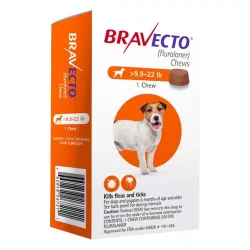
Bravecto Chews for Dogs
Bravecto is a long-lasting flea and tick protection option for your dog. 1 dose of Bravecto chew provides up to 12 weeks of powerful protection, which is nearly 3 times longer than a monthly treatment.
Shop on BestVetCare.com
Deworming Treatments for Dogs
BestVetCare offers you a wide range of worm treatments which come in a variety of forms such as oral paste, tablets, granules, and liquid solutions.
Shop on BestVetCare.comHappyPetZone participates in various affiliate programs with brands and retailers. We may receive a commission on purchases made through our links, at no extra cost to you.
Care Guide for the Welsh Springer Spaniel
A Welsh Springer Spaniel needs consistent care. Exercise, grooming, nutrition, and training all contribute to a healthy routine.
Diet and Nutrition
Feed a complete and balanced dog food suited to your Welsh Springer’s age, size, activity level, and health needs.
Puppies need food formulated for growth. Adults generally do well on an appropriate maintenance diet, while senior dogs may need adjustments based on their weight and medical condition.
A few practical feeding habits help:
- Follow the feeding guide on the food packaging as a starting point.
- Adjust portions according to body condition and activity.
- Divide the daily amount into regular meals.
- Keep fresh drinking water available.
- Limit treats so they do not replace balanced meals.
Your veterinarian can help determine the right calorie intake if your dog gains weight, loses weight, or has a medical condition that affects nutrition.
Exercise and Daily Activity
This is an active sporting breed. A short walk may not satisfy its physical and mental needs.
Welsh Springers generally enjoy long walks, energetic games, and opportunities to explore safely. The Veterinary Centers of America also notes that long walks and vigorous play can help meet the breed’s exercise needs.
Try activities such as:
- Brisk daily walks.
- Fetch in a securely enclosed area.
- Scent games and food searches.
- Retrieving activities.
- Obedience practice.
- Hiking on suitable trails.
Mental stimulation matters just as much as physical activity. Give your dog opportunities to use its nose and solve simple problems.
Puppies need age-appropriate activity. Avoid forcing repetitive high-impact exercise while their bodies are still developing. Ask your veterinarian how to adjust activity as your puppy grows.
Grooming and Coat Maintenance
The Welsh Springer Spaniel’s coat is manageable with regular care.
Brush it once or twice a week to remove loose hair and prevent tangles. Pay particular attention to the feathering around the ears, chest, legs, and underside.
You should also:
- Check the ears regularly for dirt, redness, odor, or discharge.
- Trim nails when they become too long.
- Brush teeth with dog-safe toothpaste.
- Check paws after walks, especially in areas with thick vegetation.
- Bathe when needed with a suitable dog shampoo.
The breed does not require excessive trimming. Its natural coat provides protection during outdoor activities, and the UKC standard discourages excessive coat and obvious sculpting.
If you notice persistent itching, ear discomfort, or skin irritation, arrange a veterinary check rather than relying on grooming products to solve the problem.
Training and Socialization
Welsh Springer Spaniels are intelligent and generally responsive to reward-based training.
Their sensitivity makes a patient approach especially important. Harsh corrections can damage trust and make learning more difficult.
Start with basic skills:
- Teach the puppy to respond to its name.
- Reward calm behavior around people and other dogs.
- Practice recall in safe, controlled environments.
- Introduce leash walking gradually.
- Use short training sessions to maintain attention.
- Add scent games and retrieving exercises as skills develop.
Recall deserves particular attention. A Welsh Springer may become absorbed in an interesting scent, especially outdoors. Practice in enclosed spaces before considering any off-leash activity.
Give it time. Consistent practice usually produces better results than long sessions or repeated corrections.
Welsh Springer Spaniel Health and Longevity
Welsh Springer Spaniels are generally considered an active, sturdy breed. However, they can still develop inherited or age-related health conditions.
Reported life expectancy varies between sources. Breed information from the Welsh Springer Spaniel Club in the UK gives a range of approximately 10–15 years, while VCA lists 12–15 years. Individual health, genetics, weight, and veterinary care all influence longevity.
Health Conditions to Discuss With Your Veterinarian
Some health concerns reported in the breed include:
- Hip dysplasia: An inherited joint condition that can affect movement and comfort.
- Eye disorders: Certain inherited or acquired eye conditions may affect vision.
- Epilepsy: A neurological condition that can cause recurrent seizures.
- Ear infections: The breed’s hanging ears make regular ear checks important.
These risks do not mean every Welsh Springer will develop a health problem. They are reasons to choose a responsible breeder and maintain regular veterinary care.
Health Testing Before Buying a Puppy
Ask breeders for documentation of health screening performed on both parents.
The Welsh Springer Spaniel Club of America provides guidance on recommended health testing, including hip and elbow evaluations, ophthalmic examinations, and thyroid testing. Its puppy information also encourages prospective owners to review the parents’ health results with the breeder.
You can also review the Welsh Springer Spaniel Club of America’s breed resources for information about responsible ownership and breed activities.
A responsible breeder should be willing to discuss health history openly. Be cautious if someone avoids questions, refuses to share test results, or pressures you to pay before you can learn about the puppy’s background.
Health disclaimer: This section provides general breed information and is not a veterinary diagnosis. A veterinarian can recommend appropriate screening and evaluate symptoms in an individual dog.

Lemonade Pet Insurance
Explore customizable pet insurance coverage and learn whether Lemonade is the right fit for your dog or cat.
- Customizable coverage options
- Online policy management
Is the Welsh Springer Spaniel the Right Dog for You?
The Welsh Springer Spaniel can be a rewarding companion, but its needs should fit your daily routine.
This breed may suit you if:
- You enjoy regular outdoor activities.
- You can provide daily exercise and mental stimulation.
- You want an affectionate dog that likes being involved.
- You have time for training and socialization.
- You can maintain regular grooming and veterinary care.
It may be a difficult match if you want a very low-energy dog or spend most of the day away from home.
A large yard can be helpful, but it does not replace walks, training, and interaction. Welsh Springers need an active relationship with their owners.
If you are comparing the costs of owning a particular breed, our guide to dog insurance by breed explains how breed-related health risks can affect coverage. You can also read our broader pet insurance guide before deciding whether a policy makes sense for your household.
Welsh Springer Spaniel vs. English Springer Spaniel
The Welsh Springer Spaniel and English Springer Spaniel share a sporting background, but they are separate breeds with different breed standards.
| Feature | Welsh Springer Spaniel | English Springer Spaniel |
|---|---|---|
| Coat color | Rich red and white | Several colors, including liver and white or black and white |
| General size | Medium | Medium, generally taller |
| Temperament | Loyal, affectionate, sometimes reserved with strangers | Friendly, affectionate, energetic |
| Working background | Flushing and retrieving game | Flushing and retrieving game |
| Coat | Straight, flat, weather-resistant | May be straight or wavy, with feathering |
The Welsh Springer is recognized by its distinctive red-and-white coloring. The English Springer has a broader range of accepted colors under its breed standard.
Both breeds need regular activity and training. Choosing between them should involve temperament, breeder practices, and the individual dog’s needs rather than appearance alone.
Frequently Asked Questions
Give Your Welsh Springer Spaniel the Right Start
A Welsh Springer Spaniel can become a devoted companion for an owner who enjoys an active routine and has time for consistent training.
Before choosing a puppy, speak with responsible breeders, review the parents’ health tests, and learn about the temperament of their dogs. If you prefer adoption, the breed club can also help you explore rescue information.
Once your dog comes home, focus on a steady routine, positive training, and regular opportunities to explore. Start with those habits early, and you will give your Welsh Springer a much better foundation for a happy life with your family.