Belgian Shepherd Groenendael: Intelligent Herding Breed Guide
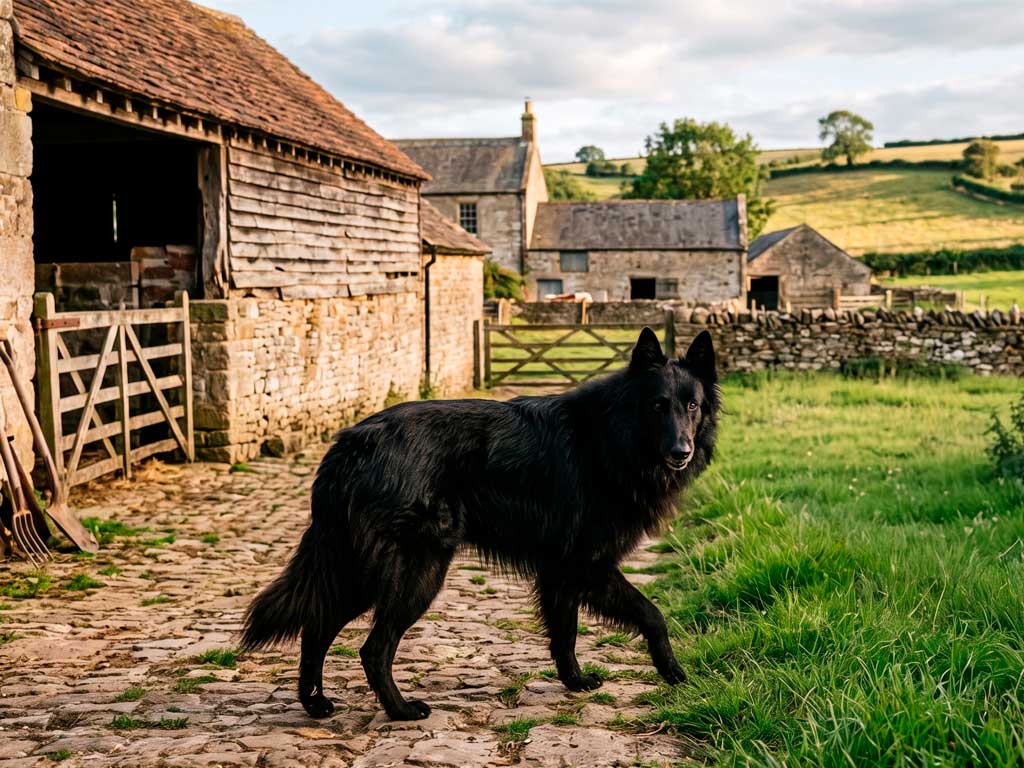
The Belgian Shepherd Groenendael is an elegant, long-coated herding dog distinguished by its striking all-black coat and refined bone structure. Named after the village of Groenendael in Belgium, this breed represents one of four distinct Belgian Shepherd varieties. The Groenendael combines intelligence, loyalty, and natural protective instincts in a medium-sized package built for work.
Often confused with the German Shepherd (particularly long-coated varieties), the Belgian Shepherd Groenendael is lighter-boned, more energetic in movement, and carries a more refined head. These dogs require experienced owners who understand herding-dog temperament and can provide substantial exercise, training, and socialization. For the right handler, the Groenendael offers unmatched loyalty and capability.
History and the Four Belgian Varieties
The Belgian Shepherd Groenendael is one of four closely related Belgian Shepherd varieties, all sharing common working heritage. Understanding this context is important for prospective owners.
The four varieties are:
Groenendael (long coat, black): Named after the Groenendael village and castle, this variety emerged when a black female Belgian Shepherd was bred with another black herding dog. The resulting line became the foundation of the Groenendael.
Tervueren (long coat, fawn/red with black overlay): Named after the village of Tervuren, this variety displays fawn or red coloring with characteristic black masking. Tervuerens are otherwise very similar to Groenendaels in size, structure, and temperament.
Malinois (short coat, fawn with black overlay): The only short-coated variety, Malinois display the same coloring as Tervuerens but with a short, hard coat. Malinois have become popular in police and military work due to their durability and efficiency.
Laekenois (rough/wiry coat, fawn): The rarest variety, Laekenois have a harsh, wiry coat and fawn coloring. They remain relatively uncommon even in Belgium.
The standardization: In 1890, a professor of veterinary medicine established breed standards for Belgian Shepherds, recognizing that all four types shared similar working ability and structure. The professor advised breeding them as separate varieties based on coat type and color—a decision that created distinct lines.
The Groenendael’s history as a working dog extends to medieval times, when Belgian Shepherds herded and protected sheep across Belgian farms and villages. By the 19th century, they were already employed in police and military work, a role they continue today.
Physical Characteristics
The Belgian Shepherd Groenendael is a medium-sized, square-profiled dog with distinctive long-coated elegance.
Size and build: Males stand 61–66 cm (24–26 inches) at the shoulder and weigh 27.5–28.5 kg (60–63 pounds). Females measure 56–61 cm (22–24 inches) and weigh slightly less. The body is square or nearly square when viewed from the side, reflecting the breed’s working heritage.
Bone structure: Groenendaels are lighter-boned than German Shepherds. The legs are straight and well-defined, built for agility and endurance rather than massive power.
Coat: This is the breed’s hallmark. The double coat is long, straight, and dense, with particularly heavy feathering on the legs, chest, and tail. Males display a prominent “ruff” or mane around the neck. The undercoat is extremely dense, providing weather resistance.
Color: The Groenendael is always black or predominantly black, with only minimal white markings permitted on the chest and toes. This solid black coloring distinguishes the Groenendael from colored variants and is breed-essential.
Head and expression: The head is refined and proportional, with a tapered muzzle and alert, dark eyes conveying intelligence. Ears are triangular and erect, set high on the head. Expression is intelligent, attentive, and focused.
Gait: Groenendaels move with springy, energetic strides reflecting their herding heritage. Movement should be graceful and efficient, never heavy or ponderous.
Temperament and Personality
The Belgian Shepherd Groenendael temperament reflects its working heritage. These are intelligent, driven dogs that need purpose and leadership.
Key traits:
Loyalty and devotion: Groenendaels form deep bonds with their families. They’re devoted without being clingy, preferring to stay nearby and involved in family activities rather than seeking constant physical contact.
Protective instincts: This is crucial to understand. Groenendaels have natural protective instincts that should never be deliberately encouraged or reinforced. They’ll alert to strangers and defend family if necessary without training. Owners who amplify protection drives through training or reinforcement create anxious, defensive dogs prone to inappropriate aggression.
A well-socialized Groenendael naturally distinguishes between normal interactions and genuine threats. Poor ownership (which deliberately strengthens protection) creates a dangerous dog.
Intelligence: Groenendaels are extraordinarily intelligent and learn quickly. They anticipate commands and often solve problems independently. This intelligence requires consistent leadership—they’ll challenge unclear boundaries.
Work drive: These dogs were bred to work 8-10 hours daily. They’re happiest when engaged in meaningful activity: herding work, agility, obedience, scent work, or other structured training.
Energy level: High. Groenendaels are not dogs for sedentary owners. They require 2+ hours of daily exercise plus mental stimulation.
Sensitivity to environment: Groenendaels are perceptive and sensitive to household stress, tension, and conflict. They often internalize environmental anxiety, which can trigger defensive or anxious behaviors.
Independence: Like many herding dogs, Groenendaels are independent thinkers. They’ll evaluate commands against circumstances and make their own decisions if leadership is unclear.
Care and Training
Exercise Requirements
Non-negotiable: Belgian Shepherd Groenendaels require 2+ hours of daily exercise combined with mental stimulation.
Suitable activities include:
- Herding trials (if livestock access exists)
- Agility competitions
- Obedience and rally work
- Scent work and nosework
- Tracking or trailing
- Treibball (herding a large ball)
- Running or jogging alongside a bike (mature dogs)
- Dock diving or water sports
Exercise must combine physical activity with mental engagement. A long walk without mental challenge won’t satisfy a Groenendael.
Training and Socialization
Training must emphasize clear leadership without intimidation.
Effective approaches:
- Start early. Puppies need structure and boundaries from day one.
- Use positive reinforcement exclusively. These sensitive dogs respond poorly to harsh corrections.
- Establish clear, consistent rules that everyone enforces.
- Avoid deliberately teaching or reinforcing protection behaviors.
- Practice extensive socialization throughout puppyhood and adulthood.
- Teach reliable recall in safe environments before trusting off-leash work.
- Channel natural protective instinct toward appropriate outlets (barking on command, then settling).
Critical rule: Never deliberately teach protection work. The breed’s natural instincts are sufficient. Owners who train “protection” create unpredictable, potentially dangerous dogs.
Grooming
Grooming requires substantial, ongoing commitment.
- Brush 4–5 times weekly (daily during shedding seasons) to manage loose hair and maintain coat health
- Bathe every 4–8 weeks or as needed
- Hand-strip or pluck dead undercoat during seasonal shedding to prevent matting
- Trim nails every 3–4 weeks
- Check ears regularly for cleanliness (long-coated dogs are prone to ear issues)
- Trim fur around the paws and between toes
Groenendaels shed heavily, especially during shedding seasons (typically spring and fall). Expect dog hair throughout your home.
Nutrition
Feed a high-quality large-breed dog food formulated for active dogs. Adult Groenendaels typically require 1,400–2,000 calories daily, depending on age, metabolism, and activity level.
Divide daily food into two meals to aid digestion. Provide fresh water always.
Monitor body condition to maintain ideal weight—a visible waist and palpable ribs are the goal.
Health Considerations
The Belgian Shepherd Groenendael is generally healthy, but several hereditary conditions occur:
Hip dysplasia: A developmental orthopedic disease affecting the hip joint. Responsible breeders screen parents via OFA or PennHIP scoring.
Cataracts (hereditary): Clouding of the lens. DNA testing can identify affected or carrier dogs before breeding.
Progressive Retinal Atrophy (PRA): A degenerative retinal disease causing gradual vision loss and potential blindness.
Ear infections: Long ears trap moisture. Regular cleaning and ear checks prevent infections.
Elbow dysplasia: Less common than hip dysplasia but possible. Screening is recommended.
Lifespan: Belgian Shepherds typically live 10–14 years, which is good for a medium-sized dog.
Is the Belgian Shepherd Groenendael Right for You?
A Groenendael is ideal if you:
- Have herding or working dog experience
- Lead an active lifestyle with time for 2+ hours daily exercise
- Enjoy training and dog sports
- Can provide mental stimulation (scent work, puzzle toys, training)
- Want an intelligent, loyal working companion
- Can provide consistent, calm leadership
- Have space outdoors for running
- Are comfortable with heavy shedding and regular grooming
- Understand protective instincts and won’t deliberately amplify them
A Groenendael is not right if you:
- Are a first-time dog owner
- Work long hours without midday exercise breaks
- Want a low-energy or aloof dog
- Cannot tolerate shedding or significant grooming needs
- Expect a dog content to lounge at home
- Cannot provide mental stimulation and training
- Live in an apartment without dedicated outdoor space
- Want to deliberately train protection behaviors
Frequently Asked Questions
1. How is a Groenendael different from a German Shepherd? Groenendaels are lighter-boned, more energetic in movement, and have a more refined head. The German Shepherd is larger and more heavily muscled. Temperamentally, both are intelligent and loyal, but Groenendaels are more sensitive to environment.
2. Can Groenendaels live in apartments? Theoretically yes, if exercised extensively outside the home daily. Practically, a house with a yard is far more suitable.
3. How much do Groenendaels shed? Heavily, especially during shedding seasons. Expect dog hair on furniture, clothing, and throughout your home. Regular grooming reduces (but doesn’t eliminate) shedding.
4. Are Groenendaels good family dogs? Yes, with caveats. They’re loyal and protective but require active families and consistent leadership. They’re better suited to families with older children or athletic parents.
5. Should I train my Groenendael for protection work? No. The breed’s natural protective instincts are sufficient. Deliberately training protection creates unpredictable, potentially dangerous dogs. Instead, channel natural alertness through obedience and scent work.
6. What’s the difference between a Groenendael and a Tervuren? The primary difference is coloring. Groenendaels are all-black; Tervuerens are fawn with black overlay. Both have long coats and similar temperaments.
7. How much do Groenendael puppies cost? Reputable breeders typically charge $1,000–$2,500+ USD, depending on pedigree and health testing. Quality comes at a price; responsible breeders conduct extensive health screening.
A Breed for Experienced, Committed Owners
The Belgian Shepherd Groenendael is extraordinary for owners who appreciate working-dog temperament and commit to providing purpose, exercise, and training. These intelligent, loyal dogs thrive with structure and meaningful activity.
For those willing to meet their substantial demands—and critically, for those who understand how to channel protective instincts appropriately—Groenendaels offer unmatched loyalty and capability. They’re dogs that genuinely want to work alongside their people. That’s their greatest strength and most important requirement.
Disclaimer: This guide is informational and not a substitute for professional veterinary or training advice. Consult your veterinarian before acquiring a Groenendael puppy, particularly regarding genetic testing and health screening. Work with a trainer experienced in herding-dog temperament, not protection training.