Pembroke Welsh Corgi: The Royal Favorite With an Outsized Personality
The Pembroke Welsh Corgi is no ordinary small dog. Beyond the charming proportions and fox-like face lies a breed steeped in British royal history and possessed of an outsized personality that seems to defy their compact size.
If the Cardigan Corgi is the sturdy ancient herder, the Pembroke is the aristocratic go-getter who captured the hearts of kings and queens. Understanding this breed means recognizing both their remarkable cultural significance and their unique personality blend: fearless, obedient, and surprisingly energetic.
This comprehensive guide reveals why Pembrokes have remained beloved companions for centuries, particularly within the world’s most famous royal household.
History and Origin: From Flanders to Royal Courts
The Pembroke Welsh Corgi has a distinctly different origin story from its Cardigan cousin. While Cardigans trace their lineage to ancient Celtic herding cultures, evidence suggests Pembroke Corgis arrived in Wales through Flemish weavers around the 10th century A.D.
These skilled craftspeople brought their small herding dogs with them, establishing populations in Pembrokeshire, the Welsh region from which the breed derives its name.
The breed became enormously popular as cattle herders during the 14th to 18th centuries across Wales, earning reputation as tireless workers despite their modest stature. However, it wasn’t until the royal recognition of recent centuries that Pembrokes achieved widespread cultural prominence.
The pivotal moment came in 1933 when King George VI brought home a puppy named Dookie for his young daughter, Elizabeth (who would become Queen Elizabeth II). This single decision changed the breed’s trajectory forever.
Following Dookie’s arrival, the family acquired a second female named Jane, and their puppies sparked what became a multi-generational royal tradition. Queen Elizabeth II owned more than 30 Corgis during her 70-year reign, making them synonymous with British monarchy and elevating the breed to celebrity status worldwide.
Physical Characteristics: Elegance in Miniature
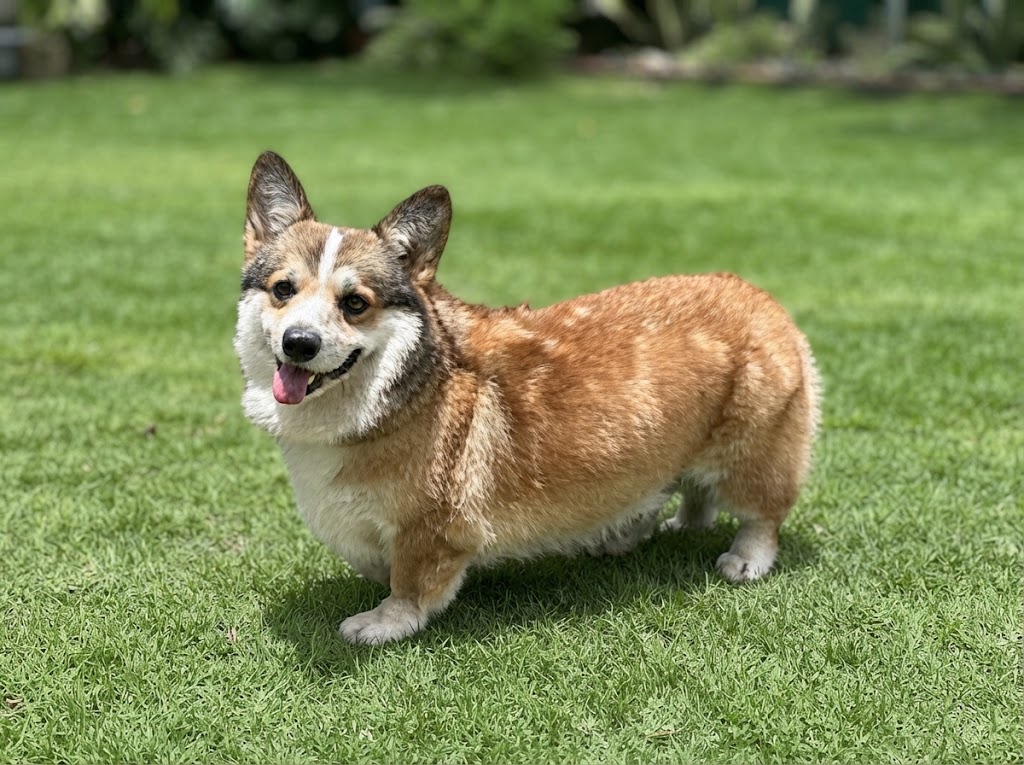
Pembroke Welsh Corgis are small but noticeably refined dogs. Adults stand between 25 to 30 centimeters tall (10 to 12 inches) and weigh just 9 to 12 kilograms (20 to 26 pounds). This lighter build distinguishes them from their heavier Cardigan cousins—Pembrokes appear more elegant and less stocky despite their short legs.
The breed’s distinctive fox-like face is immediately recognizable, with pointed ears, intelligent eyes, and an expression suggesting constant amusement. Their coat is short to medium-length, flat, and water-resistant with a dense undercoat. Pembrokes come in red, sable, fawn, and black-and-tan, frequently with white markings.
One physical distinction sets Pembrokes apart from Cardigans: their tails are traditionally docked short. While ear shape differs too (Pembrokes have pointed ears; Cardigans have rounded ones), the docked tail remains the most obvious visual distinction between the two corgi breeds.
Temperament and Personality: Big Heart, Small Package
The Pembroke Welsh Corgi embodies “big personality in a small package.” These dogs are active, obedient, and possessed of a fearlessness that seems disproportionate to their size. They’re sociable with family and strangers alike, though they maintain the alertness and vocal tendencies of their herding heritage.
Pembrokes are intrepid they approach life with confidence and enthusiasm, often forgetting their diminutive stature. They excel as companions in active, busy households where their energy and intelligence are appreciated. Their loyalty to family is profound, and they form strong bonds with their people.
Like Cardigans, Pembrokes retain herding instincts and will nip at heels and chase feet if not properly trained. They’re natural watchdogs despite their size, barking to alert families to visitors and changes in their environment. This alertness and vocalization require early training to manage effectively.
The breed’s fearless temperament, combined with intelligence and obedience, made them perfectly suited for royal households capable of holding their own among nobility while remaining trainable and family-focused.
Care Guide
Diet and Nutrition
Pembroke Welsh Corgis require balanced nutrition appropriate for their small size and moderate activity level. Feed high-quality dog food formulated for small, active breeds. Follow manufacturer guidelines based on your individual dog’s weight and exercise level.
Pembrokes are prone to weight gain, which exacerbates spinal health concerns. Monitor your dog’s weight carefully and adjust portions if necessary. Feed twice daily and always provide fresh, clean water. Regular veterinary check-ups help ensure optimal weight and nutritional status.
Exercise Requirements
Despite their short legs, Pembroke Corgis were bred to herd cattle and retain significant energy. Adults require a minimum of one hour daily exercise, though these adaptable dogs accommodate various lifestyle levels better than many herding breeds.
Varied exercise is essential repetitive routines bore these intelligent dogs. Long walks, yard play, training sessions, and interactive games provide both physical and mental stimulation. Many Pembrokes excel in obedience competitions, agility trials, and other canine sports.
Grooming Needs
Pembroke Corgis require minimal grooming. Their short coat needs brushing only two to three times weekly to remove dead hair. During seasonal shedding periods, slightly more frequent brushing prevents excessive hair around your home.
The straightforward grooming requirements are a practical advantage of the breed. Dried mud brushes away easily, and these dogs require bathing only occasionally unless they become particularly dirty.
Training and Education
Pembroke Welsh Corgis are intelligent, eager learners that respond excellently to positive reinforcement. Their natural obedience and desire to please make them rewarding training subjects. Early socialization with children, other animals, and various environments is essential.
Address herding instincts early through training, redirecting the natural heel-nipping impulse toward appropriate toys and games. Consistent, patient guidance prevents behavioral problems while channeling their natural instincts productively. Many Pembrokes compete successfully in obedience trials, rally competitions, and agility events.
Health and Longevity
Pembroke Welsh Corgis typically live 12 to 15 years, offering reasonable lifespan for their size. However, like Cardigans, the breed faces specific health challenges related to their body structure.
Hip dysplasia and hereditary eye disorders are concerns requiring pre-breeding health screening. The Pembroke’s long back and short legs also predispose them to intervertebral disc disease (IVDD), though perhaps slightly less commonly than Cardigans due to the breed’s lighter, more refined bone structure.
Responsible ownership requires maintaining healthy weight, avoiding excessive jumping and stair climbing, and using ramps for furniture access. Before acquiring a puppy, ensure the breeder has conducted hip and eye examinations and understands IVDD risk reduction.
Is This the Right Dog for You?
Pembroke Welsh Corgis suit active families and individuals who appreciate intelligent, spirited companions with distinct personality.
Choose a Pembroke Welsh Corgi if you:
- Enjoy daily outdoor activities and active play
- Want an intelligent, loyal, fearless companion
- Can provide consistent training and socialization
- Are comfortable managing herding behavior and alertness
- Appreciate a small dog with outsized personality
- Understand spinal health concerns and can manage physical care accordingly
- Want a breed with rich historical and cultural significance
Consider another breed if you:
- Lead a sedentary lifestyle
- Cannot manage herding-related nipping
- Lack time for training and mental stimulation
- Are unprepared for potential spinal health issues
- Cannot provide careful weight management
- Dislike barking and alerting behavior
- Prefer a less opinionated, independent dog
Frequently Asked Questions About Pembroke Welsh Corgis
The Enduring Appeal of the Pembroke Corgi
The Pembroke Welsh Corgi represents a remarkable blend of working-dog heritage and royal prestige. These fearless, intelligent small dogs possess personality that belies their compact size. Their cultural significance, particularly through royal associations, has made them beloved worldwide.
Responsible Pembroke ownership requires understanding their spinal vulnerabilities, managing weight carefully, and addressing herding-related behaviors through training. However, for active families and individuals who appreciate spirited, loyal companions with outsized personalities and who don’t mind royal-level history attached to their dog the Pembroke Corgi offers unmatched charm and lifelong companionship.
Curious about a possible distant cousin? The Swedish Vallhund shares a similar low, long build and possible shared ancestry, and has appeared on postage stamps from six different countries.