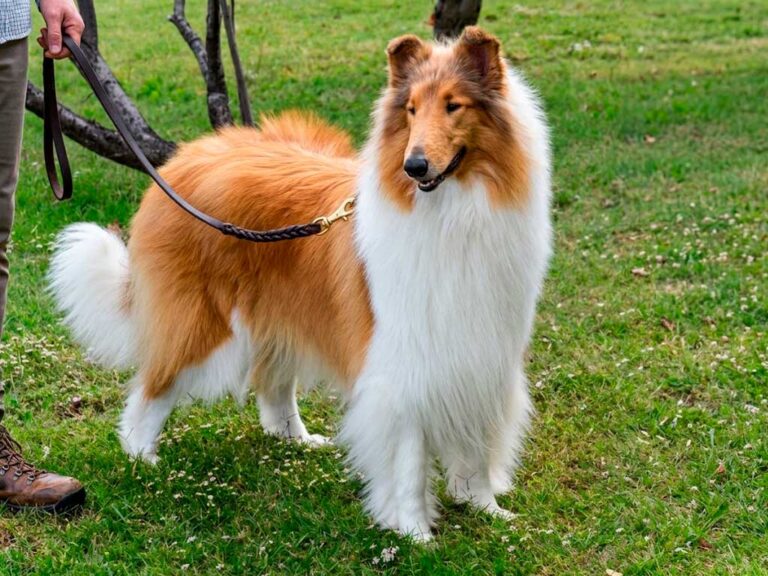
How to Tire Out a Hyperactive Dog in Just 15 Minutes
We have all been there. You spend an hour, two hours, or even three hours running your dog around the park. You are absolutely exhausted, your feet are sore, and you are ready to collapse on the couch.
But your dog? They look at you with bright eyes, a wagging tail, and even more energy than when you first left the house.
If you own a high-energy herding breed, a young pup, or a naturally hyperactive dog, trying to exhaust them through pure physical running can feel like a losing battle. In fact, it might actually be making the problem worse.
Fortunately, you do not need hours of free time to calm your energetic companion. You can completely tire out a hyperactive dog in just 15 minutes by changing how you drain their energy.
The Adrenaline Trap: Why Endless Running Fails
When faced with a hyperactive dog, our first instinct is to make them run. We assume that if they sprint long enough, their physical tank will hit empty.
However, intense, non-stop physical exercise triggers a high secretion of adrenaline in your dog’s central nervous system. Instead of calming them down, hours of running can put your dog into a state of hyper-arousal.
When you finally bring them back inside, that hormonal surge keeps their brain buzzing. They are not relaxed; they are simply wired, agitated, and looking for the next thrill. To truly calm a high-energy dog, you have to target their brain, not just their muscles.
The 15-Minute Solution: Mental Stimulation Meets Physical Movement
The secret to a peaceful home is a simple, science-backed formula: Moderate Physical Movement + Structured Mental Stimulation.
Nothing drains a dog’s battery faster than making them think while they move. By engaging their mind, you trigger the release of calming neurotransmitters that naturally lower their heart rate and promote relaxation.
The best part? You can do this exercise anywhere in your backyard, during a short neighborhood walk, or right inside your living room on a rainy day.
What You Need:
- A handful of highly aromatic kibble or smelly dog treats.
- Your dog’s favorite durable chew toy or a sturdy rubber toy.
Step-by-Step Guide to the 15-Minute Tired-Dog Routine
Follow this simple protocol especially during your dog’s last walk or session of the day to ensure a quiet, restful night for the whole family.
Step 1: The Scent Trail (Minutes 1–10)
Dogs experience the world through their noses. Engaging in olfactory work or “sniffing” requires an immense amount of concentration and brainpower for a canine.
- Isolate your dog in a separate room or put them on a steady stay command.
- Hide small pieces of smelly food around your space. If you are indoors, place them behind chair legs, under the edge of a rug, or on the bottom shelves of coffee tables. If you are outdoors, scatter them in tall grass or behind bushes.
- Release your dog with a cue like “Find it!”
- Let them use their nose to track down every single piece.
The physical act of moving around the space combined with the intense mental focus of tracking scents will rapidly exhaust their mental energy.
Step 2: The Decompression Chew (Minutes 11–15)
Once the search game is over, your dog will be mentally spent, but they might still have a small amount of lingering physical tension.
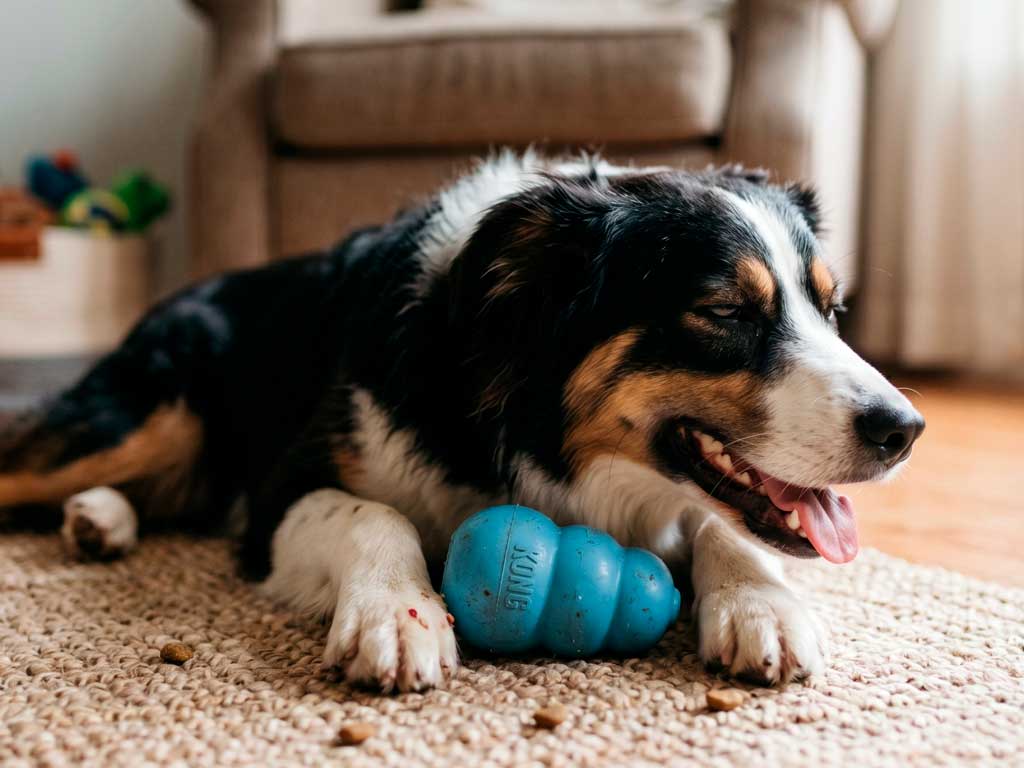
Hand your dog a chew toy or a mordedor. The repetitive, mechanical action of chewing acts as a natural decompression mechanism for canines. It helps them process the remaining adrenaline in their system, lowers their heart rate, and signals to their body that the activity is over and it is time to sleep.
Troubleshooting Common Mistakes
- My dog gets frustrated and gives up: If your dog is new to scent games, make the hiding places incredibly easy at first. Let them see you drop the treat, then gradually increase the difficulty as they understand the game.
- Do not overdo the treats: Because you want a highly aromatic treat to engage their brain, it can be easy to overfeed them. Break high-value treats into tiny, pea-sized pieces, or use a portion of their daily dinner kibble for the game.
A Quick Note on Canine Health: While mental enrichment is a fantastic tool for managing hyperactivity, sudden or extreme changes in your dog’s energy levels, anxiety, or behavior should always be evaluated. If your dog exhibits signs of chronic restlessness or distress, it is always a wise choice to consult with your veterinarian to rule out any underlying medical discomfort.
Work the Mind, Not Just the Body
You do not need to sacrifice your entire afternoon to a grueling physical workout just to keep your dog happy. While long walks are wonderful if you have the time, they are not the only way to achieve a calm pet.
By combining ten minutes of scent tracking with five minutes of dedicated chewing, you will leave your hyperactive dog completely relaxed, content, and ready for a deep sleep.