Pharaoh Hound: The Ancient Sighthound That Blushes When Happy
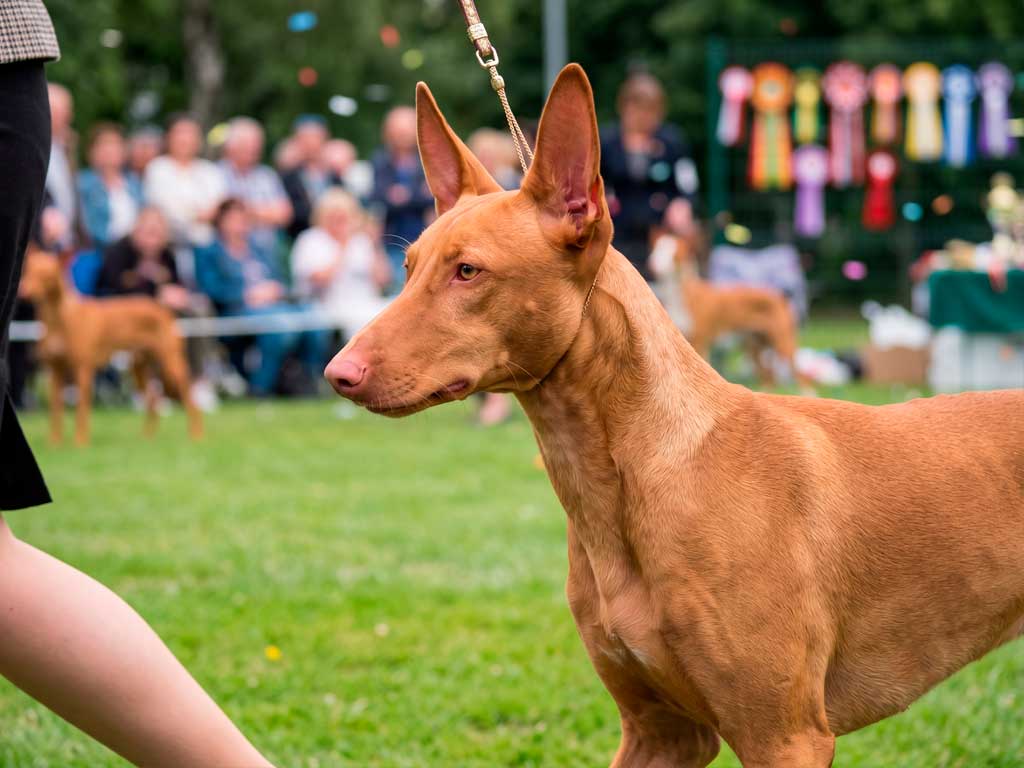
The Pharaoh Hound has hunted rabbits across Malta for thousands of years, and this guide covers everything you need to know before bringing one home. Sleek, athletic, and famously expressive, it’s one of the more distinctive sighthounds you’ll come across.
One quirky trait sets this breed apart from nearly every other dog: it blushes. When excited, its nose and ears flush a deeper shade of pink from increased blood flow, giving it an almost human-like tell.
Keep reading to see whether this ancient, independent-minded hunter fits your lifestyle.
History and Origin
Remains of dogs resembling this breed date back to around 4000 BCE, long before ancient Egypt rose to prominence. Historians believe Phoenician traders bred sighthounds and left them on isolated islands, where the dogs bred among themselves for centuries.
The Phoenicians colonized Malta around 1000 BCE and brought these sighthounds with them. Valued for their skill at hunting rabbits, the dogs became known as rabbit hounds, the direct ancestors of the Pharaoh Hound we recognize today.
Physical Characteristics
A lean, athletic frame with a short coat and upright ears gives this breed an elegant, alert look. The coat comes in shades of tan or deep tan, sometimes with white markings on the tail, chest, toes, and face.
Its naturally upright ears stand tall by around four weeks of age, well before most puppies show any ear structure at all. That blushing trait, caused by a lack of dark pigment in the nose and ears, only adds to this breed’s charm.
Temperament and Personality
Independent yet deeply loyal to its family, this breed carries a strong prey drive and the stamina to chase for miles with or without its owner. Dogs that miss early socialization with other animals often view cats and smaller pets as prey rather than companions.
Highly social with people and other dogs, this breed genuinely enjoys company and can be quite vocal about it. That combination of independence and sociability makes for an engaging, if sometimes noisy, companion.
Care Guide
Diet and Nutrition
Feed a complete, balanced diet formulated for an active medium-sized breed, split into two meals a day. Keep fresh water available at all times, particularly after exercise.
Follow your dog food’s feeding guidelines as a starting point and adjust based on body condition. Regular checkups help keep this lean athlete in ideal shape.
Exercise Requirements
Plan on at least two hours of exercise daily, since this breed genuinely loves to run and rarely slows down once it starts. A securely fenced yard is essential, since this athletic jumper can clear surprising heights.
In colder weather, its thin coat offers little insulation, so a dog coat helps during winter walks. Off-leash time should only happen in a fully enclosed space, given its strong instinct to chase.
Grooming Needs
This breed is remarkably easy to groom thanks to its short, low-maintenance coat. A rubber grooming glove removes loose and dead hair quickly, and that’s often all the routine care it needs.
It isn’t considered hypoallergenic, so allergy sufferers should spend time with one before adopting. Regular nail trims and dental care round out the basic grooming routine.
Training and Education
Start socialization early and expose your puppy to a wide range of people, pets, and situations to soften that natural prey drive. Positive reinforcement works far better than correction-based methods with this independent, sensitive breed.
Interestingly, this breed can even learn to smile on command, a quirky party trick tied to its naturally expressive face. Recall training deserves extra attention, since its hunting instinct can override obedience without consistent practice.
Health and Longevity
The most common health issue in this breed is patellar luxation, a condition where the kneecap slips out of its normal position. Reputable breeders screen for this condition before breeding to reduce the risk in puppies.
Ask breeders about any health testing they perform. This article offers general information only and does not replace advice from a licensed veterinarian, who can evaluate your dog’s individual health needs.
Is This the Right Dog for You?
This breed suits active owners who enjoy running, hiking, or lure sports and can provide serious daily exercise. Some prior experience with independent, prey-driven breeds helps, though it isn’t strictly required.
Households with cats or small pets need careful, early socialization to avoid conflict. Families with older children who can respect its space, rather than toddlers, tend to get along best with this energetic, social breed.
Frequently Asked Questions
Why does the Pharaoh Hound blush?
Its nose and ears lack dark pigment, so increased blood flow during excitement shows through as a rosy flush. It’s a harmless, unique trait specific to this breed.
How much exercise does a Pharaoh Hound need?
Plan on at least two hours of vigorous activity daily. This breed has serious stamina and rarely tires quickly once it starts running.
Is the Pharaoh Hound good with cats?
Only with early socialization. Without it, this breed’s strong prey drive often leads it to view cats and small pets as something to chase.
Is the Pharaoh Hound a good guard dog?
Not really. This breed is friendly and social by nature, so it doesn’t function as a reliable watchdog despite its vocal tendencies.
How long do Pharaoh Hounds live?
Most live between 11 and 14 years with proper nutrition, exercise, and routine veterinary care.
Curious how this ancient sighthound compares to other primitive breeds? Browse the full Dog Breeds hub or take the Dog Breed Quiz to find the breed that best matches your lifestyle.
For another lean, athletic sighthound with a surprising claim to fame, the Whippet was nearly cast in Alien 3, but was deemed too adorable for the role.
For another ancient breed with a striking dual history, the Xoloitzcuintle was revered by the Aztecs as a sacred healer, yet also used as a ritual sacrifice.