American Eskimo Dog: The Fluffy Spitz That Once Ran Away to the Circus
The American Eskimo Dog is best known for its bright white coat, sharp intelligence, and outgoing personality, and this guide covers what it takes to raise one well. Despite the name, this breed has no real tie to Arctic sled dogs at all.
Its true roots trace back to European Spitz breeds like the German Spitz and Italian Spitz, brought to America by immigrants who settled here. That trainable, showy intelligence even landed the breed a starring role in early twentieth-century circus acts.
Keep reading to see whether this smart, sociable companion fits your household.
History and Origin
This breed descends from European Spitz dogs, particularly the German Spitz and Italian Spitz, brought to the United States by immigrant families. It gained popularity across America over the following decades, eventually earning its own distinct identity.
In the early twentieth century, its intelligence and trainability made it a favorite in traveling circus shows, where it performed tricks that dazzled audiences. The American Kennel Club officially recognized the breed in 1995, cementing its place among established American breeds.
Physical Characteristics
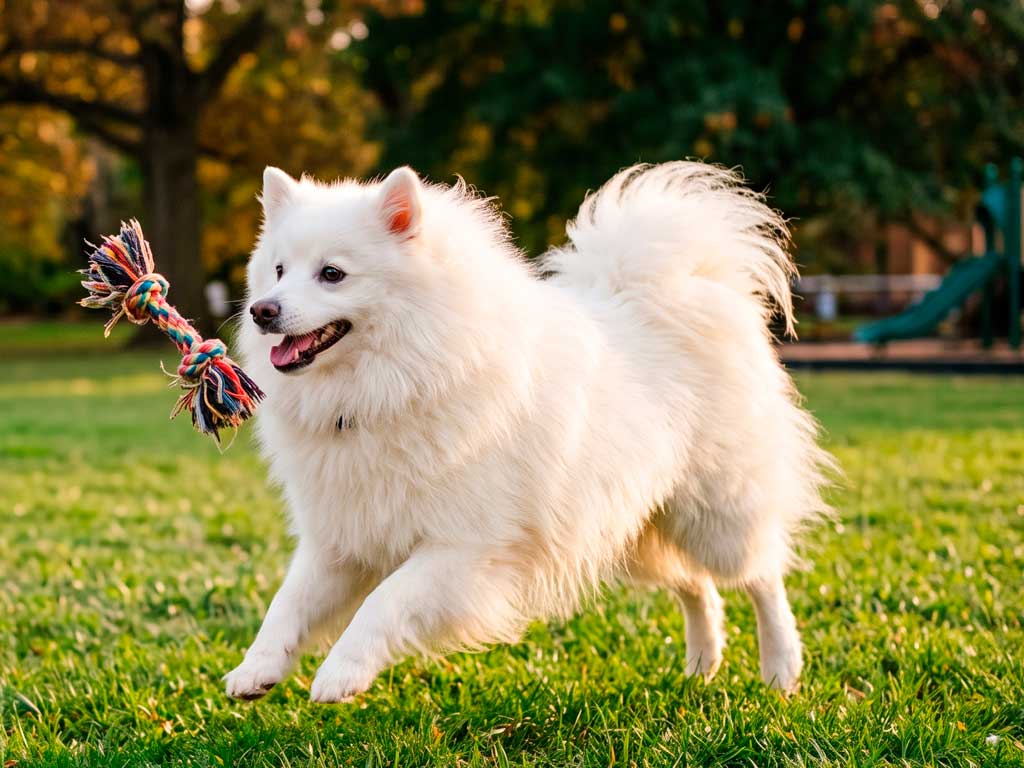
A compact, well-proportioned body and a rounded head with small, erect ears give this breed an alert, elegant appearance. Dark, expressive eyes reflect its sharp intelligence and lively personality.
This breed comes in three size varieties, so height and weight vary considerably from one dog to the next.
The double coat is long, dense, and fluffy, with a soft undercoat beneath a coarser outer layer. Its plumed tail curls elegantly over the back, adding to that striking, showy look.
Temperament and Personality
Cheerful, sharp, and genuinely sociable, this breed thrives on human company and adapts well to many types of homes. Its intelligence makes training relatively easy, and it picks up commands and tricks with real speed.
Around children, it tends to be patient and playful, and it gets along with other pets when socialized early. That said, its watchful nature can make it a bit reserved with strangers at first, and it doesn’t tolerate long stretches of alone time well.
Care Guide
Diet and Nutrition
Choose a complete, balanced diet suited to your dog’s size, whether toy, miniature, or standard, and its activity level. A veterinarian can help you fine-tune portions and select the right formula.
Split meals into two servings a day and keep fresh water available at all times. Regular checkups help track weight changes, especially in the smaller size varieties.
Exercise Requirements
Despite its compact size, this breed carries real energy and needs daily exercise and mental stimulation to stay balanced. Long walks, interactive games, and outdoor playtime all help prevent boredom and destructive habits.
This breed also excels at dog sports like agility and obedience, thanks to its intelligence and natural agility. Structured activities give its sharp mind an outlet beyond basic walks.
Grooming Needs
Brush this dense double coat at least two to three times a week to prevent matting and manage loose hair. During seasonal shedding, more frequent brushing keeps things under control.
The coat has natural dirt-repelling properties, so frequent baths generally aren’t necessary. Regular brushing, however, remains essential given how consistently this breed sheds.
Training and Education
This breed’s intelligence makes it genuinely easy to train, and it responds especially well to positive reinforcement methods. Teach both basic and advanced commands early to keep its active mind engaged.
Early socialization with different people, pets, and environments helps soften its initial wariness toward strangers. A secure, hazard-free home matters too, since this curious, energetic breed tends to explore anything within reach.
Health and Longevity
This breed is generally healthy, though routine veterinary checkups still matter for catching any issues early. Discuss any breed-specific screening recommendations with your veterinarian based on the size variety you choose.
Ask breeders about health testing before choosing a puppy. This article offers general information only and does not replace advice from a licensed veterinarian, who can evaluate your dog’s individual health needs.
Is This the Right Dog for You?
This breed suits families and individuals who want an active, trainable companion and can commit to daily interaction. Apartment living works fine as long as it gets enough exercise and mental stimulation.
This breed doesn’t do well left alone for long stretches, so it fits best with owners who can offer consistent company. Families with children who understand gentle play, and households ready for its vocal, alert personality, tend to get along well with this breed.
Frequently Asked Questions
Is the American Eskimo Dog related to Arctic sled dogs?
No. Despite its name, this breed descends from European Spitz dogs like the German Spitz and Italian Spitz, not Arctic breeds.
Is the American Eskimo Dog good for apartments?
Yes, as long as it gets enough daily exercise and mental stimulation. It also needs regular quality time with its family.
How much grooming does an American Eskimo Dog need?
Brush the coat two to three times a week, more often during shedding season. Frequent baths usually aren’t necessary thanks to the coat’s natural dirt resistance.
Is the American Eskimo Dog a good guard dog?
It makes an excellent alert dog thanks to its vocal nature and initial wariness toward strangers, but it isn’t naturally aggressive or a true guard dog.
How long do American Eskimo Dogs live?
Most live between 12 and 15 years with proper nutrition, exercise, and routine veterinary care.
Not sure whether this fluffy, energetic companion is the right fit? Browse the full Dog Breeds hub or take the Dog Breed Quiz to find the breed that best matches your lifestyle.