Ca de Bestiar: Mallorca’s Native Livestock Guardian
The Ca de Bestiar, also called the Mallorcan Shepherd Dog, has worked the rural farms of the Balearic Islands for generations, and this guide explains what it takes to raise one well. Confident, protective, and deeply loyal, it remains one of Spain’s few native breeds that still does the job it was originally bred for.
In Mallorca, this dog carries genuine cultural weight, serving as both a working farmhand and a local symbol. Below, you’ll find the details on temperament, training, and care that any prospective owner should understand first.
Read on to see whether this steady, capable guardian breed fits your household.
History and Origin
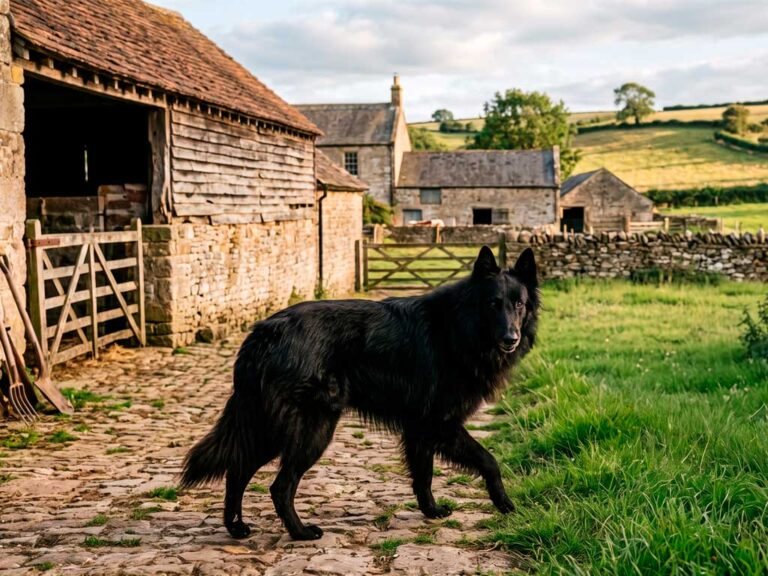
This breed originated on the Balearic Islands of Spain, where it was bred to herd and guard livestock on rural Mallorcan farms. Its name, Ca de Bestiar, literally translates to livestock dog in the Mallorcan dialect, a direct nod to its working roots.
Unlike many old breeds whose original purpose faded over time, this one still herds and guards on the same island farms today. It stands as one of the few officially recognized native Spanish breeds that has held onto its traditional role, and locals consider it a genuine cultural symbol of Mallorca.
Physical Characteristics
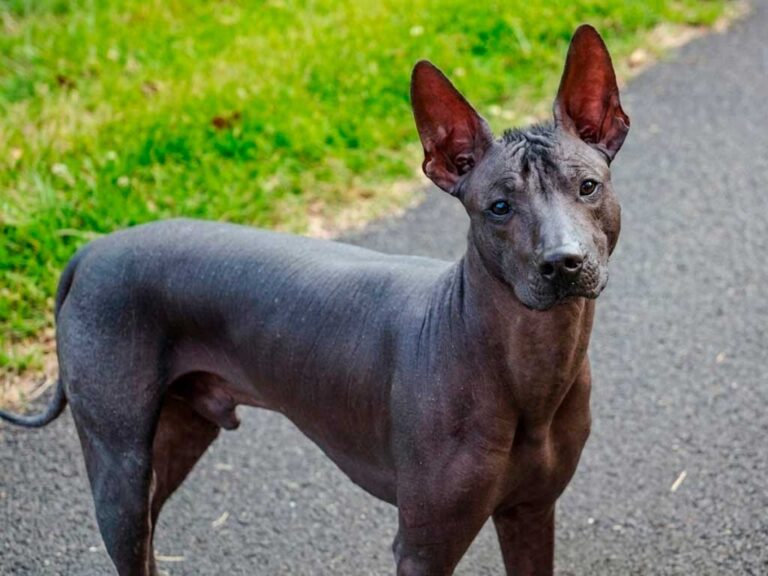
A muscular, athletic body built for both stamina and agility defines this breed’s frame. Its head is broad, with small drop ears and dark eyes that give it a sharp, determined expression.
The coat itself is short, dense, and glossy, well suited to the warm Mediterranean climate of its homeland. That striking, imposing look reflects the working guardian this breed was built to be.
Temperament and Personality
Confident yet gentle with its own family, this breed carries a strong protective streak balanced by genuine affection. It stays alert to anything unusual, functioning as a natural watchdog without needing formal guard training.
Around children, it tends to show patience and care, making it a solid family companion. Early socialization still matters, since its protective nature can tip into excessive territorial behavior without it, and other pets usually integrate fine with proper introductions.
Care Guide
Diet and Nutrition
Choose a balanced diet formulated for large, active breeds to support this dog’s energy needs and joint health. A veterinarian can help fine-tune portions and ingredients as your dog grows and ages.
Split meals into two servings a day and keep fresh water available at all times. Regular weigh-ins help catch weight changes early in such a muscular, active breed.
Exercise Requirements
This breed carries high energy levels and needs regular physical activity to stay balanced and content. Long walks, interactive games, and open outdoor time all help burn off that energy.
While it can adapt to indoor living, it still needs regular access to open space where it can move freely. A securely fenced yard gives it room to patrol, which suits its natural guardian instincts well.
Grooming Needs
The short coat stays fairly low-maintenance, needing only a weekly brush to remove dead hair and keep it clean. That said, weekly grooming sessions also give you a chance to check for ticks, cuts, or other skin issues.
This breed isn’t considered hypoallergenic, so allergy sufferers should spend time with one before adopting. Routine grooming remains far simpler here than with longer-coated large breeds.
Training and Education
Intelligence and eagerness to learn make this breed genuinely easy to train, especially with positive reinforcement methods. Teach basic and advanced commands early to keep its sharp mind engaged and satisfied.
Early socialization across different people, animals, and environments helps prevent overly territorial habits later on. A well-socialized dog of this breed adapts smoothly to family life while still keeping its natural watchfulness intact.
Health and Longevity
Like many large breeds, this dog can be prone to hip dysplasia and other joint issues over time. Routine veterinary checkups help catch these problems early, particularly as the dog ages.
Ask breeders about hip screening and other health testing before choosing a puppy. This article offers general information only and does not replace guidance from a licensed veterinarian, who can evaluate your dog’s specific health needs.
Is This the Right Dog for You?
This breed suits active families who can offer daily exercise, consistent training, and space to roam, ideally with some outdoor access. Its natural patience with children makes it a strong match for households with kids, provided early socialization happens.
Apartment life works only with a serious commitment to daily outdoor time, since this breed struggles without room to move. Owners who want a loyal, watchful companion and don’t mind a bit of natural wariness toward strangers will find a devoted partner in this native Spanish breed.
Frequently Asked Questions
Is the Ca de Bestiar good for families?
Yes. Its protective, affectionate nature makes it an excellent companion for active families, and it tends to be patient and careful with children.
How much exercise does a Ca de Bestiar need?
Plan on daily physical activity, including walks, interactive play, and outdoor time. This high-energy breed needs a consistent outlet to stay balanced.
Is the Ca de Bestiar easy to train?
Generally, yes. Its intelligence and eagerness to learn make it responsive to positive reinforcement training.
Can a Ca de Bestiar live in an apartment?
It can adapt, but it isn’t ideal. This breed does best with regular access to open outdoor space to release its energy.
Is the Ca de Bestiar a good guard dog?
Definitely. Its protective instinct and natural wariness toward strangers make it a dependable guardian for family and home.
If you’re drawn to native herding breeds with strong protective instincts, the Catalan Sheepdog shares a similar working heritage and makes a natural next read. Not sure which breed fits your lifestyle? Browse the full Dog Breeds hub or take the Dog Breed Quiz to find your match.