Whippet Dog Breed: 7 Essential Facts Before You Adopt
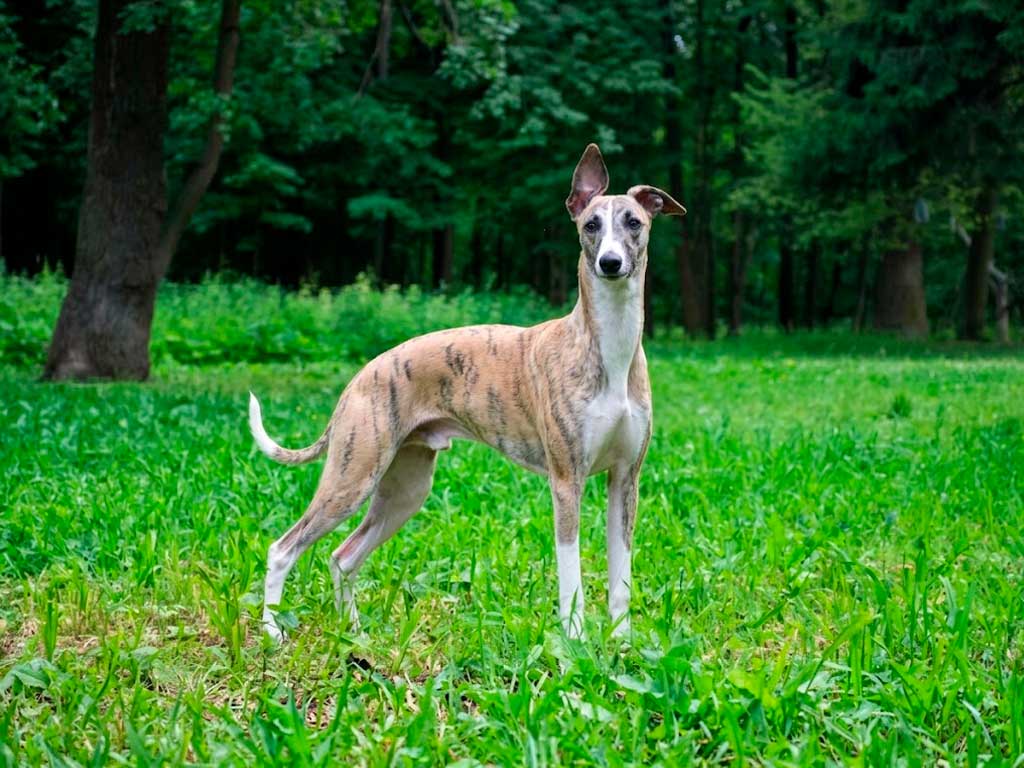
Could a dog that can sprint at around 35 miles per hour be happy spending most of the afternoon asleep on your sofa? That’s the Whippet for you. The Whippet dog breed combines an athlete’s body with a gentle temperament, and that contrast is part of what makes these dogs so appealing.
Whippets were developed for hunting and racing, but many settle into domestic life remarkably well. They enjoy a good run, appreciate a comfortable place to sleep and often want to stay close to their favourite people.
There are a few things worth knowing before you bring one home, though. Their instinct to chase, sensitivity to cold and need for secure exercise areas all deserve some thought.
Quick Facts About the Whippet
| Characteristic | Details |
|---|---|
| Breed group | Hound / sighthound |
| Size | Medium |
| Typical weight | Around 25–40 pounds |
| Height | About 18–22 inches, depending on sex and breed standard |
| Coat | Short, fine and smooth |
| Coat colours | Many colours and combinations |
| Life expectancy | Around 12–15 years |
| Daily exercise | Around one hour, with opportunities to run safely |
| Grooming | Usually minimal |
| Temperament | Affectionate, gentle and athletic |
These figures are general breed guidelines. Individual dogs vary, and kennel club standards differ slightly between countries. The AKC breed profile provides further details about size, appearance and temperament.
1. A Racing Dog With Working-Class Roots
The Whippet’s history is closely tied to working communities in England.
During the nineteenth century, the breed became popular among working people, particularly in northern England and Wales. These dogs were used to hunt small game and took part in racing competitions. Their speed made them valuable, while their relatively modest size made them easier to keep than larger racing hounds.
Whippets share ancestry with Greyhounds. Both belong to the sighthound family, a group of dogs that rely heavily on vision and speed when pursuing moving prey.
The resemblance is obvious when you see them standing side by side. Whippets have long legs, a deep chest, a narrow waist and a flexible, muscular body.
Their build serves a purpose. They can accelerate quickly, change direction and cover ground with impressive efficiency.
The American Kennel Club notes that Whippets can reach speeds of approximately 35 miles per hour. That is fast enough to make an unsecured area or an open gate a serious concern for owners.
2. What Is a Whippet’s Temperament Like?
Whippets are generally affectionate, quiet and gentle with their families. Many enjoy being near their owners without demanding constant entertainment.
You might find one following you from room to room, then settling into a warm bed while you work. Give it the opportunity to run, and its behaviour can change in seconds.
That contrast is normal for a sighthound.
At home: Many Whippets are relaxed and happy to rest for long periods.
Outside: Moving animals, toys and fast-running dogs can bring out their chasing instinct.
Around strangers: Some are friendly straight away, while others need time to feel comfortable.
Whippets are not usually known for excessive barking. Still, individual dogs can be vocal, especially when bored, anxious or excited.
They also tend to form close bonds with their families. Long periods alone may be difficult for some, so it is worth thinking about your daily schedule before adopting one.
A Whippet can suit a quieter household very well. It still needs companionship, training and regular activity.
3. Exercise: More Than a Walk Around the Block
Most adult Whippets need around an hour of daily exercise, although age, fitness and individual temperament affect the amount they need.
A practical routine might include two walks, opportunities to sniff and explore, and a short session of running or chasing a toy in a secure area.
The important distinction is that Whippets are sprinters. They enjoy running fast, but they do not necessarily need to run continuously for hours.
Keep running areas secure
A Whippet may notice a rabbit or squirrel before you do. If it starts chasing, its speed can make recall difficult, even with consistent training.
For that reason:
- Keep your dog on a lead near roads and in other unsecured places.
- Choose fully enclosed areas for off-leash running.
- Check fencing for gaps and make sure gates latch securely.
- Practise recall with rewards, beginning in quiet, controlled settings.
Do not assume a fenced garden is escape-proof simply because it looks adequate. Some Whippets can jump surprisingly well.
You can also try activities such as lure coursing, which allows sighthounds to follow an artificial moving lure in a controlled setting.
Once the day’s activity is over, many Whippets are perfectly content to rest indoors. That makes them adaptable companions for people who enjoy regular walks but do not want a dog that needs constant high-intensity exercise.
4. Feeding and Nutrition
A Whippet needs a complete, balanced diet suited to its age, body condition and activity level.
Its lean appearance can make it difficult for new owners to judge whether it is at a healthy weight. You should be able to feel the ribs without pressing hard, but a veterinarian can help assess your dog’s body condition and determine an appropriate weight range.
How often should a Whippet eat?
Most healthy adult dogs do well with two meals a day. Puppies need a feeding schedule appropriate to their age and growth, so follow your veterinarian’s advice.
Measure portions rather than estimating them by eye. Treats count towards daily calorie intake, too.
A few useful habits:
- Choose a nutritionally complete food appropriate for your dog’s life stage.
- Keep fresh water available throughout the day.
- Adjust portions if your dog’s weight or activity level changes.
- Avoid strenuous exercise immediately after meals.
There is no need to choose a small-breed formula simply because the Whippet has a slender frame. It is a medium-sized dog, and its nutritional needs should guide your choice.
For more guidance, see our dog nutrition guide.
5. Grooming, Cold Weather and Comfortable Bedding
Whippets are relatively easy to groom. Their short, fine coat usually needs little more than a weekly brush to remove loose hair and keep the skin in good condition.
A soft brush or grooming mitt is a sensible choice. Check the ears regularly, trim the nails when needed and bathe your dog when its coat becomes dirty.
The bigger consideration is comfort.
Do Whippets get cold easily?
Yes, many are sensitive to cold weather. Their lean bodies, short coats and low body fat provide less insulation than the coats of many other breeds.
A well-fitting dog coat can help during chilly walks. In very cold conditions, keep outings shorter and watch for signs that your dog wants to come inside.
Whippets also appreciate soft, padded bedding. Their prominent joints and lean bodies may make hard floors uncomfortable during long periods of rest.
At home, give yours a warm sleeping spot away from draughts. It may decide your sofa is even better, so set household furniture rules early if that matters to you.
6. Health Considerations: What Owners Should Know
Whippets are generally considered a healthy breed, and many live well into their teens. They still need routine veterinary care and sensible precautions around exercise.
Their thin skin can be vulnerable to cuts and scrapes, especially when they run through thorny vegetation or rough ground. Check for injuries after outdoor adventures.
Other considerations include:
- Eye health: Some inherited eye conditions occur in the breed. Ask a responsible breeder about relevant screening for the parents.
- Heart health: Heart conditions, including mitral valve disease, have been reported in Whippets. Routine veterinary examinations can help identify concerns.
- Exercise injuries: Fast running on uneven or hazardous ground can lead to injuries. Inspect off-leash areas before letting your dog sprint.
- Dental care: Like other dogs, Whippets benefit from regular dental checks and a suitable tooth-cleaning routine.
Before buying a puppy, ask the breeder which health checks have been performed and request the results. If you adopt an adult dog, obtain its available veterinary history.
Schedule regular checkups and contact your veterinarian if you notice persistent changes in appetite, movement, vision or energy. This guide provides general information, not a diagnosis or a substitute for veterinary advice.
For further details, consult the PDSA Whippet health guide and the American Whippet Club’s health information.
7. Are Whippets Good Family Dogs?
Whippets can make lovely family companions. Their gentle nature and relatively quiet behaviour often suit households looking for an affectionate dog that can relax indoors.
However, the match depends on the people and animals in the home.
Whippets and children
Many Whippets do well with children who understand how to handle dogs gently. Because the breed can be sensitive and physically lean, rough play, grabbing and chasing should be discouraged.
Supervise interactions, particularly with young children. Every dog needs a place to retreat when it wants some peace.
Whippets and cats
Some Whippets live successfully with cats, particularly when they have been introduced carefully and raised together.
Their prey drive makes the situation less predictable, though. A cat that runs can trigger chasing, even if the dog has seemed relaxed around it before.
Introduce animals gradually and supervise them. Never assume that a successful first meeting guarantees safe behaviour later.
Whippets and small pets
Rabbits, guinea pigs and other small animals may trigger a strong hunting response. In many homes, keeping them physically separated is the safest option.
Can a Whippet live in an apartment?
Yes. A Whippet can adapt to apartment life if it receives enough exercise, regular outdoor opportunities and a comfortable place to rest.
A large garden is not a substitute for walks and interaction. Equally, living in a flat does not automatically rule out this breed.
The key question is whether you can provide safe running opportunities and meet the dog’s daily needs.
Frequently Asked Questions
The following answers cover common questions prospective Whippet owners ask.
Is the Whippet the Right Dog for You?
A Whippet may be a good match if you want an affectionate companion that enjoys outdoor activity and settles comfortably at home. You will need to take its chasing instinct seriously, protect it from cold weather and provide regular opportunities to run safely.
Think about your routine before choosing a puppy or adopting an adult dog. Can you manage daily walks, secure exercise and time together at home?
If the answer is yes, start by meeting Whippets through a reputable rescue organisation or responsible breeder. Ask questions about temperament, health history and the dog’s behaviour around other animals.
You can also explore our guides to the Afghan Hound, Pharaoh Hound and Sloughi to learn about other sighthounds.
Browse the full dog breed library to compare more options before deciding which dog suits your home.