Japanese Akita Dog Breed: The Complete Guide to Japan’s Most Noble Dog
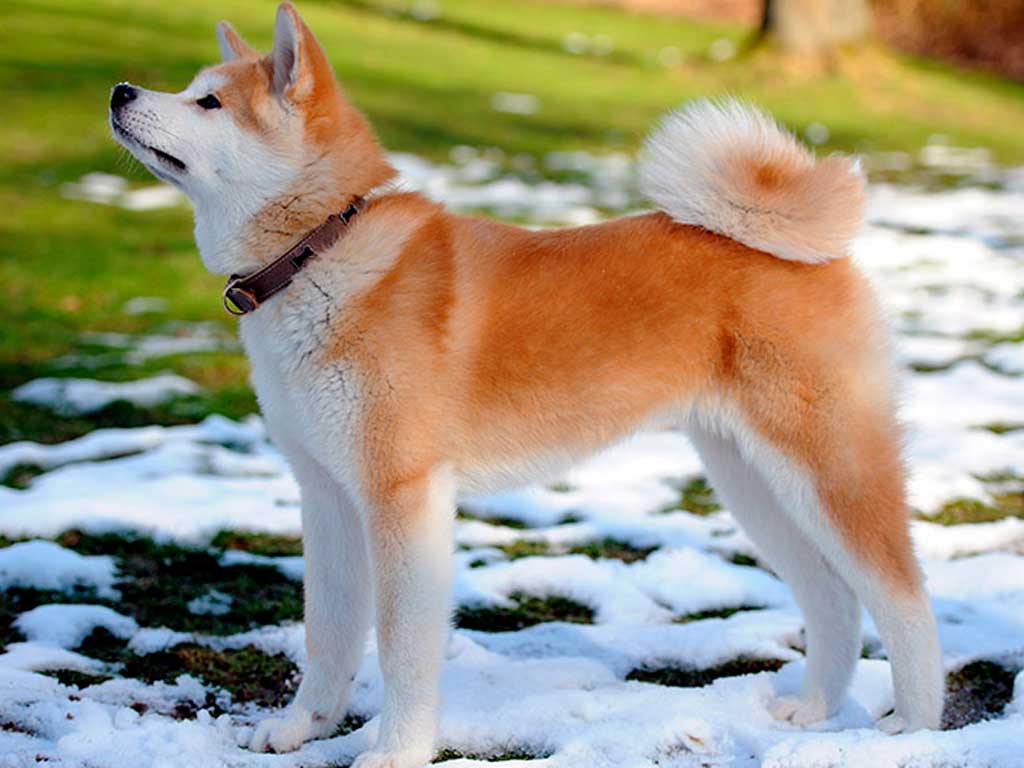
The Japanese Akita, the Akita Inu, is a spitz in FCI Group 5, section 5, among the Asian breeds, with no working trial, and its utilization is two words: companion dog. Dogs stand 67 cm (26.4 in) and bitches 61 cm (24.0 in), with a tolerance of three centimetres either way, and the FCI standard gives no weight.
The colours are red fawn, sesame, brindle and white, and every colour except white must have urajiro, the white ventral marking that runs from the cheeks to the muzzle and down the chest and belly. The temperament is composed, faithful, docile and receptive, with high nobility and dignity in modesty, and shyness is a fault.
It is a Japanese breed with a Japanese standard, and the Western dog that most people picture when they say Akita is a different breed with a different number.
Nine Years at Shibuya
The Akita’s fame is one dog’s biography, and it is documented. Hachikō was born in November 1923 near Ōdate, in Akita Prefecture, and was owned by Hidesaburō Ueno, a professor of agriculture at Tokyo Imperial University.
Ueno died of a cerebral haemorrhage on 21 May 1925. Hachikō went on returning to Shibuya station, and in 1932 an article by Saitō Hirokichi in the Asahi Shimbun made him a national figure. A bronze statue by Teru Andō was unveiled on 21 April 1934, with the dog present; it was scrapped during the war and replaced on 15 August 1948. Hachikō died on 8 March 1935, and his ashes were interred beside his owner at Aoyama Cemetery.
There is a detail that says more about the story than the story does: the mounted pelt keeps both ears erect, while the Shibuya statue reproduces the droop of his left ear.
| Feature | Japanese Akita |
|---|---|
| FCI group | Group 5, section 5, Asian spitz |
| Official use | Companion dog |
| Working trial | Not required |
| Height | Dogs 67 cm (26.4 in), bitches 61 cm, tolerance 3 cm |
| Weight | Not stated in the standard |
| Coat | Dense double coat, straight and harsh |
| Colour | Red fawn, sesame, brindle, white, with urajiro |
The clip shows the American Akita, not the Japanese breed described on this page.
Two Breeds Called Akita
This is the part the Hachikō story hides. The Japanese Akita is FCI standard 255. The American Akita is a separate breed, FCI standard 344, and the differences are not cosmetic.
The American Akita accepts any colour, including pinto, and a black mask; it stands 66 to 71 cm for a male and 61 to 66 cm for a bitch. The Japanese Akita accepts four colours, requires urajiro on three of them, and disqualifies a black mask.
The clip above shows the American Akita, not the Japanese breed described on this page. Watch it for the size and the head, not for the colour.
The Skin That Loses Its Oil
Sebaceous adenitis is an inflammatory disease of the oil glands of the skin, and the Akita is one of the breeds in which it is well documented. A study of 97 Akitas found 23 of them, or 24%, histologically affected, with an inheritance pattern consistent with an autosomal recessive trait.
The signs are easy to dismiss as poor grooming: a dull coat, a moth-eaten look along the back, scaling, and a smell. The hair that falls out does not grow back while the disease is active.
The diagnosis needs a skin biopsy, not a shampoo. A breeder with a history of the condition in the line should be able to say so, and a buyer should ask.
In the House
The standard’s temperament words are the right ones for a house: composed, faithful, docile and receptive, with dignity in modesty.
| Situation | What to expect |
|---|---|
| A visitor at the door | Watched in silence, and not approached until you allow it |
| Children of the family | Patient and steady, and protective of its own people |
| Another dog | Difficult with the same sex, and easier with the opposite |
| A cat or a small pet | A hunting instinct that needs managing |
| A day alone | Tolerated well, because this is a quiet dog |
The Health List
The skin comes first, with sebaceous adenitis at 24% in one study, and the eyes second: the ECVO lists entropion in the breed as presumed hereditary and developing early in life, which is why a puppy’s eyelids should be checked before it leaves the breeder.
The third item is the immune system. Uveodermatologic syndrome, a condition that attacks both the eye and the pigment of the skin, has been associated with a DLA haplotype that carried a relative risk of 15.3 in one study of the American Akita.
Hips are less of an issue than in most large breeds, and bloat is the emergency that a deep-chested dog carries.

Lemonade Pet Insurance
Explore customizable pet insurance coverage and learn whether Lemonade is the right fit for your dog or cat.
- Customizable coverage options
- Online policy management
Coat, Ears, and the Heat
The Coat Blows Twice
A dense double coat with a soft undercoat, which leaves in spring and arrives in autumn. A rake and a comb during the blow, and a weekly brush in between.
The Ears Are Small and Thick
They are erect, triangular and tilted forward, and they need a weekly look inside. They are also a good indicator of mood, which is useful with a quiet dog.
Heat Is the Season to Plan
A double coat and a heavy body means a summer of shade, cold water and walks at the ends of the day. The breed does not pace itself in the heat, so the owner has to.
Training a Composed Dog
The breed is docile and receptive, which is not the same as eager to please. It learns a rule and keeps it, and it does not enjoy repetition for its own sake.
Short sessions with a real reward work, and a raised voice does not. An Akita that has been handled roughly becomes a dog that complies while it is watched.
Socialisation is the part that decides the adult, because the breed’s reserve can harden into suspicion. The breed’s reserve hardens early, so a puppy that has met a hundred people and a dozen dogs by sixteen weeks is a different animal at two.
Feeding a Heavy Spitz
Food is weighed and split into two servings, and the bowl is lifted at the end of each, because a deep chest and a gulped dinner are a bad mix.
The breed is heavily built and gains weight quietly under the coat, so the check has to be done with the hands: ribs under the hair, a waist behind them.
Fresh water always available, and quiet before and after food.
Shop for Your Breed

Just Food For Dogs – Fresh Frozen
Fresh meals. Gently cooked, then frozen to lock in nutrients. 100% Human Grade Ingredients. Gently Cooked in the USA. #1 Vet-Recommended Fresh Food.
Shop on JustFoodForDogs
Raw Paws Pet Food – Frozen Raw Pet Food
Feeding your pet a frozen raw pet food diet is a simple way to deliver real, whole-food nutrition in its most natural form.
Shop on RawPawsPetFood
Bravecto Chews for Dogs
Bravecto is a long-lasting flea and tick protection option for your dog. 1 dose of Bravecto chew provides up to 12 weeks of powerful protection, which is nearly 3 times longer than a monthly treatment.
Shop on BestVetCare.com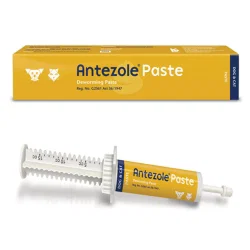
Deworming Treatments for Dogs
BestVetCare offers you a wide range of worm treatments which come in a variety of forms such as oral paste, tablets, granules, and liquid solutions.
Shop on BestVetCare.comHappyPetZone participates in various affiliate programs with brands and retailers. We may receive a commission on purchases made through our links, at no extra cost to you.
The Decision
| What it asks | What you get |
|---|---|
| A skin history from the breeder | A sebaceous adenitis risk that is at least known |
| An eyelid check on the puppy | An entropion found before it scars the eye |
| A quiet household with a routine | A composed dog that keeps its own counsel |
| A fence and a lead | A hunting instinct kept under control |
| Acceptance of reserve | A dog that chooses its people and stays |
For the other Asian breeds, see the dog breeds hub.
The Other Asian Spitz
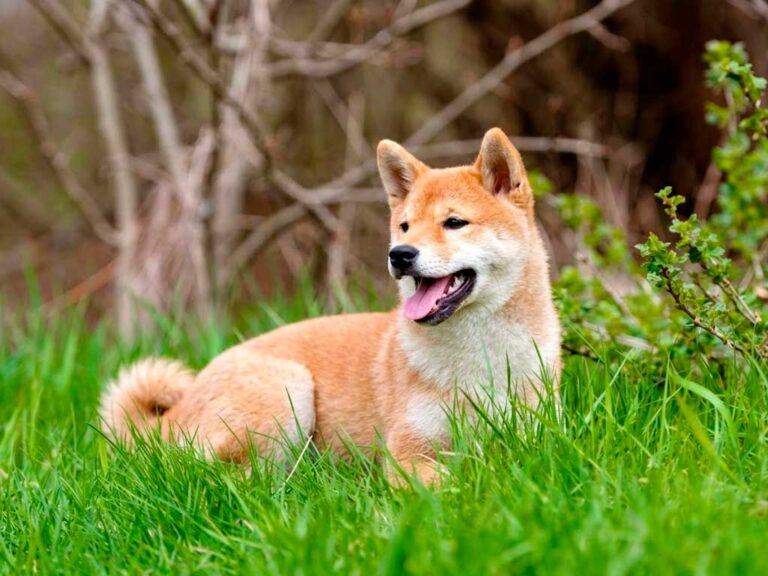
- The Shiba Inu is the small Japanese spitz, and the closest relative in temperament.
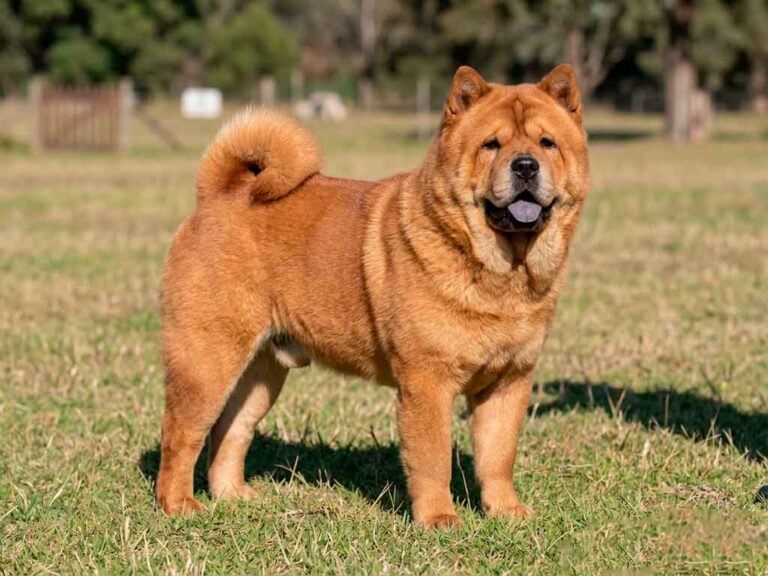
- The Smooth Chow Chow is the other Asian guard spitz, with a shorter coat and the same reserve.
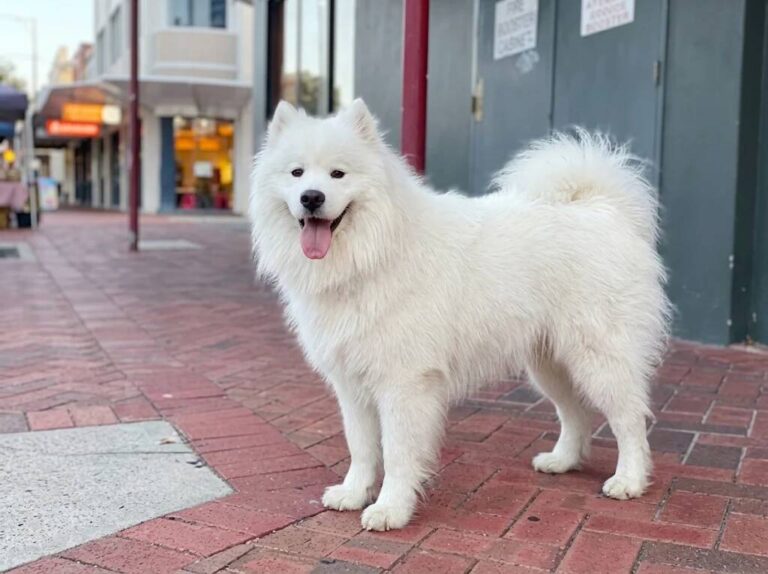
- The Samoyed is the white working spitz, and the friendliest dog in the group.
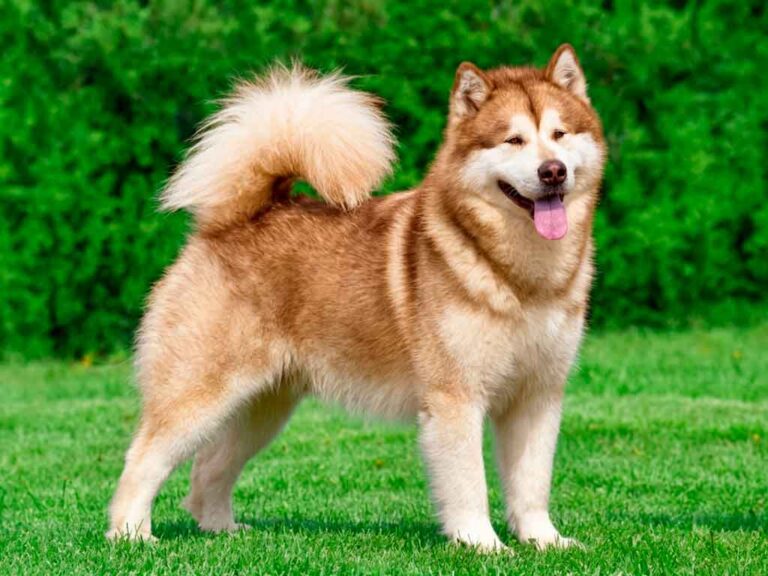
- The Alaskan Malamute is the Arctic freighter, a dog of snow and teams.
Frequently Asked Questions
Sources
- Fédération Cynologique Internationale, Japanese Akita breed standard No. 255, full text (2001).
- Fédération Cynologique Internationale, American Akita breed standard No. 344, full text (2026).
- Reichler, I. M. et al., Sebaceous adenitis in the Akita: 23 of 97 dogs, Veterinary Dermatology (2001).
- ECVO, Hereditary eye disease in the Akita Inu (2021).
- Angles, J. M. et al., DLA class II alleles and uveodermatologic syndrome, Tissue Antigens (2005).