Saluki: The Complete Breed Guide
Tutankhamun was buried with images of his favorite hunting dogs. Those dogs were Salukis — and that’s how far back this breed’s story goes.
Here’s everything you need to know about one of the oldest dog breeds still around today.
History and Origin
The Saluki was bred by Bedouin hunters in the desert for thousands of years, prized as a food-provider rather than a pet in the earliest days. Archaeologists found a Saluki skull at Tepe Gawra in northern Iraq dating back to at least 3500 BC, which puts this breed among the very oldest in the world.
The name likely comes from Saluk or Seleucia, ancient Arabian cities. You’ll also hear this breed called the “gazelle hound” for its favorite prey, or the Persian Greyhound — I’ll dig into that naming history and the breed’s deep cultural roots in a dedicated piece, because it deserves more than a paragraph here.
Physical Characteristics
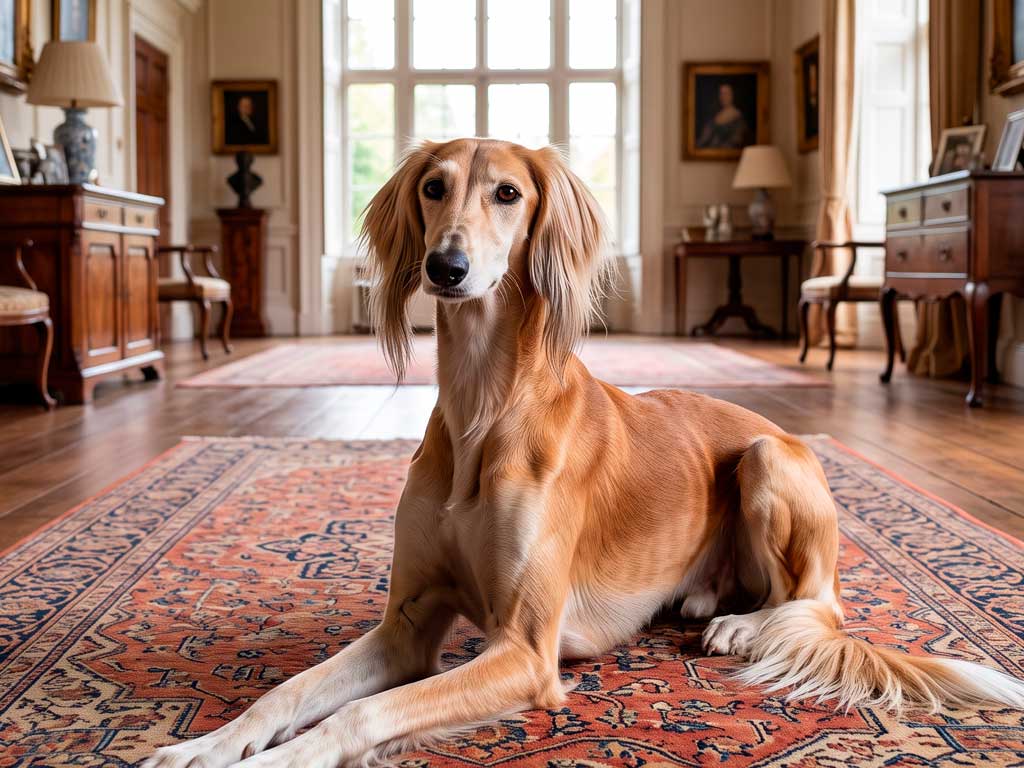
This is an elegant, athletic sighthound, built purely for speed. Males stand roughly 23 to 28 inches at the shoulder, with females a bit smaller, and adult weight ranges widely from 29 to 66 pounds depending on the individual dog.
The coat comes in nearly any color except brindle, and there are two coat types: a feathered variety with longer hair on the ears, legs, and tail, and a smooth variety without it. I’ll break down every color and coat combination in a dedicated guide soon.
Temperament and Personality
Here’s the thing — Salukis are reserved, even with people they know well. Like most sighthounds, they carry themselves with a quiet, dignified independence rather than eager, in-your-face affection.
That independence has a soft spot, though: Salukis genuinely dislike being left alone and can grow anxious with too much separation from their people. With their own family, they’re deeply affectionate, just selective about who earns that warmth.
Care Guide
Diet and Nutrition
A balanced diet with proper nutrient ratios matters for any dog, but especially for a lean athlete like this one. Split meals into two feedings a day and keep fresh water available at all times.
Exercise Requirements
Plan on two hours or more of daily exercise, including real off-leash running time. This breed is a genuine sprinter, so that running needs to happen in a securely fenced area — the prey drive is strong enough that a rabbit or squirrel will override almost anything you’re shouting.
Trust me on this one: recall training isn’t optional here. Once the exercise is done, though, a Saluki turns into one of the calmest, most relaxed dogs in the house.
Grooming Needs
This is refreshingly low-maintenance. A couple of brushing sessions a week handles it, with extra attention to the feathered areas on coated Salukis, since that’s where tangles tend to form.
Training and Education
Salukis are intelligent but not eager-to-please in the way retrievers are, so training rewards patience over repetition. Positive reinforcement works best, and short sessions hold their attention far better than long ones.
Early socialization matters given their natural reserve with strangers. Introduce new people and situations gradually, and don’t force interactions this breed isn’t ready for.
Health and Longevity
Salukis are a generally hardy breed with a lifespan of 12 to 14 years. Heart conditions are among the more serious health concerns to watch for in this breed specifically.
This article offers general, informed guidance rather than a diagnosis. Talk to a licensed veterinarian about cardiac screening and any health concerns specific to your dog.
Bringing One Home
Pricing varies significantly by breeder, lineage, and coat type, and I’ll walk through realistic numbers in a dedicated cost guide. Adoption is also genuinely worth exploring — sighthound-specific rescues place Salukis of all ages, and I’ll cover exactly where to look in an upcoming piece.
Is This the Right Dog for You?
If you want a quiet, dignified companion who needs serious running room and doesn’t crave constant physical affection, the Saluki is a genuinely rewarding match. Families with a securely fenced yard and patience for an independent personality tend to do best.
If you’re picturing a velcro dog that greets every stranger with enthusiasm, this isn’t your breed — and that’s worth knowing before you fall for those famously elegant looks.
Frequently Asked Questions (FAQs)
Is a Saluki the same as a Persian Greyhound?
Yes — Persian Greyhound is simply an older, alternate name for the Saluki, not a different breed. Both terms describe the same ancient sighthound.
Are Salukis good with children?
They can be, though supervision matters given their size and independent nature. Salukis tend to do better with older, calmer children than with toddlers.
How fast is a Saluki?
Genuinely fast — this is a purpose-built sprinting sighthound historically used to run down gazelles, among the quickest dog breeds in the world.
Do Salukis shed a lot?
Relatively little for a dog this size. A couple of weekly brushing sessions keeps shedding well managed.
Give this breed room to run, a securely fenced yard, and respect for its independent streak, and you’ll have a calm, elegant companion with thousands of years of history behind it.