Irish Terrier Dog Breed: The Red Devil That Served in World War I
During World War I, this breed carried messages across the battlefield when radio lines failed, trusted for its courage under fire. The Irish Terrier dog breed earned its nickname “Red Devil” long before that war, but the wartime service only added to a reputation for genuine bravery.
That fierce nickname is a bit misleading, though. Here’s what the real dog behind it is actually like.
History and Origin
This breed likely originated in County Cork, making it one of Ireland’s oldest native breeds, and probably descends from the now-rare old black and tan terrier. It was originally known as the Irish red terrier before adopting its current name to avoid confusion with other Irish terrier breeds.
Trust me on this one: that “Red Devil” nickname comes almost entirely from legendary courage, not actual temperament. In Africa, hunters valued this breed enough to bring it along on lion hunts, and during World War I, it served as a messenger dog, delivering communications across dangerous ground when other methods failed.
Physical Characteristics
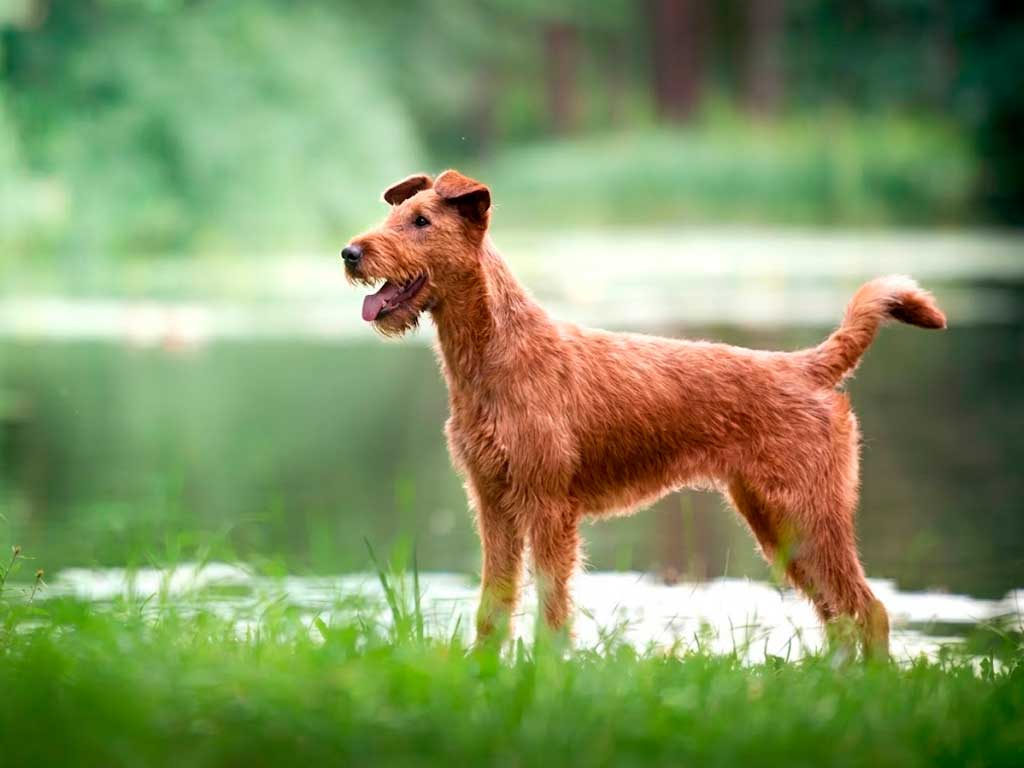
This is an elegant, medium-sized terrier with a hard, wiry coat in red, red-wheaten, or golden-red. Adult males stand around 19 inches tall and females about 18 inches, weighing 24 to 27 pounds.
Temperament and Personality
Despite the fierce nickname, this breed doesn’t really deserve it. Here’s the thing — it can be a bit reckless and mischievous, and it does have a reputation for occasional scuffles with other dogs, but with people it’s a fun, devoted, genuinely good-natured companion.
That dog-to-dog friction is worth taking seriously in public settings, though it doesn’t reflect how this breed treats its own family.
Care Guide
Diet and Nutrition
A properly balanced diet with all the core nutrient groups matters here, along with fresh water always available. Feed twice daily following your food’s specific guidelines, and check body condition regularly. Our full nutrition guide covers the fundamentals.
Exercise Requirements
An hour of daily exercise covers most adults. Given that reputation for occasional dog-to-dog friction, keep this breed leashed in public spaces with other dogs around, and save off-leash time for areas where it won’t cross paths with unfamiliar dogs.
Grooming Needs
Brushing a couple of times a week keeps the wiry double coat in decent shape, and hand-stripping the dead hair two or three times a year keeps it properly maintained between full grooms.
Health Considerations
This breed is generally healthy and robust. The main hereditary condition to know about is hyperkeratosis, which causes cracking in the paw pads, though careful breeding has made it increasingly uncommon.
This isn’t meant as medical advice, just a heads-up worth knowing before you commit. Ask your vet about paw pad checks at routine visits, especially as your dog ages.
Is This the Right Companion for You?
An Irish Terrier dog breed suits an active household that’s prepared for a spirited, occasionally mischievous companion and can manage introductions to other dogs carefully. If you’re looking for a dog that’s naturally easygoing with every dog it meets, this probably isn’t your breed.
Curious about other Irish breeds with real character? The Irish Setter shares the same homeland with a very different personality, and the Irish Wolfhound is another legendary Irish breed worth comparing. Browse the full dog breed library or try the Dog Breed Quiz to keep exploring.
Frequently Asked Questions
Why is the Irish Terrier called the Red Devil?
The nickname comes from its legendary courage and reddish coat, not from an aggressive temperament. With people, this breed is genuinely fun and devoted.
Did the Irish Terrier really serve in World War I?
Yes. This breed worked as a messenger dog during the war, carrying communications across the battlefield when other methods weren’t reliable.
Is the Irish Terrier good with other dogs?
It can have occasional friction with unfamiliar dogs, so careful introductions and leashed walks in public spaces are worth prioritizing.
How much exercise does an Irish Terrier need?
About an hour daily is generally enough. This breed appreciates active walks and playtime, ideally in spaces without a lot of other dogs around.
For a small terrier with a genuinely remarkable wartime legacy, the Yorkshire Terrier includes Smoky, a real WWII hero who flew 12 combat missions and became the first documented therapy dog.