Spanish Hound: The Complete Breed Guide
A king wrote about this dog back in the 1300s.
The Spanish Hound has been a serious hunting companion for over 700 years, and it’s still doing the same job today — following scent trails across rough terrain with a nose that rarely quits.
What Makes the Spanish Hound Unique
King Alfonso XI described this breed in the 14th century, which makes it one of the oldest documented hound breeds in Europe. It was built for big-game blood tracking as much as small-game hunting, and that dual purpose shaped the whole dog.
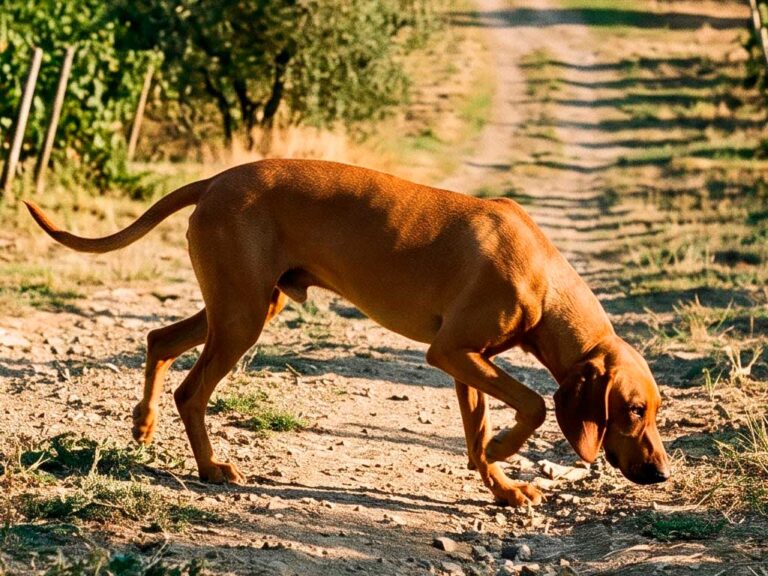
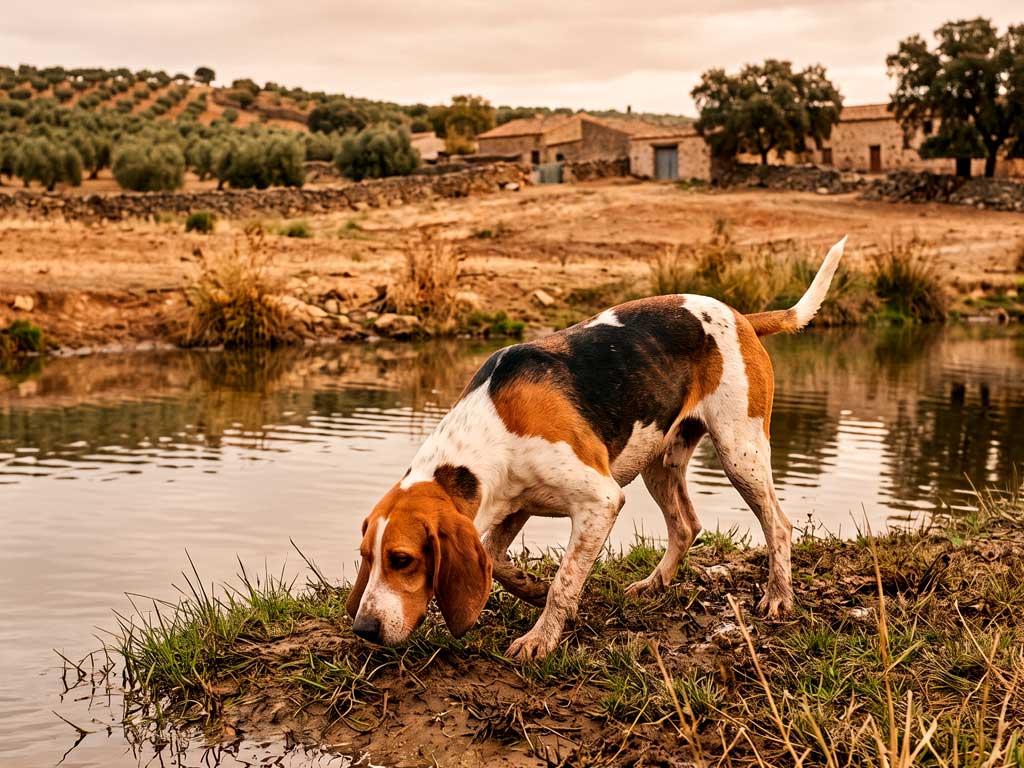
The look is distinctive once you know it: a long, rectangular body, big drooping ears that twist in a loose corkscrew, and a short coat that’s almost always white with orange or reddish-brown markings. Those long ears aren’t just for show — they help funnel ground scent up toward the nose.
Common Challenges and How to Handle Them
Here’s the thing — this is still a working scent hound at heart, even in a family setting. Give it a strong smell to follow and recall training becomes a real project, not a given.
A few things that make ownership smoother:
- Start recall training early, before that nose-driven independence sets in
- Socialize with other dogs from puppyhood — this breed genuinely does better with canine company
- Never rely on an off-leash recall near open, scent-rich terrain until it’s truly proven
- Supervise time with very young kids, simply because this is an active, expressive dog that doesn’t always self-regulate
Trust me on this one: a Spanish Hound that’s mentally engaged is a completely different dog from one left to entertain itself.
Daily Care Essentials
Exercise and Activity
Plan on an hour or two of real activity daily. This breed does best with actual scent work, tracking games, or serious off-leash time in a securely fenced area, not just a lap around the neighborhood.
It adapts reasonably well to both rural and urban living, but only if that exercise need genuinely gets met. Skip it consistently, and you’ll see the frustration show up in other ways.
Grooming
This is refreshingly low-maintenance. A weekly brush handles the short coat just fine, and this is a good moment to check those long ears and paws for anything that needs attention.
Health Considerations
The Spanish Hound is a generally sturdy breed, typically living 10 to 14 years. Hip dysplasia shows up with some regularity, as it does in most active medium-to-large breeds, and those long, heavy ears can be more prone to infections without regular checks.
This article offers general, informed guidance rather than a diagnosis. Talk to a licensed veterinarian about hip screening, ear care, and any health concerns specific to your dog.
Frequently Asked Questions (FAQs)
Is the Spanish Hound good with families?
Yes, genuinely. It’s typically patient and affectionate with children and adapts well to active households, as long as its exercise needs are met.
Is the Spanish Hound hard to train?
Not particularly — it’s intelligent and responds well to positive reinforcement. The real challenge is recall around strong scents, not general obedience.
Can a Spanish Hound live in an apartment?
It can adapt, but it’s not ideal. This breed does best with regular access to open space where it can move and use its nose freely.
Is the Spanish Hound a good guard dog?
Not by design, though its alert, expressive nature means it will typically bark to let you know something’s off, even if guarding isn’t its specialty.
Final Verdict: Is It a Good Fit?
If you want a loyal, even-tempered hound with genuine hunting heritage and you can commit to real daily exercise and early recall training, the Spanish Hound is a rewarding, family-friendly choice. Give it a job for that nose, and you’ll have a calm, devoted companion at home to show for it.