The English Pointer: A Field Athlete That Doubles as a Couch Potato
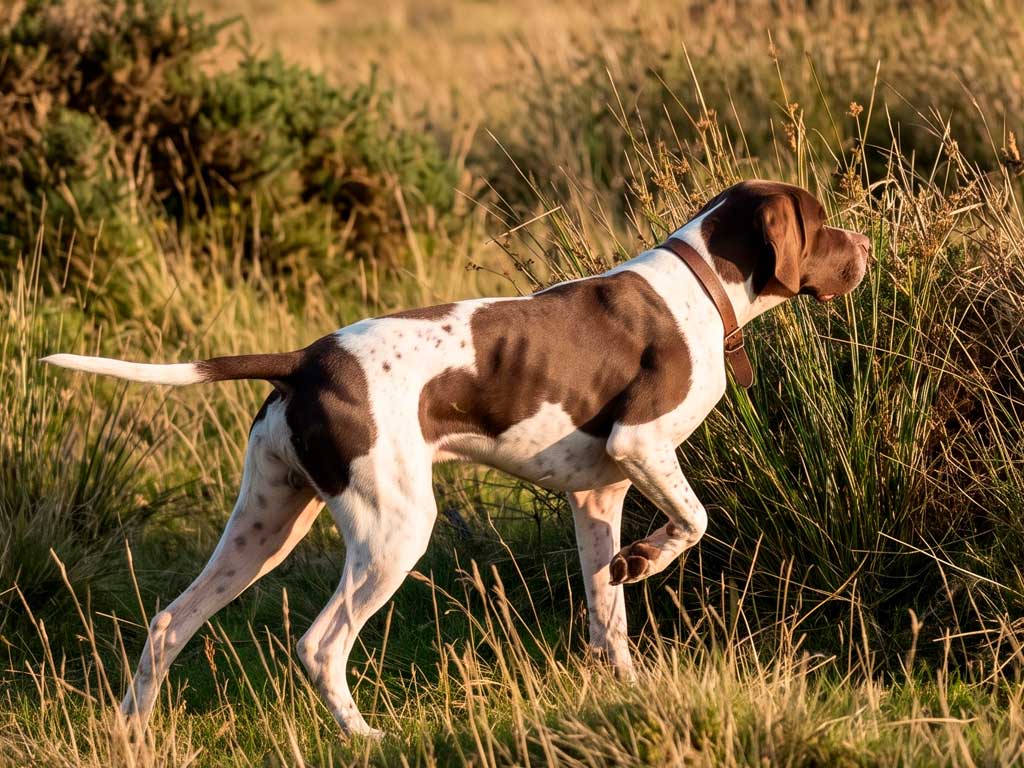
Picture a dog frozen mid-stride, nose locked on a hidden bird, one paw lifted like it’s pointing with its entire body. That instinctive stance gives the English Pointer its name, and it’s just the beginning of what makes this classic hunting breed so distinctive.
This guide covers the breed’s centuries of hunting history, its surprisingly low-maintenance grooming routine, and why it makes a far better family companion than a guard dog. You’ll also find out how this energetic athlete somehow doubles as a devoted couch potato at home.
History and Origin
The English Pointer’s exact origins remain unclear, though the breed likely descends from Spanish and other continental pointing dogs. Its documented history in the British Isles stretches back to the seventeenth century.
Early Pointers worked alongside greyhounds on hare hunts. The Pointer located the prey, and the greyhound handled the chase.
Bird hunting exploded in popularity during the early eighteenth century, and that’s when this breed’s true talents came into focus. It has remained a premier gun dog ever since.
Art offers some of the earliest evidence of this dog’s lineage. Pointer-like dogs appear in Egyptian tomb paintings roughly 3,000 years old, along with French and English artwork spanning the seventeenth through nineteenth centuries.
Physical Characteristics
This is a muscular, graceful breed built for speed and endurance in the field. Its signature stance, tail and forelegs extended, head stretched toward the prey, remains instantly recognizable.
Males stand 63 to 69 centimeters tall and weigh around 30 kilograms. Females measure 61 to 66 centimeters and weigh closer to 26 kilograms.
A smooth, short coat gives the English Pointer a glossy shine. Colors range widely, including black, lemon, liver, and orange, often combined with white and sometimes flecked with ticking.
Most English Pointers live between 12 and 17 years, an impressively long lifespan for a breed this size and this active.
Temperament and Personality
Affectionate and easygoing, this breed gets along well with other dogs and household pets when socialized early. Family activities hold particular appeal for a Pointer.
Guarding instincts stay minimal here. This breed greets nearly everyone warmly, though it will still bark when someone approaches the door.
Despite its athletic drive outdoors, the English Pointer settles happily into calm household life. Few breeds balance field energy and couch comfort quite this well.
Care Guide for the English Pointer
Diet and Nutrition
Large-appetite dogs like this one need a nutrient balance different from smaller breeds, particularly around minerals and vitamins. Bloat and other stomach issues remain a real risk for this breed.
Smaller, more frequent meals often help reduce that risk. This article offers general guidance only and does not replace veterinary advice, so check with your vet before changing any feeding routine.
Exercise Requirements
As a field breed at heart, the English Pointer needs serious daily exercise. Adult dogs in good condition typically require more than two hours of activity every day.
Off-leash time should happen regularly once puppyhood ends. Keep a close eye during those sessions, since hunting instinct can send this breed galloping off after anything interesting.
Grooming Needs
Few breeds groom as easily as the Pointer. A single brushing session during shedding season usually covers most of what this short coat needs.
Regular skin checks still matter, since this breed can be prone to skin issues. A quick once-over during grooming catches most problems early.
Training and Education
Some prior experience with dogs helps considerably when training an English Pointer. This breed responds well to structure, though a bit of patience goes a long way.
Early socialization with other animals prevents most behavioral issues down the road. A Pointer raised around other pets from puppyhood tends to coexist with them easily.
Recall training deserves special focus given this breed’s hunting drive. A reliable come command matters enormously once a Pointer gets used to running off leash.
Health and Longevity
Pointers rank among the hardier sporting breeds. Hip dysplasia remains the main condition worth screening for, so responsible breeders test hips before breeding.
This information is educational and does not replace professional veterinary advice. Routine checkups help catch mobility issues before they affect quality of life.
Is an English Pointer the Right Dog for You?
Active families who genuinely enjoy the outdoors tend to get the most out of this breed. A Pointer left without enough exercise quickly becomes restless and difficult.
This dog thrives as part of daily family activities rather than living isolated in a yard. Expect a genuinely social companion that wants to be wherever you are.
Households hoping for a serious guard dog should look elsewhere. Friendliness, not suspicion, defines how this breed treats new faces.
Frequently Asked Questions
Is the English Pointer good with children?
Generally yes, especially in households that teach kids how to interact respectfully with dogs. Adults should still supervise interactions between young children and any dog.
Does the English Pointer make a good guard dog?
Not really. This breed greets strangers warmly rather than defensively, though it may still bark when someone approaches the door.
How much exercise does an English Pointer need?
A great deal. Adult dogs typically need more than two hours of vigorous activity daily to stay balanced and content.
Is the English Pointer easy to groom?
Yes, remarkably so. The short, smooth coat needs little beyond occasional brushing during shedding season.
Can an English Pointer live with other pets?
Usually, provided socialization starts early. Most Pointers get along comfortably with other dogs and household animals once properly introduced.
Start with plenty of daily exercise and early socialization, and this breed rewards you with a loyal, easygoing companion both in the field and on the couch. Few dogs handle that dual life as gracefully as the Pointer.
Curious about other classic hunting breeds? Browse our full dog breeds hub for more guides like this one.