English Springer Spaniel: Once the Same Breed as the Cocker Spaniel
Could you keep up with a dog that wants to be outside, follow every interesting scent, and stay close to you throughout the day? The English Springer Spaniel is an affectionate, athletic sporting breed that needs plenty of exercise, training and company.
Its enthusiasm makes it a rewarding companion for active households, but its energy can be a challenge if you prefer a quiet routine.
The breed also has an interesting history. English Springer Spaniels and English Cocker Spaniels developed from closely related working spaniels, and dogs of both types once appeared in the same litters. Today, the Springer is known for its stamina, willingness to work and friendly nature.
English Springer Spaniel Quick Facts
| Trait | Details |
|---|---|
| Breed group | Gundog or Sporting, depending on the registry |
| Origin | England |
| Size | Medium |
| Typical weight | Around 18–25 kg (40–55 lb), depending on sex and type |
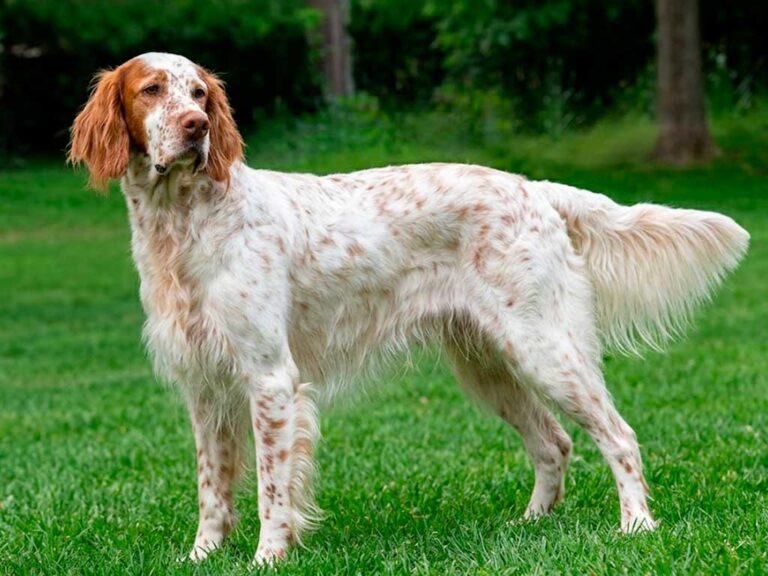
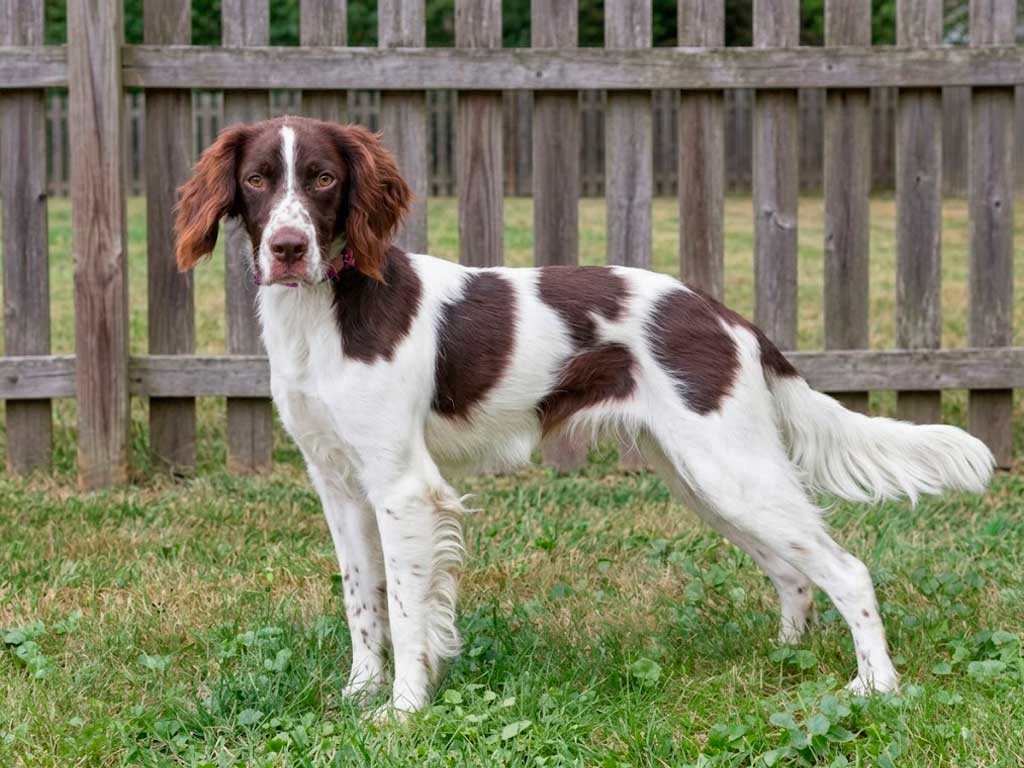
| Coat | Medium-length, flat or slightly wavy, with feathering |
| Common colours | Liver and white, black and white, and recognised roan or tricolour patterns |
| Temperament | Friendly, active, eager to learn |
| Exercise | Usually at least two hours daily |
| Grooming | Regular brushing, with extra attention after outdoor adventures |
| Life expectancy | Often over 10 years |
| Common health concerns | Hip dysplasia and certain inherited conditions |
Individual dogs vary, so use these details as a general guide rather than a substitute for advice from a veterinarian or a responsible breed specialist.
The History Behind the English Springer Spaniel
The English Springer Spaniel was developed as a working gundog. Its traditional role was to find game in dense cover and flush birds into the open for hunters. Springers also became valued for retrieving, giving them a reputation as versatile sporting dogs.
The breed’s name reflects that flushing behaviour. A dog that “springs” game helps make it take flight, allowing the hunter to follow up.
Springers and Cockers share a particularly close history. For generations, spaniels were often classified by size and working role, and smaller and larger dogs could appear in the same litter. The smaller dogs became associated with woodcock hunting, while the larger dogs were used to flush game.
The English Kennel Club recognised the English Springer Spaniel as a distinct breed in 1902. The American Kennel Club recognised it in 1910. Those dates are more accurate than the frequently repeated claim that the English Kennel Club formally separated the breeds in 1892. The American Kennel Club’s breed history provides further background.
A Breed With Famous Fans
The English Springer Spaniel has attracted well-known owners, including George W. Bush, Princess Grace of Monaco and Oprah Winfrey, according to the American Kennel Club.
The breed has also done well in the show ring. English Springer Spaniels have won Westminster Kennel Club’s Best in Show title six times, placing them among the event’s most successful breeds. Westminster’s historical records list the breed’s total.
Its working ability remains just as important as its show record. Many Springers still take part in field work and canine sports, while others live as active family companions.
English Springer Spaniel Temperament: Friendly, Focused and Energetic
English Springer Spaniels are generally friendly dogs that enjoy being involved in family life. They tend to learn readily, respond well to reward-based training and enjoy having something to do with their people.
Their working background matters. A Springer may follow a scent across the garden, become absorbed in a game of fetch or keep searching for an interesting smell during a walk. That curiosity is part of the breed’s appeal, but it also means that reliable recall takes practice.
Does an English Springer Spaniel Have an “Off Switch”?
Some Springers settle calmly at home once their needs are met. Others need more help learning when playtime is over. Temperament, age, breeding and daily routine all affect how easily an individual dog relaxes.
Exercise is important, but it is only part of the picture. Teach your dog to settle on a mat, reward calm behaviour and build quiet breaks into the day. Short scent games and simple training sessions can also help satisfy a busy mind.
A Springer that has spent the day without enough activity may look for its own entertainment. Chewing household items, digging and persistent attention-seeking can follow.
Are English Springer Spaniels Good Family Dogs?
They can be excellent companions for active families. Many enjoy playing with children and joining everyday activities, provided interactions are supervised and the dog has a safe place to rest.
Their enthusiasm can be a lot for very young children, especially when a dog gets excited and jumps up. Teach children to give the dog space while eating or sleeping, and show them how to interact gently.
Early socialisation helps Springers become comfortable around different people, environments and other animals. Introduce new experiences gradually and keep them positive.
Can They Develop Separation Anxiety?
English Springer Spaniels often form strong bonds with their families. Some may struggle when left alone, particularly if they have not learned to cope with separation gradually.
Build independence from puppyhood by practising brief, calm departures and returns. Give your dog a safe resting area and suitable enrichment when you leave. Avoid making every departure a dramatic event.
If your dog repeatedly howls, destroys doors or windows, drools excessively or panics when alone, speak with your veterinarian. These behaviours can have several causes, and persistent separation-related distress may need a structured behaviour plan.
Shop for Your Breed

Just Food For Dogs – Fresh Frozen
Fresh meals. Gently cooked, then frozen to lock in nutrients. 100% Human Grade Ingredients. Gently Cooked in the USA. #1 Vet-Recommended Fresh Food.
Shop on JustFoodForDogs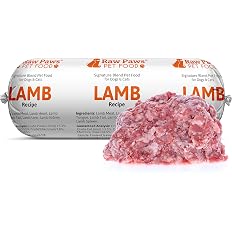
Raw Paws Pet Food – Frozen Raw Pet Food
Feeding your pet a frozen raw pet food diet is a simple way to deliver real, whole-food nutrition in its most natural form.
Shop on RawPawsPetFood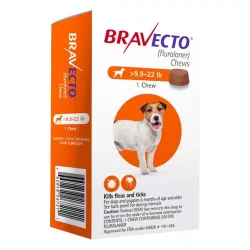
Bravecto Chews for Dogs
Bravecto is a long-lasting flea and tick protection option for your dog. 1 dose of Bravecto chew provides up to 12 weeks of powerful protection, which is nearly 3 times longer than a monthly treatment.
Shop on BestVetCare.com
Deworming Treatments for Dogs
BestVetCare offers you a wide range of worm treatments which come in a variety of forms such as oral paste, tablets, granules, and liquid solutions.
Shop on BestVetCare.comHappyPetZone participates in various affiliate programs with brands and retailers. We may receive a commission on purchases made through our links, at no extra cost to you.
Daily Care Essentials
Diet and Nutrition
A balanced diet supports the Springer Spaniel’s activity level, muscle condition and overall health. Choose a complete food appropriate for your dog’s age, size and life stage, and adjust portions to maintain a healthy body condition.
Keep fresh water available throughout the day. Active dogs may need more water during warm weather and after exercise.
Feeding guidance on a food package is a starting point, not a fixed rule for every dog. Monitor your dog’s weight and ask your veterinarian to help you adjust portions if needed. You can also read our dog diet and nutrition guide for more information.
Exercise Requirements
English Springer Spaniels need substantial daily activity. The PDSA recommends at least two hours of exercise per day for the breed, with opportunities for both physical activity and mental stimulation. Individual needs depend on age, health and fitness.
A useful routine can include:
- Brisk walks that allow time to sniff and explore.
- Retrieving games in a secure area.
- Scent work or food-search games.
- Short training sessions that practise recall and impulse control.
- Swimming where it is safe and the dog is comfortable in the water.
Avoid expecting a young puppy to manage the same workload as a healthy adult. Build exercise gradually, and check with your veterinarian before starting strenuous activity if your dog has a health condition or is returning from an injury.
A secure area is especially useful for play. Springers can become deeply interested in scents and wildlife, so do not rely on recall alone in places where chasing could put your dog or other animals at risk.
Grooming Needs
The English Springer Spaniel has a medium-length coat with feathering on the ears, chest, legs and underside. The coat can collect burrs, mud and grass seeds during walks, particularly in woodland or long grass.
Brush your dog regularly to remove loose hair and prevent tangles. Check the feathering behind the ears and around the legs, where knots can develop. Some dogs also need occasional trimming to keep the coat tidy.
After outdoor adventures, inspect the paws, between the toes and around the ears for debris. Check the ear flaps and visible ear opening for redness, discharge or an unusual smell. Do not insert cotton swabs or other objects into the ear canal.
Routine nail trimming and dental care are important too. If your dog resists grooming or you find persistent mats, ask a qualified groomer or your veterinary team for help.
Training an English Springer Spaniel
Springers are often keen learners, but their enthusiasm can make it difficult to focus around wildlife, other dogs or exciting smells. Start with short sessions and reward the behaviour you want to see.
- Prioritise recall early. Practise in a quiet, enclosed space before gradually adding distractions. Use a long training line in open areas where it is safe, and reward your dog generously for returning.
- Teach calm behaviour as well as active skills. Practise waiting at doors, settling on a mat and walking on a loose lead. These habits make everyday life easier, especially when your dog is excited.
- Use rewards rather than intimidation. Food, toys, praise and play can all motivate a Springer. Punishment may make a dog anxious or less willing to respond, particularly when it is already distracted.
Give your dog regular opportunities to use its nose and retrieve. These activities suit its background and can make training more satisfying for both of you.
Health Considerations
English Springer Spaniels can be affected by inherited and general canine health conditions. Knowing the risks helps you choose a responsible breeder and recognise when your dog needs veterinary attention.
Hip and Elbow Dysplasia
Hip dysplasia occurs when the hip joint develops abnormally, potentially leading to pain and arthritis. Elbow dysplasia describes a group of developmental problems affecting the elbow joint.
Ask breeders about the health screening recommended for the breed and request documentation for the puppy’s parents. Keep your dog at a healthy weight, and speak to your veterinarian if you notice persistent limping, stiffness or reluctance to exercise.
Eye Conditions
Some inherited eye disorders can affect English Springer Spaniels. A responsible breeder should be able to explain the relevant health tests for their breeding dogs and provide available results.
Routine veterinary examinations can help identify eye changes. Seek prompt veterinary advice if your dog develops sudden redness, cloudiness, squinting or a change in vision.
Fucosidosis
Fucosidosis is a rare inherited metabolic disorder reported in English Springer Spaniels. It results from a deficiency of an enzyme needed to break down certain complex molecules. Affected dogs can develop progressive neurological and behavioural signs.
Ask a responsible breeder about the breed’s recommended DNA testing and how results are used in their breeding programme. A veterinarian can explain what testing is appropriate for an individual dog.
Ear Infections
The breed’s floppy ears and active outdoor lifestyle can make regular ear checks particularly useful. However, an ear infection should not be assumed to be caused by ear shape alone.
Watch for head shaking, scratching, redness, discharge or an unpleasant smell. Arrange a veterinary examination if these signs appear. Avoid using leftover medication or home remedies without veterinary guidance.
Health note: This information is for general education and does not replace veterinary advice. A veterinarian can recommend appropriate screening, routine care and diagnostic tests for your individual dog.

Lemonade Pet Insurance
Explore customizable pet insurance coverage and learn whether Lemonade is the right fit for your dog or cat.
- Customizable coverage options
- Online policy management
Finding an English Springer Spaniel Puppy or Rescue Dog
If you are considering an English Springer Spaniel, think carefully about how much time you can give to exercise, training and companionship. The breed may suit someone who enjoys long walks and outdoor activities, but it can be difficult in a home where the dog is left alone for most of the day.
Look for a responsible breeder who is willing to discuss temperament, working or show lines, health screening and the needs of the puppies. Ask to see relevant health records and, where possible, meet the mother with her puppies in their home environment.
You can also contact breed rescue organisations and shelters. An adult dog may be a good fit for a household that wants a clearer picture of its size, energy level and temperament before committing.
If you search for an English Springer Spaniel for sale, avoid making a decision based on photographs or price alone. Take time to check the source, ask questions and ensure the puppy has been raised in appropriate conditions.
Frequently Asked Questions
Is the English Springer Spaniel Right for You?
The English Springer Spaniel can be a wonderful companion for an active household that has time for exercise, training and daily company. Its working instincts make it lively and curious, while its affectionate nature helps it fit into family life.
The breed may be a poor match if you want a dog that needs little exercise or can regularly spend long periods alone. Be realistic about the time you can offer before bringing one home.
If you’re interested in related breeds, explore the Welsh Springer Spaniel and the English Cocker Spaniel. You can also browse the Happy Pet Zone dog breeds library to compare other companions and find a dog that fits your routine.