Airedale Terrier: The King of Terriers
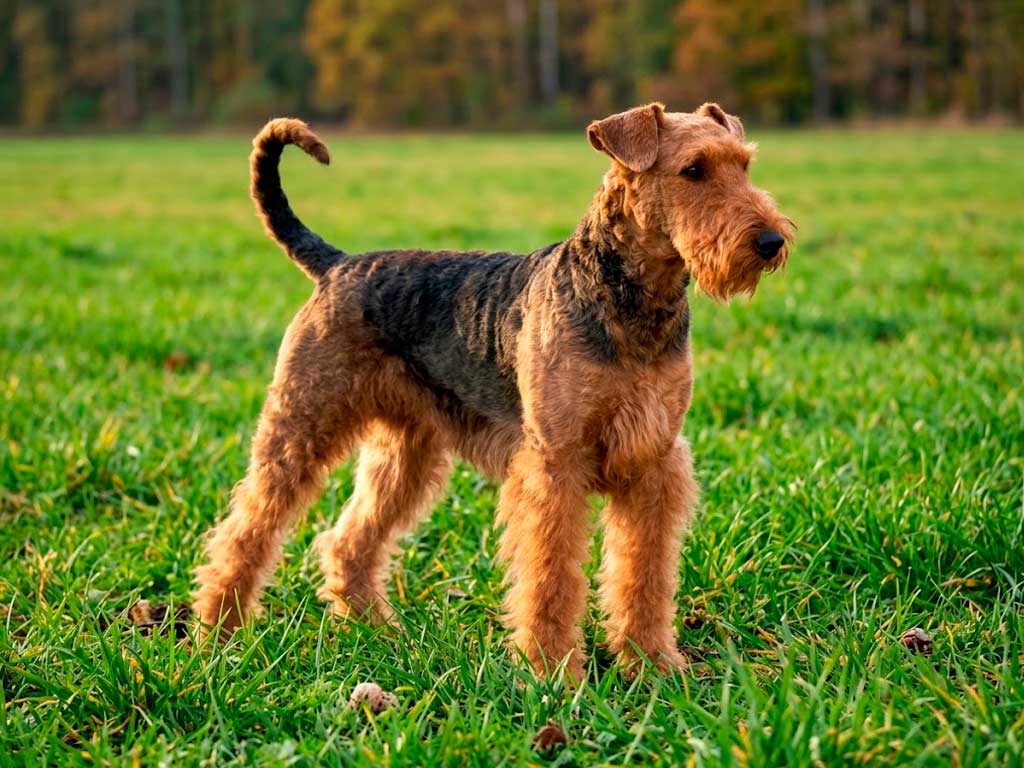
There’s a reason this breed carries the nickname King of Terriers, and it’s not just about size. The Airedale Terrier is the largest of all terrier breeds, originally built to take on full-grown otters and badgers, work no smaller terrier could handle.
I’ve trained a few, and that confidence shows up in everything they do, not just their build. Here’s what living with the biggest terrier actually looks like.
History and Origin
The Airedale descends from the now-extinct Black and Tan Terrier. Otter hunters created the breed in 19th-century Yorkshire, working in the valleys of the Calder, Wharfe, and Aire rivers, and they wanted a terrier that could both work alongside them against otters and vermin and double as a guard dog.
Large working terrier lines were crossed with the Otterhound to produce a dog big enough to take on adult otters and badgers. Later crosses with the Irish Terrier, and possibly the Scottish Terrier, shaped the size and type into what we recognize today.
That versatility didn’t stop at hunting. Before the German Shepherd became the default choice for police and search-and-rescue work, the Airedale often filled that role.
Physical Characteristics
This is genuinely the largest terrier breed. Adult males stand 23 to 24 inches tall and weigh 55 to 62 pounds, while females run slightly smaller at 22 to 23 inches and 46 to 51 pounds.
The build is sturdy and muscular, covered in a rough, hard coat that’s black or blackish-gray across the back with tan on the rest of the body. Nothing about this dog looks accidental.
Temperament and Personality
Like most terriers, the Airedale is confident, bold, and extroverted. It’s also genuinely friendly and full of energy, learning fast and adapting well to structured training, whether that’s a dog sport like agility or straightforward obedience work at home.
Trust me on this one: that combination of intelligence and confidence makes this a rewarding dog to train, but it also means boredom shows up fast if the mental and physical needs aren’t met.
This is also an expressive, vocal breed. Expect a dog that barks to announce visitors and stays genuinely alert to anything unusual, true to its guardian roots.
Care Guide
Diet and Nutrition
Feed a balanced diet twice daily, with fresh water always available. This breed can be prone to bloat, so smaller, more frequent meals tend to lower that risk compared to one large bowl a day.
Exercise Requirements
An active dog like the Airedale needs a moderate but real amount of exercise, roughly one to two hours daily, including training and play. Skimp on this and boredom turns into a real behavior problem fast.
Grooming Needs
That double, weatherproof coat needs daily brushing, plus a proper strip of the dead hair twice a year. This isn’t a wash-and-go breed, and the coat care is a genuine time commitment.
Training and Education
Give it time, though this breed generally makes the process easier than most. The same intelligence and confidence that make the Airedale rewarding also mean it needs consistent structure, not repetition for its own sake.
Purina lists this as a breed suited to owners with some prior experience, which tracks: a smart, bold dog this size benefits from an owner who already knows how to set clear expectations early.
A few things that help:
- Start training early, before size and confidence make the dog harder to redirect.
- Use short, engaging sessions. This breed’s intelligence gets bored with repetition fast.
- Give it a job, whether that’s agility, obedience competition, or structured play, to match its working history.
- Socialize around other pets early if you want smooth multi-pet cohabitation later.
Health and Longevity
Most Airedales live 10 to 12 years and are generally a hardy, resilient breed. Like many breeds, they can develop hip dysplasia, a joint condition that can affect mobility, which is why hip screening matters before any dog is bred.
I’m a trainer, not a vet, so treat this as general awareness rather than a diagnosis. Any real concerns about mobility or comfort deserve a conversation with your veterinarian.
Is the Airedale Terrier Right for You?
This breed fits active owners with some dog experience, room for a large, energetic terrier, and genuine willingness to keep up with daily coat care. It’s not the right choice for anyone hoping for a low-maintenance coat or a laid-back exercise routine.
If you’re drawn to other terrier breeds, our guides to the Bedlington Terrier and Wire Fox Terrier cover two more distinct options worth comparing. Not sure this is the right breed at all? Our Dog Breed Quiz can help you find a better match based on your home and lifestyle.
Frequently Asked Questions
Why is the Airedale called the King of Terriers?
Because it’s the largest of all terrier breeds, originally bred to handle prey no smaller terrier could take on, like adult otters and badgers.
Is the Airedale good for first-time owners?
Purina recommends this breed for owners with some prior experience, mostly because its size, energy, and intelligence reward someone who already knows how to set structure early.
How much grooming does an Airedale need?
Daily brushing, plus a full strip of dead coat twice a year. This is a real time commitment, not an occasional chore.
Are Airedales good with kids?
Generally yes, though supervision matters given the breed’s size and energy, especially with very young children.
Do Airedales get along with other pets?
They can, but may need training and structured introductions to live smoothly with other animals, particularly smaller pets that could trigger prey drive.
How long do Airedale Terriers live?
Typically 10 to 12 years. The breed is generally hardy, though hip health is worth monitoring as they age.