Labrador Retriever: The Complete Guide to America’s Favorite Companion
If you want to welcome a Labrador Retriever into your home, this comprehensive guide will show you exactly how to raise a happy, well-behaved dog. Fortunately, our editorial team has spent over a decade analyzing canine behavior to deliver the most practical advice for pet owners.
Specifically, you will discover the hidden nuances of their diet requirements, exercise needs, and specialized socialization techniques. Read on to discover why this versatile breed remains the ultimate family companion across the globe.
History and Origin of the Labrador Retriever
The history of the Labrador Retriever does not actually begin in the coastal region of Labrador. Instead, these remarkable working dogs originated in nearby Newfoundland during the early nineteenth century. Initially, local fishermen utilized the ancestors of this breed, known as St. John’s water dogs, to perform demanding aquatic tasks.
These resilient canines routinely braved icy waters to retrieve escaping fish and pull heavy fishing nets back to shore. Furthermore, English aristocrats noticed their incredible swimming abilities and imported several specimens to the United Kingdom. British sports enthusiasts then carefully refined the bloodlines to enhance their natural game-retrieving skills.
Consequently, the breed gained official recognition from the English Kennel Club in the early twentieth century. Their popularity skyrocketed rapidly because of their unparalleled work ethic and cooperative disposition. Today, they excel not just as hunting companions but also as premier service animals worldwide.
Physical Characteristics
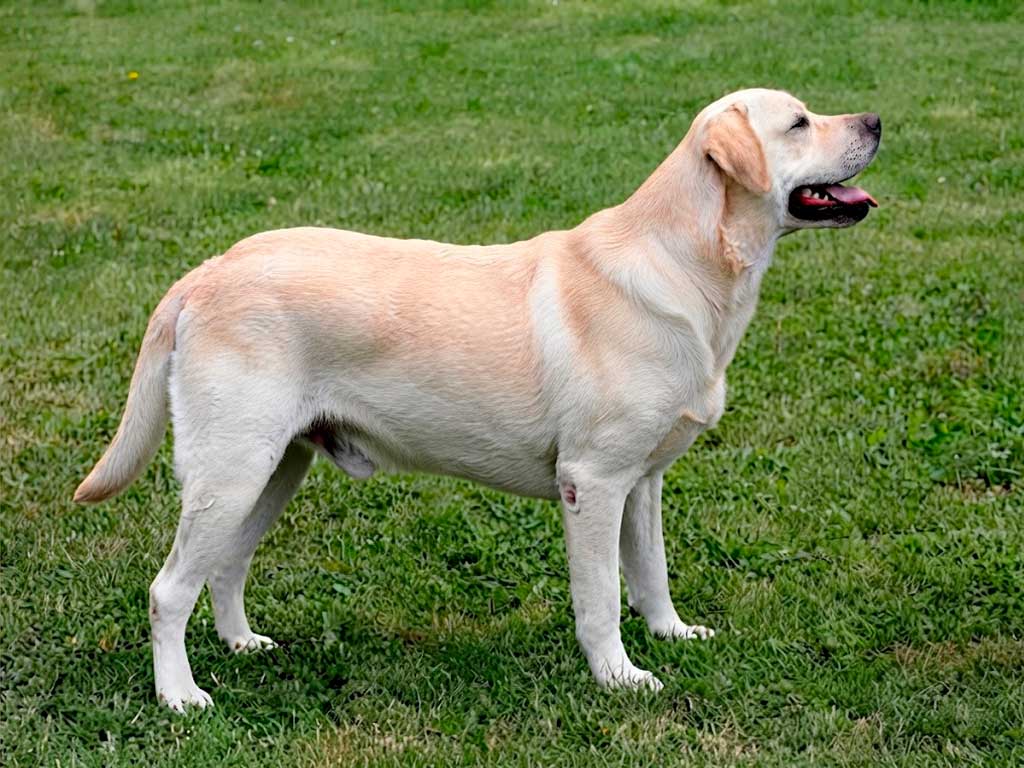
You will immediately notice the athletic and sturdy build that defines this medium-to-large canine. Adult male individuals typically stand between 22.5 and 24.5 inches tall at the shoulder. Moreover, healthy males generally weigh anywhere from 65 to 80 pounds when fully mature.
Female dogs are slightly smaller but still present a powerful and well-proportioned silhouette. Their height ranges between 21.5 and 23.5 inches, while their weight fluctuates between 55 and 70 pounds. Additionally, their unique weather-resistant double coat provides excellent protection against harsh environmental elements.
This short, dense fur comes in three officially recognized colors: black, yellow, and chocolate. Another defining physical trait is their distinct otter tail, which acts as a powerful rudder while swimming. Their kind, expressive eyes project an unmistakable warmth that instantly wins over animal lovers.
Temperament and Personality
The exceptionally friendly temperament of this breed is legendary among dog enthusiasts. They possess an outgoing, social nature that makes them naturally affectionate toward humans and other animals. Because of this gentle disposition, they rarely exhibit aggressive tendencies or extreme territorial behaviors.
Their brilliant intelligence ranks them among the smartest canine breeds in existence today. Consequently, they remain highly adaptable to various living situations and family dynamics. They crave human companionship and thrive when integrated into daily household activities.
However, this intense sociability means they do not tolerate long periods of isolation well. If left alone for extended intervals, they can easily develop destructive separation anxiety. Therefore, they are best suited for households that can provide consistent attention and emotional engagement.
Care Guide for Your Labrador Retriever
Properly caring for a large working dog demands a significant daily commitment from every family member. You must establish structured routines to ensure their physical and mental well-being remains optimal.
Diet and Nutrition
Providing balanced nutrition is absolutely critical for preventing health complications as your dog ages. This breed is notorious for possessing an insatiable appetite and a strong propensity for obesity. For this reason, you must measure their daily portions strictly rather than allowing free-choice feeding.
High-quality commercial kibble formulated for large, active breeds represents the ideal dietary foundation. Make sure the primary ingredient is a premium animal protein like chicken, beef, or salmon. Additionally, you should limit the administration of high-calorie training treats to protect their waistline.
Because they have deep chests, these dogs face a risk of developing gastric dilatation-volvulus. This condition, commonly known as bloat, is a life-threatening medical emergency requiring immediate veterinary care. To minimize this risk, divide their daily food allowance into two separate, smaller meals.
Exercise Requirements
An energetic dog requires a substantial amount of daily physical activity to remain healthy. You should provide at least two hours of structured exercise every single day. For instance, long walks, vigorous jogs, and swimming sessions are excellent ways to burn energy.
Their historical background means they possess an innate desire to retrieve objects constantly. Therefore, playing fetch with a ball or a floating toy provides incredible physical and mental stimulation. Engaging in these activities prevents the development of boredom-induced behaviors like destructive chewing.
Canine sports such as agility, dock diving, and obedience trials offer fantastic outlets for their vitality. If you fulfill their exercise needs, they will remain remarkably calm and relaxed inside the house. Outdoor adventures are essential for keeping their athletic muscles toned and joints flexible.
Grooming Needs
Maintaining their short, dense coat is relatively straightforward but requires regular attention. You should brush their fur at least twice a week to remove loose hair and debris. However, they shed moderately throughout the year and experience heavy shedding seasons during spring and autumn.
During these seasonal shifts, daily brushing becomes mandatory to manage the sheer volume of falling fur. Investing in a high-quality de-shedding tool will make this process significantly more efficient. Baths are only necessary every four to six weeks unless they roll in mud.
Regular ear maintenance is another vital component of their basic grooming regimen. Because their floppy ears trap moisture easily, they are highly susceptible to painful yeast infections. Wipe their ear canals weekly with a veterinarian-approved solution to maintain proper hygiene.
Training and Education
Training is generally an enjoyable endeavor due to their intense eagerness to please. They respond exceptionally well to positive reinforcement techniques like treats, praise, and play. Harsh physical punishments will only induce fear and severely damage the bond of trust you share.
Clicker training is highly effective because it immediately clarifies which behaviors earn rewards. You should focus on basic obedience commands such as sit, stay, and come during early puppyhood. Establishing these fundamental skills early prevents the development of rowdy pulling behaviors on the leash later.
Furthermore, comprehensive socialization must begin during the first few months of the puppy’s life. Expose your young dog to diverse environments, unfamiliar people, and stable adult animals safely. This proactive approach ensures they grow into confident, well-adjusted companions who handle new situations calmly.
Health and Longevity
Disclaimer: The following health information is for educational purposes only. You must always consult a licensed veterinarian for professional medical advice regarding your pet.
The average lifespan of a healthy individual ranges from 10 to 12 years. Although they are structurally robust dogs, they are genetically predisposed to specific hereditary health conditions. For example, hip and elbow dysplasia are common orthopedic concerns that cause joint degeneration and arthritis.
Progressive retinal atrophy is another genetic condition that can lead to gradual blindness over time. Therefore, you should only acquire puppies from responsible breeders who perform rigorous health screenings on parents. Regular veterinary checkups are essential for detecting potential issues early and ensuring a high quality of life.
Maintaining an ideal body weight through proper diet and exercise will drastically reduce strain on their skeletal system. Obesity accelerates joint deterioration and can complicate underlying cardiovascular issues. Proactive management of their daily calorie intake is the best preventive care you can provide.
Is This the Right Dog for You?
Choosing to adopt this breed requires an honest evaluation of your current lifestyle. If you lead an active lifestyle and enjoy spending time outdoors, this dog is a perfect match. Families with children will appreciate their patient, loving, and playful nature.
However, if you work long hours away from home, their social needs may remain unfulfilled. They demand significant chunks of your time for exercise, grooming, and mental engagement every day. Furthermore, the financial commitment of feeding and vetting a large breed should not be underestimated.
Start with establishing a consistent daily exercise routine because it has the biggest impact on their behavior. Providing ample attention ensures you receive absolute loyalty and unmatched companionship for many years. You can discover more step-by-step care resources directly on happypetzone.com to help prepare your home.