Basset Griffon Vendeen Grande
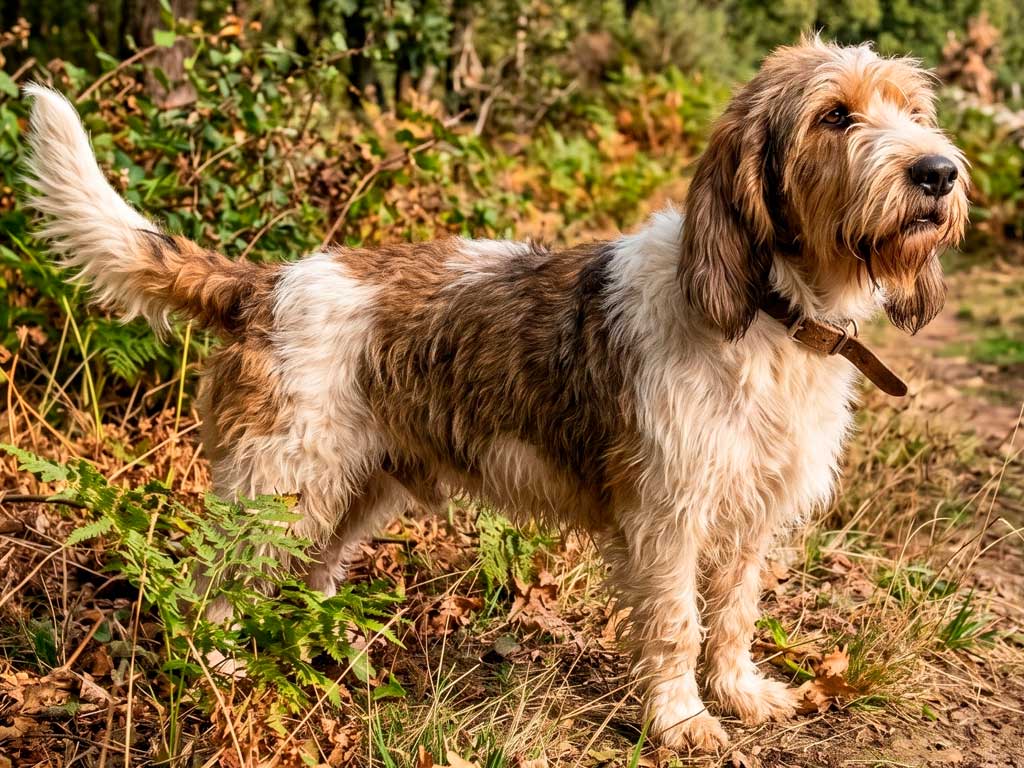
The Basset Griffon Vendeen Grande stands as a fascinating blend of scent-hound determination and manageable size. Standing only 40 to 44 centimeters (15.7 to 17.3 inches) at the shoulder and weighing 20 to 30 kilograms (44 to 66 pounds), these French hunting dogs are compact enough for country living without the intimidating bulk of larger hounds.
However, their distinctive rough coat and relentless work ethic create a breed that demands specific, active, and outdoor-oriented owners. This guide explores whether this dedicated scent hound belongs in your life.
Heritage: From 16th Century Vendée to Modern Trails
The Basset Griffon Vendeen traces its lineage to the rural Vendée region of southwestern France, dating back to the 16th century. Unlike many breeds that transitioned to indoor companionship, these hounds have maintained their working-dog purpose across centuries.
Key Historical Developments
- Original Bloodlines: They share roots with multiple basset varieties.
- Evolution: Until the 1970s, breeders crossed large and small varieties freely, producing intermediate-sized dogs.
- Modern Era: Breed standards eventually solidified the distinction between the “Grande” (large) and “Petit” (small) varieties.
- Current Role: They remain highly valued for hunting wild boar, deer, rabbit, and hare.
The breed’s development prioritized scenting ability and persistence over speed. Unlike sighthounds, they work with their noses to the ground, methodically tracking prey for hours.
Physical Structure: Built for Endurance
The Basset Griffon Vendeen Grande presents a distinctive profile, combining the short legs typical of basset breeds with an athletic, muscular frame.
- Dimensions: Males stand 40–44 cm (15.7–17.3 in); females 39–43 cm (15.3–16.9 in).
- Coat Texture: They feature a rough, wiry, weather-resistant double coat that protects them from thorns and water.
- Distinctive Features: Prominent eyebrows, a full beard, and long drop ears give them a characterfully “weathered” look.
- Coloration: Common patterns include white with lemon, orange, black, or tan markings, as well as tricolor combinations.
Temperament: Persistence Over Obedience
Understanding the scent-hound mentality is essential. These dogs are not “eager-to-please” in the traditional sense; they are determined and persistent.
- Vocal Communication: They are naturally communicative, often baying or howling when excited.
- Pack Mentality: They work exceptionally well with other dogs, respecting pack dynamics.
- Independent Thinkers: When they fixate on a scent, they may ignore human commands. This is their nature, not a sign of poor training.
- Family Bonds: Despite their independence, they are deeply affectionate with their human family.
Essential Care Framework
Exercise and Environmental Needs
These dogs were bred to pursue game for hours across challenging terrain. A simple walk around the neighborhood is not enough.
- Minimum Requirement: Two hours of high-quality daily exercise.
- Ideal Scenarios: Access to rural property for free-roaming and nose-work games.
- Unsuitable Settings: Apartments, urban areas, or homes without secure fencing.
Grooming Maintenance
- Weekly Brushing: Use a slicker or wire-pin brush to prevent matting, especially in the beard and eyebrows.
- Ear Care: Check ears daily for debris to prevent infections, which are more common in active outdoor dogs.
- Seasonal Care: Expect heavy shedding during spring and fall.
Nutrition for Active Dogs
To support their high energy, they require a diet of quality large-breed food (at least 25% protein).
- Feeding Schedule: Split their daily 2–3 cups into two meals to support digestion and prevent bloat.
- Exercise Timing: Wait 30–60 minutes after eating before beginning any strenuous activity.
Training: Channeling the Work Drive
Successful training with a Basset Griffon Vendeen relies on positive reinforcement and channeling their natural instincts.
- Focus on Purpose: Engage them in scent-tracking or nose-work competitions.
- Consistency: All family members must enforce the same rules.
- Socialization: Start early to ensure confidence around new people and environments.
Health and Longevity
This is a robust breed with a lifespan of 12 to 14 years. Responsible ownership involves:
- Screening: Choose breeders who test for epilepsy, eye conditions, and hip dysplasia.
- Proactive Care: Maintain a healthy weight to reduce joint stress and keep ears clean to prevent infections.
Ownership Suitability Assessment
| You are a match if… | This breed is wrong for you if… |
|---|---|
| You own rural property with secure fencing. | You live in an urban apartment. |
| You enjoy outdoor, country living. | You expect off-leash reliability. |
| You actively hunt or do scent work. | You have small “prey-sized” pets (cats/rabbits). |
| You appreciate a vocal, independent hound. | You need a quiet, low-energy indoor dog. |
Frequently Asked Questions
Can they live in apartments?
No. Apartment living consistently produces frustrated and destructive dogs. They require rural settings.
Are they good with other dogs?
Generally, yes. Being pack-oriented, they usually coexist peacefully with other hounds, though they may team up against small animals.
Will they chase cats?
Most will. Their prey drive is powerful, and they should not be trusted with small household pets.
Why do they howl/bay?
It is a functional communication tool used to alert the pack to game. While useful in the field, it can be a nuisance for urban neighbors.
Note on Safety: Always consult with your veterinarian regarding your dog’s specific health needs. This guide is for educational purposes and provides suggestions based on the breed’s working heritage.
Interested in similar breeds?
Explore our guides to the Basset Hound, which shares a similar structure but has a different temperament, the Basset Bleu de Gascogne for another French hunting line, and the Petit Basset Griffon Vendeen for a smaller cousin with a similar scent-drive.