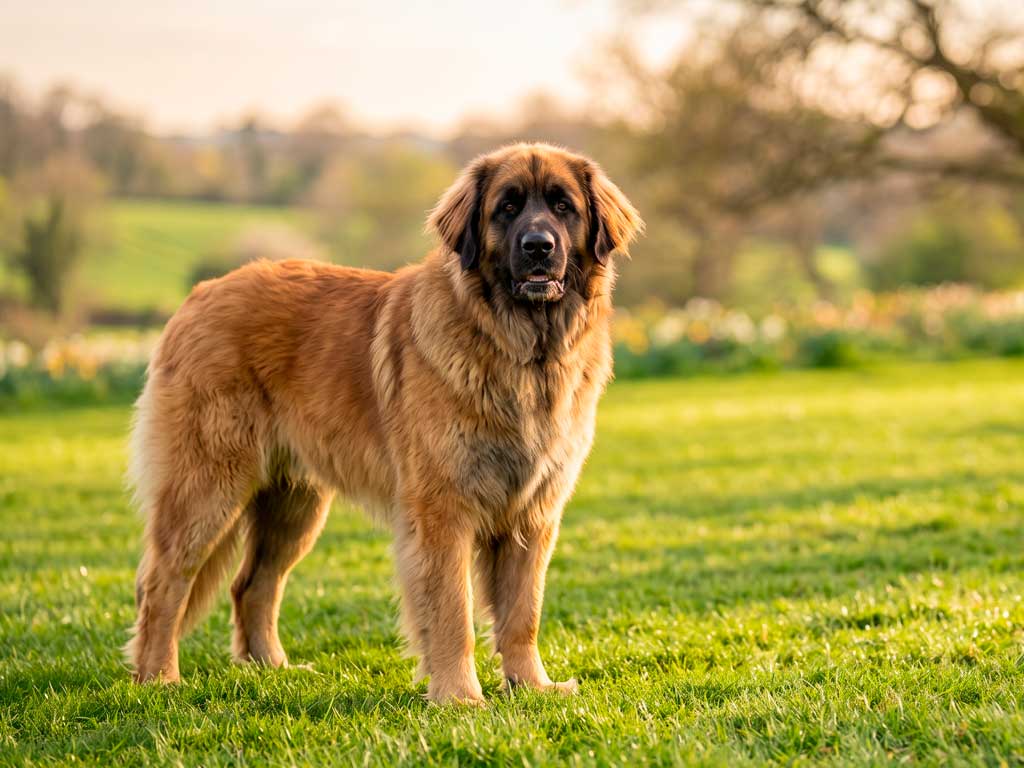
The Estrela Mountain Dog: A Portuguese Guardian With a Curious Trait
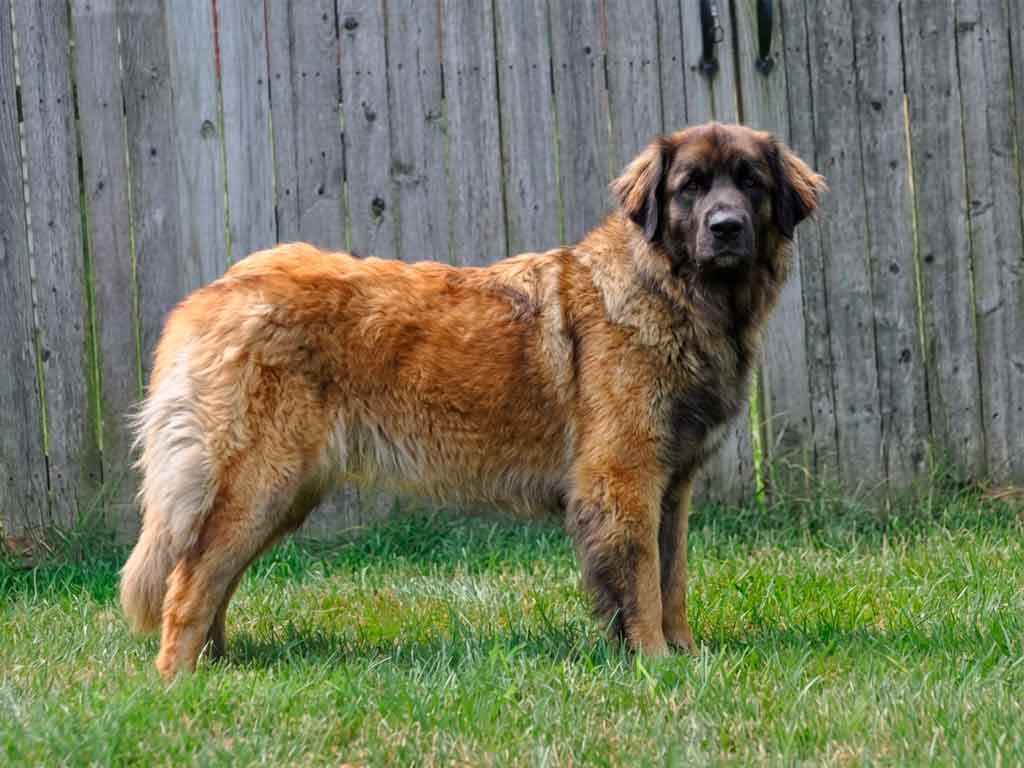
The Estrela Mountain Dog is Portugal’s flock guardian from the Serra da Estrela, and the curious trait the breed is known for sits at the end of its tail: a rigid hook. Males stand 65 to 73 cm (25.5 to 28.5 in) and weigh 45 to 60 kg (99 to 132 lb); females stand 62 to 69 cm (24.5 to 27 in) and weigh 35 to 45 kg (77 to 99 lb). A healthy one reaches 10 to 13 years.
It is a mastiff-type dog that works by staying close to a group it has decided to protect, affectionate with the people inside that group and cool with everyone else. It suits an owner with fenced land, a reason to keep a guard dog, and patience for a dog that thinks before it complies. It does not suit an apartment, a first-time owner, or anyone looking for a dog that likes everybody.
The Hook in the Tail
Two breed standards describe the same dog and disagree about the edges. The FCI standard, first accepted in 1955 and republished in 2009, allows white only at the extremities of the feet and a small patch on the neck and chest; the Kennel Club standard, updated in 2025, tolerates white on the chest, underside, feet or tail. The height tolerance shifts with it, 2 cm in one document and 4 cm in the other.
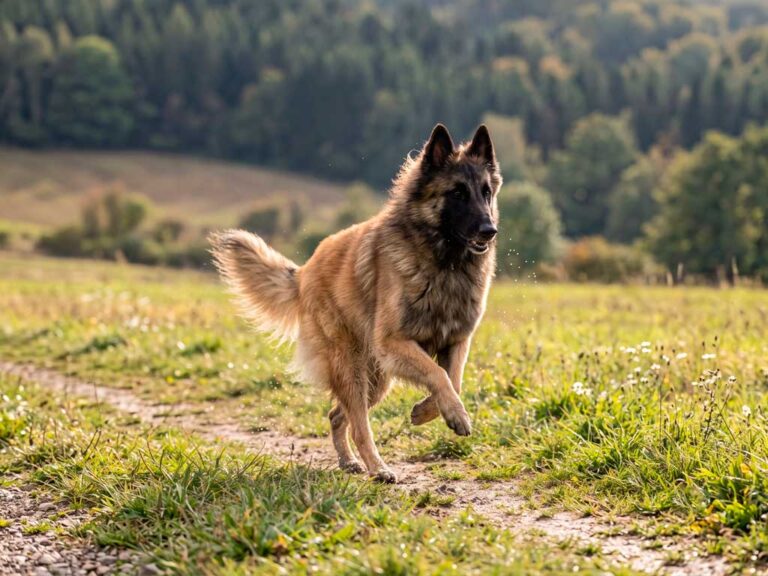
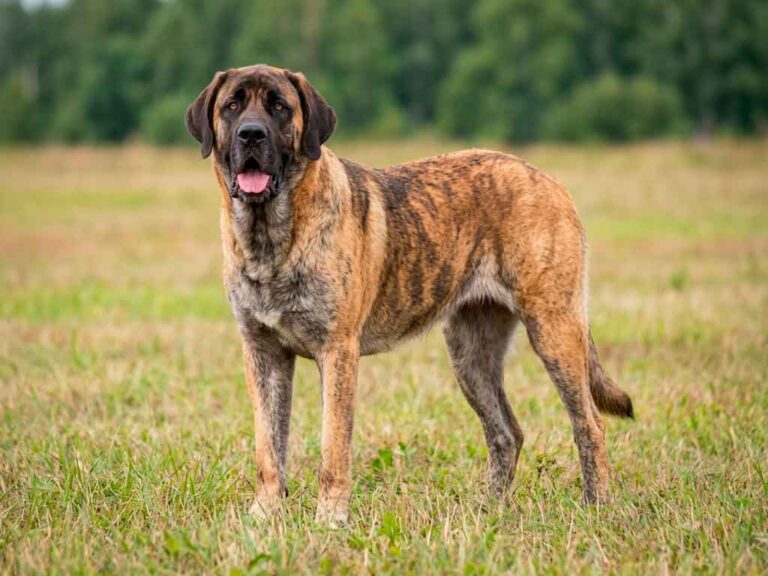
What both fix is the shape: a long head with a moderate stop, small rose ears folded back, a tail carried low with a hook at the tip, and a double coat that comes in two lengths.
| Feature | Estrela Mountain Dog |
|---|---|
| FCI group | Group 2, molossoid breeds, mountain type |
| UK group | Pastoral |
| Height | Males 65 to 73 cm (25.5 to 28.5 in), females 62 to 69 cm (24.5 to 27 in) |
| Weight | Males 45 to 60 kg (99 to 132 lb), females 35 to 45 kg (77 to 99 lb) |
| Coats | Long and short, both with a dense undercoat |
| Color | Fawn, brindle, wolf grey, with a dark mask preferred |
| Lifespan | 10 to 13 years |
It Picks One of You
Both standards say the same thing in different words. The FCI calls the breed distrustful of strangers and docile to its master; the Kennel Club says affectionate to owners, aloof to others. Neither sentence describes a dog that divides its affection evenly. In a household of four, one person becomes the one it checks with, and the other three become people it tolerates and, eventually, guards. That is not a training failure and it does not improve with age. It is the shape of the breed’s loyalty, and it arrives with the puppy. If you want a dog that greets every member of the family with the same enthusiasm, this breed will disappoint you in a way that never quite resolves.
The Dog That Never Leaves the Flock
Guardian breeds are not trained to patrol. They are raised among the animals they will protect, and the work is mostly standing nearby, watching, and making enough noise that a predator decides the flock is not worth the argument.
The FCI lists its uses as livestock guarding, watch work, companion and draught, in that order. It will attach to the household as its flock and to the property as its pasture, and it will not wander off either.
The practical consequence is that this dog needs to see the edge of its territory. A garden with a solid fence and a view of the gate satisfies the instinct; a flat with a hallway gives it nothing to check, and the checking moves to the front door, the window, or the pram.
Introductions matter more than commands. A puppy that meets sheep, chickens, children and the postman before six months will file all of them under group. One that meets them at two years old will file them under event.
Who It Tolerates, and Who It Does Not
The breed has an opinion about each of these situations, and none of the opinions is negotiable.
- Children in the household are inside the flock, guarded and watched, and a baby gate is cheaper than an argument with 50 kg of dog.
- Visiting children are the hard case, because running and shouting read as a threat to the group rather than as play.
- Regular visitors are accepted after a few visits, and never greeted with the enthusiasm reserved for family.
- Other dogs are usually calm company, with same-sex friction appearing in adolescence and settling into tolerance or distance.
- Cats and poultry are safe when the dog grows up with them, and unpredictable when they arrive later.
The Hips Are the Story
The breed’s known weak point is the hip joint, and the numbers are worse than most buyers expect. A 2013 master’s thesis at the University of Trás-os-Montes and Alto Douro worked through the Portuguese stud book, 17,437 dogs in all, and radiographed 375 of them to FCI standards. Signs of hip dysplasia appeared in 64.8%.
That sample is not random. Dogs get x-rayed when an owner already suspects something, so the figure overstates the true prevalence and still says something uncomfortable about the gene pool.
A buyer’s job is narrower than the statistics. Ask for both parents’ FCI hip grades, A to E, with the date of the x-ray on the certificate, and treat a verbal reassurance as no information at all.
Deep-chested dogs can torsion. A dog that paces after a meal, drools, and cannot settle, with a belly that sounds hollow when tapped, needs a veterinarian now.

Lemonade Pet Insurance
Explore customizable pet insurance coverage and learn whether Lemonade is the right fit for your dog or cat.
- Customizable coverage options
- Online policy management
Coat, Weather, and the Weekly Hour
The Coat Sets the Schedule
Both varieties carry the same dense undercoat, and the difference sits in the topcoat: flat and slightly waved over the body on the long coat, short and even on the short one. Brush two or three times a week, and expect one heavy shed a year when the undercoat lets go in handfuls.
The places that mat are predictable: behind the ears, under the ruff, and where the tail feathers meet the back legs. A slicker brush and a metal comb reach all three, and scissors do not.
A Guardian’s Exercise
Forty-five minutes to an hour of walking, split into two outings, plus a garden to supervise, covers an adult. The garden does more of the work than the lead.
Puppies need less of it, on softer ground, because the joints the breed is already famous for are still forming.
The Dewclaws Need a Hand
Many Estrelas carry single or double dewclaws on the rear legs, and the standard allows either. Those claws never touch the ground, so they never wear down, and they catch on fencing, car doors and blankets.
Check them monthly and take off a little at a time. A torn dewclaw bleeds heavily, hurts, and the dog will not mention it until it is limping.
Obedience Is Not the Point
The Kennel Club calls the breed self-willed yet trainable, which is accurate and unhelpful at the same time. In practice the dog evaluates an instruction before complying, and the evaluation gets quicker when the instruction has always meant the same thing.
Three lessons carry more weight than the rest: a boundary it respects, a recall it performs when it would rather not, and a cue that means the guarding is over and it can stand down.
Punishment is the wrong tool. A guardian that learns to expect a correction from its owner becomes a dog that hides its decisions, which is worse than a dog that argues out loud.
Socialization has a window and it closes faster than owners expect. Between eight and sixteen weeks, every new person, dog, surface and noise gets filed. After that, the file is harder to open.
A Guardian Burns Less Than You Think
The working day of a flock guardian is mostly waiting, and the calorie requirement follows the job. A 50 kg adult with a garden to patrol often eats less than a retriever half its weight, and free-feeding a dog this size puts weight on the joints that already cause trouble.
Two meals a day for adults, large-breed puppy food through the first year, and portions that keep ribs findable under the coat without pressing.
Leave an hour between a meal and a walk. It is the cheapest insurance against the torsion described above.
Shop for Your Breed

Just Food For Dogs – Fresh Frozen
Fresh meals. Gently cooked, then frozen to lock in nutrients. 100% Human Grade Ingredients. Gently Cooked in the USA. #1 Vet-Recommended Fresh Food.
Shop on JustFoodForDogs
Raw Paws Pet Food – Frozen Raw Pet Food
Feeding your pet a frozen raw pet food diet is a simple way to deliver real, whole-food nutrition in its most natural form.
Shop on RawPawsPetFood
Bravecto Chews for Dogs
Bravecto is a long-lasting flea and tick protection option for your dog. 1 dose of Bravecto chew provides up to 12 weeks of powerful protection, which is nearly 3 times longer than a monthly treatment.
Shop on BestVetCare.com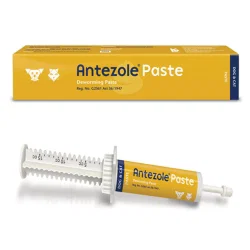
Deworming Treatments for Dogs
BestVetCare offers you a wide range of worm treatments which come in a variety of forms such as oral paste, tablets, granules, and liquid solutions.
Shop on BestVetCare.comHappyPetZone participates in various affiliate programs with brands and retailers. We may receive a commission on purchases made through our links, at no extra cost to you.
Before You Put a Deposit Down
If most of these answers are no, the dog breeds hub is where to start again.
| Question | What a no means |
|---|---|
| Have you seen both parents’ hip grades? | You are buying a pedigree lottery ticket |
| Is the garden fenced to 1.8 meters on a solid base? | The dog will patrol the street instead |
| Can you live with a dog that decides about visitors? | You will spend ten years apologizing |
| Is someone home for most of the day? | A guardian with nothing to guard invents work |
| Will you brush for an hour a week for a decade? | The undercoat wins, and the mats hurt |
The Other Guardians, and How They Differ
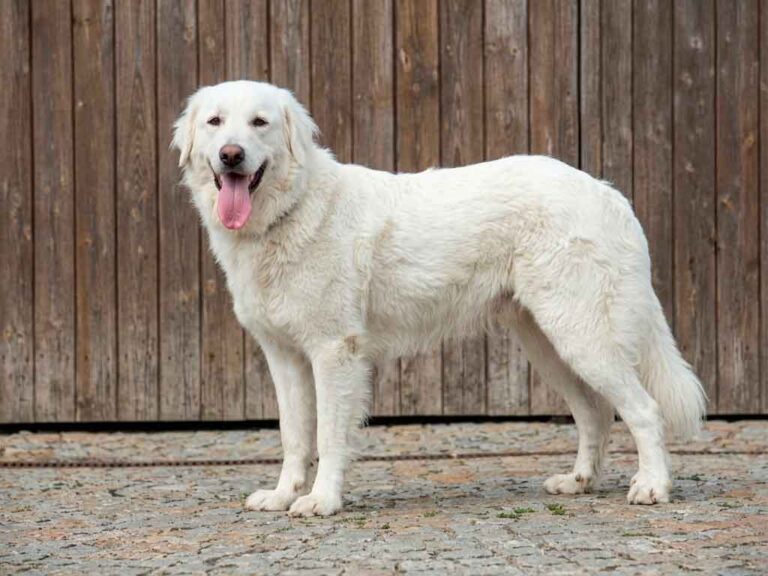
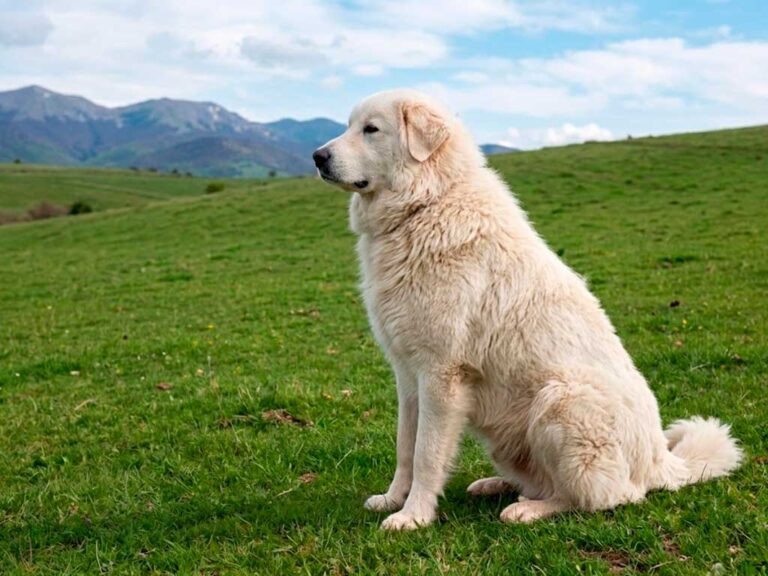
- The Pyrenean Mountain Dog is the guardian from the other side of the Pyrenees, with a heavier coat and a louder night.
- The Maremma Sheepdog is the Italian white guardian, lighter and quicker, and the closest thing to a like-for-like alternative.
- The Spanish Mastiff is the Iberian drover’s guardian, bigger and slower, built to move with a flock rather than wait beside one.
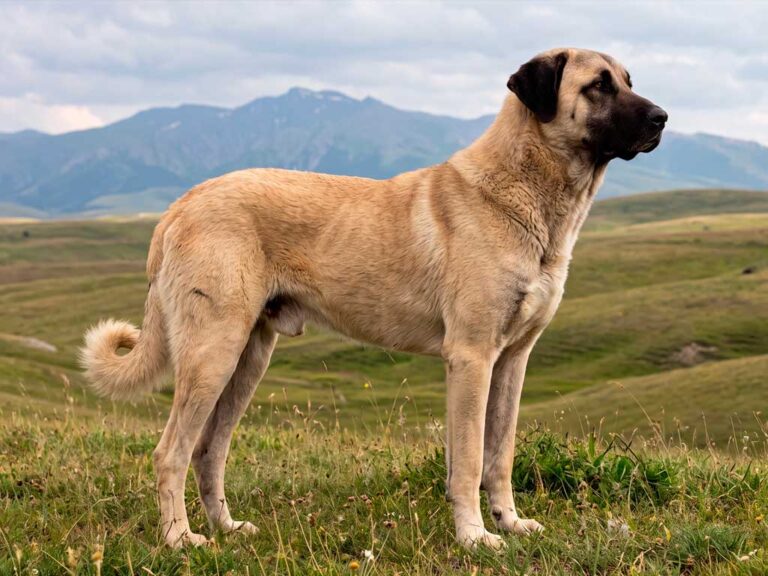
- The Anatolian Shepherd is the Turkish version of the job, faster and more independent, and the hardest of the four to call off once it has made up its mind.
Frequently Asked Questions
Sources
- Fédération Cynologique Internationale, Estrela Mountain Dog breed standard No. 173 (2009).
- The Kennel Club, Estrela Mountain Dog breed standard (2025).
- Coxo, A., Avaliação genética para a displasia da anca na raça cão da Serra da Estrela, University of Trás-os-Montes and Alto Douro (2013).
- Zoetis Petcare, Estrela Mountain Dog breed profile (2026).