Giant Schnauzer Breed Guide: Is This Dog Right for You?
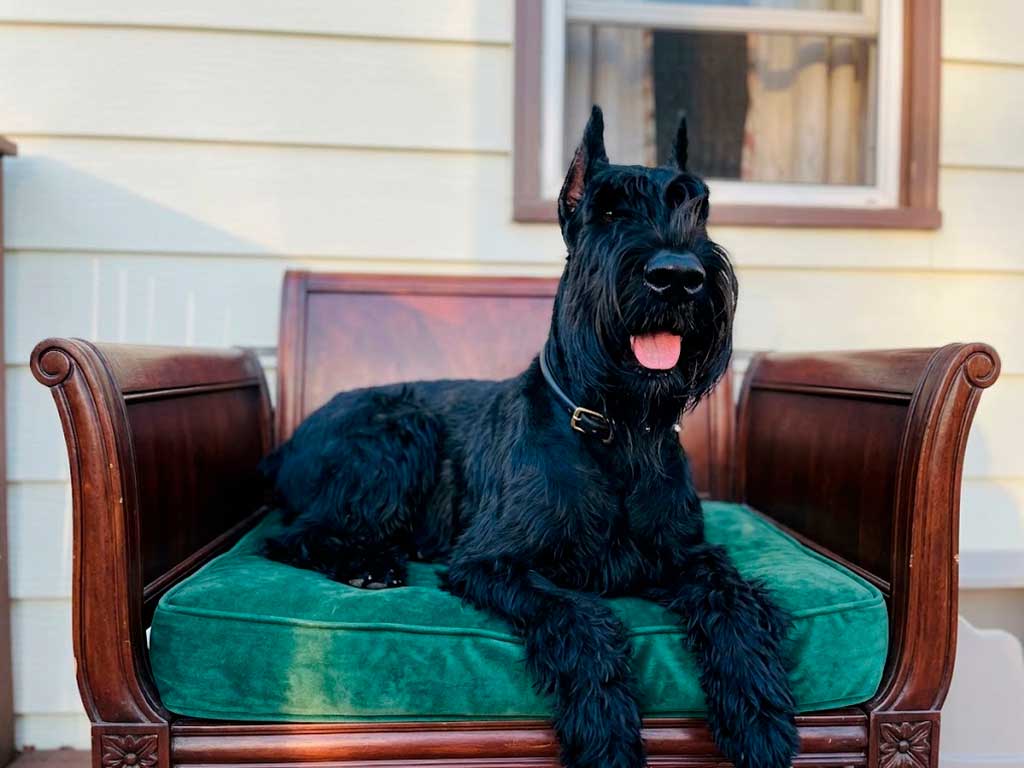
Ever met a dog that looks like it’s guarding a castle and somehow still wants to curl up at your feet? That’s the giant schnauzer breed in a nutshell. This working dog stands up to 27.5 inches tall, carries a thick wiry coat, and wears a beard and mustache that make it instantly recognizable.
I’ve worked with a handful of these dogs over the years, and they’re smart and loyal, though not always the right fit for a first home. Here’s what you need to know before you bring one home.
Giant Schnauzer Breed at a Glance
Short on time? Here’s the snapshot: the giant schnauzer is a large working dog, 23.5 to 27.5 inches tall, weighing 60 to 105 pounds, with a 12 to 15 year lifespan and a low-shedding black or salt-and-pepper coat. It’s a guardian breed best suited to experienced, active owners rather than first-time dog parents.
- Size: Large to X-Large
- Coat: Wiry, black or salt-and-pepper
- Life expectancy: 12–15 years
- Exercise: 2+ hours daily
- Best for: Experienced, active owners
- Shedding: Minimal
What Makes the Giant Schnauzer Breed Unique
Picture a square, muscular body built for work, not for show. Giant schnauzers stand 23.5 to 27.5 inches tall and typically weigh between 60 and 105 pounds, with males running larger than females.
Their coat comes in solid black or the classic salt-and-pepper pattern, and it’s wiry rather than soft. That rough texture sheds very little, which is part of why so many owners describe the breed as close to hypoallergenic.
The Kennel Club places giant schnauzers in the Working group, and one look at their alert, upright posture tells you why. This is a dog built to do a job, not to sit on a couch all day.
Where the Giant Schnauzer Breed Came From
The story starts in 15th-century Bavaria, with a medium-sized, rough-coated pinscher used to hunt rats and handle farm chores. That same dog is the ancestor of all three schnauzer sizes, including the smaller Standard Schnauzer.
In the 19th century, breeders crossed those dogs with larger cattle-driving breeds, and possibly the Great Dane, to create the size we recognize today. The result was strong enough to drive cattle to market and alert enough to guard the farm overnight.
That guarding instinct never left. Giant schnauzers went on to become popular police and security dogs across Europe, a job many descendants still do today.
Fun fact: the name itself comes from the German word for “snout.” It’s a nod to that unmistakable bearded mustache.
Giant Schnauzer vs. Standard Schnauzer: What’s the Difference?
Both breeds share the same beard, the same working-dog roots, and a lot of the same personality traits. Size is the biggest split: a Standard Schnauzer tops out around 20 inches and 45 pounds, while the giant version can nearly double that weight.
Temperament also shifts a little with size. The giant tends to carry a stronger guardian streak and needs more physical space, while the Standard Schnauzer adapts more easily to smaller homes. If you love the look but aren’t sure about the size, that’s genuinely worth thinking through before you commit.
Temperament and Guardian Instincts
Don’t let the imposing size fool you. Underneath that tough exterior is a genuinely affectionate dog that wants to be close to its family.
Giant schnauzers can get along well with other household dogs and cats, though early socialization matters here. Careful introductions and supervision make a real difference, and this breed tends to do better living alongside a dog of the opposite sex.
Trust me on this one: the guardian instinct in this breed is not something you train in. It’s already there. Expect a dog that stays alert, barks to announce visitors, and takes its watchdog job seriously.
That barking instinct is useful on a farm and less convenient in a townhouse. Owners in tighter neighborhoods should plan on teaching a solid “quiet” cue early, since this breed will happily announce every delivery truck on the block.
Common Challenges New Owners Face
This isn’t a breed that thrives on autopilot. Giant schnauzers are intelligent enough to get bored fast, and boredom in a dog this size turns into destructive habits quickly.
Training Takes Real Commitment
Purina lists this as a breed best suited to experienced owners, and I’d agree. Giant schnauzers need consistent, confident handling from week one, and they notice quickly when a household lets the rules slide.
A few things that help:
- Start obedience training as a puppy, before guarding instincts fully kick in.
- Use positive reinforcement. Harsh corrections tend to backfire with a dog this smart and this stubborn.
- Give their brain a job. Scent work, agility, or advanced obedience all help burn off that mental energy.
- Practice calm greetings with visitors so the guarding instinct doesn’t turn into full-blown suspicion of every guest.
Give it time. Owners who stick with consistent training end up with one of the most loyal, capable dogs they’ll ever own.
Living With Kids and Other Pets
Families with young kids need to supervise every interaction, at least at first. The breed can be wonderful with children once it understands the household hierarchy, but its size alone means accidental bumps happen.
Multi-pet homes should plan for a gradual introduction process instead of tossing everyone together on day one. A slow, structured meeting on neutral ground usually works far better than a spontaneous backyard introduction.
Daily Care for a Giant Schnauzer
Owning a giant schnauzer breed dog means committing real time to exercise, coat care, and feeding. None of it is optional, and skipping any of the three tends to show up as behavior problems down the line.
Exercise Needs
This breed needs more than two hours of activity a day to stay satisfied. Long walks, hikes, and open space all work well, and the weatherproof coat means rain or cold won’t slow your dog down.
Check the coat after every outdoor session. Debris gets caught in that wiry fur more often than you’d expect, especially after a walk through tall grass or brush.
Grooming: Hand-Stripping vs. Clipping
Brush the coat two to three times a week to prevent matting. Daily quick checks after walks catch tangles before they become a bigger project.
Show dogs typically get hand-stripped every few months to keep the traditional wiry texture. If showing isn’t in your plans, clipping is a perfectly fine shortcut, though the coat softens slightly over time and loses some of that harsh texture.
Either way, budget for regular grooming appointments if you’re not comfortable doing the coat work yourself. A dog this size takes real time on the table.
Feeding a Large-Breed Dog
Large breeds need a different balance of vitamins and minerals than small dogs, along with careful portion control as puppies to avoid growing too fast. Giant schnauzers are also prone to bloat, so smaller, more frequent meals tend to work better than one large bowl a day.
Avoid heavy exercise right after meals, and talk to your vet about a feeding schedule suited to your dog’s age and activity level.
Health Considerations and Life Expectancy
Most giant schnauzers live between 12 and 15 years, which is solid for a dog this size. Still, a few conditions run in the breed.
Hip dysplasia and hereditary eye problems show up often enough that responsible breeders screen for both before breeding. Epilepsy and a specific type of toe cancer also appear more frequently in this breed than in the general dog population.
I’m a trainer, not a vet, so treat this section as a heads-up rather than a diagnosis. Any concerning symptom deserves a real conversation with your veterinarian.
Is the Giant Schnauzer Breed Right for You?
This dog fits an active household with an experienced owner, room to move, and time for daily training. It does not fit a first-time owner looking for a low-maintenance couch companion.
If you’re weighing a giant schnauzer against other large guardian breeds like the Rottweiler or the even bigger Great Dane, our Dog Breed Quiz can help you compare temperament, size, and care needs side by side before you decide.
Frequently Asked Questions
Is the giant schnauzer breed good with kids?
Yes, with supervision and early socialization. Their size means accidental bumps are possible with very young children, so structured introductions matter.
Are giant schnauzers hypoallergenic?
They shed very little thanks to their wiry coat, and many allergy sufferers do fine around them. No dog is fully hypoallergenic, though, so spend time with one before committing.
Are giant schnauzers aggressive?
Not by nature. They’re naturally protective and alert, which gets mistaken for aggression, but a well-socialized giant schnauzer is affectionate with its family and simply cautious with strangers.
How trainable is a giant schnauzer?
Very, once you earn their respect. This breed is highly intelligent and picks up commands fast, but it also tests boundaries, so consistency matters more than raw obedience drills.
How much does a giant schnauzer puppy cost?
Prices vary widely by breeder and location. Rescue and adoption routes typically cost far less than buying from a breeder, and there are giant schnauzers waiting in rescues right now.
Do giant schnauzers do well in apartments?
Not usually. Between the exercise needs and the size, this breed does best with a yard and an active routine.