
Pet Hamster Care: The Complete Guide for Every Owner
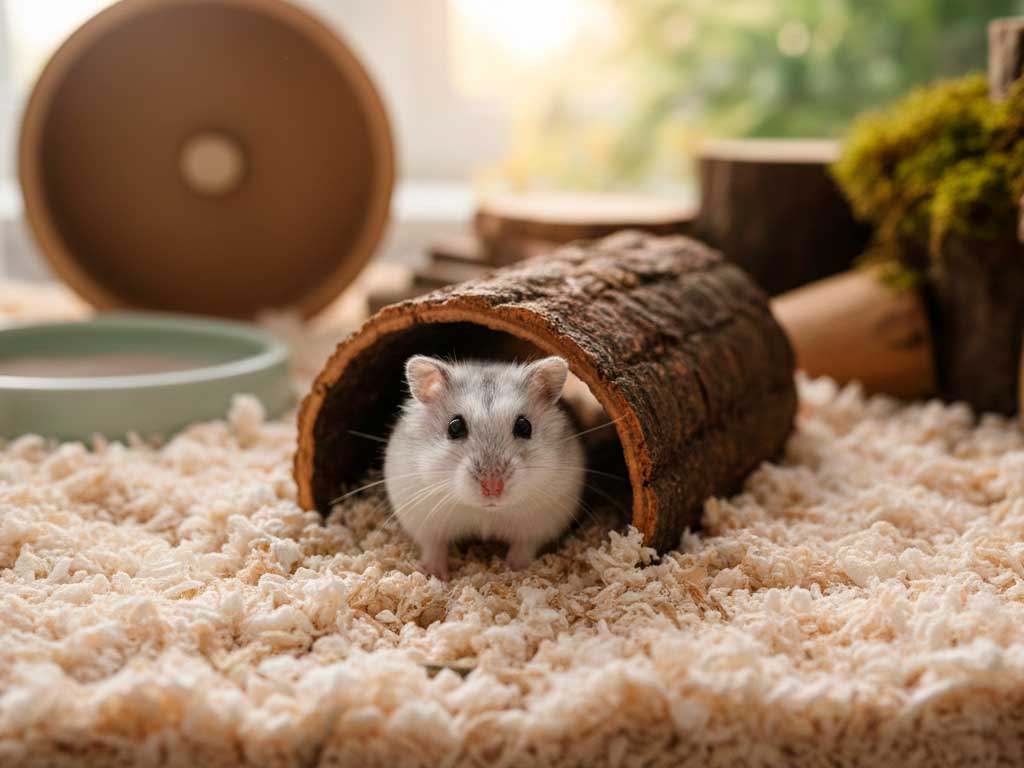
If your kids just asked for a hamster, good news: pet hamster care is simpler than most first-time owners expect, once you know the basics. These little guys don’t need a yard, a leash, or hours of daily exercise outside a cage. They just need a few things done right.
This guide covers everything from picking the right species to spotting the first signs something’s wrong. Keep it simple, follow the checklists, and you’ll set your hamster up for a long, healthy life.
Quick Facts
- Lifespan: 2-3 years for Syrian hamsters, up to 3-4 years for some dwarf species
- Adult size: Syrian hamsters 5-7 inches, dwarf species 2-4 inches
- Diet: Omnivore, mostly plant-based with occasional protein
- Social needs: Syrian hamsters live alone, some dwarf species can pair up
- Activity: Nocturnal, most active at dusk and overnight
- Minimum cage floor space: 450-600 square inches, unbroken
Is a Hamster the Right Pet for You?
Hamsters make great starter pets, but only for the right household. Here’s what nobody tells you before you buy one: they’re nocturnal, so a hamster in a kid’s bedroom might wake everyone up at 11pm running the wheel.
They’re also short-lived compared to most pets, usually 2-3 years. That’s a real conversation to have with kids before bringing one home.
Bottom line: hamsters fit best with families who want a low-maintenance pet, don’t mind evening activity, and are ready to talk about a shorter lifespan upfront. Ready to bring one home? Our guide to where to get a hamster covers adoption, rescues, and pet stores. If you’re also budgeting, our full cost breakdown covers setup, monthly, and vet costs.
Types of Pet Hamsters: Which One Should You Get?
Most pet stores sell a handful of species, and picking the right one matters more than people think.
| Species | Key Traits |
|---|---|
| Syrian (teddy bear) | Largest, solitary, most common, easiest to handle |
| Roborovski | Tiny, extremely fast, best watched not handled |
| Winter White (Djungarian) | Small, can sometimes pair up, color-changing coat |
| Campbell’s dwarf | Small, active, can be nippy if not tamed early |
| Chinese hamster | Slender body, more mouse-like, generally solitary |
Syrian hamsters are the best fit for first-time owners and families with kids, since they’re bigger, easier to handle, and don’t need a cage-mate. Dwarf species are fun to watch but move fast and can be trickier for young children to hold safely.
Never house two Syrian hamsters together. They’re solitary by nature and will fight, sometimes fatally. For a full breakdown of every type, see our hamster types and breeds guide.
Setting Up the Perfect Habitat
One of the most common mistakes new owners make is choosing a cage that’s too small. Inadequate space leads to stress, boredom, and repetitive behaviors like bar biting. Our hamster cage buying guide compares real options by size and species.
- Minimum dimensions: at least 60 cm long, 50 cm wide, and 50 cm deep
- Go vertical: a two-story cage adds enrichment space, but floor space still matters most
- The Roborovski exception: skip barred cages for this species, they can squeeze through narrow gaps. A glass tank or terrarium works better
Location and Environment
Where you place the cage matters as much as the cage itself.
- Temperature: keep the room between 18°C and 26°C (64°F-79°F)
- Lighting: semi-shaded spot, never direct sunlight, it can cause fatal heatstroke
- Airflow: well-ventilated but free from cold drafts
Bedding and Enrichment
Your hamster needs bedding that’s absorbent and dust-free. Natural wood pellets or cellulose-based bedding are the safest picks for respiratory health.
Keep it simple with these enrichment basics:
- A safe retreat, a small house or nest for sleeping and hiding
- Tunnels, bridges, and chew toys for mental stimulation
- Wooden chews or fruit tree branches, since hamster teeth never stop growing
- A solid-surface exercise wheel sized to the species, no wire wheels
Nutrition: Building a Balanced Diet
A hamster’s diet should be rich in fiber and low in fat. Commercial pellet mixes are a great daily base, and fresh food fills in the gaps. For portion sizes and a full toxic-food list, see our hamster food guide.
The Daily Base
Most commercial pellet mixes cover the basics well. If you want to build a natural mix at home, use raw ingredients like oats, wheat, corn, barley, rice, and lentils.
Fresh Supplements
- Vegetables (daily): carrots, zucchini, tender sprouts, small amounts of broccoli
- Fruits (2-3 times a week): apples, pears, strawberries, small amounts of kiwi
- Protein boost: occasional unsalted nuts like walnuts or sunflower seeds
Foods to Avoid
Never feed a hamster grapes, onion, garlic, avocado, rhubarb, chocolate, salt, or anything spicy. These are toxic to their small systems, and even a small amount can cause serious harm.
Handling and Taming Your Hamster
New hamsters need a few quiet days to settle in before handling. Rushing this step is one of the most common mistakes families make.
- Let your hamster explore your open palm before trying to pick them up
- Approach slowly, never grab from above, it mimics a predator attack
- Handle in a low, enclosed space at first in case they jump
- Keep early sessions short, five to ten minutes builds trust faster than long ones
Bar biting or nipping usually means stress, boredom, or a cage that’s too small. Rework the setup before assuming the hamster is just “mean.” For a full walkthrough of building trust and avoiding bites, see our hamster taming guide.
Grooming and Sand Baths
Hamsters groom themselves, but a sand bath keeps their coat clean and gives them enrichment at the same time. Offer a shallow dish of chinchilla sand once or twice a week, never water, since wet hamsters can chill quickly and get sick.
Health Monitoring and Warning Signs
Hamsters are experts at hiding illness, so regular observation matters more than it does with most pets. A healthy hamster is active, has clear eyes, and a clean coat. If you ever find your hamster cold and unresponsive, don’t panic right away — our hamster hibernation guide walks through how to check safely.
Watch for these warning signs and contact a vet who treats small exotics if you see them:
- Loss of appetite or sudden weight loss
- Dull fur or patches of hair loss
- Sneezing or nasal discharge
- Lethargy or unusual tiredness
- Diarrhea, sometimes called “wet tail,” which can turn serious fast — see our full illness signs guide for details
This guide shares general care information and isn’t a substitute for veterinary advice. If your hamster shows any of these signs, get it checked by a professional right away, since small rodents can decline quickly.
Mistakes First-Time Owners Make
- Buying a cage that looks cute but doesn’t meet the minimum floor space
- Housing two Syrian hamsters together thinking they’ll bond
- Handling a new hamster the same day it comes home
- Feeding fruit daily instead of a few times a week
- Skipping the sand bath and wondering why the coat looks dull
- Waiting too long to call a vet once symptoms show up
Frequently Asked Questions (FAQ)
Keep it simple: pick the right species for your family, size the cage correctly, and watch for the early warning signs of illness. Get those three right, and pet hamster care becomes one of the easiest routines in the house.