Portuguese Water Dog: Portugal’s Web-Footed Fishing Companion
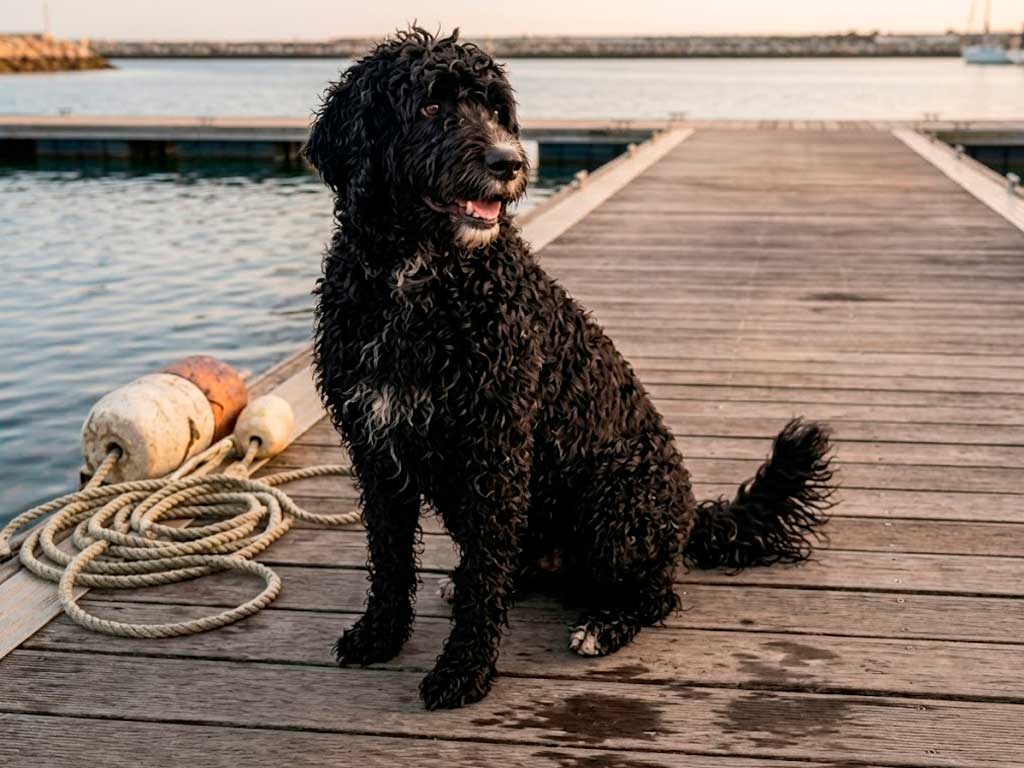
The Portuguese Water Dog is a muscular swimmer built for open water, and this guide covers everything you need before bringing one home. Bred to help fishermen retrieve nets and carry messages between boats, this breed still carries that working drive today.
Below, you’ll find details on temperament, grooming, exercise needs, and the health checks every buyer should ask a breeder about. One detail surprises most first-time owners: this breed has webbed feet, which makes it an exceptional swimmer rather than a casual wader.
Keep reading to see whether this energetic, low-shedding companion fits your household.
History and Origin
Records of a shaggy, black-coated dog resembling today’s Portuguese Water Dog date back to the twelfth century. Fishermen along the Portuguese coast relied on the breed to herd fish into nets, retrieve gear that fell overboard, and carry messages between boats.
Numbers dropped sharply in the 1960s as fishing techniques changed and the dogs became less essential to the trade. Breeders eventually stepped in to preserve the line, and renewed interest as a companion and show dog has since replaced its traditional working role.
The breed gained mainstream attention when Bo, a Portuguese Water Dog gifted by Senator Ted Kennedy, became the Obama family’s pet at the White House. His playmate Sunny, another dog of the same breed, joined the family soon after.
Physical Characteristics
This rectangular, muscular breed comes in two coat types: a long, wavy coat and a shorter, curlier one with tighter ringlets. Show dogs are often clipped in a traditional lion cut, shaved close on the muzzle, hindquarters, and part of the tail.
- Height: males 20 to 22 inches, females 17 to 20 inches
- Weight: 35 to 55 pounds depending on sex and build
- Coat colors: black, white, brown, black and white, or brown and white
- Life expectancy: 12 to 15 years
Webbed feet set this breed apart from most dogs. That adaptation, combined with a thick, water-resistant coat, explains why the Portuguese Water Dog takes to lakes and pools so naturally.
Temperament and Personality
Bold, alert, and quick to learn, this dog thrives on having a job to do. It bonds closely with its family and makes a dependable watchdog, barking to signal visitors rather than out of nervousness.
Stubborn streaks show up when motivation is missing, so training sessions work best when they feel like a game. Most dogs of this breed respond quickly once they trust their handler, and that trust builds fast with consistent, reward-based practice.
Care Guide
Diet and Nutrition
Feed a complete, balanced diet formulated for an active medium-sized breed, split into two meals a day. Fresh water should stay available at all times, especially after swimming sessions or exercise.
Weigh your dog regularly and adjust portions as needed, since this breed’s muscular build can mask early weight gain. A veterinarian or canine nutritionist can help you fine-tune portions as your dog ages.
Exercise Requirements
Plan for at least one hour of exercise daily, and more when possible. Swimming ranks as the ideal outlet, since this breed will dive in rather than simply paddle at the edge.
Avoid letting your dog swim in unsafe water, such as icy lakes or fast-moving currents. Brisk walks, fetch, and structured play round out a well-balanced routine on days without water access.
Grooming Needs
Both coat types need regular brushing to prevent matting, and owners who keep the show clip should plan on clipping every few weeks. Many pet owners instead choose a simple, low-maintenance puppy trim.
Because this breed sheds minimally and lacks an undercoat, many allergy sufferers tolerate it better than other dogs. Professional grooming adds a recurring cost worth budgeting for before you bring one home.
Training and Education
Start socialization and basic obedience early, since this intelligent breed picks up commands fast and gets bored with repetition. Short, varied sessions hold its attention better than long drills.
Introduce this dog to other pets gradually and under supervision, as some individuals need extra guidance to live comfortably alongside cats or smaller animals. Positive reinforcement, using treats and praise rather than correction, produces the most reliable results.
Health and Longevity
Like many purebred dogs, the Portuguese Water Dog can develop hip dysplasia, a condition that affects joint mobility over time. Reputable breeders screen hips and eyes before breeding and test for a rare but serious inherited heart condition specific to the breed.
Ask any breeder for documentation of these health clearances before committing to a puppy. This article offers general information only and does not replace advice from a licensed veterinarian, who can evaluate your dog’s individual health needs.
Is This the Right Dog for You?
This breed suits active owners who enjoy water, long walks, and daily training sessions rather than a quiet, low-key lifestyle. First-time dog owners can succeed with one, though prior experience with intelligent, high-energy breeds helps.
Apartment living works only with a serious commitment to daily exercise, since boredom quickly turns into unwanted barking or chewing. Families near a lake, beach, or regular access to safe water will get the most out of this breed’s natural talents.
Frequently Asked Questions
Is the Portuguese Water Dog hypoallergenic?
It sheds very little and lacks an undercoat, which makes it a common choice for allergy sufferers. No breed is completely allergen-free, so spending time with one before adopting is still worthwhile.
How much exercise does a Portuguese Water Dog need?
Aim for at least one hour of activity a day, ideally including swimming. Without enough outlets, this breed tends to develop destructive habits.
Are Portuguese Water Dogs good with children?
Yes, when raised alongside kids and given proper socialization. Adults should still supervise every interaction between dogs and young children.
How long do Portuguese Water Dogs live?
Most live between 12 and 15 years with good nutrition, regular vet care, and consistent exercise.
Do Portuguese Water Dogs bark a lot?
They bark to alert their family to visitors or unusual activity, functioning as capable watchdogs. Consistent training curbs excessive barking without dulling that natural alertness.
If you like the idea of an athletic, water-loving companion, the Spanish Water Dog shares a similar coat and work ethic and makes a natural next read. Not sure which breed fits your lifestyle? Browse the full Dog Breeds hub or take the Dog Breed Quiz to find your match.