Cesky Terrier: Built From Two Other Terriers
What if you want a terrier with a determined streak, a softer expression, and a coat that gives it a look unlike most other terriers? The Cesky Terrier might be worth getting to know.
Developed in the Czech Republic, this relatively rare breed combines a practical working background with an affectionate nature that can suit family life.
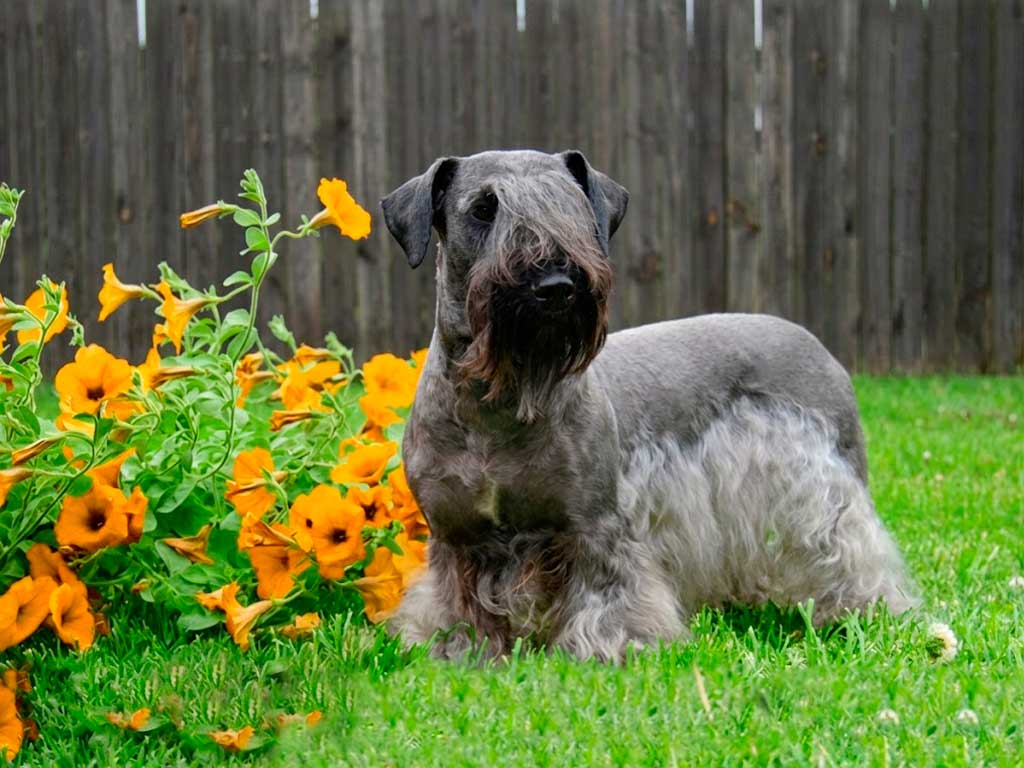
The Cesky Terrier is a short-legged, long-coated dog with folded ears, a sturdy body, and a distinctive beard and eyebrows. It was bred to hunt in the countryside, so curiosity and stamina remain part of its character.
At home, many Ceskies enjoy being close to their people and can be somewhat more laid-back than some other terrier breeds.
That does not mean this is a low-maintenance dog. Its coat needs regular attention, and its hunting instincts influence how it behaves outdoors. Understanding those details will help you decide whether a Cesky Terrier fits your home and routine.
Cesky Terrier at a Glance
- Breed group: Terrier
- Country of origin: Czech Republic
- Size: Small to medium-small
- Height: Approximately 10–13 inches (25–32 cm) at the shoulder
- Weight: Around 13–22 pounds (6–10 kg)
- Life expectancy: Often around 12–15 years, although individual lifespans vary
- Temperament: Friendly, intelligent, devoted, and alert
- Coat: Long, slightly wavy, silky-looking coat
- Recognized colors: Grey-blue and light brown
- Exercise needs: Daily walks, play, and mental stimulation
- Grooming needs: Regular brushing and professional or careful coat trimming
- Best suited to: Owners who enjoy an active companion and can commit to coat care and training
Breed standards describe the ideal appearance, not a guarantee that every dog will have the same measurements or personality.
The Story Behind the Cesky Terrier
The Cesky Terrier has a relatively recent and well-documented origin compared with many established terrier breeds. It was developed in what is now the Czech Republic by František Horák, a breeder who wanted a terrier suited to hunting in the country’s forests and countryside.
Horák began developing the breed in the 1940s. He crossed Scottish Terriers with Sealyham Terriers to create a dog with the determination needed for working underground and the physical characteristics suited to local hunting conditions.
The result was a long-coated, short-legged terrier that could move through dense cover and pursue quarry. Its name, Český teriér, means Czech Terrier, reflecting the breed’s national origins.
Today, the Cesky Terrier is recognized internationally, but it remains uncommon compared with familiar breeds such as the Scottish Terrier or Yorkshire Terrier. Finding a responsible breeder may therefore require patience, research, and possibly joining a waiting list.
Although most Cesky Terriers now live as companions, their original purpose still matters. They may follow scents with great concentration, investigate small animals, and need activities that satisfy both their bodies and their minds.
What Does a Cesky Terrier Look Like?
The Cesky Terrier has a distinctive silhouette. Its body is longer than it is tall, its legs are relatively short, and its muscles are well developed beneath the coat. The overall appearance should be sturdy and agile rather than exaggerated or heavy.
Its head is relatively long, with a gentle expression, medium-sized eyes, and triangular ears that fold forward. The beard and prominent eyebrows add to its recognizable appearance.
Unlike the rough, wiry coat seen on many terriers, the Cesky Terrier’s coat is slightly wavy and has a silky sheen. It is typically clipped into a characteristic shape, leaving longer hair around the face, legs, and underside.
Cesky Terrier Colors
The breed standard recognizes two main colors:
Grey-blue: Puppies are generally born darker, with the coat gradually changing as they mature. The adult color can range from darker grey to a lighter blue-grey shade.
Light brown: This is the other recognized color and is less commonly encountered. Puppies may also change in appearance as their coats develop.
Yellow, grey, or other permitted markings may appear in certain areas, depending on the dog’s color. A puppy’s coat may look different from its adult coat, so color can be difficult to judge early in life.
If you are researching Cesky Terrier puppies for sale, ask the breeder how the coat is expected to develop. Be wary of sellers advertising unusual colors as proof that a dog is a special or more valuable variety.
Cesky Terrier Temperament: What Living With One Is Like
The Cesky Terrier is generally described as friendly, companionable, and alert. It was developed to work independently when hunting, yet many dogs of the breed also enjoy spending time with their families.
Compared with some more intense terriers, the Cesky can be somewhat more tractable and relaxed. That is a tendency, not a guarantee. Individual temperament depends on genetics, early experiences, socialization, training, and the dog’s current environment.
Ceskies often do best when they have a predictable routine and meaningful interaction with their people. They may enjoy a walk, a short training session, and then settling nearby while the household winds down.
Are Cesky Terriers Good Family Dogs?
A Cesky Terrier can be a good family companion when children learn to treat dogs respectfully. Its compact size makes it manageable for many households, while its active nature can appeal to families who enjoy outdoor activities.
Children should not pull at the dog’s beard, ears, or coat, climb on it, or disturb it while sleeping or eating. Supervise interactions with younger children, since even a patient dog can become uncomfortable with rough handling.
Families should also consider the dog’s need for company and activity. A Cesky Terrier may struggle if it receives little attention during the day and has no suitable outlet for its energy.
Are Cesky Terriers Good With Other Dogs?
Many Cesky Terriers can live alongside other dogs, particularly when they have positive experiences from an early age. Introductions should still be gradual, with enough space for both dogs to move away if they feel uncomfortable.
Their hunting background deserves attention when considering smaller pets. A Cesky Terrier may chase rabbits, rodents, or other animals that trigger its prey drive. Never assume that a dog will ignore a small pet simply because it has been raised in a family home.
Cats may be able to share a household with a Cesky Terrier, but success depends on the individual animals and how they are introduced. Provide secure areas for the cat and supervise interactions while the relationship develops.
Do Cesky Terriers Bark a Lot?
Cesky Terriers are alert and may bark when they notice unfamiliar people, sounds, or movement. The amount of barking varies between dogs.
Reward quiet behavior and teach a calm response when someone approaches the home. If your dog reacts to every movement outside a window, reducing its view of the street may help.
Barking can also increase when a dog is bored or left alone for long periods. Exercise, companionship, and activities that encourage sniffing and problem-solving can help address those needs.
Exercise and Mental Stimulation
The Cesky Terrier was bred to work, so daily activity is important even when it lives primarily as a companion. Many healthy adults enjoy a combination of walks, play, and training rather than one demanding workout.
The exact amount depends on age, health, and individual energy. Puppies need age-appropriate activity with opportunities to rest, while older dogs may benefit from shorter walks and gentle games.
Useful activities include:
- Scent walks: Let your dog investigate safe smells rather than rushing through every walk.
- Food puzzles: Use suitable puzzle feeders or hide part of the daily ration for your dog to find.
- Reward-based training: Practice recall, loose-leash walking, and calm behavior.
- Interactive play: Choose games that suit your dog’s size and physical condition.
- Secure outdoor exploration: Give your dog time to investigate a fenced area while supervised.
Because Cesky Terriers can follow an interesting scent, a leash is the safer choice in unsecured areas. Practice recall in enclosed spaces before adding distractions, and do not rely on a trained response alone near roads or wildlife.
Mental activity matters too. A short scent game can provide a useful outlet on days when the weather limits outdoor exercise.
Cesky Terrier Grooming and Coat Maintenance
The Cesky Terrier’s coat is one of its defining features, but it requires a different approach from the wiry coat of many other terriers. Its hair is generally clipped into shape, with longer areas retained around the face, legs, and underside.
Brush the coat several times a week, adjusting the routine according to its length and tendency to tangle. Pay particular attention to the beard, legs, belly, and areas where a harness or collar may create friction.
Regular grooming helps prevent mats from becoming tight against the skin. It also gives you an opportunity to check for debris, irritation, and parasites after outdoor activities.
Does a Cesky Terrier Need Professional Grooming?
Many owners find that professional grooming makes coat maintenance easier, especially when they want to preserve the breed’s traditional outline. A groomer familiar with Cesky Terriers or similar clipped breeds can help establish an appropriate schedule.
The coat is usually clipped rather than maintained through the hand-stripping technique commonly associated with some rough-coated terriers. If you are choosing a groomer, explain that you want a breed-appropriate trim rather than a generic short haircut.
Ask the groomer to show you how to maintain the coat between appointments. A few minutes of brushing at home can make each grooming session more comfortable.
Everyday Care Beyond the Coat
Grooming also includes the parts of your dog that are easy to overlook:
- Brush the teeth regularly using dog-safe toothpaste.
- Trim the nails before they become too long.
- Check the ears for redness, odor, or unusual discharge.
- Inspect the skin for irritation or lumps.
- Remove debris from the beard after meals or outdoor adventures.
- Use a suitable dog shampoo when bathing is needed.
Introduce handling gradually, especially if your dog is young or unfamiliar with grooming. Reward calm behavior and keep sessions manageable rather than forcing your dog to tolerate everything at once.
Training a Cesky Terrier
Cesky Terriers are intelligent dogs, but their terrier background means they may sometimes prefer following an interesting scent to responding immediately to a cue.
Training works best when it is clear, consistent, and rewarding. Short sessions can help maintain attention, especially when you are teaching a new skill.
Start with these priorities:
- Recall: Practice coming when called in a secure area. Reward your dog generously and increase distractions gradually.
- Leash manners: Reward walking beside you without pulling. Allow sniffing breaks so walks do not become a constant struggle for attention.
- Leave it: Teach your dog to disengage from an object or distraction. Begin indoors and progress to more challenging settings.
- Settling: Reward your dog for relaxing on a mat or bed. This helps build a calm routine after walks and play.
- Handling: Make gentle checks of the paws, ears, mouth, and coat part of everyday life. This can make grooming and veterinary examinations less stressful.
Socialization should begin early and continue throughout adulthood. Introduce your dog to different people, environments, surfaces, sounds, and well-matched dogs without forcing interactions.
If your Cesky Terrier becomes distracted outdoors, increase distance from the distraction and reward attention before trying again. Patience and consistency are more useful than punishment.
Cesky Terrier Health and Lifespan
The Cesky Terrier is generally considered a sturdy breed, and many live into their early to mid-teens. However, no breed is completely free from inherited or age-related health problems.
Because the breed is relatively uncommon, prospective owners should ask breeders about the health of their dogs and the screening practices used in their breeding program. Ask for records where available rather than relying on verbal assurances.
Potential health concerns worth discussing with a veterinarian include:
- Patellar luxation: The kneecap moves out of its normal position and may cause intermittent limping or an unusual gait.
- Eye conditions: Eye examinations may help identify certain problems that can affect vision.
- Neurological signs: Unexplained changes in coordination, movement, or behavior warrant veterinary assessment.
- Dental disease: Small and medium-small dogs can develop plaque buildup and gum problems without regular dental care.
- Weight gain: Excess weight can affect mobility and place additional strain on the joints.
These are considerations to discuss, not a prediction that your dog will develop any of them. The relevance of specific tests depends on current breed guidance, family history, and veterinary advice.
Arrange routine veterinary checkups and seek professional advice if you notice persistent limping, difficulty seeing, unusual weakness, changes in appetite, or other concerning symptoms. Early assessment is preferable to guessing at the cause.
A responsible breeder should be willing to discuss known health concerns and explain the steps taken to support the wellbeing of their dogs. Avoid anyone who promises that a puppy is guaranteed to remain healthy for life.
Feeding a Cesky Terrier: Diet and Nutrition
A Cesky Terrier needs a complete and balanced diet appropriate for its life stage, activity, and body condition. Its feeding needs will change as it grows from puppyhood into adulthood and later life.
Choose a food formulated for the appropriate life stage and follow the product’s feeding guidance as a starting point. Adjust portions with your veterinarian’s help if your dog gains weight, loses weight, or has a health condition that affects its nutritional needs.
Measure meals rather than estimating them by eye. Treats can add up quickly, particularly during training, so include them in the daily calorie allowance.
Is Fresh Dog Food Worth Considering?
If you are exploring fresh food, JustFoodForDogs is one option to review. Check the nutritional information for the specific recipe and confirm that it is complete and balanced for your dog’s life stage.

FROM JUSTFOODFORDOGS
Just Fresh
Resealable meals. No preservatives. Open, serve, refrigerate.
Shop Just FreshHappy Pet Zone may earn a commission when you click through to JustFoodForDogs, at no extra cost to you.
Fresh food is not automatically better for every dog. The right choice depends on nutritional adequacy, portion size, cost, storage, and your dog’s individual health needs.
Transition gradually according to the feeding instructions, and monitor your dog’s appetite, stool, and body condition. If your Cesky Terrier has a medical condition or requires a therapeutic diet, consult your veterinarian before making changes.
For additional feeding guidance, read our complete dog nutrition guide. It can help you understand food choices and build a consistent routine for your dog.
Cesky Terrier Puppies for Sale: Finding a Responsible Breeder
Searching for Cesky Terrier puppies can take longer than finding puppies from more common breeds. The breed is relatively rare, and responsible breeders may have limited litters or waiting lists.
If you are looking for a Cesky Terrier breeder, ask about the parents’ health, temperament, and history. A good breeder should welcome reasonable questions and explain how the puppies are raised and prepared for life in a new home.
Before committing, ask for:
- Veterinary records and age-appropriate preventive care.
- Available health screening information for the parents.
- Details about the puppy’s early socialization.
- A chance to see the puppy’s living environment.
- A written contract and clear return policy.
- Guidance about feeding, grooming, and settling into a new home.
Be cautious if a seller pressures you to pay immediately, refuses to provide documentation, or offers to send a puppy without discussing its needs. A rare breed should never be an excuse to skip basic checks.
How Much Does a Cesky Terrier Cost?
The price of a Cesky Terrier varies by country, breeder, pedigree, availability, and the care provided before the puppy goes home. There is no single price that applies everywhere.
When comparing Cesky Terrier prices, consider the full cost of ownership as well. Food, grooming, routine veterinary care, insurance where available, training, and unexpected medical expenses continue long after the purchase.
A lower initial price is not necessarily a better deal if the seller cannot provide reliable information about the puppy’s background and care.
Can You Adopt a Cesky Terrier?
Adoption may be possible, although finding a purebred Cesky Terrier through a local shelter can be difficult because of the breed’s rarity. Check reputable rescue organizations and breed-specific networks, and ask about Cesky Terrier mixes as well.
For an adult dog, find out as much as possible about its behavior, health, previous living situation, and compatibility with children or other pets. A thoughtful match is more important than finding a dog quickly.
Whether you adopt or buy, take time to assess the individual dog’s needs and the support available to you.
Is a Cesky Terrier the Right Match for Your Home?
The Cesky Terrier may suit someone who wants an active companion with a distinctive appearance and a close bond with its family. It can adapt to different homes when its exercise, training, and social needs are met.
Its coat is a genuine commitment, and its hunting instincts require sensible management outdoors. You should also be prepared to spend time teaching household manners and helping your dog learn how to settle.
Before bringing one home, consider whether you can provide daily activity, regular grooming, veterinary care, and companionship. If you are comfortable with those responsibilities, the Cesky Terrier could be a rewarding addition to your household.
Start by speaking with a reputable breeder or rescue organization, learning about the breed’s needs, and meeting individual dogs when possible. That is the best way to decide whether this uncommon Czech terrier belongs in your life.