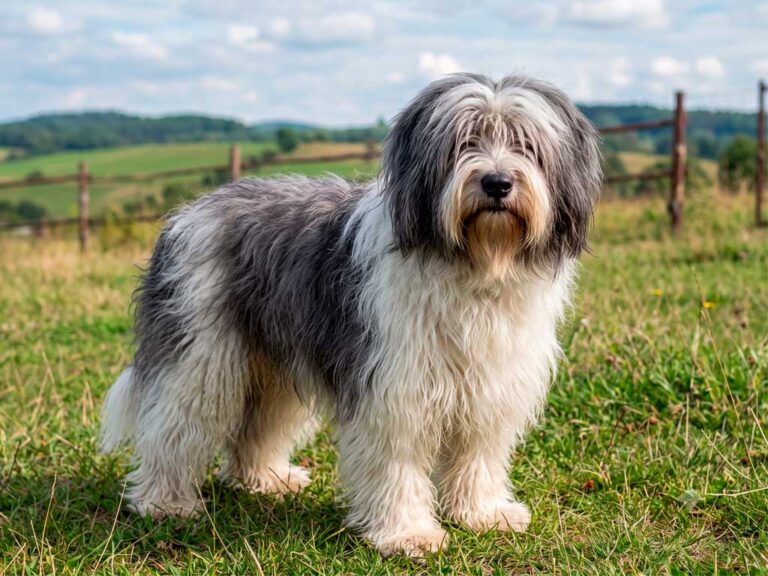
Basset Bleu de Gascogne (Blue Gascony Basset): The Complete Breed Guide
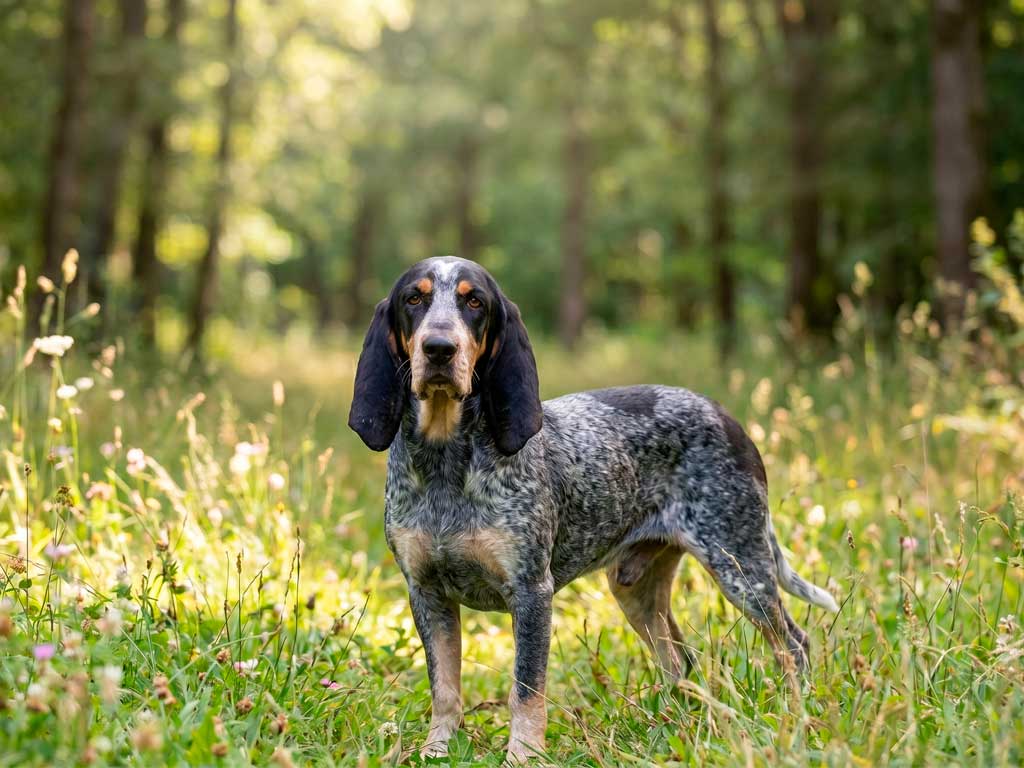
Ever met a dog that looks like it stepped out of a 19th-century hunting painting? That’s the Basset Bleu de Gascogne for you.
This rare French scent hound pairs a striking blue-mottled coat with a personality that’s equal parts stubborn and sweet. Officially, the FCI lists it in English as the Blue Gascony Basset, so don’t let that trip you up if you see it listed both ways.
In this guide, you’ll get the real history behind the breed, what daily care actually looks like, the health issues worth watching for, and an honest look at whether this dog fits your life. I’ll also cover what it typically costs to bring one home, since that question comes up constantly.
Quick facts before we dive in:
- Origin: Gascony, southwest France
- Group: FCI Group 6, Scenthounds (small-sized section)
- Height: 13–15 inches (34–38 cm) at the withers
- Weight: Roughly 35–40 lbs (15–18 kg), though the official standard doesn’t set a hard number
- Lifespan: About 10–12 years
- Also known as: Blue Gascony Basset
- Recognized by UKC: 1991
History and Origin
The Basset Bleu de Gascogne traces its roots to Gascony, in southwest France. Written references to “blue dogs” from the region go back to the 12th century.
Here’s the part most articles skip: this particular basset-sized version wasn’t the original hunter of wild boar and wolves. That job belonged to its ancestor, the much larger Grand Bleu de Gascogne. As big-game hunting declined in France, breeders wanted a shorter, slower dog suited to hunting rabbit and hare on foot, following the scent trail rather than running it down.
So they bred down. By the end of the 19th century, French huntsmen, mostly in the western regions, had stabilized a smaller version of the Grand Bleu into what we now know as the Basset Bleu de Gascogne. The breed nearly disappeared twice along the way, and both times, dedicated breeders brought it back from the edge.
The United Kennel Club recognized the breed in 1991. Today it remains genuinely rare outside France, and that rarity is part of the appeal for a lot of owners.
One more detail worth knowing: “Basset” means low-set, “Bleu” refers to the blue-grey mottled coat, and “de Gascogne” tells you exactly where it came from. French hound naming doesn’t waste time on mystery.
Basset Bleu de Gascogne vs. Its French Cousins
If you’re researching this breed, you’ll probably run into two other names: the Grand Bleu de Gascogne and the Petit Basset Griffon Vendéen. They get confused with each other constantly.
The Grand Bleu de Gascogne is the direct ancestor, a much larger dog standing 24–28 inches, still built for big-game and pack hunting. Think of the Basset Bleu as a scaled-down specialist version of that original hound.
The Petit Basset Griffon Vendéen isn’t related by lineage at all. It’s a different French basset-type breed, from a different region, with a rough wire coat instead of the Basset Bleu’s smooth blue mottling. They just happen to share the short-legged “basset” body type.
Bottom line: same general silhouette, three genuinely different breeds. Worth knowing before you commit to one over the others.
Physical Characteristics
The Basset Bleu de Gascogne is a medium-sized dog with a long body and short legs, classic basset proportions similar to what you’d see on a Basset Hound. Don’t mistake that low frame for fragility, though. This is an athletic, muscular dog built for hours on the trail, not short bursts of speed.
The coat is the real signature here. Base color is white speckled with black, creating the dense mottling that gives the breed its blue-grey look. Tan markings, sometimes called “feu” markings, typically show up above the eyes, on the cheeks, and along the legs.
According to the official FCI and UKC breed standards, a few specific traits define a correct Basset Bleu:
- Two black patches typically cover the ears and surround the eyes, without meeting at the top of the skull
- A white blaze runs down the middle of the head, usually centered on a small oval black spot, a genuine hallmark of the breed
- Long, low-set ears that curl inward and reach at least to the tip of the nose
- Deep-set, oval brown eyes with a gentle, slightly sad expression
- A tail carried “saber fashion,” curved upward, never straight up or over the back
Breed clubs also list disqualifying faults for anything other than this described coat, along with an overshot or undershot bite. That level of detail matters mostly to breeders and show owners, but it’s a useful checklist if you’re evaluating a puppy from a breeder claiming purebred lines.
Temperament and Personality
The official breed standard describes the Basset Bleu de Gascogne with two words: “sagacious” and “bold.” That’s your first clue this isn’t a run-of-the-mill dog.
Sagacious means sharp and perceptive. Bold means self-assured. Put together, you get a dog that thinks for itself, which is both a strength and a real challenge for a first-time owner.
With family, expect warmth and loyalty. With strangers, expect a little reserve at first; this dog takes its time deciding who’s worth trusting. That’s not aggression. It’s just classic hound behavior.
A few things to know about daily life with this breed:
- It’s vocal. The Basset Bleu has a deep, musical bay, and it’s not shy about using it
- It gets along well with kids and other dogs, especially with early socialization
- It will follow its nose anywhere, which makes a secure yard non-negotiable
- It doesn’t demand constant attention but does want to be near its people
This breed suits owners with some prior dog experience more than total beginners. Not because it’s difficult in a bad way, just independent enough to need patient, consistent handling.
Care Guide
Diet and Nutrition
Feed a diet with quality protein, healthy fats, digestible carbs, and the right vitamins and minerals, the same nutritional basics that apply to most medium breeds. Fresh water should be available at all times.
A few specifics for this breed:
- Two meals a day, not free-feeding. The Basset Bleu is prone to gastric bloat (GDV), a life-threatening condition where the stomach fills with gas and twists. Smaller, more frequent meals reduce that risk.
- Skip vigorous exercise for about an hour before and after meals.
- Watch the weight closely. Extra pounds put real strain on that long spine.
- Choose food formulated for medium breeds with moderate energy needs.
When you’re unsure about portions, talk to your vet. The feeding guide on the bag is a starting point, not a rulebook.
Exercise Requirements
This dog was bred for slow, sustained hunting across rough terrain, and that heritage still shapes how much exercise it needs today. Plan on 1–2 hours daily, ideally split into two walks.
Here’s the thing: the moment this dog catches an interesting scent, everything else stops existing. Recall training isn’t optional here; it’s essential. Until your Basset Bleu has a genuinely reliable recall, keep off-leash time limited to fenced, traffic-free areas.
Scent games, nose work classes, and treat hide-and-seek go a long way for this breed beyond structured walks. Mental stimulation matters just as much as the physical kind.
Grooming Needs
The short, dense coat is genuinely low-maintenance. Weekly brushing removes dead hair and keeps things looking healthy, and baths only need to happen occasionally, more often if your dog’s had a particularly muddy adventure.
The ears are the real grooming priority. Those long, floppy ears trap warm, moist air against the ear canal, which is exactly what bacteria and yeast love. Check them weekly and clean gently with a vet-recommended ear cleaner.
Round out the routine with nail trims every 3–4 weeks and a few teeth-brushing sessions per week to keep periodontal disease at bay.
Training and Education
Training this breed takes one thing above everything else: patience.
This isn’t a dog that lives to please you. It’s an independent thinker, and it will occasionally decide that a scent trail matters more than sitting on command. That’s not disobedience. That’s centuries of selective breeding doing exactly what it was built to do.
What actually works:
- Start early. Begin puppy socialization and basic obedience the day your puppy comes home.
- Use positive reinforcement only. Treats and praise work. Harsh corrections shut this sensitive breed down fast.
- Keep sessions short. Ten to fifteen focused minutes beats an hour of repetition every time.
- Prioritize recall above all else. One solid command can prevent years of dangerous off-leash situations.
- Try scent-based activities, like AKC Scent Work or Barn Hunt. These line up with the breed’s natural drives and build real confidence.
My rescue mutt Biscuit isn’t a scent hound by any stretch, but the same rule applied when we worked on his recall: short sessions, high-value treats, zero punishment. It works even better with a dog whose whole world runs on its nose.
This breed generally does fine with other dogs, especially when raised together. Cats and small pets are a different story: the prey drive can kick in, particularly if something runs. Careful management matters in multi-pet homes.
Health and Longevity
The Basset Bleu de Gascogne typically lives around 10 to 12 years, sometimes longer with good care, solidly average for a medium-sized breed.
This is a fairly robust breed overall, with fewer inherited health problems than a lot of more heavily commercialized breeds. Still, a few things are worth watching:
Spinal issues. The long spine and short legs put mechanical stress on the vertebrae, and intervertebral disc disease (IVDD) is a real concern across all basset-type breeds. Skip activities like jumping from furniture, and keep your dog at a healthy weight to reduce the strain.
Joint development. Hip and elbow dysplasia can show up in this breed. Ask any breeder for health testing documentation on both parents before you commit to a puppy.
Ear infections. Those pendulous ears restrict airflow, making this breed noticeably more prone to otitis than upright-eared dogs. Weekly checks aren’t optional.
Gastric dilatation-volvulus, or bloat. Deep-chested dogs face a higher risk here. Two smaller meals, no post-meal exercise, and knowing the warning signs, a distended belly, unproductive retching, sudden restlessness, can save a life. GDV is always a veterinary emergency. Keep a dog first aid kit on hand and know your closest emergency vet before you need one.
Eye health. Check periodically for entropion, or inward-rolling eyelids, which shows up fairly often in loose-skinned, droopy-eared breeds.
None of this replaces an actual vet visit. If something seems off with your dog, get it checked rather than guessing based on an article. A reputable, health-tested breeder dramatically lowers your odds of dealing with inherited conditions in the first place.
Cost and Rarity: What to Expect
Because this breed is genuinely rare outside France, pricing swings widely depending on where you’re located.
In France, puppies from health-tested parents typically run somewhere between €800 and €1,500. In the US or UK, expect to pay noticeably more, partly because of import costs and partly because so few breeders work with the line locally.
Be cautious of unusually cheap listings. A bargain-priced Basset Bleu de Gascogne for sale is a red flag more often than a lucky find; reputable breeders investing in health testing simply don’t price that low.
Budget for ongoing costs too. Food, routine vet visits, ear-cleaning supplies, and flea and tick prevention add up over a year. None of it is unusual for a medium breed, but it’s worth planning for before you bring a puppy home rather than after.
If importing from France feels daunting, look into breed clubs and rescue networks in your country first. Wait lists exist, but they’re often shorter than people expect for a breed this specialized.
Is the Basset Bleu de Gascogne the Right Dog for You?
This is a remarkable breed, but it’s genuinely not for everyone.
This dog is a great fit if you:
- Have some experience with dogs, especially independent or hound breeds
- Can commit to 1–2 hours of exercise daily
- Have a securely fenced yard
- Enjoy an active outdoor lifestyle
- Like a dog with real personality and a voice of its own
- Want to try scent sports or nose work
This breed might not be ideal if you:
- Want a highly obedient dog straight out of the box
- Live in an apartment with no outdoor access
- Own very small pets that could trigger prey drive
- Can’t handle occasional loud baying
- Are a first-time owner without any support system in place
Families with kids tend to do well with this breed. It’s affectionate, tolerant, and genuinely playful once it warms up. As always, supervise interactions between dogs and young children, and teach both sides to respect each other.
Give it time, and a Basset Bleu de Gascogne rewards a patient owner with years of loyalty and genuine character.
Frequently Asked Questions (FAQ)
Is the Basset Bleu de Gascogne the same as the Blue Gascony Basset?
Yes. “Blue Gascony Basset” is simply the official English translation used by the FCI. Same breed, same standard, just a different name depending on which kennel club or country you’re reading about.
How is the Basset Bleu de Gascogne different from the Grand Bleu de Gascogne?
The Grand Bleu de Gascogne is the larger ancestor breed, standing over two feet tall and built for big-game and pack hunting. The Basset Bleu was developed later, bred down in size specifically for hunting rabbit and hare at a slower pace. They share coloring and temperament traits but are two separate breeds today.
How rare is the Basset Bleu de Gascogne outside of France?
Very rare. It’s primarily found in France, where hound-breeding traditions run deep. In the US, UK, and other English-speaking countries, finding a reputable breeder can mean a genuine wait. That scarcity is exactly why health testing matters so much, since there’s a smaller gene pool to work with.
Do Basset Bleus bark a lot?
Yes, and it’s distinctive. Like most scent hounds, this breed uses its voice often when it catches a scent, wants attention, or gets bored. Thin apartment walls and this breed rarely mix well.
Can a Basset Bleu de Gascogne live with cats?
It’s possible, but it takes real management. As a scent hound with a working prey drive, this dog may be tempted to chase anything small and fast-moving. Early socialization, ideally starting as a puppy, significantly improves the odds of peaceful coexistence.
Is the Basset Bleu de Gascogne good for first-time dog owners?
Not ideally, though it’s not impossible either. This breed’s independence, selective recall, and strong scent drive call for consistent, experienced handling. A highly motivated first-timer who invests in real training classes and sets realistic expectations can absolutely make it work.