Goldfish Tank & Pond Setup: Equipment, Substrate, and Planting Guide
Goldfish tank setups fail more often from undersizing than from any disease or water quality issue covered elsewhere on this site. In practice, most of what goes wrong traces back to a tank bought for the fish’s current size rather than the size it’s going to reach.
This guide covers what equipment a real goldfish setup actually needs, how to choose substrate that won’t turn into a muddy mess, which plants can genuinely survive a goldfish, and the basics of moving up to an outdoor pond.
Tank Size and Core Equipment
A single ornamental goldfish needs a real minimum of 28 to 30 gallons, with at least 10 additional gallons for every goldfish added after that. That number already assumes a single-tail or moderately fancy variety; larger single-tail types covered in the comet and shubunkin guide benefit from even more room given how actively they swim.
Beyond the tank itself, a real setup needs a filtration system rated for roughly twice the tank’s actual volume, given how much waste goldfish produce, a point covered in more depth in the filtration systems guide. A thermometer and a water conditioner round out the basics. Heaters are a genuinely debated point: goldfish are true coldwater fish and don’t strictly need warmth, but some retailers and keepers still recommend a heater specifically to prevent sudden temperature swings in homes with unstable ambient temperature, not to actually heat the water beyond coldwater range.
Choosing the Right Substrate
Quartz gravel or small pea gravel, in the 2 to 3 millimeter range, works better for goldfish tanks than soil-based planting substrates. Goldfish dig constantly, and a soil substrate under a gravel cap turns into a genuinely difficult, muddy mess once that digging mixes the layers together.
Smooth-edged gravel also matters for injury prevention, since goldfish spend real time foraging along the bottom. Sand is possible but can compact enough to limit root movement and create anaerobic patches if not managed carefully, making fine gravel the more forgiving choice for most setups.
Planting a Goldfish Tank
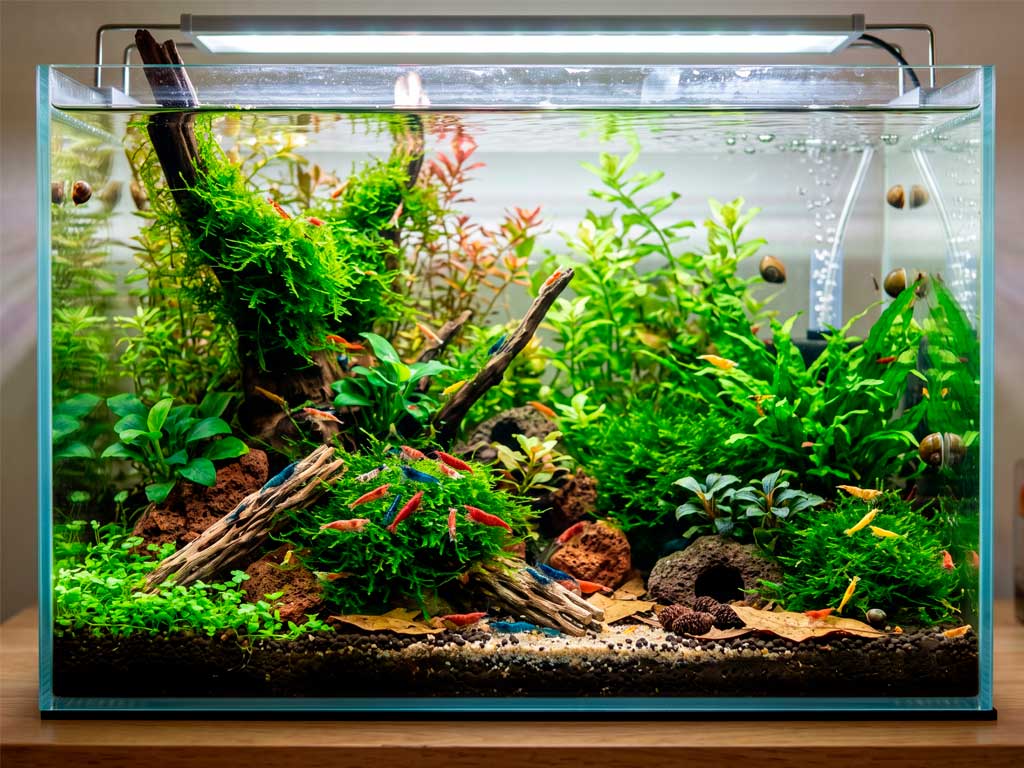
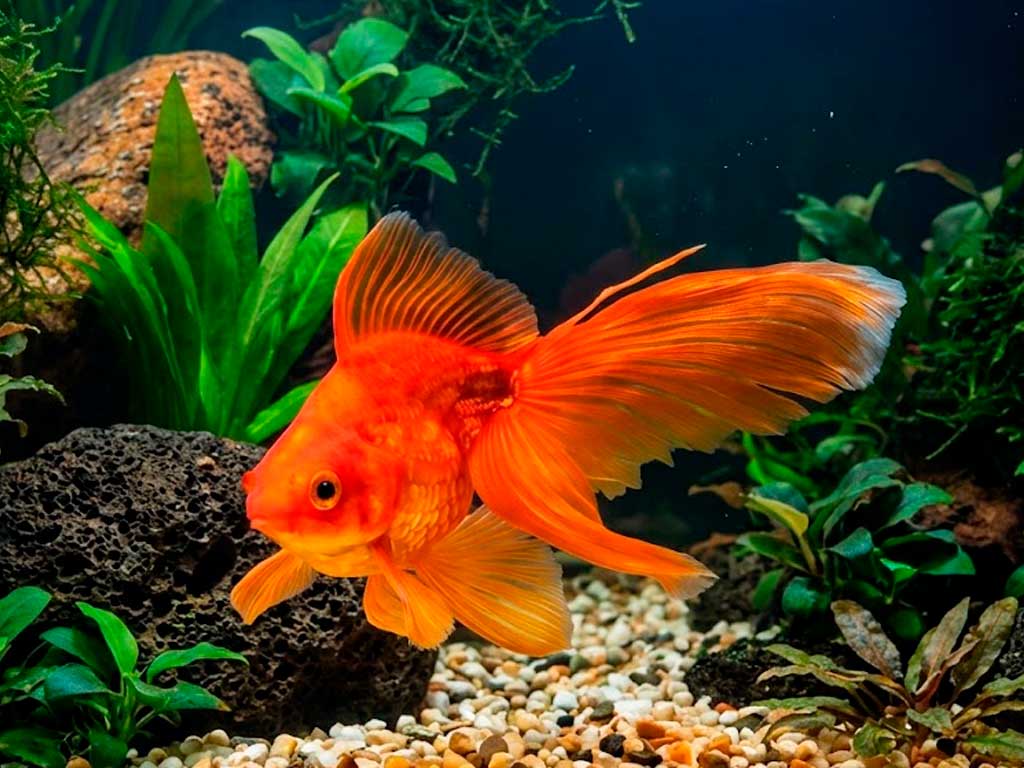
Here’s what actually matters for anyone who assumes goldfish and planted tanks don’t mix: it’s absolutely possible, just with different expectations than a typical aquascape. Goldfish dig, nibble, and generally treat plants as both scenery and snacks, so the plant list needs to lean toward genuinely robust species rather than delicate, fine-leaved ones.
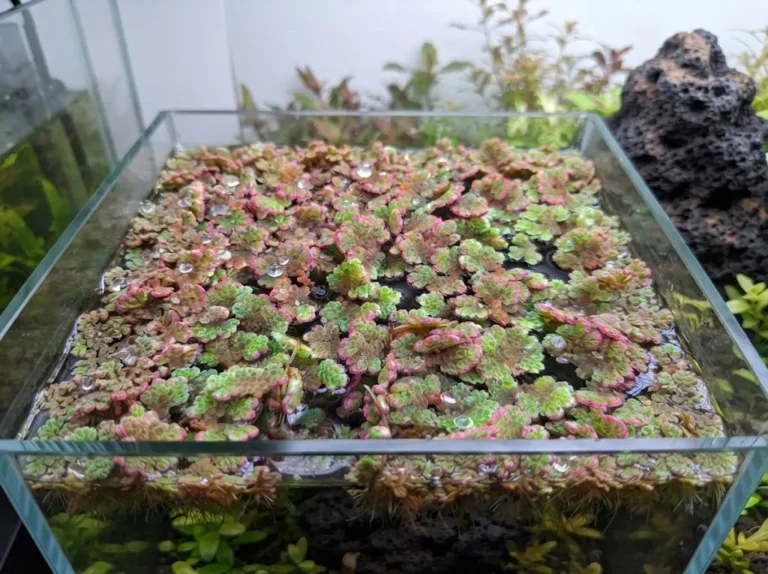
Reliable options include Vallisneria (giant vallis or smaller varieties like V. americana), Amazon sword, Java fern (best attached to driftwood or terracotta rather than planted directly), Cryptocoryne species, and Anubias. Elodea and hornwort work well as expendable, fast-growing “sacrificial” plants that keep goldfish occupied and double as effective nitrate removers, since they get eaten or uprooted constantly but regrow just as fast. Floating plants generally don’t last, since goldfish target the roots first.
Taller plants belong at the back and sides, shorter ones toward the front, with a clear feeding area left open since plants directly under a feeding spot get damaged as fish search for food. Weighing down stem plants with planting lead or heavier decor around the base helps them survive persistent digging, and mixing in a few durable artificial plants alongside real ones is a completely reasonable compromise once fish get larger and more destructive.
Filtration and Water Quality
Goldfish produce a genuinely heavy bioload for their size, which is the single biggest reason undersized, under-filtered tanks run into trouble. A filter rated for double the actual tank volume, combined with regular water changes, keeps ammonia and nitrite from building up to dangerous levels between maintenance sessions.
The filtration systems guide covers sizing a system correctly, which matters more here than with most community fish given how much waste even a single goldfish generates.
Moving Up to an Outdoor Pond
Larger single-tail varieties, along with adult fancy types that outgrow indoor tanks, often end up in an outdoor pond eventually. Depth matters most here: a pond needs at least 18 to 24 inches of depth, and considerably more in climates with real winter freezes, so the water doesn’t freeze solid and trap fish in the process.
Predator protection deserves real planning too, whether that means netting, overhanging plants for cover, or careful pond placement away from obvious access points for birds and other wildlife. Seasonal transition matters as well: goldfish moved outdoors for the warmer months need a gradual temperature acclimation both going out in spring and coming back in before the first hard freeze, since a sudden temperature shift stresses or kills fish far faster than a gradual one.
Stocking Considerations
Tank and pond setup decisions connect directly to which goldfish varieties end up living there. Fast single-tail types and slower, vision-impaired, or finless fancy varieties don’t compete evenly at feeding time, so a setup built around one group generally shouldn’t mix in the other without extra planning around feeding and space.