Aquarium Heaters and Thermometers: Tips and Recommendations
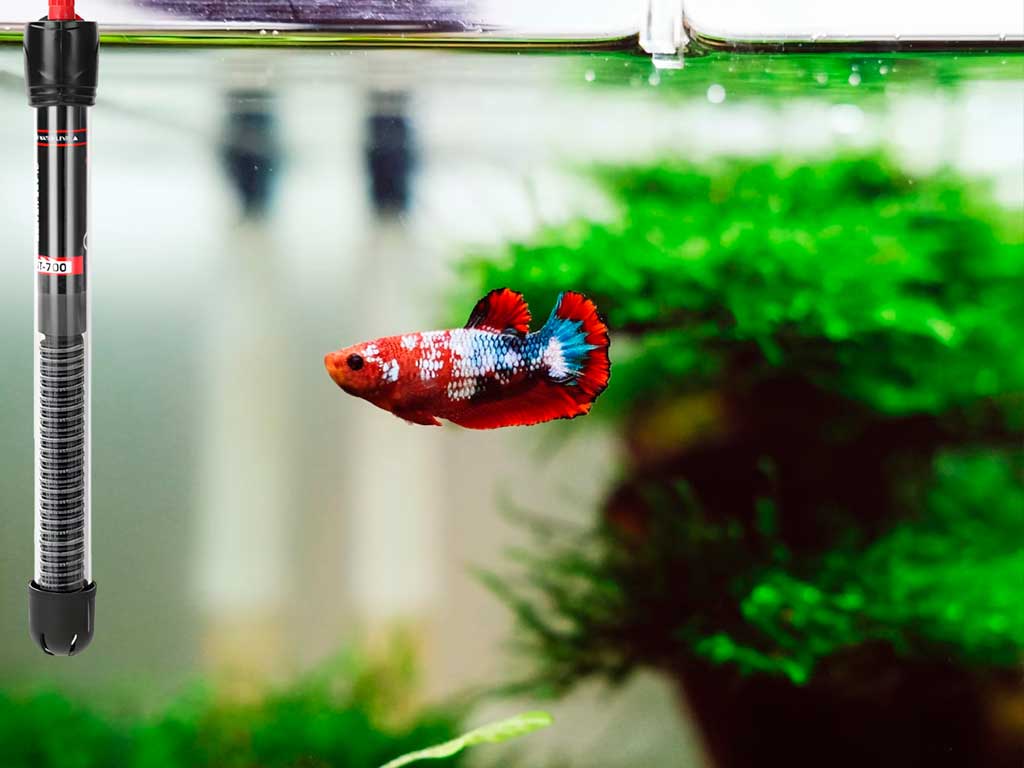
Maintaining a constant and adequate temperature is essential for the health of fish and plants in an aquarium. Temperature influences the metabolism of fish, their immune system, and the growth of aquatic plants. An incorrect temperature can cause stress, illness, and in extreme cases, death of aquarium inhabitants.
Benefits of Using Heaters and Thermometers
Using heaters and thermometers in your aquarium allows you to precisely control and monitor the water temperature. Heaters ensure the water stays in the right temperature range for your fish and plants, while thermometers help you check and adjust the temperature as necessary.
Types of Aquarium Heaters
- Submersible Heaters: Are the most common and are placed directly into the aquarium water. They are easy to install and adjust, and come in various sizes and wattages to suit different types of aquariums. The Tetra 100W Submersible Heater is a solid option for 10 to 30 gallon tanks, with an automatic thermostat that holds water around 78°F.
- Bottom Heaters: are placed under the aquarium substrate. They are ideal for planted aquariums as they help distribute heat evenly throughout the aquarium, promoting healthy plant growth. Installation is simple. You just have to place the heating cable on the glass at the bottom of the aquarium in a geometric pattern, and secure it with the included suction cups. Due to the effect of the heater, the hot water rises to the top of the aquarium and the colder water flows again, allowing greater circulation of water in the substrate, which acts as the aquarium’s natural filter.
- Online Heaters: are installed in the aquarium filtration system, heating the water as it passes through the filter. They are less visible inside the aquarium and can be more energy efficient.
- Rock Heaters: Are designed to look like natural rocks and blend easily into the aquarium landscape. They provide constant heat and are an aesthetic option for those looking to maintain a natural aquarium.
How to Choose the Right Heater
- Aquarium Size: The size of the aquarium is a crucial factor when choosing a heater. Heaters come with aquarium size recommendations, and it is important to follow these recommendations to ensure adequate heating of the water.
- Type of Fish and Plants: Different species of fish and plants have different temperature needs. Research the specific needs of your aquarium inhabitants and choose a heater that can keep the temperature in the appropriate range.
- Desired Temperature Range: Choose a heater that has an adjustable temperature range that matches your aquarium’s needs. Some heaters come with a built-in thermostat that makes it easy to set and maintain the desired temperature.
- Security Features: Look for heaters with safety features like automatic shut-off in case of overheating or if the water level gets too low. These features can prevent accidents and ensure a safe environment for your fish and plants.
Tips for Proper Location
Place the heater near the filter outlet to ensure even heat distribution. Avoid placing the heater directly in the water stream to prevent temperature fluctuations. This pairs naturally with good filter placement, covered in our complete filtration guide.
Common Heater Mistakes That Put Fish at Risk
A few equipment mistakes cause the vast majority of heater-related emergencies, and nearly all of them are preventable once you know what to watch for.
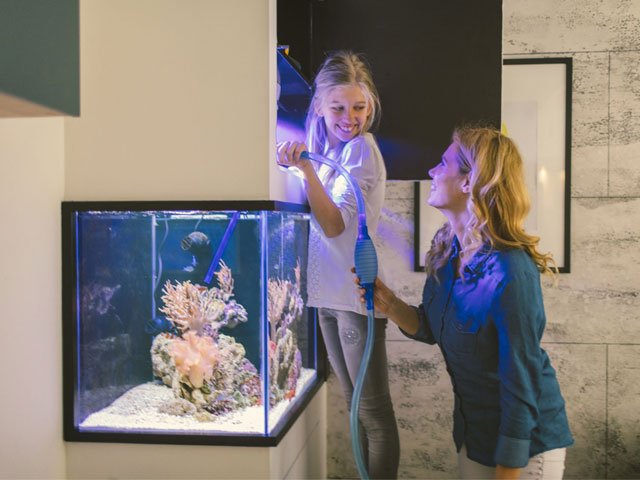
- Letting the Heater Run Dry: This happens most often during water changes, decor rearranging, or equipment maintenance. A heater left powered while exposed to air can overheat rapidly, and dropping a hot heater back into cool water can crack or shatter the glass. Always unplug the heater before the water level drops below it, and wait until it is fully submerged again before switching it back on.
- Relying on a Single Heater in Large Tanks: On aquariums above roughly 40 gallons, two appropriately sized heaters generally outperform one oversized unit. You get more even heat distribution, less strain on each heater, and a backup if one fails.
- Skipping a Backup Heater: Heaters do not last forever, and having a spare on hand means you are not scrambling for a replacement in the middle of a cold snap.
- Oversizing the Heater: A heater that is too powerful for your tank becomes dangerous if it ever sticks in the on position, since the water can heat up faster than you can catch the problem. Match wattage to your actual tank volume rather than rounding up for extra safety margin.
- No Independent Temperature Check: A heater’s indicator light staying on does not guarantee it is actually working. A temperature controller, or simply a separate thermometer placed on the opposite side of the tank from the heater, catches failures your heater’s own thermostat might miss.
Temperature swings also stress fish through the water chemistry side of the equation, not just the thermal side. Our aquarium water chemistry guide covers how temperature interacts with dissolved oxygen and your nitrogen cycle.
Maintenance of Aquarium Heaters
- Regular Cleaning: Clean the heater regularly to prevent the buildup of algae and other debris. Use a soft brush and warm water to clean surfaces without damaging components.
- Component Inspection: Regularly check the heater components, including the cord and thermostat, to ensure there is no damage or wear. Replace any defective components immediately.
How to Avoid Overheating
Make sure the heater is properly adjusted and does not exceed the recommended temperature for your aquarium. Monitor the temperature regularly to detect any problems in time.
If the heater is not heating properly, check the power source and thermostat. If it still does not work, the heater may need to be replaced.
Monitor aquarium temperature
Monitoring aquarium temperature is essential to maintaining a healthy environment. Thermometers allow you to check that the temperature is in the proper range and make adjustments as necessary.
Types of Aquarium Thermometers
- Sticky Thermometers: Sticky thermometers are placed on the outside of the aquarium and are easy to read. They are a cheap and convenient option, although they may be less accurate than other types.
- Glass Thermometers: Glass thermometers are immersed in water and are usually very accurate. They come in various shapes and sizes and are a popular choice for many aquarists.
- Digital Thermometers: Digital thermometers offer accurate and easy-to-read readings. Some models include alarms that activate if the temperature deviates from the desired range. The PAIZOO Digital Aquarium Thermometer is a stick-on option with an LED display and roughly 8,000 hours of battery life, a safer glass-free alternative for tanks with bettas, axolotls, or turtles that might knock into equipment.
- Floating Thermometers: Floating thermometers sit on the surface of the water and are easy to move and adjust. They are useful for large aquariums or for monitoring the temperature in different areas of the Aquarium. The Marina Deluxe Floating Thermometer is a reliable glass option with a suction cup mount, though it does contain glass and a small amount of mercury. Avoid it in tanks with large or boisterous fish that could bump and break it, such as bigger cichlids.
Frequently Asked Questions about Aquarium Heaters and Thermometers
What is the ideal temperature for an aquarium?
The ideal temperature varies depending on the type of fish and plants. Generally, most tropical aquariums are kept between 24-28°C.
How often should I check the aquarium temperature?
It is advisable to check the temperature daily to make sure it stays within the proper range.
Is it necessary to have both a heater and a thermometer?
Yes, both are essential. The heater regulates the temperature, while the thermometer allows you to monitor and make sure the heater is working properly.
What to do if the heater breaks?
Turn off and unplug the heater immediately. Replace it as soon as possible to avoid temperature fluctuations in the aquarium.
What are the best thermometers for small aquariums?
Stick-on and glass thermometers are inexpensive and easy-to-use options for small aquariums.
How to avoid temperature fluctuations in the aquarium?
Use a reliable heater and an accurate thermometer. Make gradual adjustments and monitor the temperature regularly.
Should I unplug my heater during water changes?
Yes, always. A heater left running while partially exposed to air can overheat, and placing a hot heater back into cool water risks cracking the glass.
Do I need a backup heater?
It is a smart precaution, especially heading into colder months. Heaters fail without warning, and a spare means you are not scrambling for a replacement while your tank cools.
Is a temperature controller worth adding to a heater with a built-in thermostat?
Yes, for larger or heavily stocked tanks. A controller checks temperature independently of the heater itself, so it can catch a stuck thermostat before your fish are affected.
With the information and advice provided in this guide, you can ensure that the temperature of your aquarium remains stable and adequate, promoting the health and well-being of all its inhabitants. Temperature-sensitive setups, like a shrimp-safe aquarium or an African Cichlid tank running toward the warmer end of the range, benefit especially from the extra precautions covered above.
Building your first marine tank? Our saltwater aquarium setup guide covers heating alongside the rest of the equipment list.