Setting Up a Shrimp-Safe Aquarium: The Ultimate Companion Guide
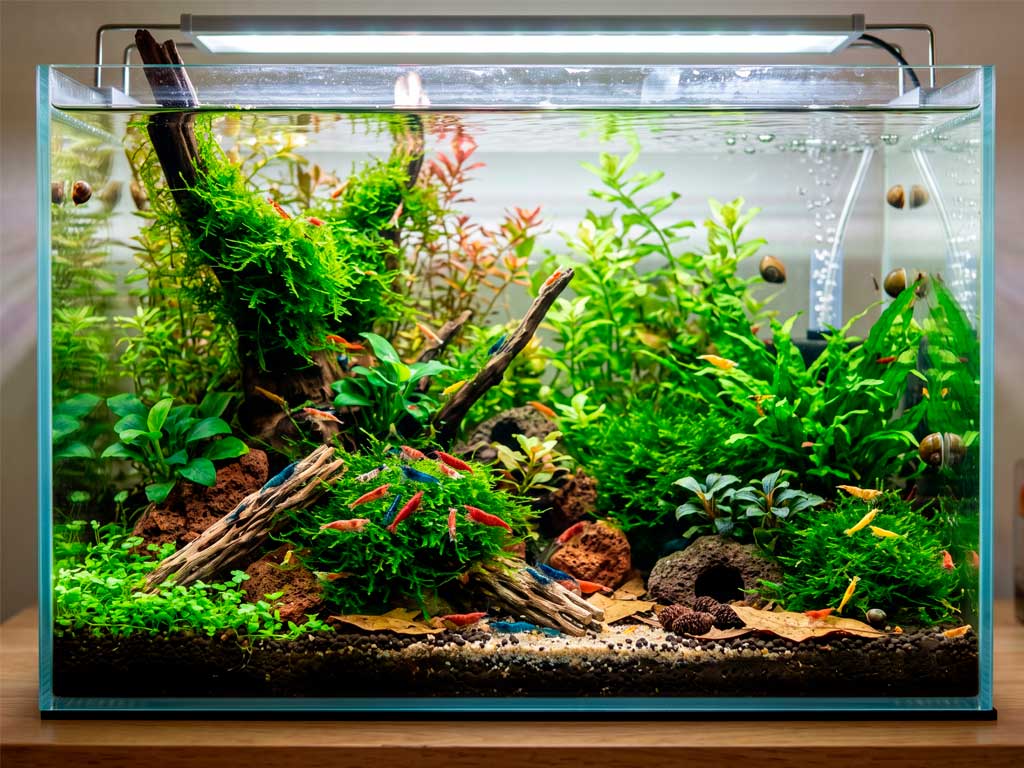
In this guide, you will discover the exact secrets to setting up a shrimp-safe aquarium without risking your precious dwarf shrimp colony.
Indeed, having bred freshwater shrimp alongside various fish species for over a decade, I know which combinations actually work and which ones lead to disaster.
Specifically, we will look at seven popular nano fish and evaluate their safety levels for both adult shrimp and tiny shrimplets. Let us dive straight into building your dream community tank.
The Golden Rule of Coexistence
Many aquarium hobbyists dream of a bustling aquatic community where colorful dwarf shrimp and active fish swim together. However, achieving this balance requires understanding a fundamental truth about aquatic behavior.
Most fish are opportunistic predators that will consume anything fitting inside their mouths. Consequently, keeping adult shrimp safe is relatively easy, but protecting vulnerable babies demands careful planning.
As a general safety precaution, always monitor new fish introductions closely during the first forty-eight hours. If you notice signs of persistent hunting or stress, be prepared to separate the species immediately to preserve your ecosystem.
Understanding Freshwater Shrimp Behavior Around Fish
To create a harmonious environment, you must analyze how freshwater shrimp behave when sharing space with potential predators. In the wild, dwarf shrimp are continuous foragers that spend their entire day grazing on biofilm. However, the presence of fast-moving fish can alter this natural behavior dramatically.
When shrimp feel threatened, they instinctively alter their daily routine to minimize exposure. They will restrict their movements to the dark hours of the night or stay completely embedded within thick plant roots. Consequently, your aquarium might look empty during the day if the livestock combination creates excessive tension.
To counter this issue, choosing peaceful nano tank mates encourages your invertebrates to remain active during daylight hours. When shrimp observe calm, non-threatening neighbors, they feel confident enough to roam the substrate freely. Therefore, a proper selection of tank mates directly impacts how much you get to enjoy watching your pets.
How to Set Up a Shrimp-Safe Aquarium
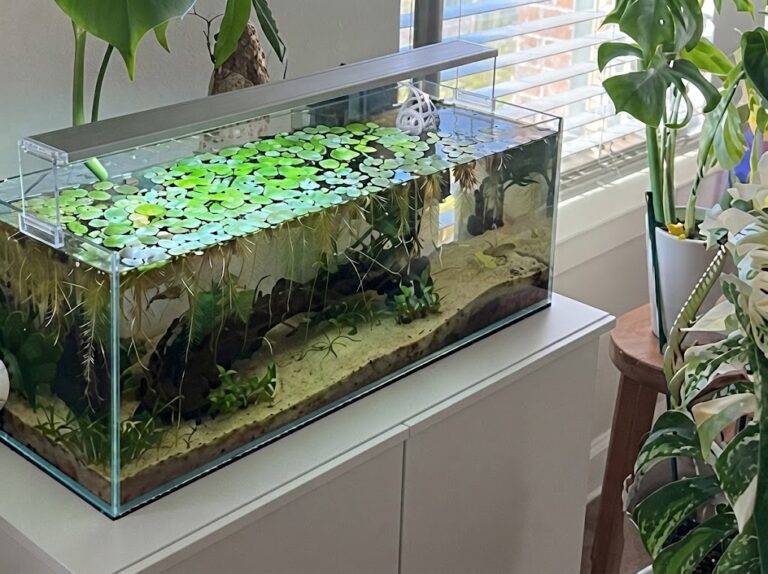
A shrimp-safe aquarium needs dense plant cover, sheltered surfaces for biofilm growth, and filtration that protects newly hatched shrimp. These features give adult shrimp and shrimplets places to hide, feed, and explore while reducing their exposure to fish and strong water currents.
The most effective setup combines mosses, suitable aquatic plants, natural hardscape, and a shrimp-safe filter intake. Each element serves a different purpose, so choosing them carefully before introducing livestock can make the aquarium easier to maintain.
Add Mosses to Provide Shelter and Natural Food
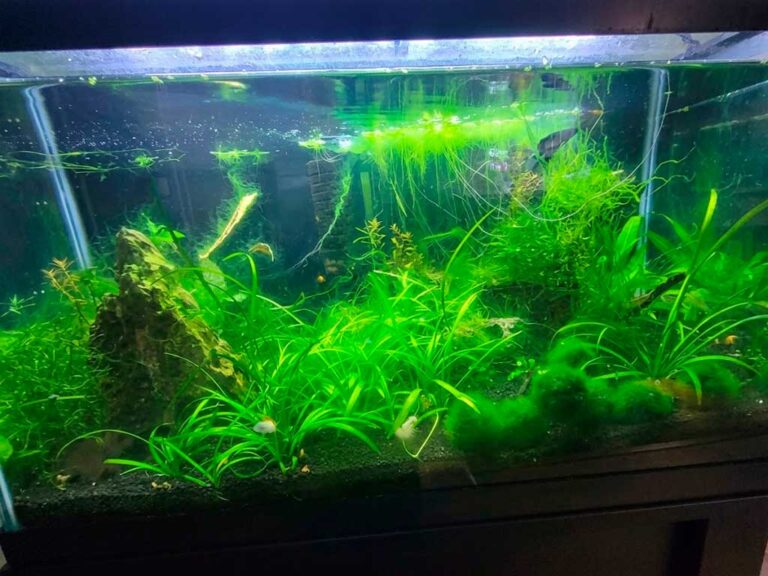
Java moss and Christmas moss provide hiding places for baby shrimp and surfaces where biofilm can develop. Their fine, branching growth creates small spaces that many fish struggle to enter, allowing shrimplets to forage with less exposure.
Mosses also collect fine organic particles and support microorganisms that shrimp graze on throughout the day. Attach small portions to driftwood or aquarium-safe rocks to create sheltered areas without covering the entire tank.
Choose Plants That Create Different Levels of Cover
A combination of carpeting plants and taller vegetation gives shrimp access to shelter near the substrate and throughout the water column. Plant selection should account for the aquarium’s lighting, nutrient availability, and the needs of its other inhabitants.
- Dwarf Hairgrass: Creates low-growing cover near the substrate, although its density depends on growing conditions.
- Monte Carlo: Forms a compact foreground carpet when provided with suitable light and nutrients.
- Rotala rotundifolia: Adds dense background foliage and breaks up open swimming areas.
- Hornwort: Provides branching cover that can be floated or secured, depending on the aquarium’s layout.
Dense planting can reduce direct exposure to fish, but it does not guarantee that shrimplets will avoid predation. If breeding success matters, consider keeping shrimp with compatible tankmates or maintaining a dedicated shrimp-only aquarium.
Use Porous Rocks and Driftwood for Shelter
Porous rocks and aquarium-safe driftwood add surfaces for biofilm growth and create extra hiding spaces. Lava rock, for example, has an irregular surface that can provide small crevices for shrimp to explore and graze.
Before adding any rock, confirm that it is aquarium-safe and will not alter the water chemistry in an unsuitable way. Arrange the hardscape securely to prevent pieces from shifting or collapsing.
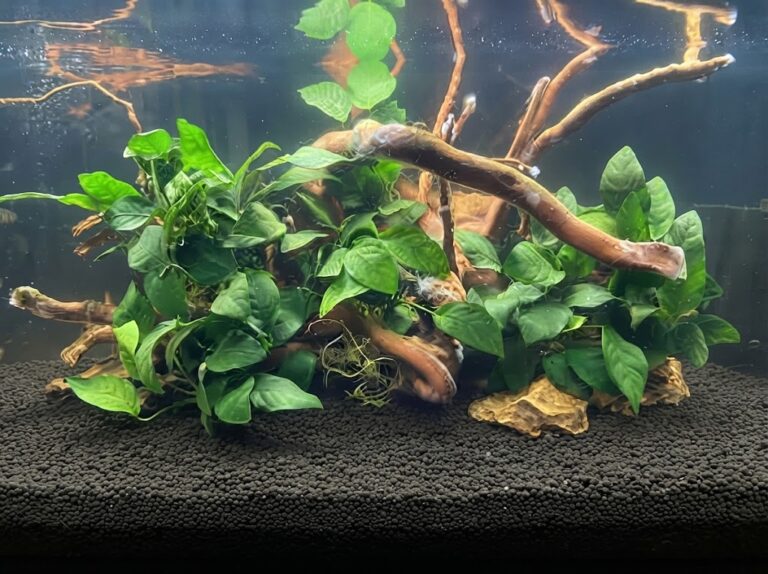
Driftwood offers additional grazing surfaces as biofilm develops. Place it where shrimp can reach its surface easily, and leave enough open space for routine cleaning and maintenance.
Protect Baby Shrimp From the Filter Intake
A sponge pre-filter or a properly sized air-driven sponge filter helps prevent baby shrimp from being pulled into the filtration system. This matters because newly hatched shrimp are extremely small and can be drawn into exposed filter intakes.
Choose a filtration method that provides adequate biological filtration while maintaining a suitable flow rate for the aquarium.
- Sponge pre-filter: Fit a suitable intake sponge over the suction opening of a compatible power filter. Check it regularly for debris and clean it when necessary.
- Air-driven sponge filter: Uses rising air bubbles to draw water through a sponge, providing mechanical and biological filtration with relatively gentle flow.
Neither option removes the need for regular maintenance. A clogged sponge can restrict water movement, so inspect the filter routinely and clean it using aquarium water when appropriate.
5. Check the Aquarium Before Introducing Shrimp
Once the plants, hardscape, and filtration are in place, allow the aquarium to establish its biological filter before adding livestock. Beneficial bacteria need time to colonize filter media and other surfaces and to process toxic ammonia into nitrite and then nitrate.
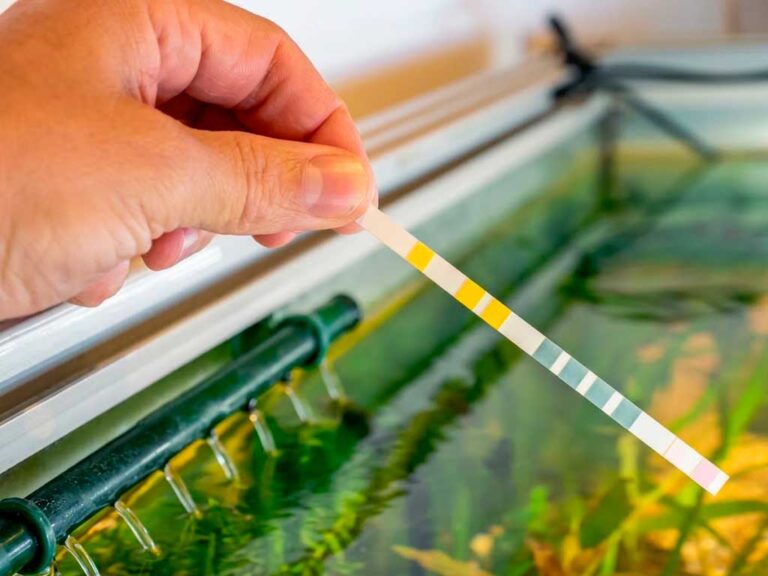
Before introducing shrimp, confirm that the aquarium is fully cycled and that ammonia and nitrite are undetectable with reliable tests. Also check temperature, pH, and other relevant water parameters against the requirements of your chosen shrimp species.
Avoid adding shrimp immediately after setting up a new tank simply because the water looks clear. Clear water does not confirm that the aquarium can safely process waste.
What Makes an Aquarium Shrimp-Safe?
A shrimp-safe aquarium combines fine plant cover, biofilm-rich surfaces, stable water conditions, and filtration that prevents small invertebrates from entering the intake. Dense mosses protect feeding areas, hardscape creates sheltered crevices, and sponge-based filtration helps reduce the risk of losing shrimplets to the filter.
Before adding shrimp, prioritize three things: a fully cycled aquarium, a protected filter intake, and enough cover for young shrimp to hide and graze.
The Ultimate Tank Mate Guide: Evaluated from Real Experience
Let’s evaluate the top seven fish candidates for your community tank based on years of personal observation. Remember that your choice determines how fast your shrimp colony will multiply.
1. Green Neon Rasbora (Rasbora Kubotai)
These stunning nano fish have rapidly become one of my absolute favorites for community aquariums. Their vibrant, metallic green coloration brings a unique visual energy to any aquascape. Additionally, these active little guys display a fascinating schooling behavior that keeps them swimming dynamically in open spaces.
Because they only grow to a maximum size of two centimeters, they pose zero threat to your invertebrates. In fact, my personal observations confirm that Green Neon Rasboras are entirely safe for both adult shrimp and tiny babies. They are exceptionally brave yet completely peaceful, making them the gold standard for a harmonious setup.
Furthermore, their active swimming patterns encourage shy shrimp to explore the open spaces of the aquarium. When shrimp see confident fish swimming without fear, they feel much more secure leaving their hiding spots. Consequently, you get to enjoy a highly active and visible ecosystem.
2. Otocinclus Catfish
These legendary algae eaters are iconic members of any aquarium cleanup crew. Even though they are significantly larger than nano rasboras, their specialized mouth anatomy makes them completely harmless. They spend their days tirelessly rasping away at algae on glass, rocks, and plant leaves.
You can rest assured knowing that Otocinclus catfish are one hundred percent safe for adults and shrimplets alike. However, you must remember that their dietary needs overlap significantly with those of your shrimp. Therefore, do not rely solely on natural algae growth, but instead supplement their diet with high-quality wafers to prevent starvation.
In addition to their peaceful nature, these catfish display a delightful, energetic personality. They frequently dart around the tank in small groups, which adds incredible charm to the lower levels of your aquarium. Ultimately, they are the single best investment for anyone wanting a clean and safe environment.
3. Ember Tetra
Ember Tetras are incredibly popular due to their brilliant fiery orange hues and easygoing nature. They adapt beautifully to varied water parameters and add a warm contrast to lush green plants. Nevertheless, this species introduces a level of risk that many online guides unfortunately fail to mention.
While your adult shrimp will remain entirely safe around them, the young shrimplets face a potential threat. These active predators will gladly hunt down any defenseless baby shrimp they happen to spot. Fortunately, maintaining a very densely planted tank will give your shrimplets a strong fighting chance at survival.
To maximize their survival rate, consider feeding your Ember Tetras multiple times a day with finely crushed flakes. Well-fed fish are significantly less motivated to hunt for tiny live prey among the plants. Moreover, keeping them in a larger school of eight or more individuals will focus their attention on social interactions rather than foraging.
4. Chili Rasbora (Boraras brigittae)
At first glance, these miniature crimson jewels seem like the perfect companions for delicate shrimp colonies. They share a similar tiny footprint with Green Neon Rasboras, but their underlying behavior is completely different. Chili Rasboras are naturally shy creatures that prefer to dwell within shaded, heavily vegetated areas.
Unfortunately, these exact shaded zones are where newborn shrimplets instinctively go to hide. Because these fish occupy the same tight spaces, they actively hunt the smallest baby shrimp. Consequently, while adult shrimp are perfectly secure, the overall survival rate of your shrimplets will drop significantly.
Despite this drawback, many aquarists successfully maintain both species by scaling up the density of their moss beds. If you provide an absolute jungle of foliage, some babies will inevitably reach maturity. However, you must accept that your colony will grow at a much slower pace compared to safer alternatives.
5. Pygmy Corydoras (Corydoras pygmaeus)
Many hobbyists mistakenly believe that all species of Corydoras catfish are completely safe for freshwater shrimp. However, after keeping hundreds of these bottom-dwellers, I strongly disagree with that broad assumption. Most larger cories are dedicated scavengers that will readily swallow a shrimp if they catch it off guard.
Luckily, the adorable Pygmy Corydoras stands out as a marvelous exception to this rule. Their minuscule mouth size and gentle demeanor ensure that adult shrimp remain completely unharmed. While an occasional shrimplet hunting incident might occur, these slow-moving catfish are generally excellent companions in a well-planted setup.
In contrast to typical cories, this species spends a lot of time swimming in the mid-water column. They love to perch on broad plant leaves or hover effortlessly together in mid-air. This unique behavioral quirk reduces their time spent searching the substrate, which further protects your youngest shrimp.
6. Neon Tetra
As one of the most recognizable fish in the global aquarium hobby, Neon Tetras are frequently added to shrimp tanks. Regrettably, many widespread claims regarding their peaceful nature toward invertebrates are highly misleading. These classic community fish are remarkably fast, active, and efficient shrimplet hunters.
Adult shrimp can easily coexist with them because of their size and superior speed. However, you should not expect your shrimp colony to multiply rapidly with Neon Tetras cruising the waters. If you choose to keep them together, a massive amount of dense vegetation is absolutely mandatory to protect the youth.
In addition, their high energy levels can sometimes intimidate shy shrimp species. If your shrimp feel constantly threatened by fast-moving tank mates, they will spend most of their time hiding. Therefore, think carefully about your long-term breeding goals before introducing these bright tetras.
7. White Cloud Mountain Minnow
These hardy, active swimmers offer a compelling dynamic for larger nano aquariums. Although they are noticeably larger and faster than most fish on this list, they possess a surprisingly peaceful temperament. Their behavior in the water column plays a massive role in why they work well with shrimp.
These minnows typically occupy the upper levels of the tank and prefer swimming across open, unobstructed spaces. They rarely venture into dense plant thickets unless they are actively spawning. As a result, your baby shrimp will enjoy a decent survival rate, allowing the colony to expand at a steady pace.
Furthermore, these fish thrive in cooler water temperatures, which aligns perfectly with the preferences of many Neocaridina shrimp varieties. This compatibility allows you to run your aquarium without a heater in temperate rooms. Consequently, you save energy while providing an ideal, low-stress habitat for both species.
Did You Know? The Micro-Habitat Phenomenon
Did you know that the specific location your fish occupy determines the survival rate of your shrimp more than the size of the fish itself? For instance, bottom-dwelling species interact constantly with shrimp, whereas top-dwelling fish rarely cross their paths.
Understanding these distinct micro-habitats within your aquarium allows you to design a much safer and balanced community.
Cultivating a Thriving Ecosystem
Successfully setting up a shrimp-safe aquarium relies on a thoughtful combination of structural hiding places and carefully selected livestock. Start with adding plenty of premium aquarium moss, as it is the easiest step to implement and yields the biggest protective impact.
For your next planted nano project, remember to pair these techniques with the right tank mates to enjoy a flourishing, balanced community. If you want to complement this layout with specific micro-predators, read our comprehensive galaxy rasbora danio guide for deeper compatibility strategies.