Aquarium Filtration Systems: A Complete Guide
Maintaining an aquarium not only involves feeding the fish and ensuring good aesthetics. Water quality is the most crucial factor for the health and well-being of all aquarium inhabitants. An efficient filtration system is essential to maintain the chemical and biological balance of the water, preventing the accumulation of harmful substances and ensuring a healthy environment for fish, plants and other organisms.
This article offers you a complete guide on the different types of filtration systems and how to choose the right one for your aquarium.
Importance of Filtration in an Aquarium
In nature, rivers and lakes provide an environment where harmful substances disperse quickly, thanks to the large volume of water and its continuous renewal. In an aquarium, the conditions are very different.
The high population density and the lack of constant water renewal make filtration essential to avoid the accumulation of waste and toxic substances. A proper filtration system ensures crystal clear water and a safe environment for aquarium inhabitants.
Types of Filter Media
There are three main types of filter media used in aquariums: mechanical, absorbent and biological.
- Mechanical Filter Media: These media are responsible for retaining dirt particles, food remains, plant pieces and other debris suspended in the water. They are made up of synthetic fibers and must be cleaned or replaced regularly to maintain their effectiveness.
- Absorbent Filter Media: They use granules that bind different harmful substances such as phosphates, silicates and medication residues. These media are crucial for adjusting specific water parameters and removing toxins.
- Biological Filter Media: They provide a settling surface for beneficial bacteria that transform and eliminate toxic substances such as ammonia, nitrites and nitrates. These media mimic natural processes and are essential for maintaining a stable biological balance. For a full breakdown of every media type and how they compare, see our filter media guide.
Types of Filters for Aquariums
Depending on the size of the aquarium and the population of organisms, there are different types of filters that can be used. The main ones are internal filters, external filters and air-powered filters.
- Interior Filters: They are ideal for small aquariums. They are placed inside the aquarium and are easy to install. A compact option like the Yaubay quiet internal filter works well for tanks up to 10 gallons, including shrimp and betta setups that need gentle flow.
- External Filters: They are more suitable for larger aquariums. They are placed outside the aquarium and provide better water circulation through the filter media. They are most efficient for aquariums with high population density, and a canister like the Fluval 107 performance canister filter handles tanks up to 30 gallons with room for multiple media types.
- Air Powered Filters: They use air to move water through the filter. They are ideal for breeding aquariums and small aquariums, where gentle circulation is preferable so as not to harm young or delicate inhabitants, including shrimp-safe setups.
The Science of Filtration: What Actually Matters
Most filtration guides treat mechanical, chemical, and biological filtration as three equal pillars. Aquaculture science tells a different story: biofiltration does the vast majority of the actual work, and the other two matter far less than product marketing suggests.
Biofiltration Does the Heavy Lifting
Beneficial bacteria colonizing your filter media handle the two jobs that actually keep your water safe: converting ammonia and nitrite into less harmful nitrate, and breaking down dissolved organic waste before it clouds the water. Surface area drives this process, so a filter packed with porous media supports far more bacteria than the same size filter running sparse media.
Submerged media also outperforms media that only gets splashed. A trickle-style filter typically runs at roughly a third of the efficiency of a fully submerged canister or internal filter, since bacteria only colonize the portion of the media that stays wet.
Chemical Filtration Is Optional, Not Essential
Activated carbon and similar chemical media get marketed as essential for removing toxins, but most established aquariums have no toxins that actually need removing this way. What carbon does well is pull out tannins, medication residue, and some odors, useful in specific situations, not a permanent requirement. Skipping chemical media entirely and dedicating that space to more biological media is a completely valid approach many experienced aquarists use.
Do Not Over-Clean Your Filter
This trips up more beginners than any other filtration mistake. That brown, slightly slimy buildup inside a mature filter is not dirt to eliminate. It is the beneficial bacteria colony doing its job. Rinse mechanical media as needed to keep water flowing, but only clean biological media occasionally, and never more than 80 to 90% of it at once.
Just as important, always rinse filter media in water removed from your own tank, never straight from the tap. A few seconds under chlorinated tap water can wipe out weeks of bacterial colonization. For more on how this connects to ammonia and nitrite spikes, see our guide on why your aquarium isn’t cycling.
Choosing Between Filter Types: Quick Comparison
| Filter Type | Best For |
| Internal/Submersible | Nano tanks, breeding tanks, shrimp and fry |
| Hang-on-back (HOB) | Community tanks up to about 40 gallons |
| Canister | Larger or heavily stocked tanks up to 100+ gallons |
| Sponge (air-powered) | Fry tanks, shrimp tanks, gentle-flow species |
| Filter Type | Biofiltration Capacity |
| Internal/Submersible | Low to moderate |
| Hang-on-back (HOB) | Moderate |
| Canister | High, multiple media baskets |
| Sponge (air-powered) | Low volume, but 100% submerged efficiency |
Considerations When Choosing a Filtration System
When selecting a filtration system for your aquarium, you should consider several factors:
- Aquarium Size: The inner filters are suitable for small aquariums, while the outer filters are better for large aquariums.
- Aquarium Population: An aquarium with a high density of fish will need a more powerful filtration system to handle the biological load.
- Type of Inhabitants: Some organisms, such as farmed fish or invertebrates, may require gentler filtration to avoid damage.
- Water Parameters: The choice of specific filter media may be necessary to adjust and maintain certain water parameters, such as pH, hardness, and removal of specific toxins.
Filtration Systems Maintenance
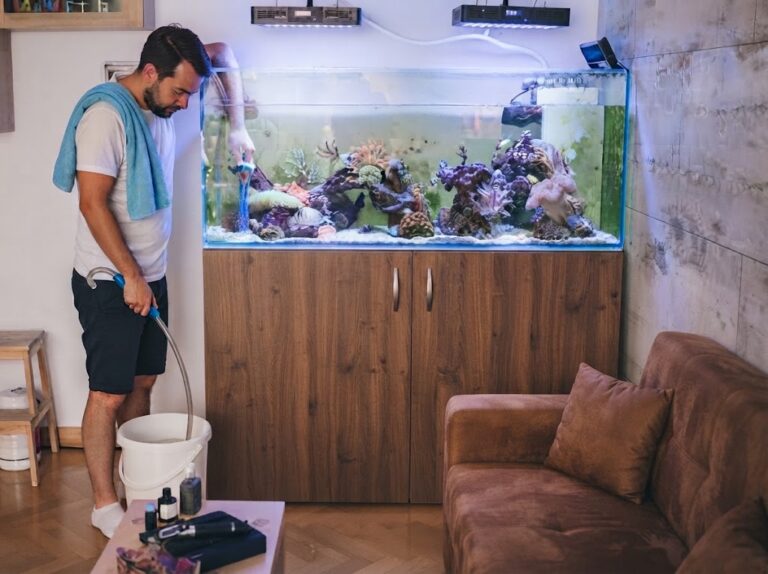
Regular maintenance is crucial to ensure the effectiveness of the filtration system. This includes cleaning or replacing mechanical filter media, regenerating absorbent media, and monitoring biological media performance. Additionally, it is important to regularly check the filter’s operation to ensure there are no blockages and that water flow is adequate.
Application Examples
- Community Aquariums: For aquariums with a variety of species, an external filter with mechanical, absorbent and biological filter media can provide the best water quality.
- Cichlid Aquariums: Cichlids are known for producing a lot of waste, so a powerful filtration system with a high biological media capacity is ideal, as covered in our African Cichlid tank setup guide.
- Planted Aquariums: In these aquariums, it is essential to maintain low levels of nitrates and phosphates. A filter with absorbent media specific for these nutrients can help prevent excessive algae growth.
Filtration in Freshwater Aquariums vs. Marine Aquariums
Filtration requirements can vary significantly between freshwater aquariums and marine aquariums.
- Freshwater Aquariums: These aquariums usually require less maintenance compared to marine aquariums. Biological filtration is essential, and sorbent media is primarily used to control phosphates and nitrates. See our water chemistry guide for how these parameters interact.
- Marine Aquariums: Filtration in these aquariums is more complex due to the high sensitivity of corals and other marine organisms to changes in water quality. Protein filters (skimmers) are common in these aquariums to remove organic waste before it decomposes. Additionally, specific filter media are used to maintain optimal levels of calcium and magnesium.
Technological Advances in Aquarium Filtration
Filtration technology has advanced significantly in recent years, providing more efficient and easier to maintain options for aquarists.
- Canister Filters: These external filters are known for their high filtration capacity and ease of maintenance. They allow the use of a variety of filter media and are suitable for large, densely stocked aquariums.
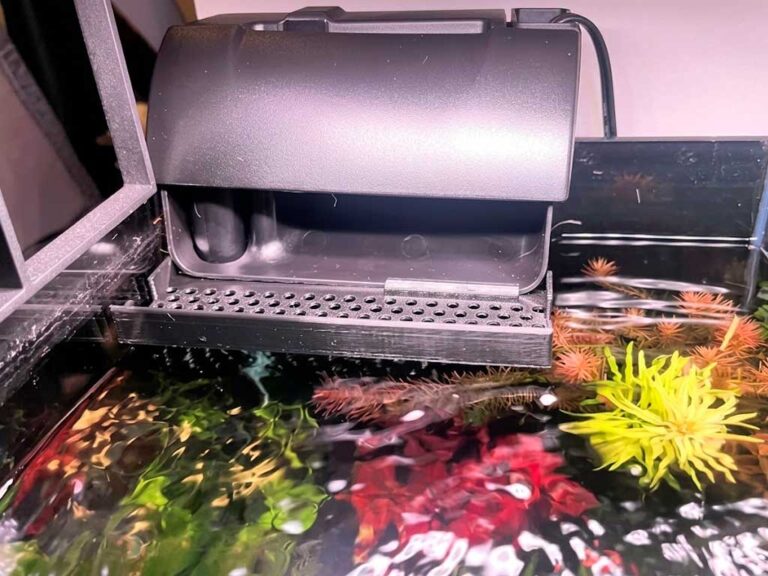
- Backpack Filters (HOB): They are popular for their simplicity and effectiveness. They are hung on the edge of the aquarium and combine mechanical, chemical and biological filtration. The Seachem Tidal Power filter handles tanks up to 35 gallons with a self-cleaning intake, and our HOB filter comparison covers more options in depth.
- Sump Filters: Primarily used in marine aquariums, these systems provide very effective filtration and allow additional equipment to be kept outside the main aquarium, improving aesthetics and facilitating maintenance.
Benefits of High Quality Filters
Investing in a high-quality filtration system offers several long-term benefits:
- Cleaner Water: A good filtration system keeps the water crystal clear and free of harmful substances, improving the health and well-being of the aquarium’s inhabitants.
- Less Maintenance: High quality filters require less maintenance, reducing the time and effort required to keep the aquarium in optimal condition.
- Greater Stability: An efficient filtration system helps maintain a stable chemical and biological balance, which is crucial for the health of fish and plants.
- Improved Aesthetics: An aquarium with clean, clear water is more visually appealing, which improves the experience of observing and enjoying fish.
Common Errors in Aquarium Filtration
Even with a good filtration system, there are common mistakes that can affect water quality and the health of the aquarium.
- Overfeeding: Overfeeding fish produces more waste, which can overload the filtration system and cause water quality problems.
- Poor Maintenance: Failure to clean or replace filter media regularly can reduce filter effectiveness and allow harmful substances to build up.
- Undersized Filter: Using a filter that is not powerful enough for the size of the aquarium and the fish population can lead to water quality problems.
- Ignoring Water Parameters: Failure to regularly monitor water parameters, such as pH, nitrates and ammonia, can result in dangerous conditions for fish.
Tips to Optimize Filtration in your Aquarium
- Select the Right Filter: Choose a filter that is suitable for the size of your aquarium and the number of fish you have. Consider filtration capacity and ease of maintenance.
- Use Quality Filter Media: Invest in high-quality filter media that is suitable for the specific needs of your aquarium.
- Perform Regular Maintenance: Clean or replace the filter media according to the manufacturer’s recommendations and perform periodic inspections of the filter to ensure proper functioning.
- Monitor Water Parameters: Perform regular water tests to monitor pH, ammonia, nitrite and nitrate levels.
The correct choice of filter, together with regular maintenance and monitoring of water parameters, is essential to prevent the accumulation of toxic substances and maintain a balanced environment. Whether you use indoor, outdoor, or air-powered filters, understanding the specific needs of your aquarium will allow you to provide the optimal environment for your fish and plants.
Investing in a good filtration system will not only improve the health of your fish, but will also reduce the time and effort required to keep your aquarium in optimal condition, thus ensuring a rewarding and enjoyable experience as an aquarist.
Frequently Asked Questions
Do I need chemical filtration in my aquarium?
No, not always. Chemical media like activated carbon mainly removes tannins, odors, and medication residue. Most established tanks run fine without it, relying on mechanical and biological filtration instead.
Why shouldn’t I clean my filter media too thoroughly?
Because the brown buildup inside your filter is largely beneficial bacteria, not dirt. Cleaning away more than 80 to 90% of it at once can crash your biological filtration and trigger an ammonia spike.
Can I rinse my filter media under tap water?
No. Tap water contains chlorine or chloramine, which kills the beneficial bacteria your filter depends on. Always rinse media in water removed from your own tank instead.
How often should I clean my aquarium filter?
Check flow rate weekly, but only deep-clean when flow noticeably slows down, typically every 4 to 8 weeks depending on bioload. Overcleaning does more harm than under-cleaning.
What size filter do I need for my tank?
As a general rule, look for a filter rated for at least the size of your tank, and size up if you’re heavily stocked. A canister filter rated for 50 gallons on a 30-gallon tank gives useful extra biological capacity.
Is a canister filter better than a hang-on-back filter?
Canister filters generally hold more media and suit larger or heavily stocked tanks, while HOB filters are simpler to maintain and work well for most community tanks up to about 40 gallons.
Do sponge filters provide enough filtration on their own?
Yes, for smaller or lightly stocked tanks. Sponge filters run at full efficiency since the entire sponge stays submerged, and their gentle flow makes them ideal for shrimp, fry, and betta tanks.
What’s the difference between mechanical and biological filtration?
Mechanical filtration physically traps visible debris like uneaten food and waste, while biological filtration relies on bacteria colonizing the media to break down ammonia, nitrite, and dissolved organic waste. Biological filtration does the majority of the real work in keeping water safe.
Setting up your first marine tank? Our saltwater aquarium setup guide covers how filtration fits into the full beginner build.