Best Corals for Beginners: Top 10 Easy Picks
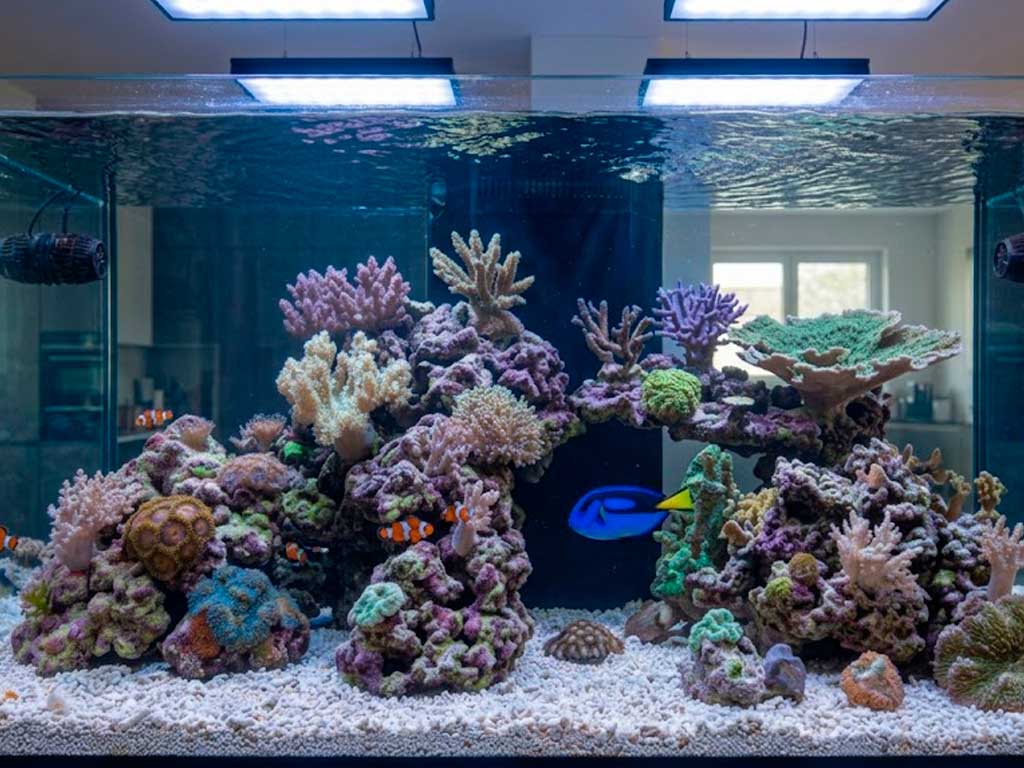
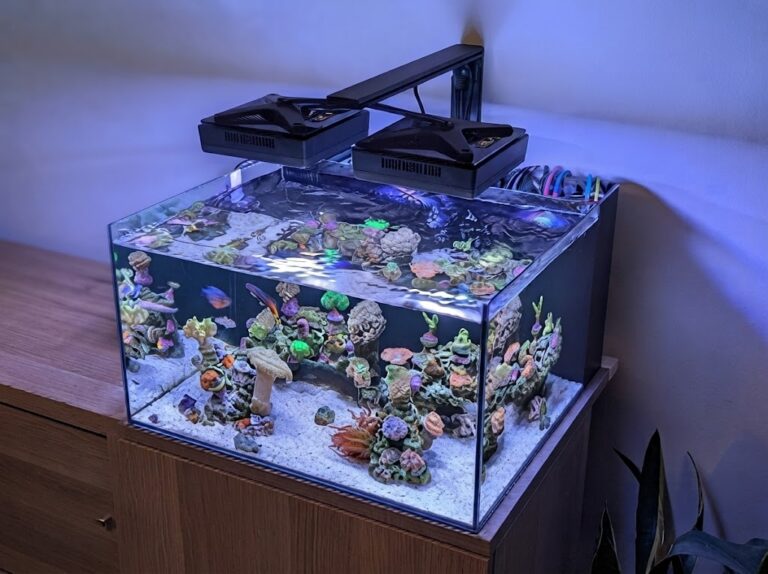
Coral shopping is where a lot of beginner reef tanks quietly go wrong. Not because corals are fragile as a category, some of the toughest animals in the hobby are corals, but because the flashiest colors in the store are often the SPS corals that demand rock-stable parameters a brand-new tank simply doesn’t have yet.
Search around and you’ll find plenty of “easiest SPS coral” lists, but for a genuinely new reefer, soft corals and LPS are where success actually happens first.
This guide covers which corals actually forgive beginner mistakes, a few worth extra caution, and what your tank needs to be ready for any of them. If you haven’t built your rockwork yet, our live rock and live sand guide covers the foundation these corals will attach to.
Quick answer: Zoanthids, mushroom corals, toadstool and other leather corals, and beginner-friendly LPS like hammer, torch, and duncan coral are the most forgiving corals for a new reef tank. Nearly all genuine beginner picks come from the soft coral and LPS categories. Save SPS corals for after your tank has a stable track record, since they need tighter, more consistent water parameters than most new tanks can offer.
Soft Coral, LPS, or SPS: Start Here
Corals fall into three broad categories, and the difference matters enormously for a first tank.
- Soft corals: Fleshy, flexible, and generally the most tolerant of parameter swings, moderate lighting, and inconsistent flow. This is where nearly every genuinely easy beginner coral lives.
- LPS (large-polyp stony): Stony corals with big, fleshy polyps. Slightly more demanding than soft corals but still broadly forgiving, and this is where most beginners graduate to next.
- SPS (small-polyp stony): Fast-growing, often vividly colored, and genuinely the least forgiving category. SPS corals need consistently stable alkalinity, calcium, and lighting, exactly what a young tank still finding its footing struggles to provide. Wait until your tank has months of stable readings before adding any.
The Top 10 Best Corals for Beginners
- Zoanthids (Zoas): The most popular beginner coral by a wide margin, and available in nearly every color combination imaginable. They grow relatively fast, tolerate moderate light, and prefer a bit of flow to keep detritus off their surface. Handle them with care, covered below.
- Mushroom Corals: Genuinely one of the easiest corals in the hobby, tolerant of low light and minimal flow. Don’t try to glue a mushroom directly to rock, it will likely detach and drift off. Instead, place the plug or rock piece it’s already attached to, and let it spread naturally from there.
- Toadstool Leather Coral: Fast-growing, tolerant of a wide range of conditions, and easy to frag once established. Its flowing polyps add real movement to a tank without demanding much in return.
- Kenya Tree and Other Leather Corals: Hardy, tree-like soft corals that periodically shed a waxy outer layer as part of a normal molting cycle. It looks alarming the first time you see it, cloudy tissue and a dull appearance for a day or two, but it’s completely normal and the coral bounces back on its own.
- Large Clove Polyps: Colorful, fast-growing, and easy to keep on an isolated rock island. Don’t confuse these with blue clove polyps, which are considered a nuisance pest species rather than a desirable addition.
- Hammer Coral: A great entry point into LPS corals, with large fleshy polyps that sway in moderate flow. It grows a bit slower than some soft corals since it builds a calcium skeleton, but it’s forgiving and comes in plenty of color variations.
- Torch and Frogspawn Coral: Close relatives of hammer coral in the euphyllia family, with the same easy-going care needs. Both extend long sweeper tentacles that can sting neighboring corals, so give them real breathing room in your aquascape.
- Duncan Coral: An easy, fast-growing LPS that readily accepts target feeding, which makes it satisfying for beginners who enjoy the interactive side of reefkeeping. It multiplies steadily once settled in.
- Micromussa (formerly Acan): Large, fleshy, and available in striking color combinations. Low light and low flow requirements make it easy to place, and it feeds readily when offered food.
- Green Star Polyps (GSP): Extremely fast-spreading and nearly impossible to kill, which is both its main selling point and its main caution, covered in more detail below.
A Coral Every Beginner Should Handle With Care
Zoanthids deserve a specific safety note that most beginner coral lists skip entirely. Many zoanthid species produce palytoxin, one of the most potent non-protein toxins known, concentrated in the coral’s mucus coating.
It poses essentially no risk to fish or other tank inhabitants, but it can be genuinely dangerous to you if it enters a cut, splashes in your eye, or gets aerosolized, which has happened during dipping or pressure-washing incidents reported in the hobby.
Wear gloves when handling zoanthids directly, avoid touching your face or eyes during the process, and never dip or clean them in an unventilated space. This isn’t a reason to avoid zoas, they remain one of the best beginner corals available, just a reason to handle them with the same basic care you’d give any household chemical.
Corals to Approach Carefully
- Green Star Polyps: So easy to grow that it becomes the problem. GSP spreads aggressively over rock, and once established, it’s genuinely difficult to remove completely without scraping affected rock down to bare surface. Keep it isolated on its own frag plug or rock island from day one.
- Pulsing Xenia: Fun to watch and fast-growing, sometimes invasively so, but also notorious in the hobby for occasionally crashing and dying for no clear reason even in otherwise healthy, stable tanks. Treat any xenia purchase as a bit of a gamble rather than a guaranteed easy win.
- Euphyllia sweeper tentacles: Hammer, torch, and frogspawn corals are all easy to keep individually, but their long sweeper tentacles can sting and damage neighboring corals placed too close. Plan real spacing into your aquascape from the start.
What Beginner Corals Actually Need
Even the most forgiving corals on this list still need a functioning system around them. Stable alkalinity, calcium, and magnesium matter more as your coral collection grows, covered in our water chemistry guide.
Consistent water movement keeps waste from settling on coral tissue and helps deliver food to filter-feeding polyps, explained in our water pump and circulation guide.
And since corals are far more sensitive to dissolved organic waste than fish are, a functioning protein skimmer, covered in our protein skimmer guide, does a lot of quiet work keeping the water clean enough for coral tissue to stay healthy.
Add your first coral only after fish have been in the tank for a few weeks and everything has stayed stable. Start with one or two easy soft corals, watch how they respond to your specific lighting and flow, and expand from there once you understand how your particular tank behaves.
Frequently Asked Questions
What is the easiest coral to keep for a first reef tank?
Mushroom corals and zoanthids are generally considered the two most forgiving starting points, tolerant of moderate light and flow variation while still growing and coloring up well.
Can beginners keep SPS coral?
It’s better to wait. SPS corals need tightly stable alkalinity, calcium, and lighting that a young tank usually can’t provide consistently yet. Build experience and a track record of stable parameters with soft corals and LPS first.
Is zoanthid coral dangerous to touch?
Many zoanthids contain palytoxin in their mucus coating, which can be genuinely harmful if it contacts a cut, your eyes, or gets aerosolized. Wear gloves when handling them directly and avoid touching your face during the process.
What coral pairs well with clownfish?
Clownfish will readily host in larger leather corals like toadstool coral even without a true anemone present, making leather corals a popular, much easier-to-keep pairing for beginners who like that hosting behavior.
Why did my leather coral suddenly look dull and cloudy?
It’s very likely shedding its waxy outer layer, a normal molting process leather corals go through periodically. It typically resolves on its own within a day or two without any intervention needed.
How long should I wait before adding my first coral?
Wait until your tank has been fully cycled and stocked with fish for at least a few weeks, with stable test results throughout. Corals add another layer of sensitivity on top of what your fish already need.
Should I avoid Green Star Polyps as a beginner?
Not necessarily, but isolate it on its own frag plug or rock island from the start. It’s nearly indestructible and spreads aggressively, which becomes a real removal headache if it’s allowed to creep across your main aquascape.
The best beginner coral collection isn’t the most colorful one in the store, it’s the one that survives your first year of learning curve. Start with soft corals and easy LPS, give your tank time to prove itself stable, and save the demanding SPS colors for once you’ve earned the experience to keep them alive.