Water Lettuce Care Guide: Light, Roots, Growth & Aquarium Use
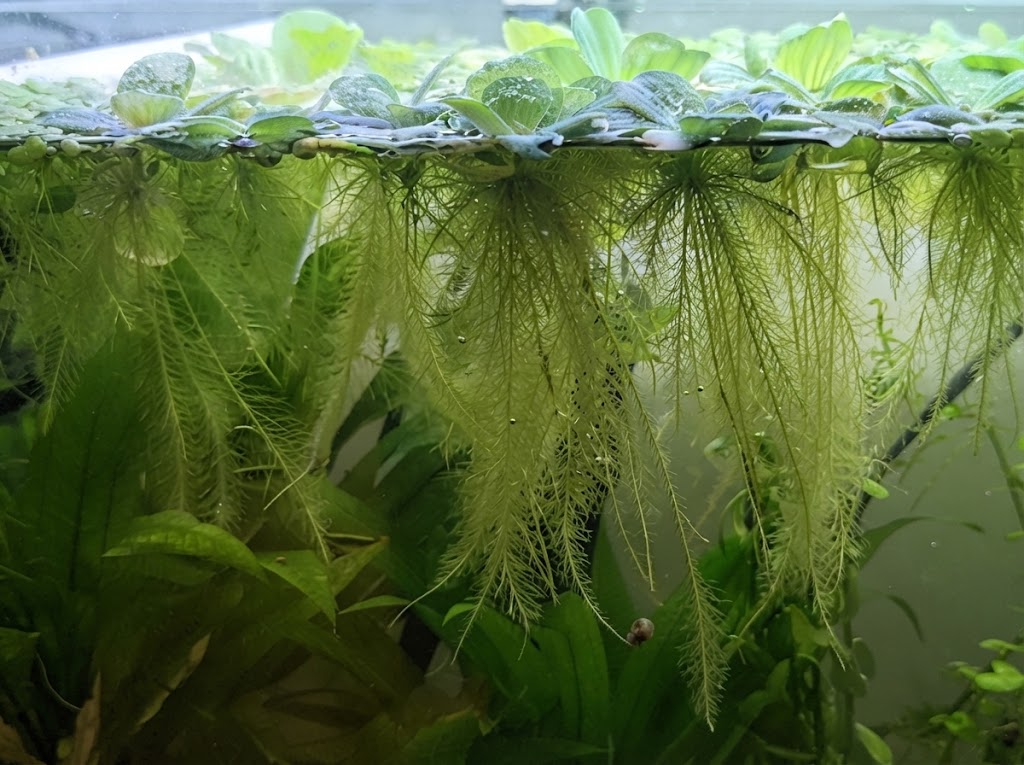
Water lettuce is one of the fastest-growing floating plants you can add to a freshwater aquarium.
Water lettuce can absorb nutrients directly from the water, produce long hanging roots, and provide valuable cover for fish and shrimp, but it also needs room to grow and regular thinning.
The plant is commonly identified as Pistia stratiotes. It forms a floating rosette rather than attaching to substrate, wood, or rock, and its roots remain suspended beneath the surface.
The basic care is simple. The harder part is controlling how much of the surface it occupies. There is also a legal issue worth checking before purchase because water lettuce is restricted in some regions due to its invasive potential.
Water Lettuce Care at a Glance
| Scientific name | Pistia stratiotes |
| Growth | Fast |
| Placement | Floating |
| Difficulty | Beginner |
| CO₂ | Not required |
| Light | Low to medium |
| Substrate | None |
| Nutrition | Water column |
| Temperature | About 72–86°F (22–30°C) |
| Propagation | Runners and daughter plants |
| Main concern | Surface coverage, wet leaves, and local restrictions |
What Is Water Lettuce?
Water lettuce is a free-floating aquatic plant that forms a rosette of soft, ribbed leaves above the water surface. Fine roots hang below the rosette and absorb dissolved nutrients directly from the aquarium water.
It does not need to be planted. That makes it very different from rooted aquarium plants such as Amazon swords or Cryptocoryne, which depend much more heavily on substrate conditions.
The long root mass can create shelter for small fish and shrimp, while the leaves cast shade over the aquarium below. When you remove excess plants, you also remove some of the nutrients stored in their tissues.
How Water Lettuce Grows
Water lettuce can reproduce quickly when temperature, light, and nutrient availability are favorable. Mature plants produce runners, and daughter rosettes develop from those connections.
This is why a small starting group can become a substantial surface population. The limiting factor usually becomes available surface area rather than propagation.
If every inch of the surface becomes covered, plants underneath receive less light and the aquarium can become difficult to maintain. Keeping part of the surface open is usually the better long-term approach.
Water Lettuce Light Requirements
Water lettuce can grow under relatively modest aquarium lighting. Brighter light can increase growth when nutrients and temperature are also favorable, so more light is not automatically better.
Because the plant floats directly under the aquarium light, it receives light without the reduction caused by water depth. A dense floating layer can therefore shade submerged plants surprisingly quickly.
If Java fern, Anubias, mosses, or other plants below begin stretching toward the light, thin the water lettuce before changing the lighting system.
Does Water Lettuce Need CO₂?
No. Water lettuce does not require injected CO₂ for normal aquarium growth. Its leaves remain exposed to atmospheric air, so it can obtain carbon without depending on a pressurized CO₂ system.
A CO₂ system may still benefit other plants in a high-tech aquarium, but it should not be installed simply to keep water lettuce alive. Its growth can already be rapid under suitable low-tech conditions.
Water Lettuce Temperature and Water Parameters
Water lettuce prefers warm freshwater conditions and generally responds better to stable water than to constant parameter adjustments. A practical aquarium range is approximately 72–86°F (22–30°C).
| Temperature | 72–86°F (22–30°C) |
| pH | Approximately 6.0–7.5 |
| Hardness | Soft to moderately hard water is suitable |
| CO₂ | Not required |
| Substrate | Not required |
The numbers don’t lie: water lettuce grows because it has access to warmth, light, dissolved nutrients, and open surface space. If those conditions are present, growth can become surprisingly fast.
How Water Lettuce Feeds
Water lettuce is a water-column feeder. Its roots remain suspended beneath the plant and absorb dissolved nutrients directly from the aquarium water.
That distinction matters when choosing fertilizer. Root tabs are designed for plants that obtain nutrition through roots in the substrate, while water lettuce feeds from the surrounding water.
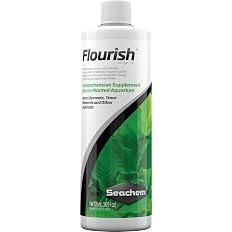
Seachem Flourish Comprehensive is the Seachem product from the supplied product list that fits this use most naturally when an aquarium genuinely needs micronutrient supplementation. It provides calcium, magnesium, iron, vitamins, amino acids, and other micronutrients without directly adding nitrogen or phosphorus.
FROM AMAZON.COM
Seachem Flourish Freshwater Plant Supplement
A comprehensive plant supplement with minerals, trace elements, and vitamins to support healthy growth in freshwater planted tanks.
Buy on Amazon.comHappy Pet Zone may earn a commission when you click through to Amazon.com, at no extra cost to you. As an Amazon Associate, we earn from qualifying purchases.
Do not automatically increase fertilizer because growth slows for a few days. Check light, water quality, surface conditions, and plant density first.
Does Water Lettuce Need Root Tabs?
No. Water lettuce does not need root tabs because it is not rooted in aquarium substrate. Its roots remain suspended in the water column.
Root tabs can still be useful elsewhere in a mixed planted aquarium. Amazon swords and Cryptocoryne, for example, have different feeding habits and can benefit from substrate nutrition.
How to Add Water Lettuce to an Aquarium
Adding water lettuce is simple because there is nothing to plant. Inspect the rosettes first, remove damaged tissue, rinse the roots gently with aquarium-safe water, and check for unwanted hitchhikers.
Place the healthy rosettes directly on the water surface with the leaves facing upward and the roots hanging freely. Do not push the plant underwater to make it settle.
Give the plants enough vertical clearance above the waterline. Mature water lettuce can become much larger than the small rosettes commonly sold in aquarium stores.
Why Water Lettuce Needs Dry Leaves
The leaves are designed to float above the water. Persistent splashing, condensation dripping from a lid, or a filter return aimed directly across the surface can keep the foliage wet and contribute to deterioration.
A completely still surface is unnecessary. The goal is gentle circulation that does not repeatedly wash water over the tops of the leaves.
Water Lettuce and Aquarium Flow
Strong surface agitation is one of the easiest ways to damage floating plants. Redirect a filter outlet if it repeatedly pushes water across the rosettes or traps them against the glass.
At the same time, do not eliminate circulation completely. Fish still need appropriate oxygenation and water movement. A calm surface zone for the floating plants is usually enough.
How to Propagate Water Lettuce
You rarely need to actively propagate water lettuce. Healthy parent plants naturally produce runners, and small daughter rosettes develop along them.
Once a daughter plant has its own leaves and roots, it can be separated and allowed to float independently. The real challenge is population control.
If you want only a few plants, remove excess daughters early. Never move unwanted plants into natural waterways or drainage systems.
How to Control Water Lettuce
Regular harvesting is the simplest control method. Remove entire excess rosettes rather than repeatedly tearing leaves from plants you intend to keep.
As a starting point, keep roughly 25–50% of the surface open in a planted aquarium, then adjust according to the lighting requirements of the plants below.
If fish need heavy surface cover, more floating plants may be useful. If demanding plants grow underneath, keep the floating layer thinner.
Water Lettuce Problems and Solutions
- Brown leaf tips: Check for condensation, splashing, contact with a lid, or physical damage before changing fertilizer.
- Soft or collapsing leaves: Persistent wetting, transport damage, or a damaged crown can cause deterioration. Remove badly damaged tissue and correct the surface conditions.
- Pale new growth: Check nutrient availability, light, and overall plant health. Increase fertilization only when the aquarium actually needs it.
- Slow growth: Cooler water, limited nutrients, insufficient light, or recent introduction can all contribute. Give the plant stable conditions before making several changes at once.
Water Lettuce and Fish Compatibility
Water lettuce generally works well in peaceful freshwater community aquariums when fish do not constantly damage or uproot the plants. The hanging roots can provide shelter for small fish, fry, and freshwater shrimp.
The main compatibility problem is usually herbivory or excessive surface activity. Large plant-eating fish can consume floating plants quickly, while strong surface movement can make healthy rosettes difficult to maintain.
Water Lettuce vs. Amazon Frogbit
Water lettuce and Amazon frogbit fill a similar role, but their growth habits are different enough to affect the choice.
Water lettuce develops a larger rosette and can create a substantial root mass. Amazon frogbit is often easier to integrate into a conventional planted aquarium when vertical space is limited.
If you want larger floating plants and substantial hanging roots, water lettuce can be a strong choice. If you want a smaller floating layer, compare it with our Amazon Frogbit Care Guide.
Water Lettuce vs. Red Root Floater
Red Root Floater offers another floating option for aquarists who want surface cover without the larger rosettes produced by water lettuce.
The better choice depends on the aquarium’s dimensions, lighting below the surface, desired root structure, and how much floating cover you actually want. See our Red Root Floater Care Guide for its specific requirements.
Is Water Lettuce Invasive?
Yes, this is a serious consideration. Pistia stratiotes can reproduce rapidly in suitable outdoor environments and form dense floating populations that affect light penetration, native vegetation, and water conditions.
Queensland Government lists water lettuce as a restricted invasive plant and prohibits activities including giving it away, selling it, or releasing it into the environment. Regulations vary by location, so check the rules where you live before purchasing, transporting, propagating, or disposing of it.
An aquarium retailer offering a plant for sale does not automatically mean that possession or transport is legal in your jurisdiction.
How to Dispose of Water Lettuce Safely
Never release unwanted water lettuce into a pond, creek, lake, canal, drainage ditch, storm drain, or natural waterway. Do not assume a backyard pond is an acceptable disposal site.
Keep unwanted plants contained and follow local disposal rules. This matters especially with fast-growing floating plants because a small amount of plant material can establish a new population under suitable conditions.
Common Water Lettuce Mistakes
- Buying it before checking local laws: Verify restrictions before purchasing or importing the plant.
- Planting it in the substrate: Water lettuce is a floating plant. Its roots should hang freely below the rosette.
- Keeping it under a tight lid: Mature plants need vertical clearance, and condensation can damage leaves.
- Letting it cover the entire aquarium: A complete surface mat can block light from submerged plants and make maintenance harder.
- Using root tabs: Root tabs target substrate-feeding plants. Water lettuce obtains nutrients from the water column.
- Throwing excess plants outdoors: Never release aquarium plants into natural waterways.
Frequently Asked Questions
Water lettuce is an effective floating plant when you have enough surface area and vertical clearance to manage it. Give it warm stable water, reasonable light, gentle surface movement, and access to water-column nutrients.
Then control the population by removing excess rosettes before they shade the entire aquarium. As a practical starting point, keep at least 25–50% of the surface open and several inches of clearance above mature plants.