Goldfish Size & Lifespan Myths: What’s True and What Isn’t
Goldfish carry more misinformation than almost any other pet fish, and some of it runs in directions people don’t expect.
A few of the most repeated “facts” about goldfish are flatly wrong, while a few of the confident claims made to correct them turn out to be more contested than they first appear.
This guide covers what’s actually settled, what’s genuinely still debated among experienced keepers, and the real story behind the world’s biggest goldfish.
Quick Reference
| Claim | Verdict |
| Goldfish have a 3-second memory | False. Memory spans up to 5 months |
| Goldfish stop growing to fit their tank | False. Healthy goldfish keep growing |
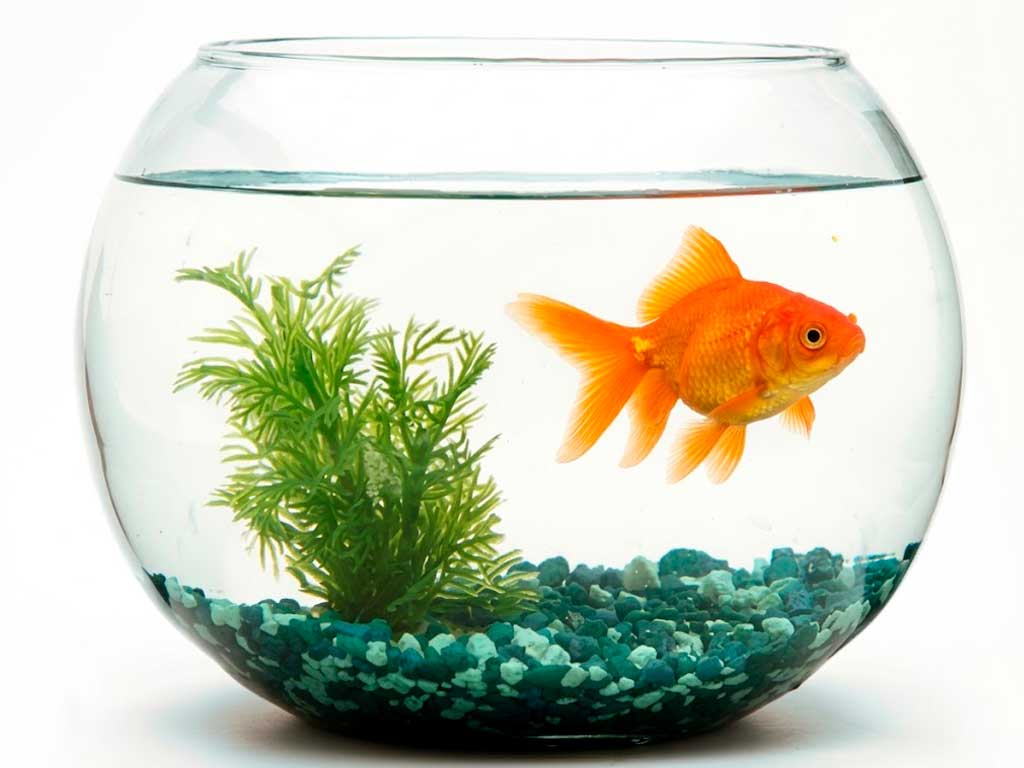
| A bowl is a fine home for a goldfish | False. No real filtration, aeration, or volume |
| Goldfish don’t live long | False. Decades are possible with good care |
| Goldfish are herbivores | False. They’re omnivores |
| Bigger tanks always mean healthier goldfish | Debated. Water quality matters more than raw volume |
Myth: Goldfish Have a Three-Second Memory
This might be the most widely repeated fish myth of all, and it’s simply false. Goldfish can retain memories for up to five months, and they show a genuine sense of time and routine, including recognizing feeding schedules and, according to some owner reports, getting visibly excited when a specific person walks into the room.
Myth: Goldfish Stop Growing to Fit Their Tank
This one contains a grain of truth wrapped around a dangerous misconception. Goldfish kept in small, poorly maintained tanks often do stay small, but that’s not the fish “adapting” to its space.
It’s a sign of stunted growth caused by poor water quality, and stunted goldfish are more prone to illness and premature death, not living comfortably at a convenient size.
A properly cared-for goldfish never really stops growing. Common goldfish can reach up to 45 cm (about 18 inches) in length given the right conditions, which is exactly why animal welfare organizations recommend real space from the start rather than assuming a young fish will “stay small.”
The Tank Size Debate: How Big Is Big Enough?
Here’s what actually matters for anyone trying to sort through conflicting advice online: there’s a genuine, ongoing debate among experienced goldfish keepers about exactly how much space is truly necessary, and it’s worth understanding both sides rather than treating one number as settled science.
Animal welfare organizations typically recommend specific minimums: around 120 cm (roughly 4 feet) of tank length or 112 liters (about 30 gallons) per adult common goldfish, and around 90 cm or 75 liters per adult fancy goldfish, with substantially more for an outdoor pond.
On the other side of the debate, some experienced breeders and more skeptical aquarists argue that water quality, not raw water volume, is the real determining factor in a goldfish’s health, pointing to documented cases of goldfish living multiple decades in tanks as small as 5 to 10 gallons with adequate filtration and aeration.
Both sides agree on the underlying mechanism: poor water quality causes health problems, and larger volumes of water are inherently more forgiving of feeding and maintenance mistakes since waste dilutes further before it becomes dangerous.
Where they disagree is whether that forgiveness translates into a hard minimum requirement or whether a smaller, meticulously maintained tank can support a genuinely healthy fish just as well.
Given that disagreement, the safest practical approach is to lean toward more space when possible, covered in more detail in the tank and pond setup guide, while recognizing that consistent water quality management matters at any tank size chosen.
Myth: Goldfish Don’t Live Long
Goldfish rank among the longest-lived fish commonly kept as pets, not the short-lived, disposable pet the “flush and replace” stereotype suggests. Well cared for goldfish routinely live for decades, and the record-holder reportedly reached 49 years old.
Premature goldfish deaths, which fueled this myth in the first place, almost always trace back to poor housing conditions rather than any natural short lifespan. A fish dying within a year or two in a bowl says far more about the bowl than about the species.
Myth: Goldfish Are Herbivores
Goldfish are omnivores, not herbivores, and their natural diet includes real animal matter alongside plant material. In the wild, goldfish eat fish eggs, small invertebrates, and even smaller fish species when the opportunity arises, not just algae and vegetation.
A quality goldfish pellet as a staple, supplemented with fresh vegetables and occasional frozen invertebrates like brine shrimp or bloodworm, matches that natural omnivorous diet far better than a plant-only feeding routine.
The World’s Biggest Goldfish (With an Asterisk)
“The Carrot,” widely reported as the world’s biggest goldfish at roughly 67 pounds (30.5 kg), caught by British angler Andy Hackett at Bluewater Lakes in France in 2022, deserves an honest asterisk: it was actually a hybrid between a common goldfish and a leather carp, not a pure goldfish. The fish reportedly lived to around 20 years old before dying in September 2024.
For a purebred goldfish specifically, the Guinness World Record for longest specimen stands at 18.6 inches, set in the Netherlands in 2003, a genuinely enormous fish but nowhere near carp-hybrid territory.
Numerous other oversized wild goldfish, sometimes nicknamed “megalodon” goldfish by wildlife agencies, have been documented across the United States in recent years, most tracing back to pets released into ponds, lakes, and rivers.
Goldfish as an Invasive Species
Released pet goldfish have become a genuine, documented ecological problem across multiple continents. Every US state now has established wild goldfish populations, and authorities in places like Minnesota have removed tens of thousands of goldfish from a single lake system after irresponsible releases.
The problem extends well beyond North America. Australia’s Vasse River hosts one of the fastest-reproducing wild goldfish populations recorded anywhere, and established invasive populations also exist in South Africa and Turkey.
Released goldfish outcompete native species for food and habitat, muddy sediment through their digging and feeding behavior, and can introduce disease into wild fish populations. Given how large and fast-reproducing this species becomes without a tank’s constraints, releasing an unwanted goldfish is never a humane or harmless solution.
The main care guide and the tank and pond setup guide both cover realistic long-term housing instead.