Elevated Liver Enzymes in Cats: What They Actually Mean
Your vet calls. She says your cat’s liver enzymes came back high. Then she starts using words like ALT and ALP, and you’re left standing in your kitchen with more questions than you started with.
Here’s what’s really going on: elevated liver enzymes are a signal, not a diagnosis. They tell you something is stressing the liver. They don’t tell you what, or how bad, on their own. That’s the whole point of this guide.
The Quick Answer
Liver enzymes leak into a cat’s bloodstream when liver cells are stressed or damaged. Four enzymes get tested: ALT, AST, ALP, and GGT. Each one points toward a slightly different part of the liver, and the pattern between them, not any single number, is what a vet actually uses to narrow down the cause.
ALT: The One Vets Watch Closest
ALT lives almost entirely inside liver cells. When those cells get damaged, ALT spills out, which makes it the most liver-specific of the four enzymes your vet tests.
A high ALT on its own usually points to something directly affecting liver cells: hepatic lipidosis (fatty liver, the most common cause in cats who’ve stopped eating, and the subject of a deep dive on hepatic lipidosis), hyperthyroidism, toxin exposure, or infection. It’s often the first enzyme to rise, sometimes before a cat shows any outward symptoms at all.
AST: The Enzyme That Isn’t Always About the Liver
AST shows up in liver cells too, but it also lives in muscle. That single fact changes how a vet reads it.
High AST with a normal ALT usually points away from the liver and toward muscle: a recent injury, a seizure, or even an injection site reaction. High AST alongside high ALT is a different story, that combination points back to the liver. Your cat isn’t lying to you here, the numbers just need company to make sense.
ALP: Different Story in Kittens
ALP comes from bile ducts and bone. In adult cats, any real elevation is worth paying attention to. Cats don’t produce the “benign” medication-related ALP spikes that dogs sometimes do, so a rise usually means something is actually happening.
Kittens are the exception worth knowing. Growing bone naturally produces more ALP, so a kitten’s ALP running higher than an adult cat’s reference range isn’t automatically a red flag on its own. Context and the rest of the panel still matter.
GGT: The Bile Duct Specialist
GGT is narrowly focused on bile ducts. On its own, it doesn’t say much. Paired with a high ALP, it starts pointing somewhere specific: cholangitis (bile duct inflammation) or an obstruction, both of which usually call for an ultrasound sooner rather than later.
At a Glance: The Four Liver Enzymes
| Enzyme | Full Name | Found In | What a Rise Usually Points To |
|---|---|---|---|
| ALT | Alanine Aminotransferase | Liver cells | Direct liver cell damage |
| AST | Aspartate Aminotransferase | Liver & muscle | Liver damage if ALT is also high; muscle injury if ALT is normal |
| ALP | Alkaline Phosphatase | Bile ducts, bone | Bile duct disease; naturally higher in growing kittens |
| GGT | Gamma-Glutamyl Transferase | Bile ducts | Bile duct inflammation or obstruction, especially with high ALP |
Why We’re Not Giving You a Single “Normal Range” Table
Every liver-enzyme article you’ll find online, including the two we checked while researching this one, publishes a table of “normal” numbers. The problem: those tables don’t agree with each other. One respected source lists a normal ALT range of 10 to 120 U/L. Another lists 28 to 109 U/L. Same enzyme, same species, genuinely different numbers.
That’s not because one source is wrong and the other is right. Reference ranges are set by each individual lab, based on the equipment and population that lab uses to calibrate. Your cat’s own lab report already has a reference range printed right next to each result, and that’s the number that actually matters for your cat, not a number pulled from a website.
A note on safety: this guide explains what each enzyme measures. It doesn’t replace a vet reading your cat’s actual panel. If your cat is also showing jaundice, not eating, or acting lethargic alongside high enzymes, don’t wait on a second opinion online, call your vet.
“My Cat’s Enzymes Are Way Over Normal, Is That Bad?”
This is the question behind a lot of panicked searches, usually typed with the exact number sitting right in front of someone on a lab printout. Because labs use different reference ranges, there’s no single cutoff where “500” means one thing everywhere. What vets actually pay attention to is how many times over the top of the reference range a number sits, not the raw figure.
A value that’s mildly over the top of the range often means monitoring and a recheck in a few weeks. A value running at several multiples above it usually moves faster, more testing, sometimes same-week. Either way, the number alone doesn’t tell the whole story: your cat’s symptoms, other bloodwork values, and how long the elevation has been building all factor into what happens next.
What Happens After a High Result
A single high number rarely ends the conversation with your vet, it usually starts a short list of next steps. Which ones apply depends on the pattern of enzymes and what else shows up on the physical exam.
Repeat bloodwork is often the first move, especially for a mild, isolated elevation. Running the panel again in two to four weeks shows whether the number is climbing, holding steady, or already coming back down on its own, and that trend matters more than the single reading did.
An ultrasound looks at the liver’s actual structure rather than just its output, and it’s the usual next step when ALP and GGT are up together, since that pattern points toward the bile ducts specifically. A bile acids test measures something different again: how well the liver is actually functioning, not just whether its cells are leaking enzymes. A cat can have normal enzymes and poor liver function, or the reverse, which is why vets sometimes order both.
Because hyperthyroidism is common in older cats and reliably raises liver enzymes on its own, a thyroid panel is a routine part of working up an older cat with an unexplained elevation. Cats also get checked for pancreatitis in the same visit fairly often, since the liver, pancreas, and intestines sit close enough together that inflammation in one frequently drags the others along, a combination vets call triaditis.
Does Diet Play a Role?
Diet doesn’t directly cause most liver enzyme elevations, but it shows up in two real ways once enzymes are already high.
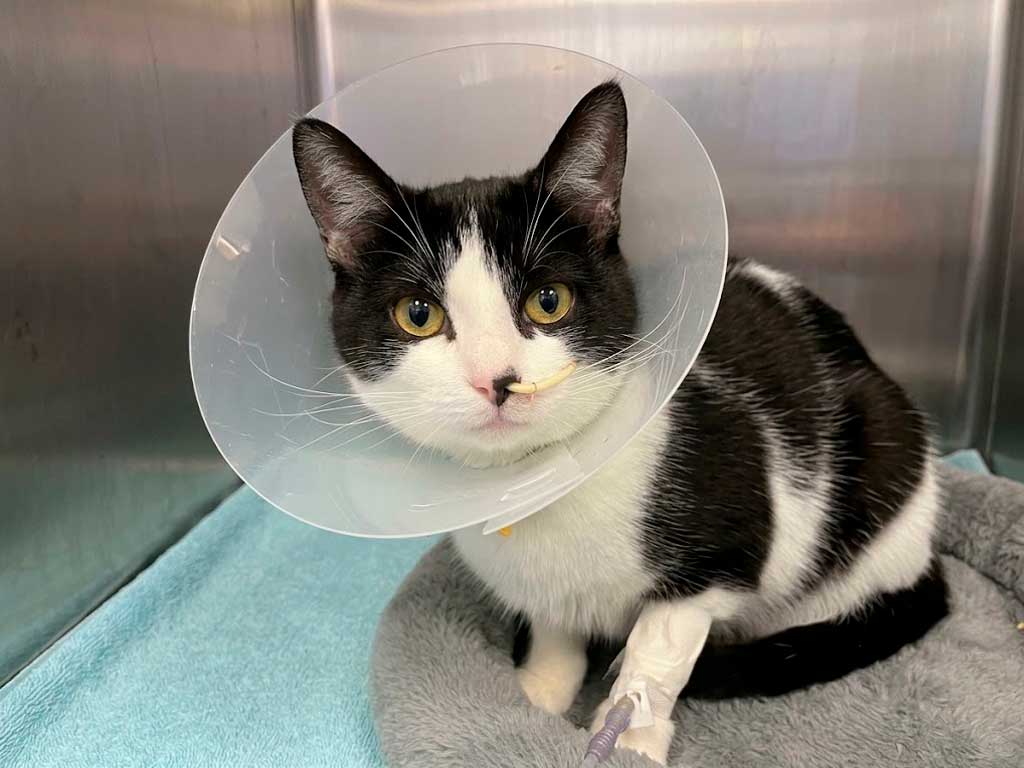
If hepatic lipidosis is suspected, the priority becomes getting calories into your cat consistently, sometimes through a temporary feeding tube, since inconsistent eating is what triggers the condition in the first place. For cats with a confirmed, ongoing liver condition, a vet may eventually recommend a specific therapeutic diet built around that diagnosis.
What matters most here is timing. Switching foods or cutting portions based on a lab number alone, before a vet has actually explained what’s causing it, can do more harm than good, especially in an overweight cat. Restricting food from an overweight cat to help it lose weight is one of the most common ways hepatic lipidosis actually starts. Wait for your vet’s specific recommendation rather than guessing at a fix.
Symptoms That Often Show Up Alongside High Enzymes
Elevated enzymes rarely travel alone. Weight loss despite normal eating, a cat suddenly refusing food, vomiting, or increased thirst often show up in the same bloodwork visit. If any of these sound familiar, the full list of liver disease warning signs covers what to watch for beyond the lab report itself. And if the numbers are severely elevated, it’s worth understanding the difference between liver disease and outright liver failure.
Frequently Asked Questions
Sources
- Merck Veterinary Manual, a comprehensive clinical reference for veterinary practice.
- IRIS Kidney Guidelines, from the International Renal Interest Society. Kidney values are often tested alongside liver panels, and this is the standard reference for that side of the bloodwork.
- AAFP Feline Practice Guidelines, from the American Association of Feline Practitioners.