Hepatic Lipidosis in Cats: What Fatty Liver Disease Really Means
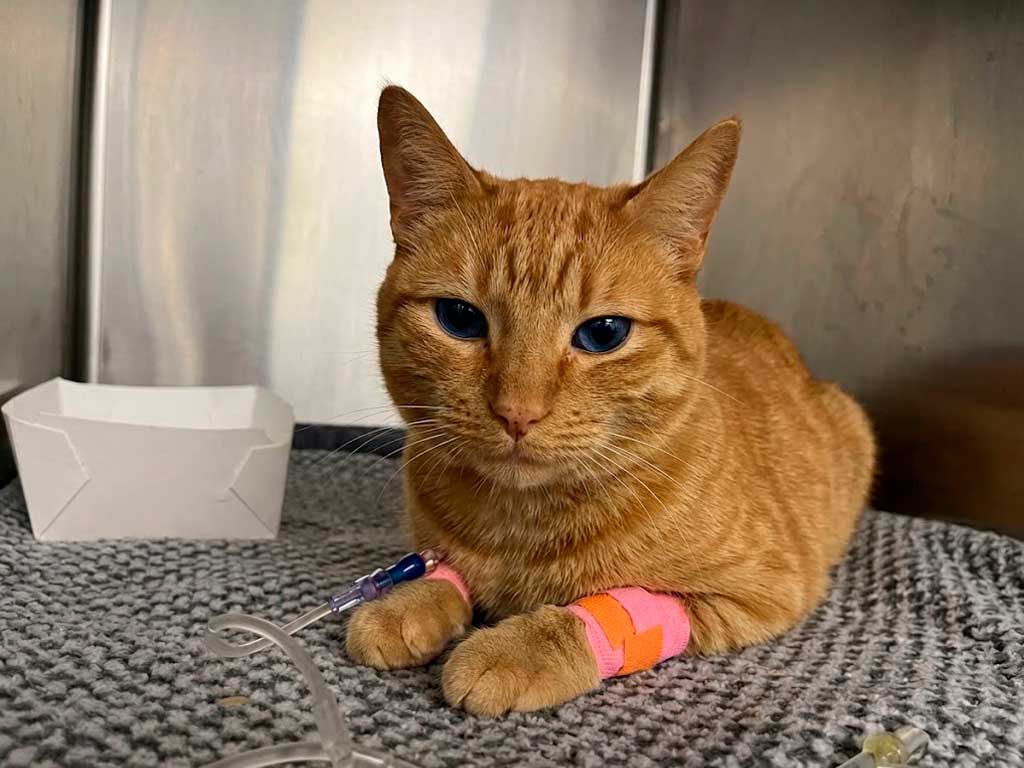
Your cat stopped eating three days ago, and now her eyes look a little yellow. That combination points to hepatic lipidosis in cats, one of the most common and most treatable causes of liver failure in the species. Catch it early, and most cats recover fully; caught too late, it is a fast route to the point where liver disease becomes outright failure.
What Hepatic Lipidosis Actually Is
Hepatic lipidosis in cats happens when the body starts breaking down fat reserves faster than the liver can process them. That fat gets shipped to the liver, stored inside liver cells, and eventually crowds out the cells’ normal function.
It’s often called fatty liver disease for exactly that reason: the liver itself becomes packed with fat. Unlike people, cats are unusually prone to this when they stop eating, even for just a day or two, which is why vets treat any sudden loss of appetite in a cat as urgent.
Middle-aged, overweight cats face the highest risk. When an overweight cat stops eating, whether from stress, illness, or a change in food, the body mobilizes fat reserves aggressively, and the liver simply can’t keep up.
How Fast This Develops
Hepatic lipidosis can start within days of a cat going off food. That timeline surprises a lot of owners who assume a picky eater just needs a day or two to come around.
Don’t wait it out. If your cat hasn’t eaten in over 24 hours, call your vet rather than hoping appetite returns on its own. A note on safety: this guide explains what hepatic lipidosis is and how vets treat it. It doesn’t replace an exam. If your cat has gone more than a day without eating, call your vet rather than waiting to see what happens.
Symptoms of Hepatic Lipidosis in Cats
The signs build gradually, then escalate:
Poor or absent appetite comes first, often alongside rapid weight loss. As the liver struggles more, jaundice sets in, a yellowing you’ll notice in the gums, eyes, or inner ears. Vomiting, lethargy, and a general drop in energy tend to follow.
Some cats hide more than usual or become unusually weak. Others show dark urine, unexpected bruising, or bleeding that doesn’t make sense for a minor injury. Because these symptoms overlap with several other liver conditions, including the general liver disease warning signs, a vet visit is the only way to know for certain which one you are dealing with.
What Causes It
Anything that stops a cat from eating can trigger hepatic lipidosis in cats. The underlying causes vary widely:
Inflammatory bowel disease, pancreatitis, and cholangiohepatitis all commonly sit behind a cat’s sudden loss of appetite. Cancer can do the same, as can major stress, like a move, a new pet, or a disrupted routine. When vets can’t pin down a specific trigger, the case gets labeled idiopathic hepatic lipidosis, meaning the cause stays unknown even after a full workup.
Which Cats Face the Highest Risk
Being overweight is the single biggest risk factor, but it rarely acts alone. Something else usually has to happen first to stop a cat from eating.
Dental pain is a common, easy-to-miss trigger: a cat with a sore tooth quietly eats less for days before anyone notices. Diabetes, kidney disease, and other chronic conditions raise the risk too, since they already put extra strain on how the body handles fat and energy. Even a stressful boarding stay or a new animal in the house can be enough to tip an at-risk cat into not eating.
Multi-cat households add another layer of risk. A cat that’s being outcompeted for food, or bullied away from the bowl, can quietly go days without eating enough while everyone assumes the food dish getting empty means every cat is fine.
None of this means every stressed or overweight cat will develop hepatic lipidosis. It means any sudden drop in appetite in a cat with these risk factors deserves a same-day call to your vet, not a wait-and-see approach.
Diagnosing Hepatic Lipidosis in Cats
A vet usually starts with a physical exam and a history: has the cat been eating, and for how long has appetite been off? Bloodwork often shows elevated bilirubin and a notably high alkaline phosphatase, a pattern that points toward the liver specifically.
An abdominal ultrasound confirms the diagnosis in most cases. With hepatic lipidosis, the whole liver typically looks abnormal on the scan, not just one section. Vets sometimes take a fine needle sample during the ultrasound, and finding liver cells packed with fat confirms the diagnosis outright.
What the Blood Work Actually Shows
Two values tend to stand out on a hepatic lipidosis panel: bilirubin and alkaline phosphatase (ALP). Both climb because fat-packed liver cells struggle to process waste and can’t keep bile flowing normally, which is also what produces the yellow tint of jaundice.
This is a different pattern from most other liver conditions, where ALT usually leads. If you’re trying to make sense of a full panel beyond just these two numbers, our guide to what those numbers mean walks through what each individual enzyme measures and why the pattern matters more than any single result.
Treatment: What Actually Happens
Treating hepatic lipidosis in cats comes down to one thing above all: nutritional support is the entire strategy, not a side note to it. Cats with hepatic lipidosis need calories going in consistently, and most won’t eat enough on their own to make that happen.
Hospitalization usually starts with a nasoesophageal tube, a thin tube passed through the nose for short-term feeding. Once your cat is stable, vets typically switch to an esophagostomy tube, placed through a small incision in the neck under brief anesthesia. That tube is what you’ll manage at home.
Supporting medications round out the picture. Vets often add B vitamins, vitamin K, and vitamin E, along with fluids containing potassium, magnesium, and phosphorus. Many cats also get liver-support supplements like SAMe or milk thistle, alongside anti-nausea medication to keep them comfortable enough to tolerate feeding.
Home Care and the Feeding Tube Journey
Managing hepatic lipidosis in cats at home starts with training: your vet will walk you through everything before your cat goes home, how to feed through the tube, how to give medications, and how to keep the site clean. Tube feeding commonly continues for a month or two, sometimes longer.
The tube comes out in stages, not all at once. Once your cat stops feeling nauseated and starts regaining weight, your vet will guide you through gradually reducing tube feedings so genuine hunger has room to return. When your cat is eating enough on their own, consistently, the tube gets removed.
Watch the tube site daily for redness, swelling, or discharge, and call your vet if you notice any of those. A little irritation is common; anything that looks worse day over day is worth a quick check rather than waiting for the next scheduled visit.
Hepatic Lipidosis Survival Rate in Cats
Here’s the number worth remembering: with prompt treatment, up to 80% of cats with hepatic lipidosis survive and go on to live normal lives. That’s a genuinely good outcome for a condition that can be fatal if it goes untreated.
Recovery takes real commitment, though. Between the hospital stay, the feeding tube, and the follow-up visits, treatment often runs into the thousands of dollars, and the timeline stretches over months rather than weeks. But for a condition this serious, that survival rate is worth every part of the process.
Preventing Hepatic Lipidosis in Cats
A few habits meaningfully lower the risk:
Watch your cat’s eating every day, and call your vet if a full day passes with little or no food. Keep your cat at a healthy weight through measured meals rather than free-feeding, since overweight cats face the steepest risk if appetite ever drops. And don’t skip routine wellness visits. They catch the underlying problems, like early dental disease or thyroid issues, before those problems turn into an appetite crisis.
Frequently Asked Questions
Sources & Further Reading
- Cornell Feline Health Center, hepatic lipidosis resource.