Chesapeake Bay Retriever: America’s Waterfowl Specialist
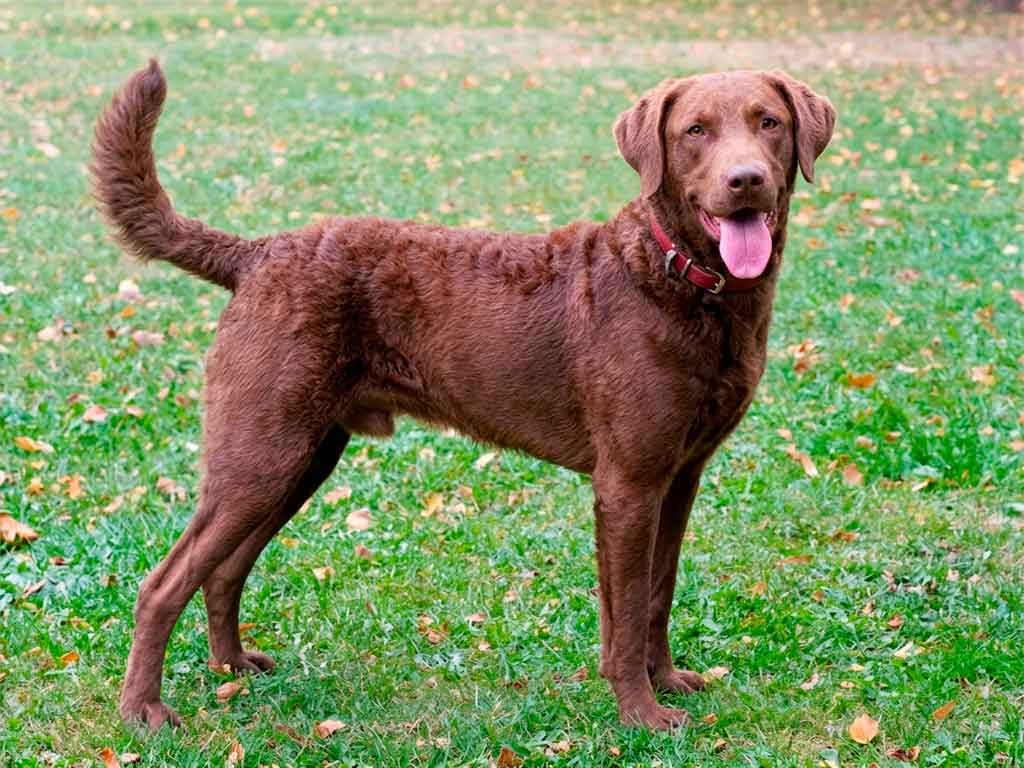
The Chesapeake Bay Retriever is an American retriever built to work freezing water, and it is the most protective of the retriever breeds. Adults stand 21 to 26 inches (53 to 66 cm) at the shoulder and weigh 48 to 88 pounds (22 to 40 kg). Most live 10 to 13 years.
It needs two hours of activity a day, cold water when possible, and a handler it respects. It suits experienced owners with a fenced yard and a working routine. It does not suit apartments, first-time owners, or anyone who expects a Labrador’s welcome for every visitor.
The Chesapeake in Numbers
The figures below come from the Wisdom Panel breed profile (2026), and the official standard fills in the details that mark a dog as typical.
| Characteristic | Details |
|---|---|
| Breed group | Sporting, developed in the United States |
| Size | Large |
| Height | 21 to 26 inches (53 to 66 cm) at the shoulder |
| Weight | 48 to 88 pounds (22 to 40 kg) |
| Coat | Short, dense double coat with a woolly undercoat, wavy only along the back |
| Color | Deadgrass, sedge, or brown |
| Life expectancy | 10 to 13 years |
| Daily exercise | Two hours or more, with swimming when possible |
The video gives a ten-point overview of the breed. The rest of this guide goes deeper on the two questions a video cannot answer for you: who the dog will accept, and how much water it needs.
What the Standard Says Between the Lines
Read the official standard closely and you find a sentence that rarely reaches a breed profile: extreme shyness or extreme aggressive tendencies are not desirable in the breed. That line exists because the Chesapeake sits closer to the guarding breeds than any other retriever. It was left with boats, decoys, and gear, and it learned to judge who belonged near them. The result is a dog that decides for itself whether someone is allowed near the truck, the yard, or the children. Owners who wanted a Labrador and got this instead are the ones rehoming at eighteen months. If you need a dog that likes everyone it meets, this breed will disappoint you every week.
A Retriever Built to Break Ice
The standard describes a dog that hunted waterfowl “under the most adverse weather and water conditions, often having to break ice.” That single line explains the chest, the hindquarters set as high as or higher than the shoulders, and the oily double coat that waves only along the back.
The origin story is a shipwreck legend. Two Newfoundland-type puppies were said to survive a wreck off Maryland in the early 1800s and become the foundation of the breed. The Maryland State Archives records the legend without endorsing the details, which is the honest way to tell it.
What is documented is thinner and more interesting. The American Kennel Club registered its first Chesapeake in 1878, Maryland named it the state dog in 1964, and the University of Maryland Baltimore County has used it as a mascot since 1966.
A Chessie still works like that. It swims in water that makes other retrievers hesitate, then sits in a blind for hours without fidgeting. Stamina and patience are the job, and speed is not.
A Guard Dog Inside a Retriever
The protectiveness is not a training artifact. Generations of Chessies were left alone with expensive gear, and they learned to sort a stranger from a member of the household.
That instinct plays out differently in each household, and the table below is the version most breeders will confirm.
| Situation | What to expect |
|---|---|
| Visitors | Met at the door with suspicion, and introductions need a place command and a few visits |
| Children | Steady with family children, but size and mouthiness need supervision around toddlers |
| Other dogs | Usually fine after a slow introduction, and less patient with rude dogs than a Lab |
| Cats and small pets | Manageable when raised with them, a real risk with an adult dog that never lived with cats |
| Strangers on the property | The breed’s home ground, so a fence and a gate matter more than any command |
| Apartment living | Wrong fit on size, voice, and exercise needs |
The Health Checks That Matter
The parent club’s testing list is short and specific, and every item on it is a question you can put to a breeder in one sentence.
| Condition | Screening |
|---|---|
| Hip and elbow dysplasia | Orthopedic evaluation of both parents before the litter is planned |
| Inherited eye disease | Ophthalmologist exam plus the PRA-prcd DNA test |
| Degenerative myelopathy | DNA test for the common variant |
| Exercise-induced collapse | DNA test, which matters in a dog bred to sprint into cold water |
Bloat is the emergency to know by sight. A deep-chested dog that retches without producing anything, drools, paces, or carries a tight swollen belly needs a veterinarian within minutes rather than by morning.
The less dramatic problems are skin and ears. Hot spots appear under a wet collar, and ear infections follow long swims, which makes drying the dog part of the health routine rather than a grooming detail.

Lemonade Pet Insurance
Explore customizable pet insurance coverage and learn whether Lemonade is the right fit for your dog or cat.
- Customizable coverage options
- Online policy management
Cold Water, Hot Days, and the Job
A Chesapeake in the right conditions is a low-maintenance athlete. The same dog in the wrong climate becomes a management problem, and the difference is usually weather.
Cold Water Is the Point
Swimming is not a bonus activity for this breed. It is the environment that shaped the body, and a dog that swims regularly is calmer and easier to live with than one that only walks.
A healthy adult can work a cold pond in winter. Puppies and seniors need shorter sessions, a dry towel, and a warm place afterward.
Heat Is the Real Limit
Summer catches owners out. The dark coat and deep chest hold heat, and a Chessie will keep retrieving long after it should stop. Swim early in the morning, carry water, and watch for a dog that chooses shade over the toy.
The Job That Keeps It Calm
Mental work does more for this breed than an extra mile on a lead. A retrieving dummy, a marked retrieve, and a few minutes of steadiness practice reach the part of the dog that needs a purpose.
Two short sessions a day beat one long walk, and the dog settles better afterward. A Chessie with nothing to do invents work, usually at the fence line.
Training a Chessie Without Breaking Its Spirit
This is a dog that weighs the instruction before it complies. Trainers describe the breed as soft with the person it trusts and hard with everyone else, and both halves are real.
Force-based methods produce a dog that works and resents it. Reward-based training, short sessions, and a predictable routine produce the working partner the breed was meant to be.
Two rules do most of the work. Nothing is free at the door, so the dog sits before a greeting and before the leash goes on. The recall gets proofed on land before anyone tests it near water.
Do not train this breed as a guard dog. The instinct is already there, and shaping it turns a protective family dog into a liability.
Feeding a Working Dog
Feed twice a day, measure the portion, and lift the bowl between meals. A Chessie eats like a dog that worked all day even when it spent the afternoon asleep.
Bloat risk makes timing matter as much as the food. No hard exercise for an hour before or after a meal, no single large serving, and no free feeding.
Puppies need a large-breed formula and a slow growth curve. Body condition beats any chart: ribs easy to feel, waist visible from above, and no filling out for the sake of looks.
Shop for Your Breed

Just Food For Dogs – Fresh Frozen
Fresh meals. Gently cooked, then frozen to lock in nutrients. 100% Human Grade Ingredients. Gently Cooked in the USA. #1 Vet-Recommended Fresh Food.
Shop on JustFoodForDogs
Raw Paws Pet Food – Frozen Raw Pet Food
Feeding your pet a frozen raw pet food diet is a simple way to deliver real, whole-food nutrition in its most natural form.
Shop on RawPawsPetFood
Bravecto Chews for Dogs
Bravecto is a long-lasting flea and tick protection option for your dog. 1 dose of Bravecto chew provides up to 12 weeks of powerful protection, which is nearly 3 times longer than a monthly treatment.
Shop on BestVetCare.com
Deworming Treatments for Dogs
BestVetCare offers you a wide range of worm treatments which come in a variety of forms such as oral paste, tablets, granules, and liquid solutions.
Shop on BestVetCare.comHappyPetZone participates in various affiliate programs with brands and retailers. We may receive a commission on purchases made through our links, at no extra cost to you.
Should You Get One?
The short version, for anyone deciding today. More profiles by size, coat, and temperament sit in the dog breeds hub.
| Choose a Chesapeake if | Skip it if |
|---|---|
| You have cold water within reach | Your only swimming option is a warm pool |
| You want a dog that watches the gate | You want a dog that loves every visitor |
| You have trained a strong dog before | This would be your first dog |
| You can commit two hours a day | Your routine allows one short walk |
| You want a working partnership | You want a dog that obeys without question |
Related Waterfowl Breeds
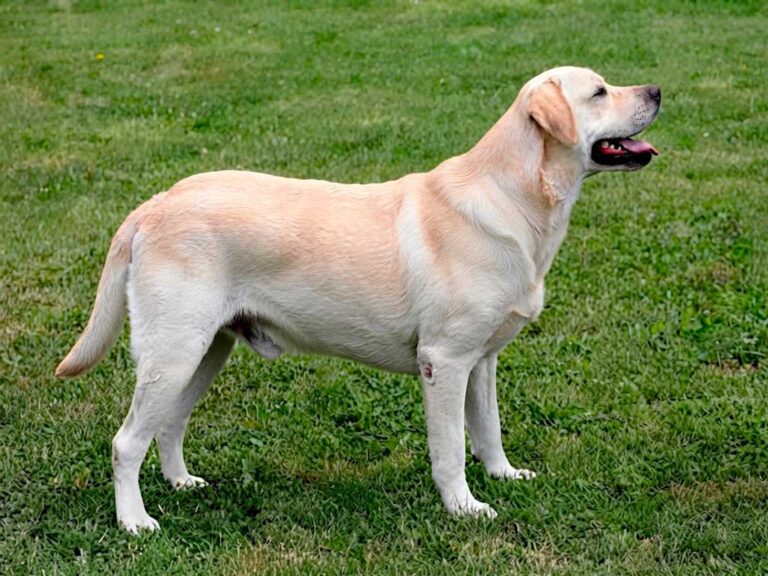
- The Labrador Retriever is the biddable alternative, friendlier with strangers and far easier for a first-time owner.
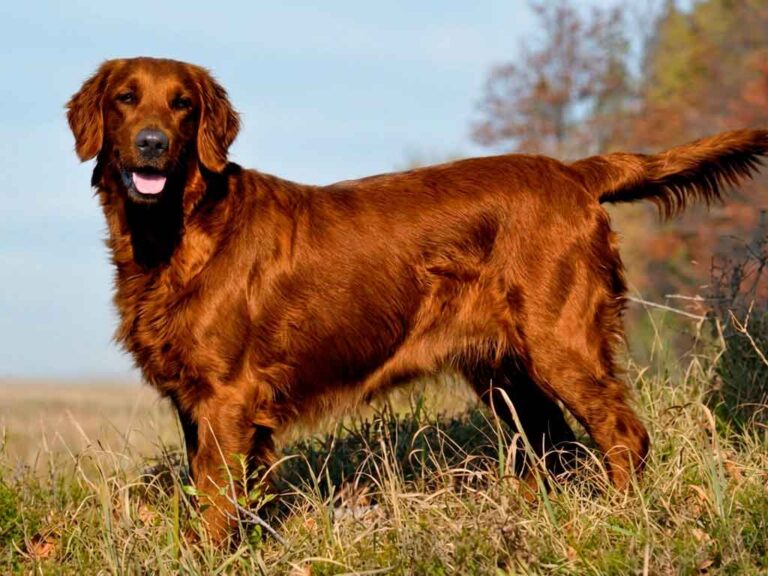
- The Flat-Coated Retriever keeps the working drive and loses the suspicion, which is why it greets burglars.
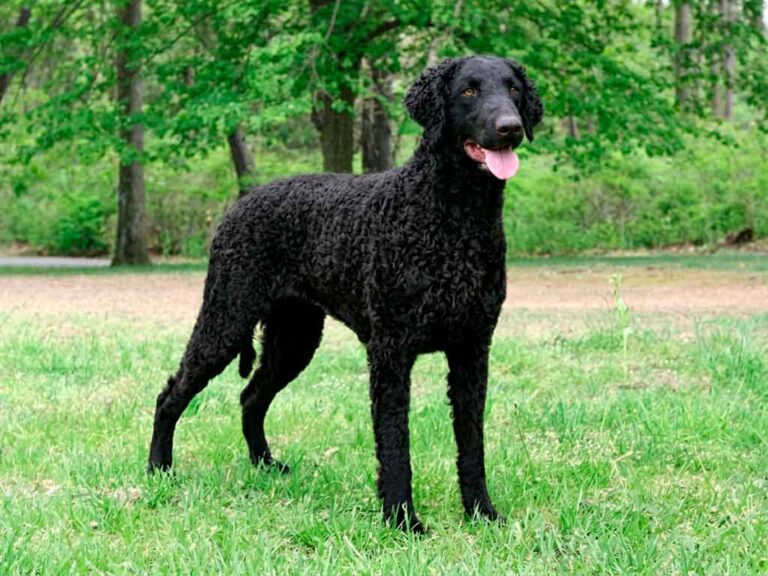
- The Curly-Coated Retriever is the rarer cousin with a tighter coat and a similar reserve around strangers.
- The Nova Scotia Duck Tolling Retriever is the smallest of the group, built to lure ducks rather than break ice for them.
Frequently Asked Questions
Four questions that come up after the sections above.
Sources
- American Chesapeake Club, Official breed standard
- American Kennel Club, Sporting Group health testing requirements
- Maryland State Archives, Maryland State Dog (2024 manual).
- Wisdom Panel, Chesapeake Bay Retriever breed profile
- Merck Veterinary Manual, Gastric dilation and volvulus in small animals