Chow Chow: The Ancient Breed With a Blue Tongue
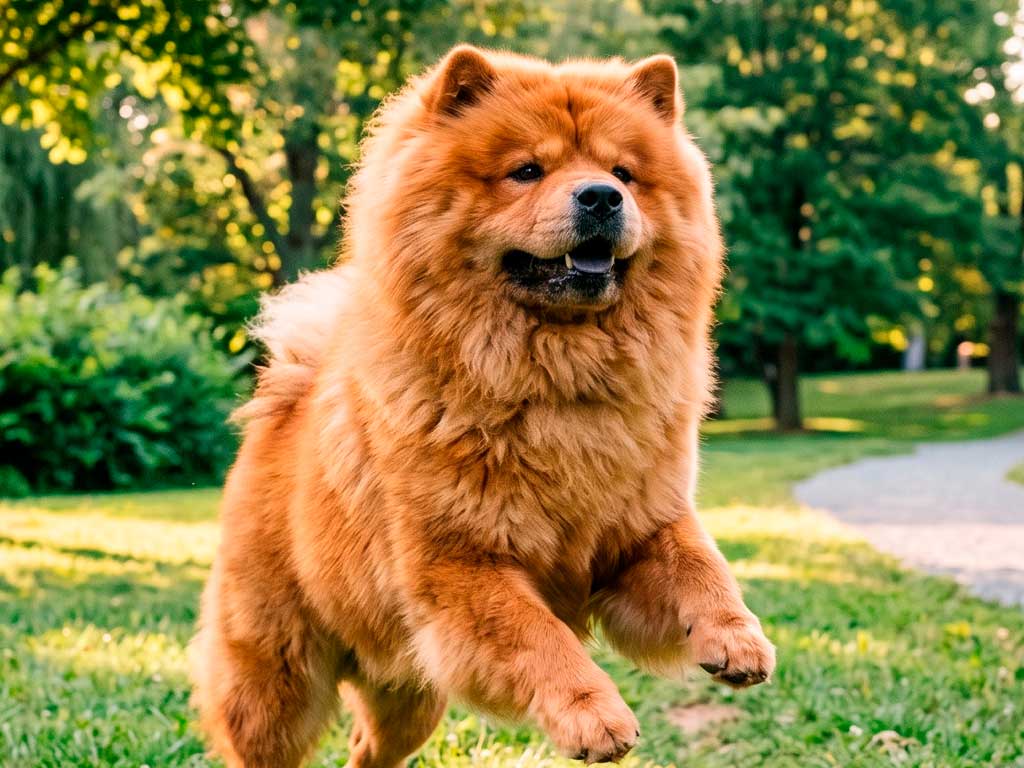
Few dogs carry a genetic signature as recognizable as the Chow Chow’s blue-black tongue. This ancient breed traces back thousands of years in China, where it once guarded temples and pulled carts.
Behind that lion-like mane sits a genuinely independent, dignified dog unlike almost anything else in the working group. Here’s the full picture of what makes this breed so distinctive.
Quick Facts
- Life expectancy: 12 to 15 years
- Weight: 18 to 31.5 kg, males heavier than females
- Height: Males 48-56 cm, females 46-51 cm
- Size: Large, Utility group
- Colors: Red, black, cream, blue, and cinnamon
- Coat: Rough or smooth, with a signature blue-black tongue
- Exercise needs: Low, about one walk a day
- Good for: Experienced owners who value independence over constant affection
Chow Chow History and Origin
The Chow Chow’s exact origins stay wrapped in mystery, though most historians trace it back to Mongolia and Manchuria before its introduction to China. Historically, people valued this breed’s meat and fur as much as its working ability.
Temple guardians once used Chow Chows to ward off evil spirits, while Chinese aristocrats employed them for hunting, guarding, and pulling sleds and carts. Some researchers even believe the entire Spitz family of breeds descends from the Chow Chow.
Physical Characteristics
This breed carries a compact, square build with a thick double coat and a tail that curls proudly over its back. Two coat types exist: a coarser rough coat with a soft, woolly undercoat, and a shorter smooth coat.
Both types show thicker fur around the neck and the back of the thighs, giving the its signature lion-like mane. Perhaps most distinctive of all, this breed’s mouth and tongue carry a striking blue-black color, a trait it shares with only a handful of other animals, including the Shar Pei.
Chow Chow Temperament and Personality
Stays notably independent and can come across as aloof, even a little stubborn. Here’s the thing — this breed often bonds intensely with one person, and it may bark protectively if it senses danger to itself or its owner.
Despite the teddy-bear looks, this isn’t a naturally cuddly dog. Early socialization with kids, cats, and other pets makes an enormous difference here, and much of the breed’s reputation for a difficult temperament actually traces back to puppies who missed that early training.
Care Guide
Grooming Needs
The rough coat needs daily brushing to prevent matting around that thick mane. The smooth coat stays more manageable, needing just two or three brushing sessions a week.
Trust me on this one: skipping grooming on a rough-coated Chow Chow catches up with you fast.
Exercise Requirements
This breed doesn’t need much exercise, and one walk a day usually covers it. Genuinely prefers lounging outdoors, so a shaded, cool spot in the yard matters during hot weather.
Give it time as a puppy, though — too much exercise too young can cause bone and joint problems later in life.
Nutrition
Feed a balanced diet with fresh water always available, and stick to two meals a day rather than free-feeding. Regular weigh-ins help keep this breed at a healthy weight throughout its life.
Gear That Actually Helps
A cooling mat or shaded outdoor bed helps this breed handle hot weather more comfortably, given its thick double coat. A slicker brush and a wide-tooth comb also make daily grooming sessions on a rough coat far more manageable.
Training and Socialization
Early, consistent socialization matters more for this breed than almost any other on this list. Struggling with a standoffish puppy? Introduce children, cats, and other animals as early as possible, since that window shapes this breed’s adult temperament significantly.
Positive reinforcement works better than force with this breed’s independent streak, and patience pays off over time.
Health and Longevity
Generally lives between 12 and 15 years, with proper care supporting the higher end of that range. This breed faces elevated risk for hip and elbow dysplasia, panosteitis, entropion, and cruciate ligament disease.
As always, this article offers general guidance, not veterinary advice — talk to your vet about breed-specific screening before bringing one home.
Fun Facts About the Chow Chow
Beyond its blue-black tongue, has 44 teeth, two more than most other dog breeds. This breed also holds deep cultural significance in China; according to historical accounts, an eighth-century emperor kept a kennel of 5,000 Chow Chows, tended by 10,000 hunters.
Psychoanalyst Sigmund Freud famously kept named Jofi in his therapy sessions, and patients reportedly opened up more freely in her presence. Jofi even signaled when a session ended, so Freud rarely needed to check the clock.
Because of this breed’s deep-set eyes, also have limited peripheral vision, so it’s best to approach them from the front rather than the side.
Is the Chow Chow Right for You?
This breed suits owners who appreciate an independent, dignified companion over a constantly affectionate one. It fits well with experienced dog owners willing to commit to early socialization and consistent training.
If you want a striking, low-energy dog with genuine ancient history behind it, the Chow Chow delivers something few other breeds can match.
Frequently Asked Questions
Is the Chow Chow a good family dog?
It can be, though this breed tends to bond most closely with one person rather than the whole family. Early socialization helps it adjust well to kids when introduced young.
Does the Chow Chow get along with other pets?
It’s possible with early exposure to cats and other animals during puppyhood. Without that early socialization, this breed can struggle with new pets later in life.
How much exercise does a Chow Chow need?
This breed needs relatively little exercise, and one walk a day usually suffices. It genuinely prefers relaxing outdoors over vigorous activity.
Is the Chow Chow easy to train?
This breed’s independent streak makes training take real patience and consistency. Positive reinforcement works better than forceful methods with this dog.
Why does the Chow Chow have a blue tongue?
This trait comes from a genetic pigmentation pattern the breed shares with only a few other animals, including the Shar Pei. It’s one of the Chow Chow’s most recognizable features.
How long do Chow Chows live?
Most live between 12 and 15 years with proper care. Regular vet visits support a long, healthy life.
Does the Chow Chow shed a lot?
Yes, especially the rough-coated variety, which needs daily brushing to manage shedding and prevent mats. The smooth coat sheds less and needs less frequent grooming.
Is the Chow Chow a good guard dog?
Yes, this breed stays naturally alert and protective, particularly toward its bonded person. Early socialization helps balance that instinct with appropriate behavior around visitors.
What health problems are common in Chow Chows?
This breed can face hip and elbow dysplasia, panosteitis, entropion, and cruciate ligament issues. Responsible breeders screen for these conditions before breeding.
Why do Chow Chows have poor peripheral vision?
Their deep-set eyes limit how much they can see to the sides. Approaching this breed from the front rather than the side helps avoid startling them.
Curious how the Chow Chow compares to other large, independent breeds? Browse the full Dog Breeds hub to explore more guides, or try our Dog Breed Quiz to find your best match.
Curious about another breed with a similarly distinctive look? The Shar Pei shares that same blue-black tongue and real bloodline ties to the Chow Chow, so it is worth a look if this breed caught your eye.