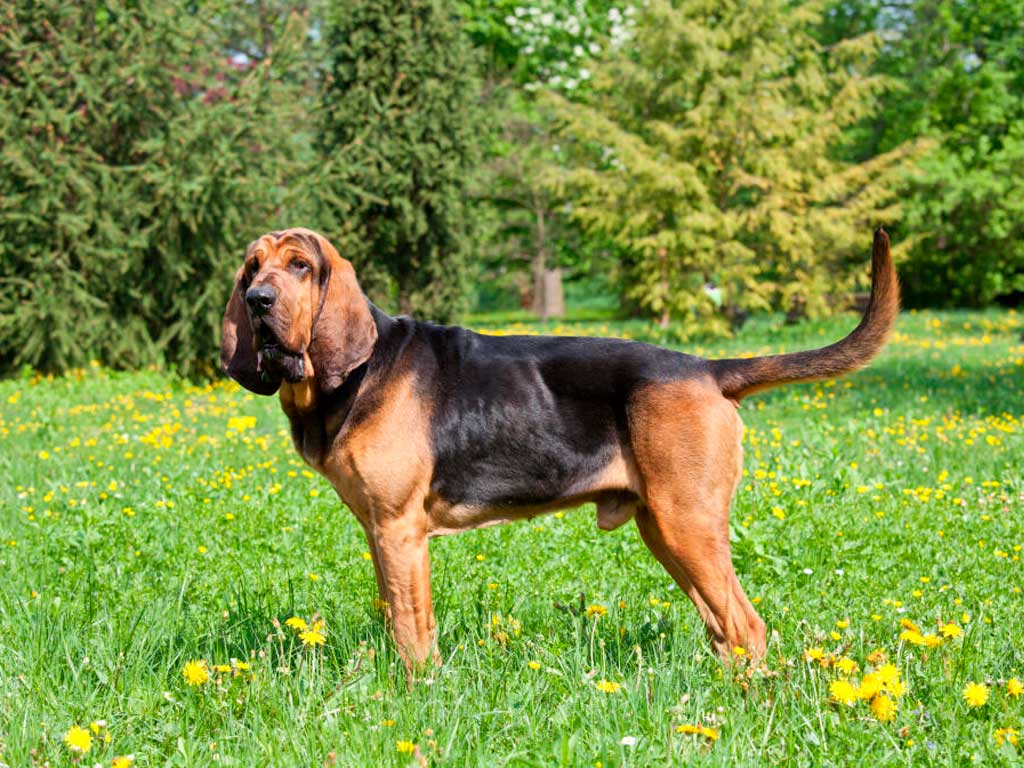
Flat-Coated Retriever: The Complete Breed Guide
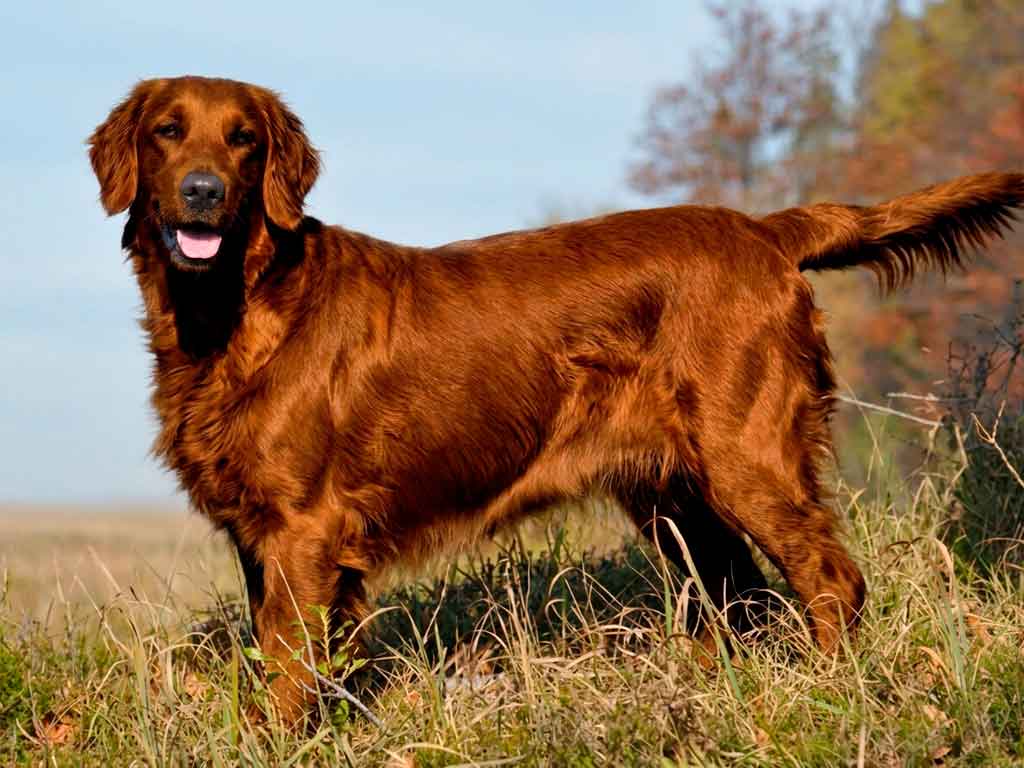
The flat-coated retriever is a large gundog from the United Kingdom that weighs 55 to 80 lb (25 to 36 kg), stands 22 to 24 in (56 to 61 cm) at the withers, and lives between 8 and 14 years. It is an affectionate, water-loving breed that keeps an unusually high level of energy well into adulthood. It is not the right dog for a low-activity household, and prospective owners should know upfront that the breed carries a significantly elevated risk of soft tissue sarcoma compared to most other dogs.
If that opening sentence made you pause, good. The cancer statistic is the most important thing to understand before adopting a Flat-Coated Retriever, and it belongs at the start of this guide, not buried in a health section at the bottom.
At a Glance
The table below summarizes the key facts about the breed.
| Attribute | Detail |
|---|---|
| Origin | United Kingdom |
| Breed group | Gundog / Sporting |
| Height (male) | 23 to 24 in / 58 to 61 cm |
| Height (female) | 22 to 23 in / 56 to 58 cm |
| Weight (male) | 60 to 80 lb / 27 to 36 kg |
| Weight (female) | 55 to 70 lb / 25 to 32 kg |
| Life expectancy | 8 to 14 years |
| Coat colors | Black, liver |
This Breed Has a Cancer Problem You Need to Understand First
“Soft tissue sarcoma, particularly histiocytic sarcoma, is a major cause of mortality in this breed. In a cohort of 174 flat-coated retrievers followed over 11 years, 42% died from confirmed neoplasia and a further 11.6% from unconfirmed tumors. Median age at death for dogs with tumors was 9 years.” Dobson et al., Veterinary and Comparative Oncology, 2009
That figure places the Flat-Coated Retriever in a different category from most large breeds. A 2023 analysis published in Royal Society Open Science, which examined cancer mortality across 85 dog breeds, identified the Flat-Coated Retriever as the only breed with significantly elevated cancer mortality after adjusting for body size and lifespan. The specific cancer most associated with the breed is histiocytic sarcoma, an aggressive tumor affecting bones, joints, and soft tissue.
This does not mean every Flat-Coated Retriever will develop cancer. It does mean that cancer monitoring should be part of the routine care plan from the start, and that pet insurance covering oncology is worth considering before you need it. This breed is not a good fit for owners who are not prepared for the financial and emotional weight of cancer treatment decisions.
What Separates This Dog from Other Retrievers
A Flat-Coated Retriever that has just finished a morning swim and comes bounding back toward you is not settling into middle age. It is probably five years old.
This breed is consistently described as the most persistently juvenile of the retriever group. The Flat-Coated Retriever Society of Canada and the Flat-Coated Retriever Society of America both note that the breed’s slow maturing is a defining characteristic, not an individual quirk. The dog that greets you at the door with the same enthusiasm at age seven as it did at age one is not an oddity. That is the breed.
For the right owner, this quality is part of the appeal. For anyone expecting the breed to settle into calm, predictable adulthood around year two or three, it is an important correction to make before adoption.
The breed also differs from Labrador and Golden Retrievers in head shape. The Flat-Coat has a longer, narrower head, described by The Kennel Club UK as “long and clean.” Combined with its glossy, well-feathered black or liver coat, the overall silhouette is more elegant than blocky.
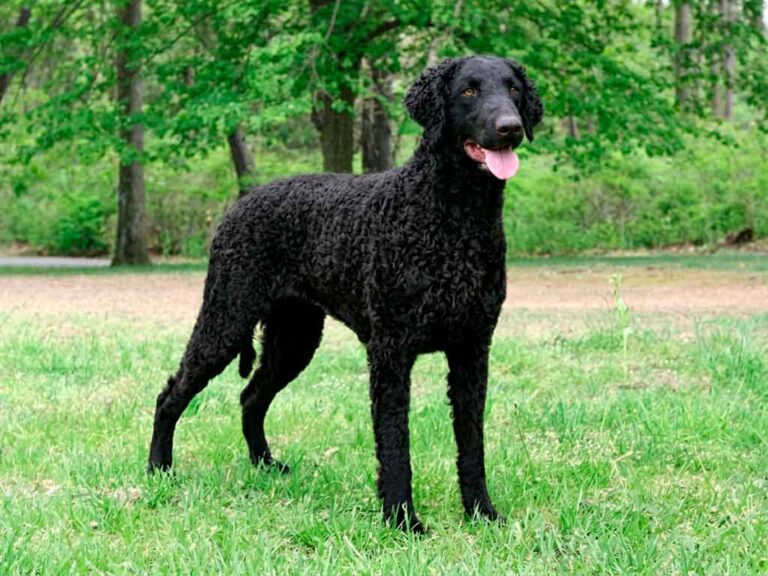
The Curly-Coated Retriever is a close relative worth comparing if you like the gundog type but want a slightly more independent temperament. You can read more in the Curly-Coated Retriever guide.
Living With a Flat-Coated Retriever
The table below summarizes the breed’s compatibility with different living situations.
| Situation | Compatibility |
|---|---|
| Active family with outdoor access | Well suited |
| Apartment or no yard | Difficult |
| Households with young children | Generally good |
| Multi-pet households | Generally good |
| First-time dog owner | Manageable with commitment |
| Low-activity households | Not recommended |
Flat-Coated Retrievers get along well with children and other animals. Their size and enthusiasm can be a problem with toddlers during the first couple of years, so supervision in those situations is worth planning for. They are not guard dogs: the bark is loud, but the temperament is sociable, and they will greet strangers with the same enthusiasm as family members.
Separation anxiety is a real risk in this breed. It bonds closely with people and does not do well with long periods alone. If the household is frequently empty for most of the day, consider whether a different breed is a better fit.
Daily Care
Exercise and Mental Stimulation
Most sources align on a minimum of two hours of daily activity. That does not mean two hours of walking in a straight line. This breed was bred for fieldwork, and it functions best with varied exercise that includes off-leash time, water access when possible, and activities that use the nose and the brain alongside the body.
Fetch and swimming are the most reliable outlets. A dog that has had a proper outlet is easier to train, calmer indoors, and less likely to redirect energy into destructive behavior.
Diet and Feeding
Large breeds need nutrient profiles designed for their size, particularly regarding calcium and phosphorus ratios during growth, and caloric density adjusted for activity level. Flat-Coated Retrievers are prone to gastric dilatation, which is commonly called bloat. Feeding smaller meals two or three times daily, rather than one large bowl, reduces that risk. Raising the food bowl has not been shown in research to prevent bloat and is no longer generally recommended.
Work with a veterinarian to establish portion sizes based on the individual dog’s weight, age, and activity level. Manufacturer guidelines on the bag are a starting point, not a prescription.
Shop for Your Breed

Just Food For Dogs – Fresh Frozen
Fresh meals. Gently cooked, then frozen to lock in nutrients. 100% Human Grade Ingredients. Gently Cooked in the USA. #1 Vet-Recommended Fresh Food.
Shop on JustFoodForDogs
Raw Paws Pet Food – Frozen Raw Pet Food
Feeding your pet a frozen raw pet food diet is a simple way to deliver real, whole-food nutrition in its most natural form.
Shop on RawPawsPetFood
Bravecto Chews for Dogs
Bravecto is a long-lasting flea and tick protection option for your dog. 1 dose of Bravecto chew provides up to 12 weeks of powerful protection, which is nearly 3 times longer than a monthly treatment.
Shop on BestVetCare.com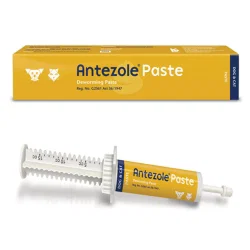
Deworming Treatments for Dogs
BestVetCare offers you a wide range of worm treatments which come in a variety of forms such as oral paste, tablets, granules, and liquid solutions.
Shop on BestVetCare.comHappyPetZone participates in various affiliate programs with brands and retailers. We may receive a commission on purchases made through our links, at no extra cost to you.
Grooming
The breed’s glossy coat is medium-length and flat-lying. It requires brushing several times a week to prevent matting, particularly along the feathering on the chest, legs, and tail. This is where debris and tangles accumulate. A slicker brush followed by a comb through the feathered areas covers the routine.
Bathing every four to six weeks keeps the coat clean without stripping the natural oils that give it its characteristic sheen. Ears should be checked weekly for moisture retention, which increases infection risk in dogs that swim regularly.
Training
Flat-Coated Retrievers are intelligent and eager to work, but their extended puppyhood shows up clearly in training. Focus in a training session degrades faster than it would with a Golden or Labrador. Sessions of 10 to 15 minutes tend to be more productive than longer drills.
Positive reinforcement is the effective approach here. The breed responds well to food rewards and toy play, and retrieve exercises double as both training and exercise. Starting basic obedience before 16 weeks, and continuing socialization through the first two years, helps establish the habits that make adult management straightforward.
Corrections or aversive methods tend to produce a shut-down dog rather than a compliant one. This is a sensitive breed in terms of training feedback.
Formal gundog training is an option worth considering even for pet owners. The structure gives the breed a job, and a Flat-Coated Retriever that understands a job is easier to manage than one that doesn’t.
For comparison with another high-energy gundog, the Gordon Setter guide covers a breed that shares the fieldwork history but brings a noticeably more independent temperament. For further reading across the gundog group, the dog breeds hub has the full category.
Health and Veterinary Care
The cancer risk described in the section above is the most significant health consideration for this breed. Beyond cancer, the breed’s main documented health issues are listed below.
| Condition | Notes |
|---|---|
| Histiocytic sarcoma | Major cause of mortality in the breed. See above. |
| Hip dysplasia | Pre-breeding screening (PennHIP or OFA) is recommended. |
| Patellar luxation | Screening recommended before breeding. |
| Eye conditions | Including distichiasis; annual ophthalmologist checks advised. |
Responsible breeders screen for hips, eyes, and patellas before breeding. Asking to see health certificates for both parents is a reasonable and appropriate request when evaluating a breeder.
For dogs with a confirmed diagnosis of a serious condition, emergency signs that require immediate veterinary attention include difficulty breathing, collapse, seizures, sudden swelling of the abdomen, severe lameness that does not resolve, and signs of acute pain. Contact a veterinarian or emergency animal hospital immediately in those situations. This article provides educational information and does not replace veterinary assessment of individual dogs.

Lemonade Pet Insurance
Explore customizable pet insurance coverage and learn whether Lemonade is the right fit for your dog or cat.
- Customizable coverage options
- Online policy management
Is This the Right Dog for You?
| Factor | Flat-Coated Retriever fits if | Consider another breed if |
|---|---|---|
| Activity level | 2+ hours of outdoor exercise daily is realistic | Walks are limited to 30 minutes or less |
| Living situation | House with garden or regular outdoor access | Small apartment, no outdoor space |
| Experience level | Comfortable with patient, consistent training | Looking for a breed that trains itself |
| Emotional readiness | Prepared for cancer monitoring and vet costs | High medical expenses are unmanageable |
| Time at home | Someone is home most of the day | Dog would be alone for 8+ hours regularly |
Related Breeds Worth Comparing
Three breeds that share the Flat-Coat’s gundog background and general size:
- Curly-Coated Retriever — similar retriever type, slightly more independent and stoic.
- English Cocker Spaniel — smaller, with a comparably high energy level and a strong fieldwork drive.
- Gordon Setter — similar size and exercise needs, but calmer indoors and more selective in its bonds.


Frequently Asked Questions
This article provides general educational information about the Flat-Coated Retriever breed. It does not diagnose health conditions, replace veterinary advice, or constitute a recommendation for any specific dog. For health concerns about an individual dog, consult a licensed veterinarian.