The Smooth Fox Terrier: The Complete Guide to This Elegant & Bold Terrier
The Smooth Fox Terrier is often mistaken for a softer, easier version of its Wire-coated cousin a misconception that frequently surprises unprepared owners.
Both share identical temperament, identical prey drive, identical stubbornness, and identical barking tendencies. The only difference is the coat: smooth and glossy instead of wiry and harsh.
Owners who choose Smooth Fox Terriers expecting a calmer, more manageable terrier discover that they’ve adopted the same fearless, independent, digging-obsessed dog just with lower grooming demands.
This elegant little dog, standing 39 cm and weighing barely 8 kg, genuinely believes it’s a formidable guardian and fearless hunter. It’s intelligent, affectionate with family, and surprisingly long-lived (13-14 years).
The reality check: this breed demands experienced ownership, genuine exercise commitment, constant management of prey drive, and the tolerance to live with relentless barking.
In this guide, we cover everything you need to know about the Smooth Fox Terrier: its shared history with its Wire-coated counterpart, its genuine temperament challenges, practical care requirements, and whether your lifestyle can realistically handle this bold little dog.
History and Origin
The Smooth Fox Terrier shares an identical origin story with the Wire Fox Terrier they were once considered one breed with two coat varieties.
Developed in Britain during the 19th century, Fox Terriers were specifically bred for hunting foxes by following them into burrows and forcing them back out for mounted hunters to pursue.
The breed was created by crossing several working terriers, including the black-and-tan terrier and the Bull Terrier, to achieve the ideal combination: small enough to fit underground, brave enough to confront a cornered predator, and independent enough to make decisions without human guidance.
Initially, both smooth and wire coat dogs were classified as one Fox Terrier breed, with breeders frequently crossing the two coat types. The distinction was primarily aesthetic coat texture mattered to show enthusiasts but seemed irrelevant to working hunters.
By the early 20th century, the breeds diverged. Smooth Fox Terriers became increasingly associated with show rings and urban companionship, while Wire Fox Terriers maintained stronger connections to actual field work.
Today, they’re recognized as separate breeds with distinct standards, though their temperament and original purpose remain virtually identical.
The Smooth Fox Terrier remains relatively uncommon compared to other small breeds it’s far less popular than its Wire-coated counterpart or most spaniels. This rarity reflects genuine ownership challenges rather than any meaningful physical or temperamental advantages.
Physical Characteristics
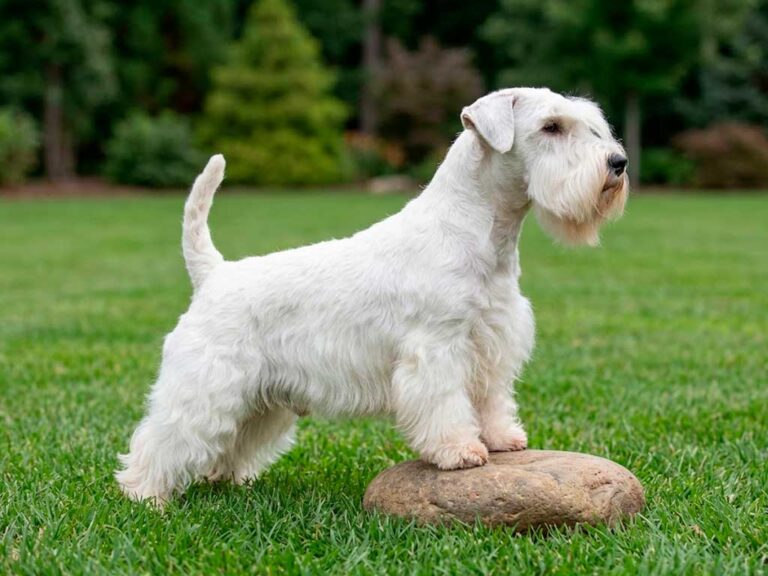
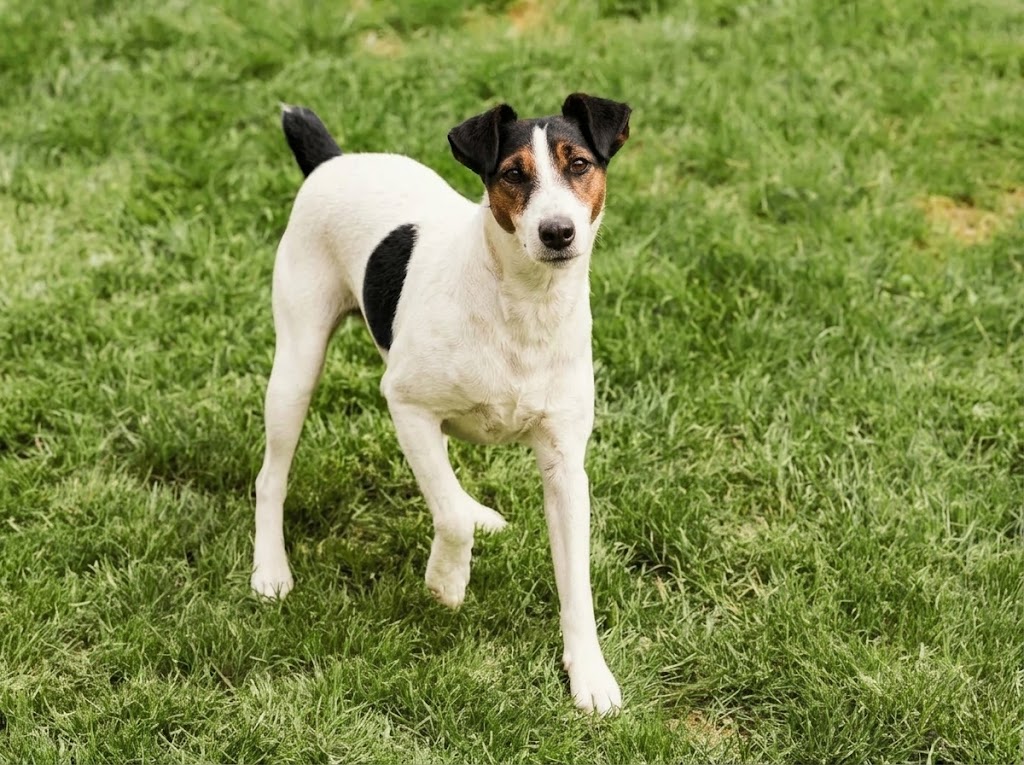
The Smooth Fox Terrier is a study in elegant athleticism small but unmistakably muscular and powerful.
Size and Build: Males stand approximately 39 cm (15.4 inches) at the shoulder and weigh around 7.5-8 kg (16.5-17.5 pounds). Females are slightly smaller at 7-7.5 kg. Despite diminutive size, the breed is genuinely muscular not delicate or toy-like. The back is short and level, the chest is deep, and the overall impression is of a compact working athlete.
Coat and Coloring: The defining characteristic is the short, smooth, glossy coat lying flat against the body. Unlike the Wire Fox Terrier’s wiry, weather-resistant double coat, the Smooth’s coat is purely functional for urban life easier to maintain and manage. Color standards specify predominantly white with tan, black, or black-and-tan markings.
The smooth coat actually sheds year-round and more noticeably than the wiry coat during shedding season. If you expect low-shedding, you’ll be disappointed.
Head and Expression: The head is long and narrow with a strong jaw. The small, V-shaped ears position on the side of the head. Dark eyes convey intelligent alertness and genuine boldness. The facial structure along with the smooth coat creates a sleeker, more elegant appearance than the Wire Fox Terrier’s distinctive facial hair.
Overall Presence: What strikes people most is the contrast between size and attitude. This tiny, elegant dog carries itself with unmistakable confidence. The Smooth Fox Terrier genuinely believes it’s a fearsome guardian and accomplished hunter, regardless of the evidence suggesting otherwise.
Temperament and Personality
The Smooth Fox Terrier’s temperament is virtually identical to its Wire-coated cousin and this is where owner expectations frequently collide with reality.
- Fearlessness and Boldness: The breed’s most defining trait is genuine fearlessness. Smooth Fox Terriers don’t hesitate or shrink from novel situations. They confront larger dogs, stand up to unfamiliar humans, and investigate new experiences with unwavering confidence. This courage is genetic it’s not overconfidence needing correction; it’s foundational to the breed’s nature.
- Independence and Stubbornness: Unlike breeds developed to work closely with handlers, terriers were developed to work independently. A Smooth Fox Terrier underground couldn’t consult its owner about strategy. This genetic independence persists the breed regularly ignores commands if it’s decided on a better course of action.
- This isn’t stupidity. Smooth Fox Terriers are genuinely intelligent. They analyze situations, make decisions, and execute them. Training requires convincing them that listening is worthwhile not just demanding obedience through force.
- Prey Drive and Digging Instinct: The breed has a powerful prey drive. Small animals trigger chase instincts reliably. Cats, rabbits, birds, and small dogs are all hunting targets from the Smooth Fox Terrier’s perspective. Additionally, the breed loves to dig it was literally bred for digging. Gardens, lawns, flower beds, and furniture are all potential excavation sites.
- Barking and Vocalization: Smooth Fox Terriers are loud. They bark at everything: strangers, sounds, movement, boredom, excitement. They’re alert watchdogs convinced every potential concern requires reporting. Apartment living with thin walls or neighbors within 50 feet creates genuine relationship strain.
- Family Affection: Despite boldness and independence, Smooth Fox Terriers bond deeply with their people. They’re affectionate, enjoy family activities, and can be playful and entertaining. The contradiction fearless independence alongside genuine family attachment defines the breed.
- With Children: Socialized Smooth Fox Terriers are good with their own family’s children, but supervision is essential. The breed’s bold nature means it won’t back down from rough play. Quick movements trigger chase instincts, and the small size means accidental injuries are possible.
Care Guide
Caring for a Smooth Fox Terrier requires understanding specific needs and non-negotiable requirements.
Diet and Nutrition
Small breed dogs like the Smooth Fox Terrier have fast metabolisms and require appropriate nutrition for their size and activity level.
What to Feed:
- High-quality commercial kibble formulated for small, active breeds
- Protein levels between 18-22% (adequate for activity level)
- Balanced fat content (10-12%) to support sustained energy
- Small kibble size appropriate for smaller mouths
Quality matters. The Smooth Fox Terrier’s high energy demands nutrient-dense food. Bargain kibbles often lack essential nutrient concentration active dogs require.
How Much: A typical adult Smooth Fox Terrier eats 0.75-1.25 cups of quality kibble daily, split into two meals. Activity level significantly impacts caloric needs. More active dogs may need the upper end; less active individuals may need less.
Monitor body condition regularly. You should be able to feel ribs with light pressure. Obesity accelerates joint problems even in small dogs.
Feeding Schedule: Feed twice daily. Small breed dogs with fast metabolisms do better with frequent, smaller meals than one large meal.
Exercise Requirements
This is where Smooth Fox Terrier ownership becomes genuinely demanding.
The breed requires at least one hour of daily exercise this isn’t negotiable or optional. However, quality matters as much as quantity. These dogs need mental stimulation, not just walking. Bored Smooth Fox Terriers become destructive, obsessive dogs that bark constantly and demolish your yard through digging.
Ideal Exercise Options:
- Brisk walking through varied terrain (30-45 minutes)
- Off-leash running in securely fenced spaces
- Fetch games (terriers love retrieving)
- Agility training or obstacle courses
- Scent work or tracking games
- Hunting-simulation activities (if available)
What NOT to Do:
- Don’t underestimate the exercise requirement expecting a small dog to be low-energy
- Don’t leave them unsupervised in unfenced yards
- Don’t allow unsupervised interaction with cats, rabbits, or small animals
- Don’t think a backyard alone provides adequate exercise
Smooth Fox Terriers confined without stimulation develop behavioral problems: destructive digging, constant barking, and obsessive behaviors. This is a working breed requiring genuine work.
Grooming Needs
The Smooth Fox Terrier’s grooming requirements are simpler than the Wire Fox Terrier’s a significant practical advantage.
- Brushing Schedule: Brush 2-3 times weekly using a slicker brush and rubber grooming mitt. The smooth coat sheds moderately year-round and heavily during seasonal changes. Weekly brushing reduces shedding around the home; daily brushing during shedding season keeps it manageable.
- Bathing: Bathe every 4-6 weeks using dog-specific shampoo. The smooth coat dries quickly compared to double-coated breeds towel dry or use a low-speed dryer.
- Nail Care: Trim nails every 4-6 weeks or as needed. Active dogs often wear them down somewhat naturally, but regular checks are essential.
- Ear Cleaning: Check ears weekly. Clean with a vet-approved solution if needed. The V-shaped ears are generally healthy but occasionally trap moisture.
- Dental Health: Brush teeth several times weekly. Terriers aren’t particularly prone to dental disease, but preventive care matters.
Training and Education
Training a Smooth Fox Terrier is challenging and requires specific approaches that respect the breed’s nature.
Core Training Principles:
- Start Early: Begin before 12 weeks. Puppies this age are more malleable, though terriers remain independent-minded regardless.
- Use High-Value Rewards: Treats work better than praise. Make training worth their while terriers need to see the value proposition in listening.
- Keep Sessions Short: 5-10 minute training sessions work better than long sessions. Terriers have selective attention and lose focus quickly.
- Consistency is Absolute: Everyone must enforce the same rules. Inconsistency teaches the dog that rules are negotiable.
- Channel the Drive: Instead of fighting prey drive and independence, channel them. Games simulating hunting retrieving, scent work satisfy these drives and provide legitimate outlets.
- Manage, Don’t Just Train: Secure fencing prevents escape attempts. Close supervision prevents prey-chase incidents. Management often works better than training alone.
Essential Commands to Prioritize:
- Sit (foundation behavior)
- Come (critically difficult with high prey drive; requires serious commitment)
- Leave It (prevents dangerous prey-chase incidents)
- Drop It (retrieves objects without argument)
Professional Help: Working with a positive-reinforcement trainer experienced with terriers accelerates progress. Many Smooth Fox Terrier owners benefit from professional guidance even if they’ve trained other dogs.
What NOT to Expect: Don’t expect the Smooth Fox Terrier to become a perfectly obedient, calm house dog. The breed’s nature is bold and independent. Training suppresses some behaviors but doesn’t fundamentally change temperament.
Health and Longevity
The Smooth Fox Terrier is generally healthy with impressive longevity: 13-14 years is typical, with many living into their mid-teens.
However, several health concerns warrant awareness.
Patellar Luxation: The kneecap can temporarily dislocate, particularly in small breeds. This ranges from mild, subclinical cases to surgically-requiring dislocation.
Symptoms include hopping or limping after exercise, sudden reluctance to bear weight on a back leg, and reduced activity levels. Responsible breeders screen parents before breeding.
Lens Luxation: The eye’s lens can dislocate from its normal position, causing vision loss and potentially pain. This requires veterinary diagnosis and management.
Hereditary Eye Diseases: Several eye conditions have been documented in the breed, including progressive retinal atrophy. Regular veterinary eye examinations help detect problems early.
Atopy (Allergic Dermatitis): The breed shows predisposition to environmental allergies causing skin inflammation and itching. Management includes identifying and avoiding triggers, topical treatments, and sometimes immunotherapy.
Preventive Care:
- Annual veterinary check-ups (twice yearly for senior dogs)
- Screening parents for genetic conditions before breeding
- Early intervention at first signs of joint problems
- Regular dental care
- Maintaining optimal weight
Is This the Right Dog for You?
The Smooth Fox Terrier is an extraordinary dog for the right owner but the right owner is genuinely rare.
The Smooth Fox Terrier Is Right For You If:
- You have experience with terrier breeds or strong-willed dogs
- You can commit to 1+ hour of daily exercise
- You accept constant barking as part of ownership
- You have a securely fenced yard (no exceptions)
- You’re interested in training and mental stimulation activities
- You want a long-lived, healthy small dog
- You understand prey drive and can manage small animal interactions
- You appreciate the breed’s independent nature without needing to change it fundamentally
- You live in a detached house or area where barking won’t create neighbor conflicts
The Smooth Fox Terrier Is NOT Right For You If:
- You’re a first-time dog owner
- You live in an apartment or duplex where barking is problematic
- You have cats, rabbits, or other small animals
- You expect a calm, easygoing house dog
- You can’t commit to 1+ hour of daily exercise
- You’re unwilling to manage prey drive and digging behaviors
- You need a dog suitable for families with very young children without close supervision
- You want a dog that reliably obeys every command
- You’re attracted to the breed’s appearance without understanding its temperament
Frequently Asked Questions
The Smooth Fox Terrier is a genuinely bold, intelligent, and affectionate small dog that will test your patience, challenge your authority, and reward your commitment with loyalty and entertainment.
This is not a beginner’s dog. It’s not a calm house companion. It’s a working terrier that happens to live in your home and if you can accept and appreciate that reality, it can be an extraordinary companion.
Choose one only if you understand and respect the breed’s nature. Try to fundamentally change a Smooth Fox Terrier’s temperament, and you’ll create an anxious, confused dog. Embrace the boldness, channel the independence, and provide legitimate outlets for the prey drive, and you’ll have a friend unlike any other.
Comparing Fox Terrier Coat Varieties?
The Smooth and Wire Fox Terriers share identical temperament, exercise demands, and behavioral challenges the only real difference is coat type and grooming maintenance. We’ve created comprehensive guides comparing both varieties and related terrier breeds:
- The Wire Fox Terrier (wiry coat, more grooming demands, classic terrier appearance)
- The Field Spaniel (calmer hunting breed with different exercise profile)
- The English Cocker Spaniel (higher-strung spaniel alternative)
- Other Terrier Breed Guides (coming soon)
If you’re drawn to the Smooth Fox Terrier’s elegant appearance, understand that temperament and ownership challenges are identical to the Wire-coated version. The coat distinction is purely cosmetic.
Check back for deeper comparative analysis to help you identify whether the Fox Terrier in either coat variety truly matches your lifestyle and experience level.