Toy Poodle: The Little Dog That Steals Hearts
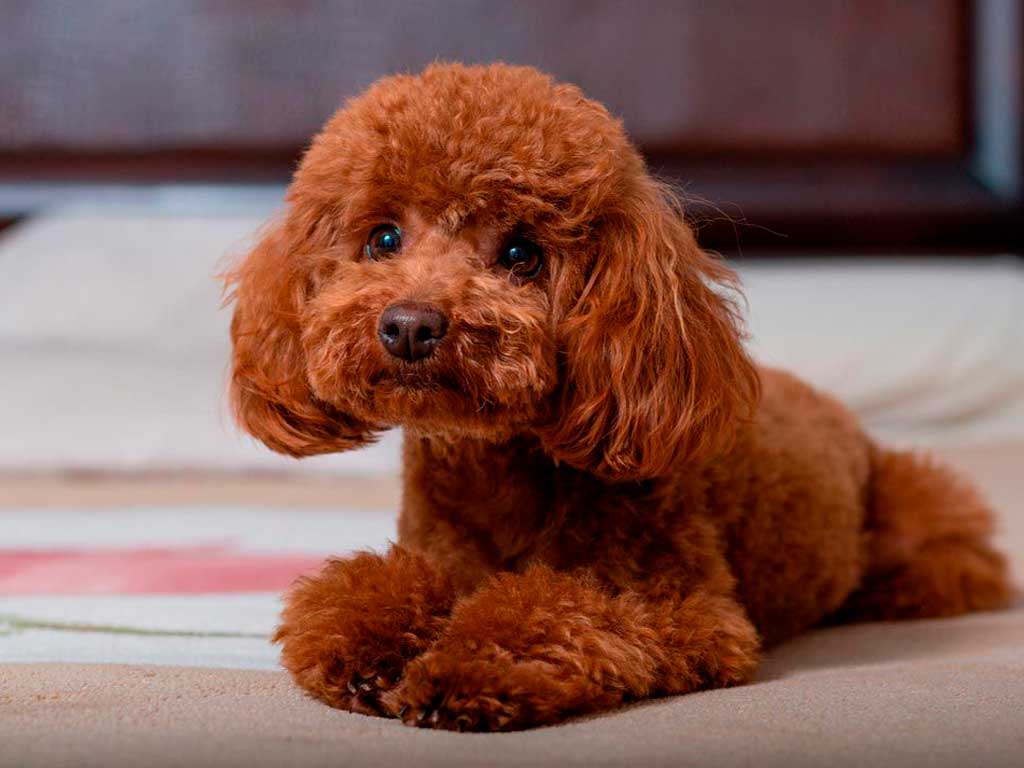
Thinking about bringing home a Toy Poodle? You’re looking at one of the smartest, most affectionate dogs in the small-breed world. Its tiny size doesn’t reflect the personality packed inside.
This guide covers everything: personality, history, health, cost, grooming, and the “teacup” confusion that trips up almost every new owner.
Toy Poodle vs. Teacup Poodle: What’s the Real Difference?
Here’s the thing — “teacup” isn’t an official Poodle size. The American Kennel Club and most national kennel clubs only recognize Toy, Miniature, and Standard.
Breeders use “teacup” to market Toy Poodles bred smaller than the breed standard, usually under 6 pounds. That extra-small size often comes from breeding runts together, which can raise the risk of health problems like hypoglycemia and fragile bones.
If you see a “teacup poodle” listing, ask directly: is this dog within the standard Toy Poodle weight range, or bred intentionally smaller? A responsible breeder answers that honestly instead of dodging it. If you’re comparing sizes across the whole Poodle family, our Miniature Poodle and Standard Poodle guides break down exactly how each size differs.
Personality: Intelligent, Sociable, and Loving
The Toy Poodle is active, obedient, and sharp enough to pick up new commands in just a few reps. That intelligence makes training genuinely fun instead of a chore.
It craves company and does best glued to its people. Loyalty runs deep here, and that affection extends easily to kids, seniors, and other pets in the house.
Trust me on this one: don’t leave a Toy Poodle alone for long stretches. Boredom and loneliness show up fast as barking, chewed furniture, or anxious pacing. Give it attention and a job to do, and none of that behavior shows up in the first place.
Origin: From Hunting Dog to Royal Companion
The Toy Poodle is the smallest of the four Poodle sizes recognized by the FCI. Its roots trace back to the Barbet, a water-retrieving dog crossed with the Portuguese Water Dog centuries ago.
That mix produced a genuinely useful hunting companion built for retrieving waterfowl. Over time, the breed’s charm outgrew its job description.
France adopted the Poodle as a companion breed in the 1400s and later named it the national dog. The Poodle Club formed in Paris in 1922, and the Toy variety earned official recognition as its own size in 1984.
Coat Colors: Red, Black, White, and More
Toy Poodles come in a wide color range, and color plays basically zero role in temperament.
Solid colors like black, white, apricot, cream, and silver are the most common and the most consistent with breed standards. Red is the rarest, and that rarity alone often pushes its price higher than other colors.
One real exception worth knowing: certain rare colors, particularly some blues and true blacks, can carry a slightly higher rate of skin sensitivity tied to the specific pigment genetics involved. Not a dealbreaker. Just something worth flagging to your vet at the first checkup.
Health: Prevention Is Key
Toy Poodles are sturdier than their delicate look suggests, but a handful of hereditary conditions show up often enough to watch for.
The big ones: eye problems like cataracts, glaucoma, and progressive retinal atrophy; ear infections from those floppy, hairy ears trapping moisture; hypothyroidism affecting metabolism and energy; epilepsy, which needs ongoing vet management; skin issues including allergies and fungal infections; and joint problems like patellar luxation.
None of this means your Toy Poodle is destined for health trouble. Regular vet visits every 6 to 12 months, staying current on vaccines, and keeping up with parasite prevention catch most of this early, when it’s easiest to manage.
Exercise: Big Energy in a Small Package
Don’t let the size fool you. Toy Poodles carry real energy and need 3 to 4 walks a day plus active play to burn it off.
This breed is also a strong candidate for agility or scent work if you want to channel that energy into something structured. Walks alone won’t cut it, though — pair physical exercise with puzzle toys and basic obedience drills to keep that sharp brain occupied too.
Nutrition: Feeding for Health and a Shiny Coat
A balanced diet keeps a Toy Poodle healthy and keeps that coat looking its best. Stick to high-quality kibble matched to its life stage — puppy, adult, or senior.
A few things matter most here: portion size based on weight and activity level, ingredient quality (skip anything loaded with fillers or unhealthy fats), and meal splitting — two smaller meals a day digest easier than one big one.
Always run any major diet change past your vet first, especially if allergies or digestive sensitivity are already in the picture.
Grooming: Elegance Requires Maintenance
The Toy Poodle’s coat is its signature feature — thick, dense, and either curly or corded depending on how it’s kept.
That low-shedding coat is also exactly why Poodles get called hypoallergenic dogs, though the real story is more nuanced than the marketing suggests. I break down what that reputation actually means, and what it doesn’t, in our full Poodle hypoallergenic guide.
Keeping that coat in shape takes real commitment: daily brushing to prevent mats and cut down on loose hair, monthly baths with dog-specific shampoo, eye, dental, and ear care to head off infections, and nail trims every 3 to 4 weeks.
Professional grooming every 6 to 8 weeks keeps everything looking sharp. If shedding in general is more your concern than coat maintenance, our dog shedding guide covers breeds across the spectrum.
How Much Does a Toy Poodle Actually Cost?
Purchase price for a Toy Poodle puppy from a reputable breeder typically runs $1,500 to $4,000, with rare colors like red pushing toward the higher end.
Give it time before you commit to a price. A suspiciously cheap Toy Poodle, especially one marketed as “teacup,” is a red flag for a puppy mill or a backyard breeding operation cutting corners on health testing.
Ongoing costs add up too: food, grooming (professional sessions run $50 to $90 every six to eight weeks), routine vet care, and pet insurance if you want to budget for the unexpected. Adoption through a Poodle-specific rescue typically runs $300 to $600 and often comes with a dog who’s already house-trained.
Is the Toy Poodle a Good Dog for Kids?
Absolutely. Between the gentle temperament, balanced energy, and sharp intelligence, Toy Poodles fit well into homes with children.
Teach kids early how to handle a small dog gently — respecting space, no rough play, no picking the dog up incorrectly. Early socialization on both sides makes the relationship click without fear or defensiveness.
Toy Poodle Mixes: What to Know
Toy Poodles show up in a lot of popular crossbreeds, usually paired with another small breed to combine temperament traits.
Common pairings include the Yorkiepoo (Yorkshire Terrier mix), the Pomapoo (Pomeranian mix), and the Chipoo (Chihuahua mix). Coat type, shedding, and size in these mixes vary a lot litter to litter, since genetics don’t split evenly down the middle.
If a breeder promises a guaranteed hypoallergenic mix puppy, take that with a grain of salt. No mix is a sure thing until you see the actual adult dog.
Size: Small but Full of Heart
The Toy Poodle is the smallest of all Poodle sizes. Standard puts it at no more than 11 inches at the shoulder, typically weighing 4.4 to 5.5 pounds.
That compact frame makes it a genuinely good fit for apartment living, as long as it still gets daily exercise and mental engagement. Small size never means small personality with this breed.
Frequently Asked Questions
Is a teacup poodle the same as a toy poodle?
No. “Teacup” isn’t a recognized size — it’s a marketing term for Toy Poodles bred intentionally smaller than the standard, often with added health risks.
How much does a Toy Poodle cost?
Expect $1,500 to $4,000 from a reputable breeder, with rare colors like red at the higher end. Rescue adoption usually runs $300 to $600.
Are Toy Poodles good with kids?
Yes, generally. Their gentle temperament and intelligence make them solid family dogs, though supervision and early socialization still matter with any small dog and young kids.
Do Toy Poodles shed a lot?
Not much compared to most breeds. That low-shedding coat is the whole reason Poodles carry a hypoallergenic reputation, though it still needs regular brushing to stay that way.
How much exercise does a Toy Poodle need?
Plan on 3 to 4 walks a day plus mental stimulation like puzzle toys or basic training drills. This breed carries more energy than its size suggests.
The Toy Poodle is a lot more than a pretty face. It’s intelligent, affectionate, adaptable, and genuinely fun to live with — my own Biscuit could take a page from how quickly this breed picks up new commands. The care commitment is real, especially around grooming and mental stimulation, but the payoff matches the effort.
If you’re considering adding a new member to your family, the Toy Poodle might just be the perfect fit: a small dog with a big heart.
For another tiny companion with a real terrier spirit underneath, the English Toy Terrier was a fashionable “purse dog” for Regency-era English dandies long before the term existed.