Greenland Dog: The Arctic Sled Dog Behind Amundsen’s Polar Win
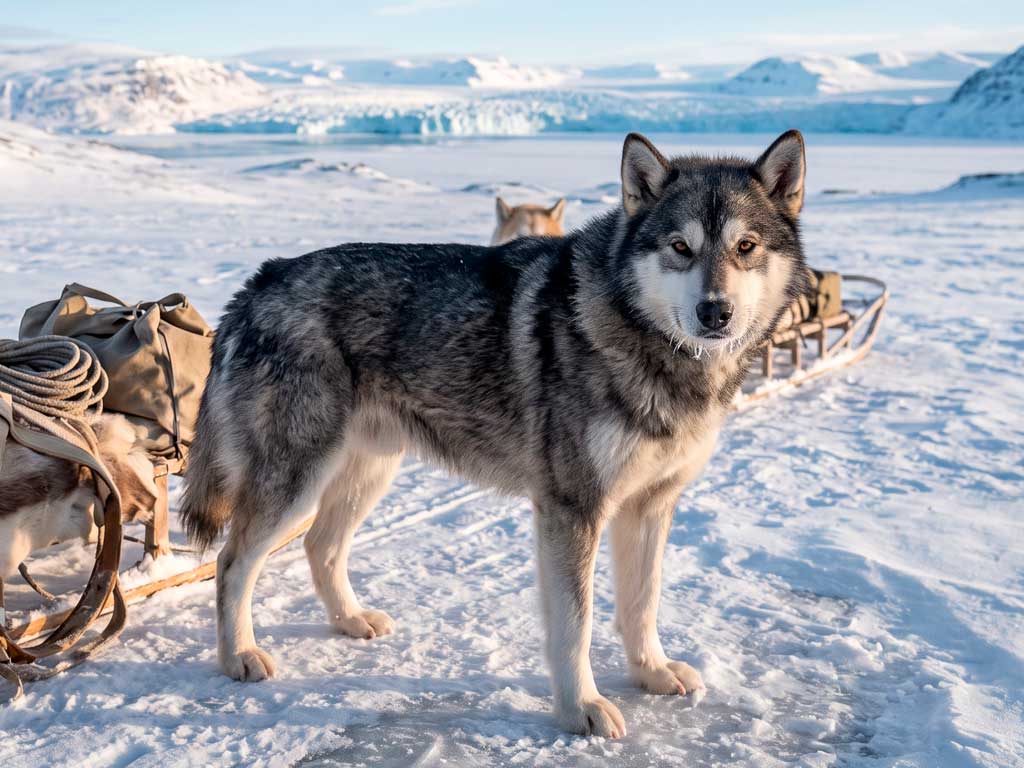
The Greenland Dog hauled explorers across the polar ice long before snowmobiles existed, and this guide covers everything a prospective owner needs to know. Built for brutal cold and relentless work, it remains one of the toughest, most demanding breeds you can bring home.
Roald Amundsen relied on a team of these dogs during his 1912 expedition to the South Pole, and that partnership still defines the breed’s reputation today. Few dogs match its combination of raw endurance and sheer stubbornness.
Keep reading to find out whether this rugged working breed could ever fit into your life.
History and Origin
This breed descends from dogs that arrived in the Arctic roughly 4,500 years ago with the Paleo-Inuit people, then again around 1,000 years ago with the Thule people. Those dogs pulled the sleds that carried the Thule across the ice from Siberia, which is why the breed is also called the Greenland Sled Dog.
Genetic studies from 2020 confirmed that centuries of isolation on the island kept this breed distinct from other dogs, and that it’s genetically identical to the Canadian Eskimo Dog. Unlike most modern breeds, it traces its ancestry to the long-extinct Taimyr wolf rather than the gray wolf, suggesting domestication roughly 1,000 years earlier than most other dogs.
The breed reached the United Kingdom in 1875 and gained official recognition from The Kennel Club in 1880. Amundsen’s use of these dogs during his race to the South Pole, where he beat rival explorer Robert Falcon Scott in 1912, brought the breed international attention.
Physical Characteristics
A powerful, muscular body and a stiff, dense Spitz-type coat define this breed’s build, which sits somewhere between a Siberian Husky and an Alaskan Malamute in size. Furry, triangular ears and dark eyes give it an alert, intelligent expression.
- Height: 20 to 27 inches at the shoulder
- Weight: 60 to 105 pounds
- Coat colors: all colors and markings, except merle patterning
- Life expectancy: 10 to 12 years
Dense fur around the ears and paws adds extra insulation, equipping this breed to handle extreme cold that would stop most other dogs. That coat is exactly what made it such a reliable transport animal across the ice.
Temperament and Personality
Independent and strong-willed, this breed carries the physical and mental stamina of a dog built to survive in the wild, and it knows it. It’s friendly toward people in general, but it rarely bonds deeply with one particular person, greeting strangers with the same enthusiasm as family.
Other dogs are a different matter, since this breed tends to be less tolerant of unfamiliar canines and needs careful socialization to avoid conflict. Owners who enjoy the training process and have the patience to build trust gradually will get the most out of this relationship.
Care Guide
Diet and Nutrition
Large, active breeds need a different nutrient balance than smaller dogs, including higher levels of certain vitamins and minerals. Choose a formula specifically built for large or giant breeds to support joints and sustained energy.
Split meals into two servings a day and keep fresh water available at all times. Given this breed’s size and appetite, monitor body condition closely to avoid overfeeding.
Exercise Requirements
Budget at least two hours of vigorous activity daily, and understand that this breed is nearly impossible to tire out. Mushing, bikejoring, and similar pulling sports suit its natural drive far better than a casual stroll around the block.
Pair physical exercise with mental challenges like training games and puzzle toys to keep a sharp mind occupied. A bored dog of this breed can become loud and destructive fast, digging through a yard or a couch in minutes.
Grooming Needs
Daily brushing with a pin brush and a comb keeps the coat manageable, and shedding season calls for even more frequent sessions with an undercoat rake. This breed loses an enormous amount of hair, so a dedicated dog dryer or regular professional grooming visits make the process easier.
Check paws and feet after every walk, since debris and parasites can cling to that thick fur and cause injuries. Introduce grooming routines early so your dog grows comfortable with handling.
Training and Education
This breed’s mix of intelligence, independence, and low interest in pleasing any one person calls for a skilled trainer who understands positive reinforcement thoroughly. Heavy-handed methods turn training into a contest of will that the dog will usually win.
Consistent, patient handling prevents bad habits from taking hold and reinforces the behaviors you want to see. This breed particularly excels at mushing and sled work, and it also takes well to canicross and search activities in cold climates.
Health and Longevity
The Greenland Dog is generally a healthy breed with no widely recognized breed-specific conditions. Breed clubs still recommend routine health screening to catch any issues early, even without formal Kennel Club testing requirements.
Ask a breeder about any screening they perform before choosing a puppy. This article offers general information only and does not replace advice from a licensed veterinarian, who can evaluate your dog’s individual health needs.
Is This the Right Dog for You?
This breed suits experienced owners with a large, securely fenced rural property and a genuine passion for demanding, active training. A yard needs fencing close to six feet high with a solid foundation, since this breed climbs, jumps, and digs with impressive skill.
City living rarely works well, since apartment life understimulates this dog and leads to frustration on both ends of the leash. Families with older children in a rural setting, rather than first-time owners or households with toddlers, tend to get along best with this breed.
Frequently Asked Questions
Is the Greenland Dog good for first-time owners?
No. Its independence, stubbornness, and intense exercise needs make it a poor fit for anyone without experience handling large, strong-willed working breeds.
How much exercise does a Greenland Dog need?
Plan on at least two hours of vigorous activity every day. This breed thrives with pulling sports like mushing or bikejoring rather than a short daily walk.
Do Greenland Dogs shed a lot?
Yes, heavily. This breed carries a dense double coat and sheds an especially large amount during seasonal coat blowouts.
Are Greenland Dogs good watchdogs?
Not really. This breed tends to greet strangers with the same friendliness it shows its own family, so it doesn’t function as a reliable guard dog.
How long do Greenland Dogs live?
Most live between 10 and 12 years with proper nutrition, exercise, and veterinary care.
If this level of stamina and independence appeals to you, the Alaskan Malamute and the Belgian Tervuren share a similar drive and make natural next reads. Not sure which breed fits your lifestyle? Browse the full Dog Breeds hub or take the Dog Breed Quiz to find your match.