Pyrenean Mountain Dog: The Gentle Giant a Minnesota Town Elected Mayor
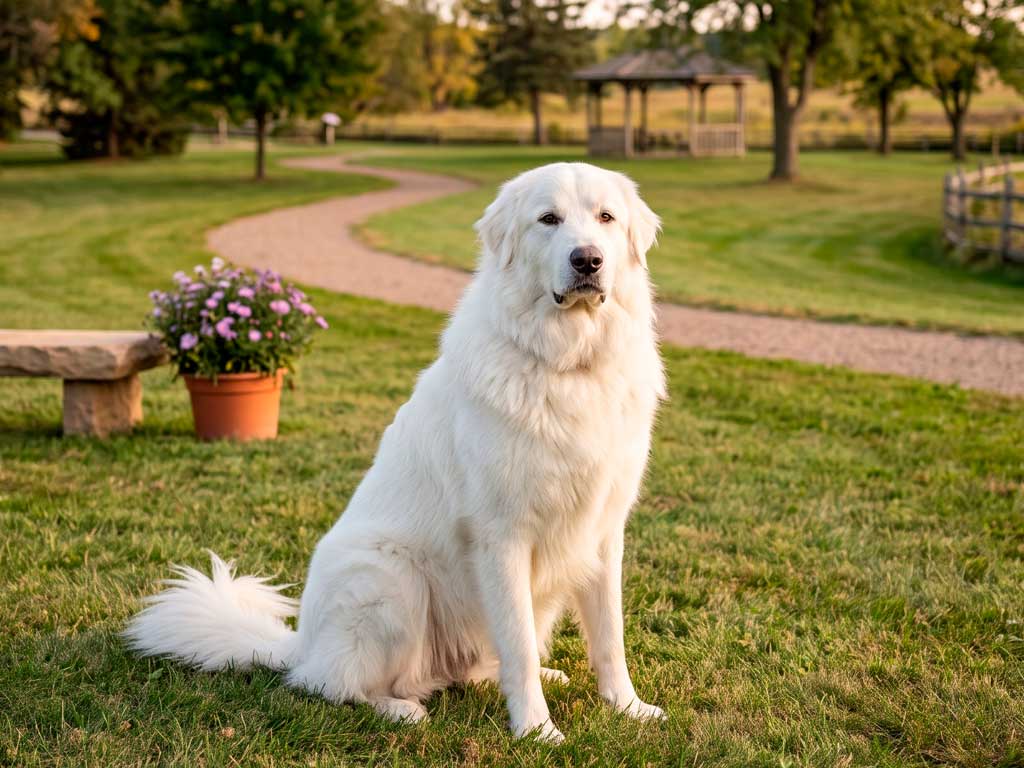
The Pyrenean Mountain Dog has guarded flocks in the mountains between France and Spain for thousands of years, and this guide covers what it takes to live with one today. Calm, powerful, and fiercely protective, it demands an experienced owner who understands giant breeds.
A dog of this breed named Duke once served four consecutive terms as the honorary mayor of a small Minnesota town, a quirky nod to how beloved this gentle giant can become. Below, you’ll find the details on temperament, care, and health that every prospective owner should know.
Keep reading to see whether this majestic livestock guardian fits your household and lifestyle.
History and Origin
This breed originated in the Pyrenees, the mountain range dividing France and Spain, where it has protected flocks for millennia. Fossils predating the Bronze Age, roughly 1800 to 1000 BCE, confirm just how far back its history stretches.
Before the French Revolution, these dogs guarded grand chateaux across southern France. Experts believe the Hungarian Kuvasz, the Italian Maremma Sheepdog, and the Turkish Anatolian Shepherd may all have contributed to its development, though no one knows for certain.
Queen Victoria kept one of these dogs in the mid-nineteenth century, and Swiss breeders later used its blood to help rebuild the Saint Bernard breed after avalanches and distemper devastated their numbers in 1870. Farmers in France still rely on this breed today to guard livestock from predators and thieves.
Physical Characteristics
Powerful yet elegant, this breed moves with slow, deliberate strength driven by muscular hindquarters. Its coat is solid white or white with badger, gray, tan, or reddish brown patches on the head, ears, and base of the tail.
Temperament and Personality
Deeply affectionate with its family, this breed still carries the guardian instincts bred into it for centuries. It tends to distrust strangers, which makes it a natural deterrent against unwelcome visitors.
Other dogs of a similar size can trigger friction, so careful introductions matter. Stubbornness runs deep in this breed too, which is why first-time owners often struggle and experienced handlers tend to succeed.
Care Guide
Diet and Nutrition
Giant breeds need a distinct mineral and vitamin balance to support healthy joints and cartilage as they grow and age. This breed is also prone to bloat and other stomach issues, so smaller, more frequent meals help lower that risk.
Avoid vigorous exercise right before or after meals, since that timing raises bloat risk further. A large-breed formula from a trusted brand covers most of this dog’s nutritional needs.
Exercise Requirements
Puppies need very gradual exercise to protect growing bones and soft tissue from overexertion, and adults still benefit from a slow, steady increase in activity. Despite its size, this breed doesn’t need excessive exercise once mature.
Regular controlled walks and occasional free-roaming time in a secure space suit this breed well. Overexertion, particularly in puppies, can cause lasting joint damage, so patience matters here.
Grooming Needs
Plan on thorough brushing once or even twice a day to manage loose hair, especially during heavy shedding periods. Skipping regular brushing leads to matting and a dull, unhealthy-looking coat.
This breed drools heavily and sheds year-round, so owners should expect daily upkeep rather than occasional grooming sessions. A slicker brush and a dedicated undercoat rake make the routine more manageable.
Training and Education
This breed needs extra training beyond the basics, ideally from an owner who has handled large, independent-minded dogs before. Patience matters more than force, since stubbornness runs deep and harsh corrections rarely produce lasting results.
Early socialization around other pets and children helps this naturally protective breed learn appropriate boundaries. Supervision around young kids remains important even in a well-trained adult.
Health and Longevity
This breed is generally hardy, though like many large dogs it can develop hip dysplasia, a condition affecting joint mobility. Hip screening before breeding helps reduce the risk of passing the condition to puppies.
Ask breeders for documentation of hip screening results before committing to a puppy. This article offers general information only and does not replace guidance from a licensed veterinarian, who can evaluate your dog’s specific health needs.
Is This the Right Dog for You?
This breed fits experienced owners with space for a large, watchful companion and the patience to manage its stubborn streak. A securely fenced property matters, since this breed takes its guardian duties seriously and patrols instinctively.
Families with older, well-supervised children tend to do well with this breed, while first-time owners often find its size and independence overwhelming. Anyone sensitive to heavy drooling, shedding, or barking should think carefully before bringing one home.
Frequently Asked Questions
Is the Pyrenean Mountain Dog good for first-time owners?
No. Its size, stubbornness, and strong guardian instincts call for an experienced handler comfortable managing a large, independent breed.
How much exercise does a Pyrenean Mountain Dog need?
Less than you might expect for its size. Regular controlled walks and occasional free-roaming time in a secure space are usually enough for an adult.
Does the Pyrenean Mountain Dog bark a lot?
Yes. This breed was bred to guard livestock through the night, and it barks readily to alert its family to anything unusual.
Is the Pyrenean Mountain Dog hypoallergenic?
No. This breed sheds heavily year-round and drools, which makes it a poor choice for allergy sufferers.
How long do Pyrenean Mountain Dogs live?
Most live between 10 and 12 years with proper nutrition, joint care, and regular veterinary checkups.
If you’re drawn to devoted livestock guardians, the Maremma Sheepdog shares a similar protective instinct and coat and makes a natural next read. Not sure which breed fits your lifestyle? Browse the full Dog Breeds hub or take the Dog Breed Quiz to find your match.