Miniature Poodle Dog Breed: Temperament, Care, and Everything You Need to Know
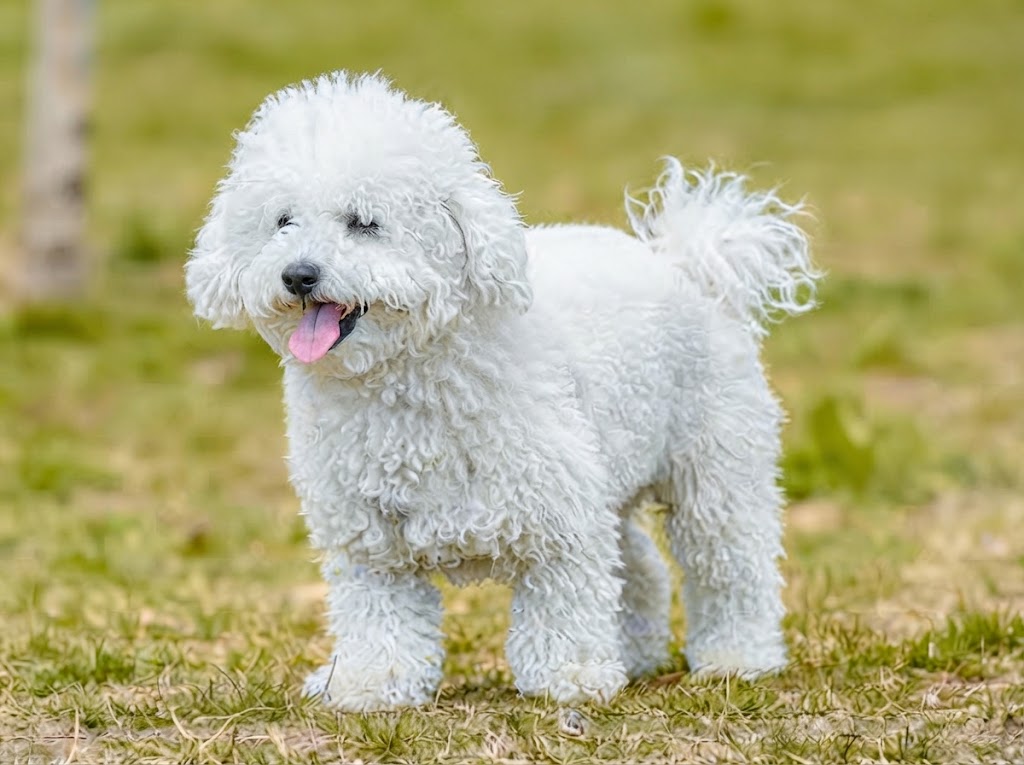
The Miniature Poodle is one of the smartest, most adaptable, and most underestimated dog breeds in the world.
Most people see the elaborate show clips and think “high-maintenance lap dog.” What they’re actually looking at is a highly intelligent working dog in a compact, low-shedding package one that can ace obedience trials, thrive in an apartment, get along with virtually everyone, and still look polished doing it.
In this article, you’ll get the full picture of the Miniature Poodle: its surprising history, real temperament, health profile, grooming demands, and whether it belongs in your home. No fluff just what you actually need to know.
History and Origin
Here’s a fact that surprises most people: Poodles are not a French breed.
Despite being France’s national dog, the Poodle originated in Germany, where it was developed as a water retriever. The name comes from the German Pudelhund “puddle dog” a direct reference to its original job of splashing into lakes and rivers to retrieve downed waterfowl for hunters.
The iconic Poodle clip? That started as pure function, not fashion. Hunters needed the dog’s joints and vital organs protected from cold water, but a fully coated dog would become waterlogged and struggle to swim.
The solution was to shave most of the body while leaving strategic tufts of fur around the chest, hips, and leg joints. The elaborate show clips seen today evolved from that very practical working design.
The Miniature Poodle was developed deliberately from the Standard Poodle by breeders who wanted all the intelligence and temperament of the larger dog in a more manageable size easier to keep, cheaper to feed, and more suitable for smaller living spaces. Written records confirm this size variant has existed for at least 500 years.
By the 18th and 19th centuries, Miniature Poodles had become stars of European circus performance, where their trainability, small size, and crowd-pleasing appearance made them natural entertainers. Today, the breed is classified in The Kennel Club’s Utility Group a nod to its versatility across many roles.
Physical Characteristics
The Miniature Poodle is, in a word, elegant.
This is a well-proportioned, squarely built dog with a long, fine muzzle, dark almond-shaped eyes, and a long neck that carries the head proudly. Their overall silhouette conveys intelligence and alertness and their expression usually confirms it.
Key physical stats:
- Height: 28–38 cm at the shoulder
- Weight: 12–14 kg
- Coat: Dense, curly, and continuously growing never sheds seasonally like most breeds
- Colors: Black, white, blue, grey, silver, brown, apricot, red, cream, and silver beige
- Drooling: Minimal
- Shedding: Extremely low one of the lowest-shedding breeds available
That continuously growing coat is one of the Miniature Poodle’s most distinctive features. Unlike most dogs that shed dead fur naturally, the Poodle’s coat keeps growing indefinitely, which is why regular professional grooming is non-negotiable.
On the upside, this same trait makes them one of the most popular choices for allergy sufferers though no dog is truly 100% hypoallergenic, Poodles come closer than almost any other breed.
Temperament and Personality
The Miniature Poodle is consistently ranked among the two or three most intelligent dog breeds in the world and it shows in everything they do.
These are dogs that observe, learn, and remember. They pick up new commands in just a few repetitions. They notice your routines, anticipate your movements, and adapt to your household’s rhythms with remarkable speed.
Living with a Miniature Poodle often feels less like owning a dog and more like sharing your space with a very perceptive, enthusiastic roommate.
Key personality traits:
- Deeply affectionate — they bond intensely with their family and love being included in daily activities
- Sociable and cheerful — naturally friendly with people, other dogs, and other pets
- Highly trainable — possibly the easiest breed to train; they live to please and thrive on learning
- Alert watchdogs — they’ll announce visitors promptly, though they’re never aggressive
- Poor tolerance for solitude — this is important. Miniature Poodles do not cope well when left alone for long periods and can develop separation anxiety
That last point deserves attention. A dog this intelligent and this bonded to its family genuinely suffers when isolated. If your lifestyle involves long daily absences, either plan for doggy daycare, a dog walker, or consider whether this is the right breed timing for you.
Care
Diet and Nutrition
Like all small breeds, the Miniature Poodle has a fast metabolism and a small stomach which means the feeding strategy matters.
Two meals per day works well for adult Miniature Poodles. Choose a high-quality small breed formula designed with appropriate nutrient ratios and smaller kibble sizes that suit a smaller mouth, encourage proper chewing, and support easier digestion.
Practical feeding guidelines:
- Puppies: 3–4 small meals daily; transition to 2 meals around 6 months
- Adults: 2 measured meals per day; avoid free-feeding
- Portion control is critical — Miniature Poodles can gain weight if overfed, which places strain on their joints and heart
- Treats: Use them generously during training, but account for them in the daily calorie total
- Fresh water: Always available, especially after exercise sessions
One breed-specific note: Miniature Poodles can be prone to Cushing’s syndrome, a hormonal condition linked to chronic stress cortisol overproduction. Keeping their weight stable and their lifestyle low-stress supports long-term hormonal health alongside a good diet.
Exercise Requirements
Don’t let the elegant appearance fool you. The Miniature Poodle has a veterinary score of 4 out of 5 for energy level this is an active breed that needs genuine daily exercise.
Around 30 to 45 minutes of purposeful exercise per day is a solid baseline, ideally split into two sessions. But here’s the key insight with this breed: mental stimulation is just as important as physical exercise. A Miniature Poodle that only walks but never thinks will still be restless.
Great exercise and enrichment options:
- Obedience training sessions — mentally exhausting in the best way; they love the challenge
- Agility courses — Poodles are among the top agility competitors across all dog sports
- Fetch and retrieve games — tapping directly into the breed’s working heritage
- Scent games and puzzle feeders — excellent for rainy days when outdoor exercise is limited
- Swimming — they’re natural water dogs; if you have access to safe water, most Miniature Poodles love it
They adapt well to apartment living provided their exercise needs are fully met. A tired Poodle is a calm and contented Poodle.
Grooming Needs
This is where we need to be completely honest: the Miniature Poodle has the highest grooming demands of any breed covered in this series.
The coat never stops growing and will mat quickly if neglected. This isn’t optional maintenance it’s a welfare issue. Matted coats cause skin irritation, hide parasites, and restrict movement.
The realistic grooming commitment:
- Daily brushing at home — non-negotiable to prevent mats forming between professional appointments
- Professional grooming every 6 weeks — for bathing, clipping, and styling; this is a recurring cost to budget for
- Ear checks weekly — Poodle ears trap moisture and hair inside the canal, making them prone to infections; the hair inside the ear canal needs regular gentle removal
- Nail trimming: Every 3–4 weeks
- Teeth brushing: 2–3 times per week; small breeds are especially vulnerable to dental disease
- Eye area: Wipe regularly to prevent tear stain buildup
The clip style is your choice from the simple, low-maintenance “puppy clip” (uniform length all over) to the elaborate show clips. Most pet owners opt for a practical short clip that’s easier to maintain between grooming appointments. Whatever style you choose, consistency is the key.
Training and Education
Training a Miniature Poodle is one of the most rewarding experiences in dog ownership.
This breed scores a perfect 5 out of 5 for trainability and it earns that score. They learn new commands faster than almost any other breed, they retain what they’ve learned reliably, and they genuinely enjoy the training process. Positive reinforcement works brilliantly; food rewards and enthusiastic praise are all you need.
A few training principles that matter most with this breed:
Start socialization early. Although Miniature Poodles are naturally sociable, the 8–16 week window is still the optimal period for exposing puppies to a wide range of people, sounds, environments, and other animals. Early socialization produces the confident, adaptable adult this breed is capable of becoming.
Address separation anxiety proactively. Because Miniature Poodles bond so deeply and score 1 out of 5 for tolerating solitude, teaching alone-time gradually from puppyhood is essential. Start with very short absences and build up slowly. Crate training done positively can help provide a safe, settled space.
Keep training varied and interesting. This is a breed that gets bored with mindless repetition. Mix up commands, introduce new tricks, progress to agility or scent work. The more you challenge them, the better they perform and the deeper the bond you’ll build.
Avoid punishment-based methods. They’re unnecessary with such a willing breed and can damage the trust-based relationship that makes Poodles so exceptional to work with.
Health and Longevity
The Miniature Poodle is a long-lived breed, with a typical lifespan of 13 to 15 years. For a committed owner, that means well over a decade of companionship.
However, the breed carries a notable list of hereditary health conditions that every prospective owner should understand clearly:
Orthopaedic conditions:
- Patellar luxation — temporary or permanent kneecap dislocation; common in small breeds and ranges from mild to requiring surgery
- Legg-Perthes disease — deterioration of the femoral head at the hip joint, causing pain and lameness; typically managed surgically
Eye conditions:
- Progressive Retinal Atrophy (PRA) — a hereditary degenerative condition affecting the retina that can lead to blindness; DNA testing of breeding dogs is available and essential
- Entropion — an inward rolling of the eyelid that causes chronic corneal irritation; correctable with surgery
Hormonal and metabolic conditions:
- Cushing’s syndrome (hyperadrenocorticism) — excessive cortisol production causing symptoms including increased thirst, appetite, urination, and fatigue; manageable with medication
- Hypothyroidism — an underactive thyroid; watch for weight gain, lethargy, and coat changes
Spinal conditions:
- Intervertebral disc disease (IVDD) — abnormalities in the spinal discs acting as shock absorbers; can range from mild to causing severe mobility issues
Cardiac conditions:
- Myxomatous Mitral Valve Disease — progressive deterioration of the heart’s mitral valve; more common in older individuals and requires regular cardiac monitoring
Structural conditions:
- Osteochondrodysplasia — a form of dwarfism from abnormal bone and cartilage development
When sourcing a Miniature Poodle puppy, always request:
- DNA test results for Progressive Retinal Atrophy for both parents
- Current eye examination certificates for both parents
Reputable breeders conduct these tests as standard. Any breeder who can’t produce this documentation should be avoided.
Is This the Right Dog for You?
The Miniature Poodle is an outstanding breed but it’s worth being clear about what ownership actually involves.
This dog is an excellent fit if:
- You want one of the most intelligent, trainable dogs available
- You live in an apartment or smaller home and need a breed that adapts well
- You or a family member has allergies and need a low-shedding breed
- You’re a first-time owner Miniature Poodles are actually well-suited to beginners due to their trainability
- You have children or other pets they socialize exceptionally well
- You want a long-lived companion; 13–15 years is a serious commitment and a genuine gift
Think carefully before committing if:
- You’re away from home for long hours regularly this breed suffers significantly when isolated
- You’re unwilling to invest in professional grooming every 6 weeks the coat requires it
- You want a low-energy, low-demand dog Miniature Poodles need daily exercise and mental engagement
- You’re unprepared for the health monitoring this breed requires, particularly eye and cardiac checks as they age
For the right owner, a Miniature Poodle is hard to beat. They’re funny, affectionate, brilliantly smart, and they slot into almost any lifestyle with grace. The grooming cost is real, the alone-time sensitivity is real but so is the extraordinary bond this breed forms with its family.
Frequently Asked Questions
1. Are Miniature Poodles truly hypoallergenic? No dog is technically 100% hypoallergenic, since allergic reactions are triggered by proteins in saliva and skin dander, not just fur. However, Miniature Poodles shed so minimally that most allergy sufferers tolerate them well. If you have dog allergies, spend time with the specific dog before committing individual reactions vary.
2. How smart is the Miniature Poodle compared to other breeds? Consistently ranked among the top two or three most intelligent dog breeds worldwide, the Miniature Poodle learns new commands in very few repetitions and retains them reliably. Their intelligence is paired with an eagerness to please, which makes training not just possible but genuinely enjoyable.
3. Can Miniature Poodles be left alone during the day? This is one of the breed’s most significant limitations. Miniature Poodles score 1 out of 5 for tolerating solitude and are prone to separation anxiety. They can be taught to manage moderate periods alone with gradual training from puppyhood, but they are not a breed suited to owners who are away from home for 8–10 hours daily without supplemental care arrangements.
4. How often does a Miniature Poodle need professional grooming? Every 6 weeks is the standard recommendation. Between professional appointments, daily brushing at home is necessary to prevent matting. The coat never stops growing, so there is no “off-season” for grooming maintenance.
5. What is the biggest health concern for Miniature Poodle owners to watch for? Progressive Retinal Atrophy (PRA) is the most critical hereditary condition to screen for when buying a puppy, as it can cause progressive blindness and has no cure. Always verify that both parents have current DNA-clear test results. In older dogs, Cushing’s syndrome and mitral valve disease become more common, making regular veterinary checkups increasingly important from middle age onward.
Interested in comparing Poodle sizes? Explore our in-depth articles on the Standard Poodle and the Bichon Frisé a close relative with a similarly low-shedding coat and family-friendly temperament.