Pseudomugil Gertrudae Care Guide: Tank Setup, Diet, and Breeding
Pseudomugil gertrudae, better known as the spotted blue-eye rainbowfish, is one of the most rewarding nano fish you can keep. This guide breaks down exactly what it needs: tank size, water parameters, diet, tank mates, and a step-by-step breeding process.
We built this guide from years of hands-on fishkeeping experience with planted nano tanks, so every recommendation below comes from real setups, not guesswork. You’ll also find the specific variants sold in the trade and a health checklist most care guides skip entirely.
What Is Pseudomugil Gertrudae? Origin and Physical Characteristics
Pseudomugil gertrudae belongs to the rainbowfish family, native to slow-moving swamps, creeks, and lagoons across northern Australia and southern New Guinea. These waters are typically warm, still, and thick with vegetation. That habitat tells you everything about how to set up its tank at home.
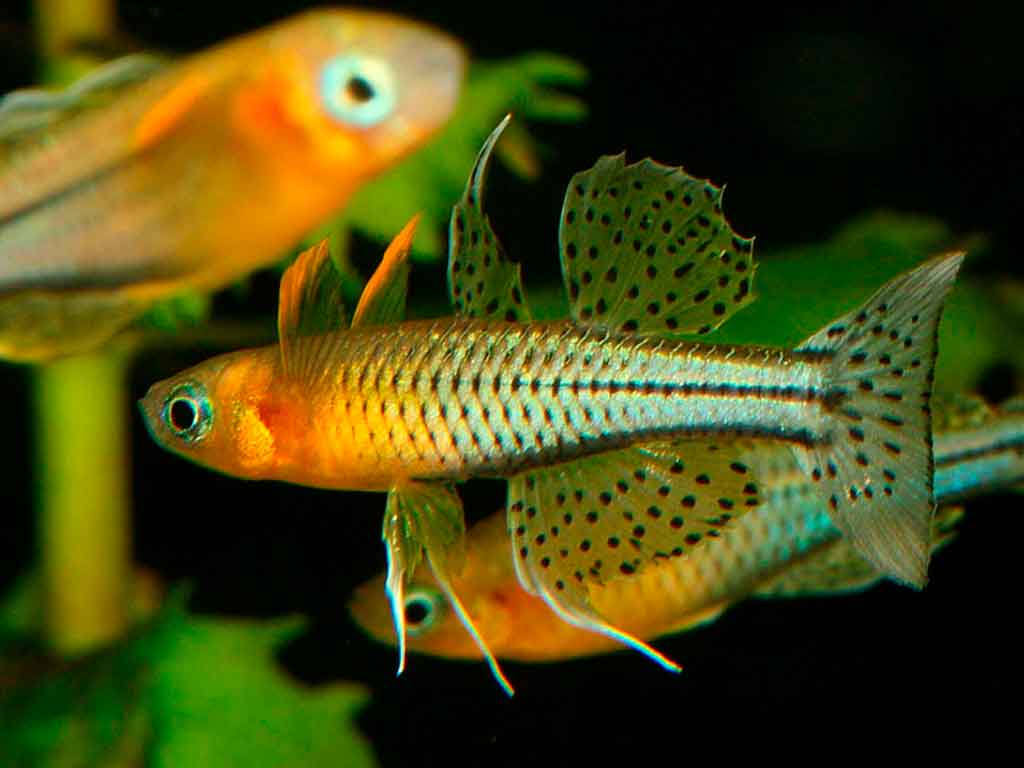
This fish stays tiny. Adults rarely exceed 1.5 inches (3.8 cm), which makes it perfect for nano and planted tanks starting at 10 gallons. Its body carries a pale yellow to amber tone, but three features make it unforgettable:
- Electric blue eyes that catch the light from every angle.
- Spotted fins, especially in males, with a striking pattern of black dots across the dorsal and anal fins.
- A distinctive swimming style, holding its pectoral fins high like tiny wings while it flutters through the water column.
Geographic Variants: Aru, Timika, and “IV” Forms
If you’ve shopped for this species online, you’ve probably seen labels like “Pseudomugil gertrudae IV” or “Aru.” These aren’t separate species. They’re trade names for distinct wild populations, each with slightly different fin length, spot density, or color intensity.
The “IV” label typically refers to an import batch or supplier line rather than a scientific classification. Breeders keep these populations separate for a good reason: mixing variants can dilute the traits that make each one collectible. If you want to preserve a specific look, buy from a seller who documents collection details.
Aquarium Setup: Tank Size, Pseudomugil Gertrudae Water Parameters, and Equipment
Replicating a calm, planted habitat is the single biggest factor in long-term success with this species. Aim for dense vegetation alongside open swimming space so the shoal has both cover and room to display.
Recommended Water Parameters
| Parameter | Ideal Range | Notes |
|---|---|---|
| Temperature | 73°F – 82°F (23°C – 28°C) | Standard tropical range works well. |
| pH | 6.5 – 7.5 | Slight variation is tolerated once the tank is stable. |
| Hardness (GH) | 5 – 12 dGH | Adapts to soft or moderately hard water. |
| Ammonia/Nitrite | 0 ppm | Never add this fish to an uncycled tank. |
| Nitrate | Under 20 ppm | Keep it low with weekly 25-30% water changes. |
Filtration and Starter Kit Essentials
A 10-gallon tank is the smallest realistic starting point for a shoal of 6 to 8 fish. For beginners setting up their first nano tank, a complete kit removes a lot of the guesswork. The Aqueon 10-Gallon Aquarium Starter Kit bundles filtration and LED lighting in one package, which suits this exact tank size and species.
Filtration matters more than most beginners expect. This fish is sensitive to strong currents, so gentle, adjustable flow is essential. An internal filter like the Tetra Whisper Power Filter offers 3-stage filtration without blasting the tank with turbulence, which keeps these delicate swimmers comfortable.
This article contains affiliate links. Happy Pet Zone may earn a commission at no extra cost to you. See our affiliate disclosure for details.
Round out the setup with fine-stemmed plants like Rotala or Myriophyllum, plus Java moss, which doubles as a future spawning site. Driftwood and roots complete the aquascape and give the fish a sense of security.
Diet and Feeding
In the wild, this species hunts zooplankton and small insects that fall onto the water’s surface. Its upward-facing mouth is built specifically for that job.
In the aquarium, offer a varied diet:
- High-quality micro-pellets or flakes as the daily staple. Size matters here since their mouths are tiny.
- Live or frozen foods like baby brine shrimp, daphnia, and mosquito larvae to bring out full coloration.
- Small, frequent meals rather than one large feeding, since they graze naturally throughout the day.
Behavior and Tank Mates
This is a peaceful, active shoaling fish that needs groups of 6 to 8 or more. Kept alone or in pairs, it turns shy and stressed. In a proper group, males constantly display and spar for female attention, which is pure show, not aggression.
Good tank mate options include:
- Small rasboras and other peaceful nano fish
- Corydoras, since they occupy the bottom while gertrudae stays near the surface
- Freshwater shrimp like Red Cherries, since this species is considered shrimp-safe
- Ember tetras, which match its size and temperament
Avoid larger or boisterous tank mates. This fish gets outcompeted for food easily and does poorly in a busy community tank.
Breeding Pseudomugil Gertrudae Step by Step
Breeding this species is genuinely achievable, even for intermediate hobbyists. Unlike many fish, females lay a small batch of eggs every day instead of one large spawn.
- Set up a breeding tank. A 5-gallon tank with a mature sponge filter and no substrate works well for easy cleaning.
- Add spawning material. Use acrylic yarn mops or Java moss as an egg-laying surface.
- Condition the breeders. Feed a trio of one male and two females live food for one to two weeks before spawning.
- Collect the eggs daily. Move the mops or moss to a separate hatching container so adults don’t eat their own eggs.
- Wait for hatching. Eggs hatch in 10 to 14 days depending on temperature.
- Feed the fry properly. Newly hatched fry need infusoria for the first few days, then graduate to baby brine shrimp.
With stable temperatures above 77°F (25°C), fry grow quickly and reach over a centimeter within their first month.
Common Health Issues to Watch For
This species is generally hardy in a well-cycled tank, but a few issues show up when water quality slips:
- Ammonia or nitrite spikes cause rapid stress and lethargy. Test weekly, especially in new setups.
- Fin damage from overly aggressive tank mates or rough décor edges.
- Poor coloration often signals an unbalanced diet lacking live or frozen food.
This guide offers general care information, not veterinary advice. If your fish shows unusual behavior or visible illness, consult an aquatic veterinarian or a specialist fish health forum.
Did You Know?
Males of this species can mate with multiple females in a single day during peak breeding season. Their spawning cycle naturally intensifies around the wet season in the wild, which runs from October through December in their native range. Hobbyists can trigger similar behavior year-round simply by keeping water temperature in the upper end of its comfort range.
Is Pseudomugil Gertrudae Right for Your Aquarium?
This fish suits anyone running a planted nano or medium tank who wants constant movement without any aggression. It’s not the right choice for a busy community tank with larger, faster fish. If you already keep shrimp or a calm planted setup, this species is close to a perfect match.
Frequently Asked Questions
What is the minimum tank size for Pseudomugil gertrudae? A 10-gallon (40-liter) tank comfortably houses a shoal of 6 to 8 individuals.
Are Pseudomugil gertrudae aggressive? No. They’re extremely peaceful. Males chase each other during courtship displays, but this causes no real harm.
What is “Pseudomugil gertrudae IV”? It’s a trade name for a specific imported population, not a separate species. It usually indicates a distinct look, like heavier spotting or longer fins.
Can Pseudomugil gertrudae live with shrimp? Yes. Their small mouths and peaceful nature make them safe companions for adult Red Cherry shrimp and similar species.
How long do Pseudomugil gertrudae live? Typically 2 to 3 years in a well-maintained aquarium, though females often have a shorter reproductive lifespan than males.
Is Pseudomugil gertrudae good for beginners? Yes, as long as the tank is fully cycled first. Their main requirement is stable water quality, not complex care.
How can I tell a male from a female? Males show larger, more colorful fins with a pronounced spotted pattern. Females have shorter, rounded fins and duller coloration.
What do Pseudomugil gertrudae eat? A mix of high-quality micro-pellets and live or frozen foods like baby brine shrimp and daphnia keeps them healthy and vibrant.
If you’re setting up your first nano tank, start with stable filtration before adding any fish. It’s the single factor that determines whether this species thrives or struggles. For another beginner-friendly nano species with similar needs, check out our Galaxy Rasbora care guide.