Galaxy Rasbora Care Guide: Tank, Diet & Breeding Tips
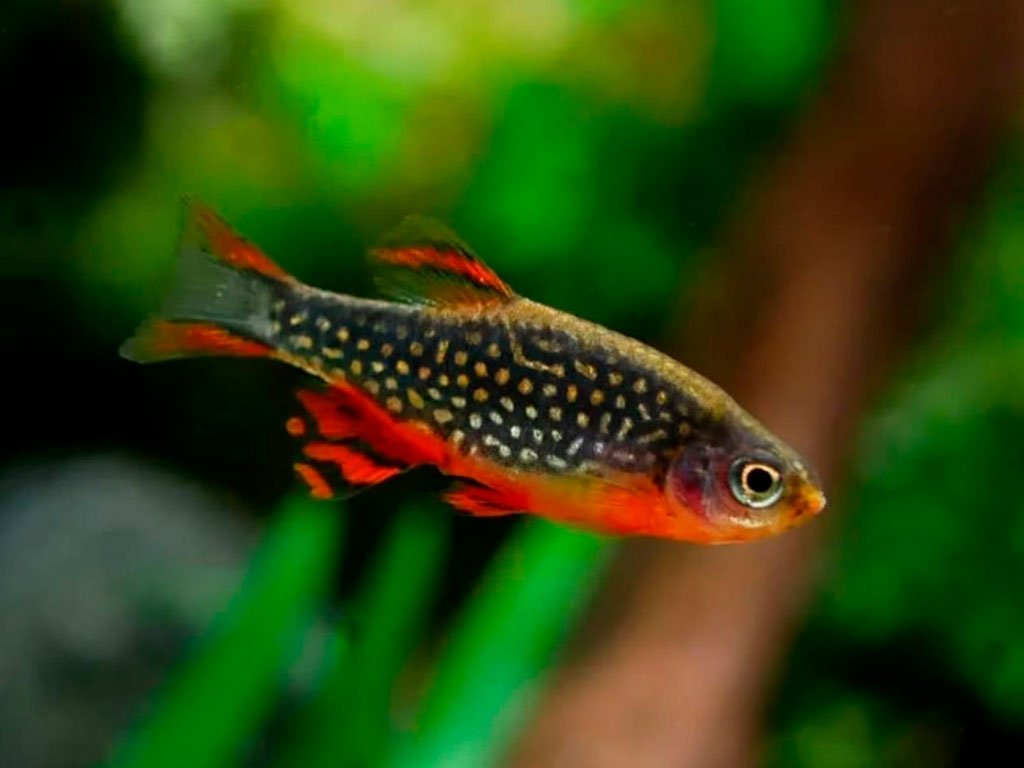
Quick Facts: Galaxy Rasbora (Danio margaritatus)
- Also called: Celestial Pearl Danio
- Size: 0.6 to 0.8 inches (1.5 to 2 cm)
- Minimum tank size: 8 gallons (30 liters)
- Water temperature: 73°F to 82°F (23°C to 28°C)
- pH range: 6.5 to 7.5
- Lifespan: 4 to 5 years
- Care level: Easy to moderate
- Temperament: Peaceful, shy schooling fish
If you have ever seen a galaxy rasbora darting through a nano tank, you already understand the obsession. This tiny fish packs a night sky’s worth of sparkle into a body barely bigger than a grain of rice. We have kept and bred this species for years, and this guide covers everything you need: tank setup, water parameters, diet, and the real challenge of raising the fry.
One detail trips up most new keepers immediately. Their true colors only emerge once they feel safe, so a bare or overcrowded tank will leave you staring at a dull, washed-out fish. Get the setup right, though, and you will watch a living constellation swim past your glass every day.
What Is a Galaxy Rasbora? History and Origin
Few fish have a backstory as dramatic as this one. Researchers discovered the species in 2006 near Hopong, Myanmar, in a handful of small highland ponds.
The find caused an instant sensation among aquarists worldwide. Myanmar authorities kept the exact location secret, though, likely to protect the wild population from overexploitation.
Galaxy Rasbora or Celestial Pearl Danio? The Name Confusion
You will see this fish sold under several names, and the confusion is understandable. It first went by Microrasbora sp. “Galaxy”, then Celestichthys margaritatus.
Taxonomists eventually settled on Danio margaritatus, placing it firmly in the Danio genus alongside the Zebra Danio. Most hobbyists still call it a galaxy rasbora, while retailers often list it as a celestial pearl danio. Both names refer to the exact same fish.
Galaxy Rasbora Appearance: A Living Constellation
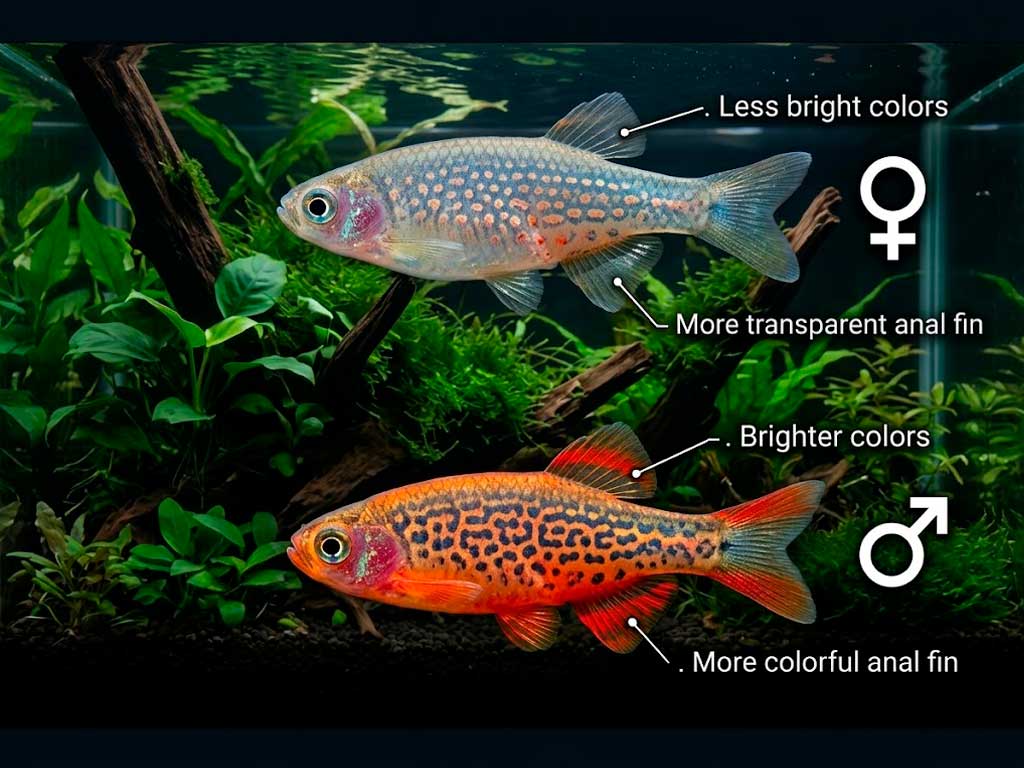
This species stays tiny, reaching only 1.5 to 2 cm in length. Every detail on its body earns the “celestial” name.
- Males show a deep steel-blue base covered in pearly gold dots. Their fins flash intense reddish-orange with bold black stripes.
- Females grow slightly larger with a rounder body. Their coloring stays duller, with an olive-green background and less vivid fins.
Stressed fish at the pet store often look pale and washed out. Consequently, do not judge the species by its store tank appearance. Full color only develops in a calm, well-planted home aquarium.
Temperament and Ideal Tank Mates
Galaxy rasboras are shy schoolers, so keep them in groups of at least 6 to 8. A group of 10 or more works even better, since males show off their brightest colors when competing for female attention.
Great tank mates include:
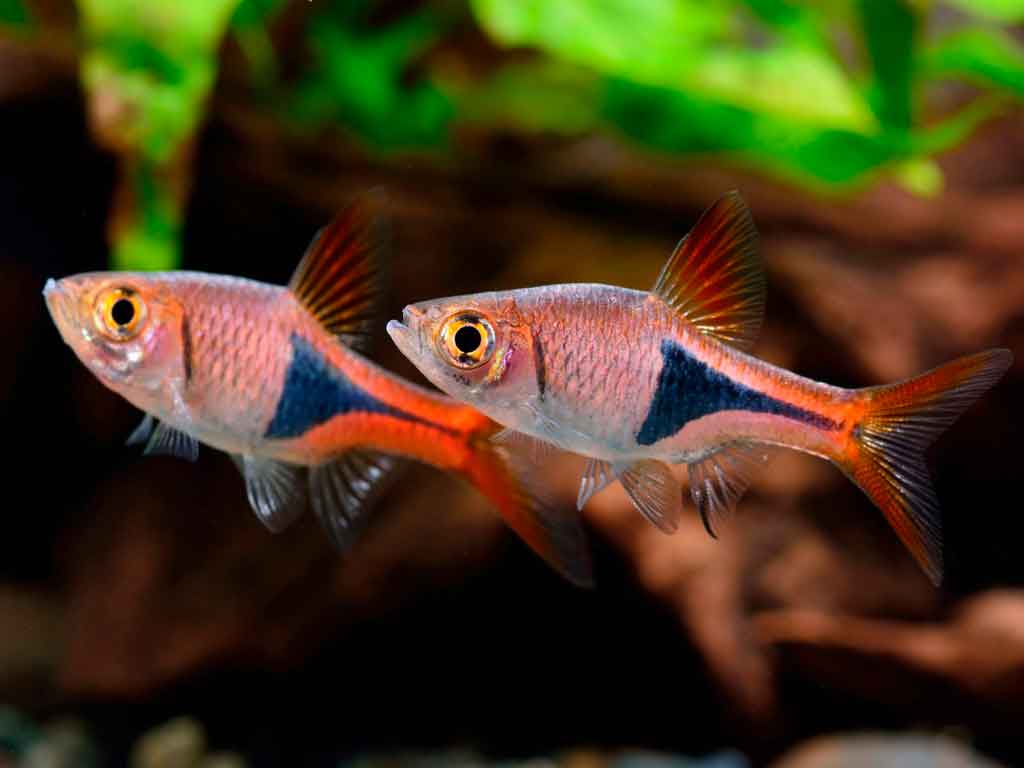
- Chili Rasboras and Kubotai Rasboras
- Pygmy Corydoras
- Surface-dwelling Pseudomugil species
- Adult shrimp and snails (this species is considered shrimp-safe)
Avoid pairing them with:
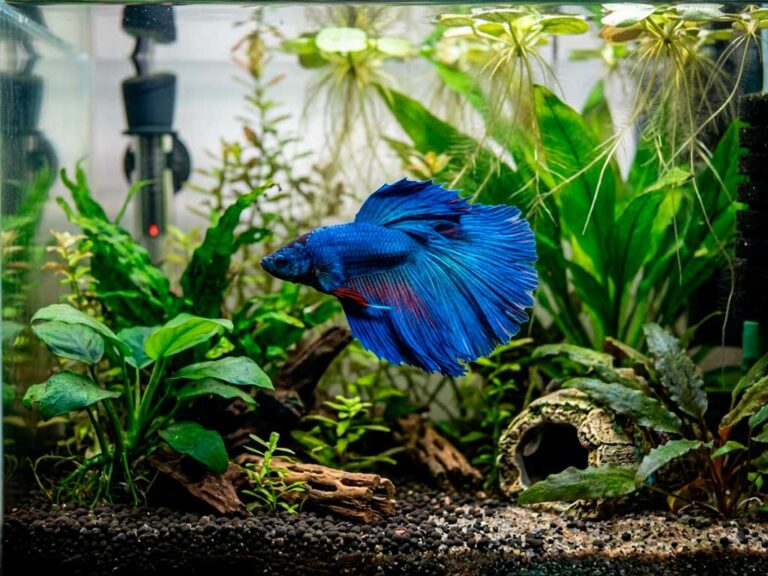
- Bettas
- Most Gouramis
- Large Tetras and Barbs
- Any Cichlid species
Basically, if a fish is large enough to see a galaxy rasbora as a snack, skip it.
Galaxy Rasbora Care: Tank Setup and Water Parameters
Replicating their native highland ponds is the key to success here. Start with an aquarium of at least 8 gallons (30 liters) for a small school.
Dense planting is close to mandatory. Plants give these shy fish the security they need to display their colors instead of hiding all day.
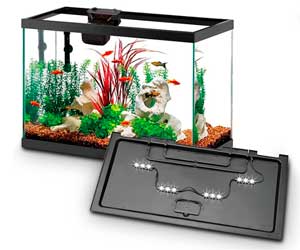
A reliable starter setup removes most of the guesswork for beginners. The Aqueon Aquarium Starter Kit includes smart filtration and LED lighting in a 20-gallon size, which sits right in the sweet spot for a galaxy rasbora school plus live plants.
FROM AMAZON.COM
Aqueon Aquarium Starter Kit with Smart Clean Filtration and LED Lighting
Buy on Amazon.comAs an Amazon Associate, we earn from qualifying purchases. Happy Pet Zone may earn a commission when you click through to Amazon.com, at no extra cost to you.
Ideal water parameters:
- Temperature: 73°F to 82°F (23°C to 28°C)
- pH: 6.5 to 7.5, with a slight preference for neutral to alkaline
- Hardness (GH): Adapts to soft water, though moderately hard water often brings out better coloration
- Nitrates: Keep low with regular partial water changes
Galaxy Rasbora Diet and Feeding
These fish are omnivores with genuinely tiny mouths, so food size matters. Crushed flakes or high-quality micro-pellets work well as a daily base.
For the best color and vitality, add frozen or live foods a few times a week. Newly hatched brine shrimp, microworms, and daphnia are all excellent choices.
FROM AMAZON.COM
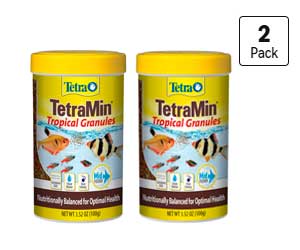
Tetra TetraMin Tropical Granules 3.52 Ounces, Nutritionally Balanced Fish Food (Pack of 2)
Buy on Amazon.comAs an Amazon Associate, we earn from qualifying purchases. Happy Pet Zone may earn a commission when you click through to Amazon.com, at no extra cost to you.
Breeding Galaxy Rasbora: Raising the Fry
Nearly every galaxy rasbora sold today is captive-bred, which is great news for wild populations. Breeding the adults is not the hard part. Raising the fry is where most keepers struggle.
In a healthy, well-fed group, adults will spawn almost continuously among fine-leaved plants like Java moss. For better fry survival, though, set up a dedicated breeding tank.
A simple breeding process:
- Move a small group of adults into a bare tank with a spawning mop or moss clump.
- Leave them for a few days to scatter eggs.
- Remove the adults before they eat their own eggs.
- Keep the tank dimly lit to improve hatching rates.
The fry hatch microscopic and cannot eat brine shrimp nauplii at first. Feed infusoria or rotifers for the first 3 to 4 days, then transition them to baby brine shrimp once they grow large enough.
Common Galaxy Rasbora Health Problems
This species stays fairly hardy in stable water, though a few issues show up regularly.
- Stress-related fading: Pale, washed-out color almost always points to an unplanted tank, aggressive tank mates, or a school that is too small.
- Fin rot: Usually triggered by poor water quality. Clean water and quick nitrate control resolve most mild cases.
- Ich (white spot disease): Appears as tiny white dots and typically follows a stressful event like a temperature swing.
This guide offers general care information and is not a substitute for advice from an aquatic veterinarian. If you notice persistent illness, consult a professional.
Galaxy Rasbora vs. Chili Rasbora: Which Nano Fish Fits Your Tank?
Both species are popular nano fish, but they suit slightly different setups.
| Feature | Galaxy Rasbora | Chili Rasbora |
|---|---|---|
| Size | 0.6-0.8 in | 0.6-0.7 in |
| Min. tank size | 8 gallons | 5 gallons |
| Temperament | Peaceful, shy | Peaceful, very timid |
| Color | Blue with gold dots | Bright red |
| Breeding difficulty | Moderate (fry are hard) | Moderate (fry are hard) |
If tank space is extremely tight, the Chili Rasbora edges ahead. For bolder color and a slightly hardier fry-raising process, the galaxy rasbora wins.
Is the Galaxy Rasbora Right for You?
This fish rewards patience. It suits keepers who enjoy planted nano tanks and do not mind a short setup wait before the colors fully develop.
Start by choosing your tank and getting the plants established first. Add your school once the tank cycles, and resist the urge to rush the process. Once you see that first male flare his fins in a mature setup, you will understand why this species earned its celestial reputation.
For your next planted nano project, check out our guide to setting up a shrimp-safe aquarium for more compatible tank mate ideas.
Frequently Asked Questions
Some links in this article are Amazon affiliate links. We may earn a small commission at no extra cost to you if you make a purchase through them.
For the full picture of how these parameters interact, check our aquarium water chemistry guide.