Pomeranian: The Tiny Spitz With a Huge Personality
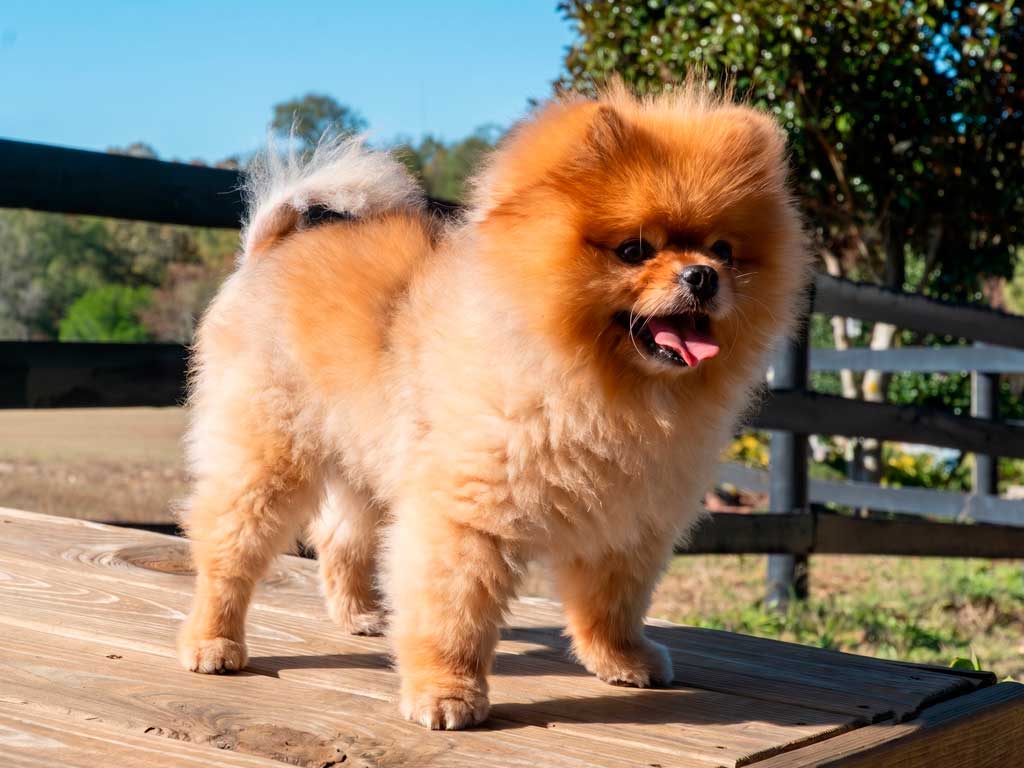
Ever wonder how a dog this small can bark this much? The Pomeranian is the smallest member of the Spitz family, and it makes up for its size with confidence to spare.
This fluffy, fox-faced companion weighs just a few kilograms, yet carries the personality of a much bigger dog. Here’s what makes this breed such a beloved, if occasionally demanding, companion.
Quick Facts
- Life expectancy: 12 to 16 years, sometimes longer with good care
- Weight: 1.8 to 3 kg (4 to 7 lbs)
- Height: 18 to 30 cm (7 to 12 inches)
- Size: Small, Toy group
- Colors: Orange, red, cream, white, black, blue, and many more
- Exercise needs: Low, short daily walks
- Grooming needs: High, brushing several times a week
- Good for: Owners without prior dog experience, best with older or no children
History and Origin
The Pomeranian traces back to large Arctic sled dogs from northern Europe. It shares ancestry with the Keeshond, Norwegian Elkhound, and Samoyed, all working breeds built for cold climates.
Breeders in Germany shrank the size gradually over generations, and the dog arrived in Britain with Queen Charlotte in the 1700s. Back then, it stood far larger and typically wore white.
Queen Victoria later encountered even smaller Pomeranians in Florence and brought several home. She continued breeding them down in size, and one of her dogs won Best of Breed at Crufts in 1891.
Pomeranian Physical Characteristics
This breed carries a fox-like face, pointed ears, and a plumed tail that curls over its back. A dense double coat gives the Pomeranian its signature fluffy, round silhouette.
Coat colors span an unusually wide range, including orange, red, cream, white, black, blue, and particolor patterns. Despite the volume of fur, an adult Pomeranian weighs just 1.8 to 3 kg, making it genuinely delicate underneath all that coat.
Pomeranian Temperament and Personality
Pomeranians are lively, confident, and often bond most closely with one person in the household. Here’s the thing — this breed acts like a much bigger dog, and it rarely realizes how small it actually is.
Expect an alert watchdog that barks at almost anything unusual, which makes early bark training genuinely worthwhile. Give it time and consistent boundaries, and that same confidence turns into a devoted, entertaining companion.
Care Guide
Grooming Needs
That thick double coat needs brushing several times a week at minimum, and daily brushing works even better. Use a wide-tooth comb rather than a fine one, since tight brushes can damage the coat.
Trim the fur around the paws occasionally, and stay consistent to prevent painful matting.
Exercise Requirements
This breed needs surprisingly little exercise for its energy level. Short daily walks and a bit of yard time usually cover its physical needs.
Struggling to keep a Pomeranian entertained indoors? Puzzle toys and short training games satisfy its curious, working-dog instincts.
Nutrition
Small dogs burn energy fast but can’t eat large meals at once, so frequent small portions work better than one big feeding. Choose food formulated for small breeds, since the kibble size suits smaller mouths and supports better digestion.
Trust me on this one: consistent portion control matters even more in a dog this size.
Common Health Concerns
Pomeranians can face patellar luxation, tracheal collapse, and a spinal condition called syringomyelia, among other issues linked to breeding history. Hydrocephalus and a hair-loss disorder called Alopecia X also appear in this breed at higher rates than average.
Choose a breeder who screens for these conditions and avoids extreme breeding traits. As always, this article offers general guidance, not veterinary advice — talk to your vet about breed-specific screening before bringing one home.
Training Tips
Don’t underestimate this little dog. Pomeranians learn quickly and genuinely enjoy working alongside their owner, including in agility competitions.
My rescue mutt, Biscuit, is twenty times this breed’s size, but the training principles stay identical — small dogs need the same clear boundaries as big ones. Try this approach:
- Start leash and harness training early, since it’s a foundational skill for this breed
- Teach a reliable recall, even though this dog rarely wanders far
- Practice bark control from puppyhood to manage its natural watchdog instincts
- Expect potty training to take longer than with larger breeds, and stay patient throughout
Is the Pomeranian Right for You?
This breed suits owners who can commit to daily grooming and enjoy a dog that craves close companionship. It fits best with older, considerate children or households without young kids, since its small frame stays genuinely fragile.
If you want a confident, affectionate companion in a tiny package, the Pomeranian delivers big personality without needing much space.
Fun Facts About the Pomeranian
Painter Thomas Gainsborough was so taken with the breed that he painted Pomeranians several times in the 1700s. Mozart owned one named Pimperl and even dedicated a musical piece to him, and Michelangelo reportedly kept one nearby while painting the Sistine Chapel ceiling.
Two Pomeranians famously survived the sinking of the Titanic in 1912. A Pomeranian named Boo became one of the most followed dogs on the internet, with 16 million Facebook followers by the time he passed away in 2019.
Frequently Asked Questions About the Pomeranian
Is the Pomeranian a good family dog?
Yes, especially for families with older, considerate children or no children at home. Its small, delicate frame needs gentle handling around young kids.
Does the Pomeranian bark a lot?
Yes, this breed tends to bark frequently and makes an alert watchdog. Early training helps manage excessive barking as it grows.
Is the Pomeranian easy to train?
Yes, this breed is smarter and more trainable than its size suggests. It genuinely enjoys learning tricks and working with its owner.
How much exercise does a Pomeranian need?
Short daily walks and some yard time usually cover its needs. Puzzle toys and short training sessions round out its mental stimulation.
How long do Pomeranians live?
Most live between 12 and 16 years, and some reach 20 with excellent care. Good nutrition and regular vet visits support a long life.
Does the Pomeranian shed a lot?
Yes, that dense double coat sheds regularly and needs frequent brushing. Daily brushing helps manage loose fur and prevents matting.
What health problems are common in Pomeranians?
This breed can face patellar luxation, tracheal collapse, and certain neurological conditions. Choosing a responsible breeder who screens for these issues matters significantly.
Can Pomeranians live with other pets?
Generally yes, especially with proper introductions and socialization. Its confident personality often helps it adjust well to other animals.
Is the Pomeranian good for first-time dog owners?
Yes, this breed suits owners without prior dog experience, provided they commit to grooming and training. Its trainability makes the learning curve manageable.
What colors do Pomeranians come in?
This breed comes in an unusually wide color range, including orange, red, cream, white, black, and blue. Orange and red remain the most common shades.
Curious how the Pomeranian compares to other small companion breeds? Browse the full Dog Breeds hub to explore more guides, or try our Dog Breed Quiz to find your ideal match.
Curious about the larger breed this one descends from? The German Spitz is essentially the Pomeranian’s bigger ancestor, tracing back to Viking-era Nordic herding dogs.
For a closer look at the direct ancestor line, the German Spitz Klein is the small-sized German Spitz variety that Victorian breeders used to develop the Pomeranian.
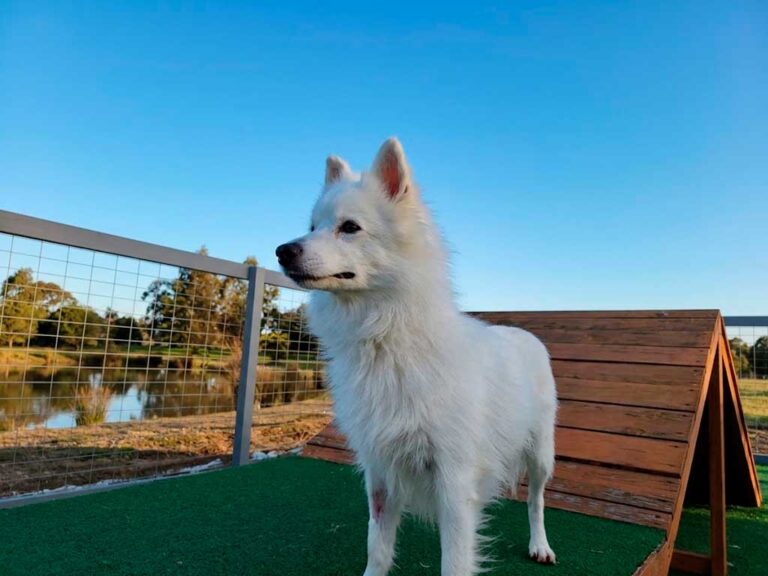
For another small, plush-coated companion, the Japanese Spitz is nicknamed the “cloud dog” for its fluffy white coat and easygoing family temperament.