Long-Haired Chihuahua: Complete Breed Profile, Care & Health Facts
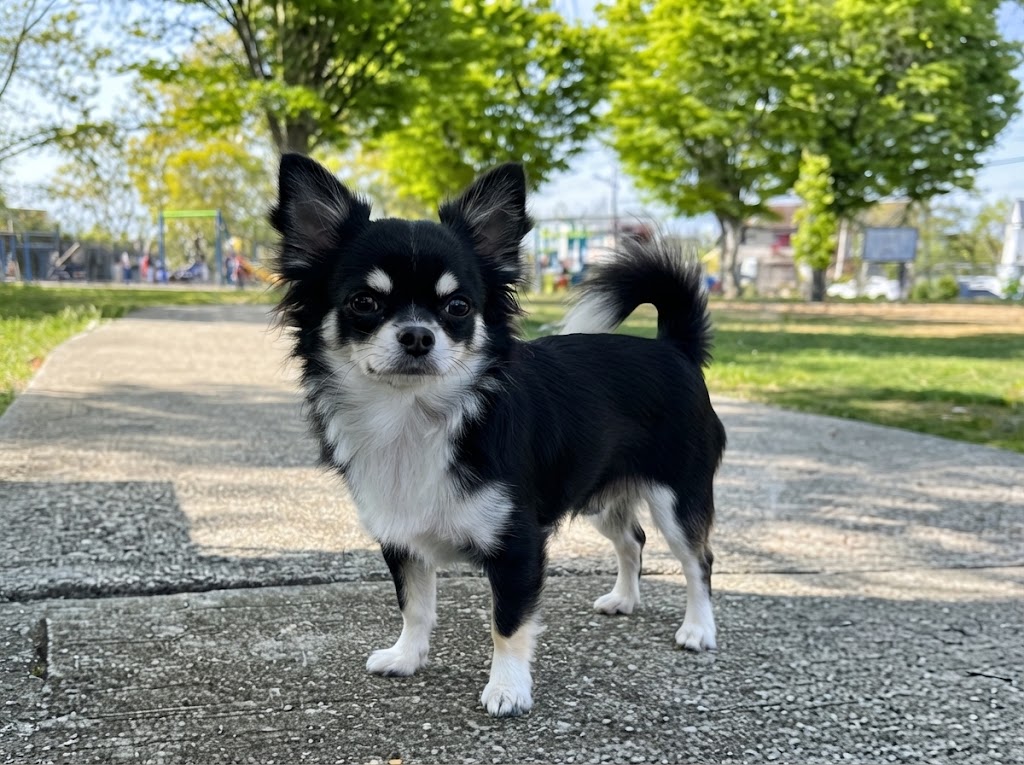
The long-haired Chihuahua is the world’s smallest dog breed and one of the biggest personalities you’ll ever meet in a compact package.
In this complete breed profile, you’ll learn everything that matters: their ancient Mexican roots, their fierce loyalty, their real health risks, and exactly what daily life with one looks like.
Fair warning: this dog will steal your heart and probably your spot on the couch.
History and Origin of the Long-Haired Chihuahua
The Chihuahua’s story starts centuries before it became a celebrity handbag accessory.
Most historians trace the breed back to the Techichi, a small companion dog kept by the Toltec civilization of ancient Mexico as far back as the 9th century AD. Some experts believe the modern Chihuahua emerged from crossbreeding the Techichi with a tiny, hairless dog brought over from Asia though this remains debated.
What’s certain is that the breed takes its name from Chihuahua, the northern Mexican state where it was first exported to the United States in the mid-1800s. American travelers began bringing these tiny dogs back home, and the breed quickly captured public fascination.
The American Kennel Club officially recognized the Chihuahua in 1904, making it one of the earliest registered toy breeds in the US. Today, it consistently ranks among the most popular dog breeds in both the US and UK.
The long-haired variety shares the same ancestry as the smooth-coat Chihuahua. The flowing coat is produced by a recessive gene meaning two smooth-coated parents can produce a long-haired puppy if both carry the gene.
Physical Characteristics
Don’t let the size fool you. The long-haired Chihuahua is a precisely built little dog.
Key physical stats:
- Height: 6–9 inches (15–23 cm)
- Weight: 4–6 lbs (1.8–2.7 kg)
- Coat: Long, soft, and either flat or slightly wavy
- Colors: A wide spectrum — solid black, white, fawn, chocolate, gray, silver, or tri-color combinations; also brindle, merle, and spotted patterns
- Distinctive features: Erect, large ears; a round, apple-shaped skull; and a moderately long tail carried up or in a sickle curve
The silky coat grows in graceful fringes in all the right places. A lush ruff circles the neck. Feathering appears along the backs of the legs, ears, and tail. The overall effect is elegant almost regal despite the dog weighing less than most cats.
One anatomical detail worth knowing: many Chihuahuas are born with a molera, a soft spot on the skull similar to a human fontanel. In some dogs this closes over time; in others it remains open throughout life. It’s a breed-specific trait, not automatically a health problem, but it does mean the skull requires extra protection from bumps and falls.
Temperament and Personality
Here’s the truth about long-haired Chihuahuas that no one tells you upfront: they are not fragile little ornaments. They are bold, opinionated, deeply loyal dogs in a very small body.
Intensely devoted. The long-haired Chihuahua typically bonds to one or two people deeply. With those people, they are affectionate, curious, playful, and endlessly entertaining.
Wary of strangers. Without proper early socialization, Chihuahuas can become suspicious, anxious, and reactive toward unfamiliar people or animals. This isn’t aggression it’s insecurity expressing itself as noise and bravado.
Clannish with other dogs. Chihuahuas frequently prefer the company of other Chihuahuas over different breeds. They can coexist peacefully with other pets, but it takes consistent socialization starting in puppyhood.
Vocal and alert. This breed barks. They make genuinely attentive watchdogs they’ll notice everything and tell you about it. Training a reliable “quiet” command early on is non-negotiable.
Not ideal for very young children. Their small, fragile frame makes them vulnerable to accidental injury from rough handling. They’re better suited to households with older, gentle children who understand how to interact respectfully with dogs.
Long-Haired Chihuahua Care
Diet and Nutrition
Small dogs have fast metabolisms and tiny stomachs which means their nutritional needs are genuinely different from larger breeds.
Feed a high-quality small-breed dog food with appropriately sized kibble pieces. Small-breed formulas are also calorie-dense enough to meet the energy demands of a fast-burning metabolism without requiring large serving volumes.
Serve two to three small meals per day rather than one large meal. Chihuahuas are prone to hypoglycemia (low blood sugar), especially as puppies multiple small meals throughout the day help keep blood sugar stable.
Key nutritional priorities:
- Named animal protein as the first ingredient
- Omega-3 and omega-6 fatty acids to support coat health and shine
- Calcium and phosphorus ratios appropriate for small breeds (important for dental health)
Dental health starts at the food bowl. Chihuahuas are notorious for tartar buildup and tooth loss. Dry kibble provides mild mechanical cleaning compared to wet food alone though it’s not a substitute for brushing.
Exercise Requirements
The long-haired Chihuahua is an energetic little dog but their exercise needs are genuinely modest.
Around 30 minutes of activity per day is typically enough. This can be split into two short walks plus indoor play sessions. They’re surprisingly athletic for their size and love to run, chase toys, and explore new environments.
Two important considerations:
Always use a harness, not a collar. Chihuahuas have delicate tracheas that are vulnerable to collapse with leash pressure on the neck. A well-fitted harness distributes pressure safely across the chest instead.
Cold weather is a real issue. With almost no body fat and a small surface-area-to-mass ratio, Chihuahuas lose body heat rapidly. In cold climates, a dog coat or sweater for outdoor walks isn’t a fashion statement it’s a genuine welfare measure.
Grooming Needs
The long-haired coat is more manageable than it looks.
Weekly maintenance routine:
- Brush thoroughly once or twice a week with a soft slicker brush to prevent tangles and remove loose hair
- Pay extra attention to the neck ruff, which traps food and debris
- Bathe every 4–6 weeks with a gentle, moisturizing dog shampoo
- Trim nails every 3–4 weeks
- Clean ears weekly to prevent wax buildup and infection
- Brush teeth daily this is the single most important grooming habit for this breed, given their extreme susceptibility to dental disease
Shedding is present but manageable given the breed’s tiny size, the total volume of loose hair is minimal compared to larger breeds.
Training and Education
Chihuahuas are genuinely intelligent. They pick up cues quickly and can excel at obedience, tricks, and even agility if trained correctly.
The challenge is their stubborn streak and their owners’ tendency to let tiny dogs get away with behaviors they’d never tolerate in a large dog.
Start socialization immediately. The critical window for socialization is 8–16 weeks. Expose your puppy to different people, sounds, environments, surfaces, and animals during this period. A Chihuahua that misses this window often spends the rest of its life anxious and reactive.
Use positive reinforcement exclusively. Treats, praise, and play work beautifully with this breed. Harsh corrections or punishment create fear and avoidance, which directly worsens the anxiety and reactivity many Chihuahuas already struggle with.
Don’t allow “small dog syndrome.” Growling, snapping, or guarding behaviors should be addressed kindly but consistently regardless of how small and non-threatening the dog appears. Behavior that’s tolerated in a 5-pound dog becomes a serious problem if the dog bites.
Keep sessions short and fun. Five to ten minutes of training, two or three times daily, beats a single 30-minute marathon every time. Chihuahuas get bored and mentally fatigued quickly.
Health and Longevity
Here’s where the long-haired Chihuahua genuinely shines: lifespan.
A healthy Chihuahua can live 14 to 18 years among the longest of any dog breed. With good care, many reach their mid-teens in excellent condition.
However, the breed does carry real health vulnerabilities:
- Patellar luxation — the kneecap slips out of position, causing temporary lameness. Common in small breeds; severity ranges from mild to surgical.
- Tracheal collapse — the windpipe weakens and flattens, causing a characteristic honking cough. More common in dogs walked on collars rather than harnesses.
- Hydrocephalus — fluid accumulation around the brain. Linked to the characteristic domed skull shape.
- Dental disease — tartar, gum disease, and early tooth loss are almost universal in this breed without consistent dental care.
- Heart conditions — including patent ductus arteriosus (a heart vessel abnormality) and mitral valve disease.
- Legg-Calvé-Perthes disease — degeneration of the hip joint, causing pain and limping, most common in young dogs.
- Dry eye (KCS) — a painful condition where tear production is insufficient, requiring daily eye drops or medication.
Work with a vet who has experience with small and toy breeds, and schedule wellness checkups twice a year once your dog reaches age 7.
Is the Long-Haired Chihuahua the Right Dog for You?
Let’s be direct about this.
The long-haired Chihuahua is an excellent match if you:
- Live in an apartment or smaller home
- Want a devoted, intelligent companion who’s with you constantly
- Have older children or a child-free household
- Can commit to daily dental care and regular vet visits
- Prefer a low-exercise-demand dog that’s still mentally sharp and playful
- Are willing to invest time in early socialization and consistent training
Think carefully if you:
- Have toddlers or very young children at home
- Live in a cold climate and aren’t prepared for cold-weather management
- Want a dog that’s immediately friendly with everyone
- Travel frequently and can’t take the dog along
- Aren’t prepared to manage separation anxiety this breed bonds intensely and dislikes being alone
The long-haired Chihuahua isn’t a “starter dog” in the sense of being effortless. It’s a sophisticated companion that rewards attentive ownership with extraordinary loyalty and a lifespan that will outlast most dogs you’ve ever known.
Frequently Asked Questions About the Long-Haired Chihuahua
1. Do long-haired Chihuahuas shed a lot? They do shed, but because of their very small size, the actual volume of hair is minimal. Weekly brushing keeps shedding well under control. They are not hypoallergenic, however no dog breed truly is.
2. Are long-haired Chihuahuas good for first-time dog owners? They can be, but require genuine commitment to socialization and consistent training. First-time owners who research the breed thoroughly and resist the temptation to baby the dog or excuse bad behavior tend to do very well.
3. Can long-haired Chihuahuas be left alone during the day? This is one of the breed’s significant challenges. Chihuahuas bond intensely with their people and are prone to separation anxiety. If left alone for long hours regularly, many develop destructive behaviors, excessive barking, or stress-related health issues. They’re best suited to households where someone is home for much of the day.
4. What’s the difference between a long-haired and a short-haired Chihuahua? The coat length is the primary distinction both varieties are the same breed with identical temperament, size, and health profiles. The long-haired coat is produced by a recessive gene and takes several months to fully develop in puppies.
5. How often should a long-haired Chihuahua be groomed? Brushing once or twice a week keeps the coat tangle-free and healthy. Bathing every four to six weeks is typically sufficient. The most critical grooming habit, however, is daily tooth brushing dental disease is the leading preventable health issue in this breed.
Ready to welcome one of these pint-sized powerhouses into your home? Connect with a responsible breeder through your national kennel club, ask to see health documentation for both parents, and start socialization the day your puppy arrives. Your long-haired Chihuahua will pay that investment back tenfold — for the next 15 years.