Cardigan Welsh Corgi: The Ancient Welsh Herder With a Big Heart and Short Legs
Thinking about bringing a Cardigan Welsh Corgi into your home? These compact dogs have a long history as hardworking cattle herders, and their personality still reflects that background.
Cardigan Welsh Corgis are intelligent, loyal, alert, and surprisingly sturdy for their size. They can make wonderful companions, but their long backs, short legs, and strong herding instincts deserve careful consideration.
This guide covers the Cardigan Welsh Corgi’s history, physical characteristics, temperament, daily care, training needs, and health concerns. You’ll also find practical advice to help decide whether this breed fits your household.
Cardigan Welsh Corgi at a Glance
The Cardigan Welsh Corgi is a small, sturdy herding breed known for its long body, short legs, alert expression, and loyal personality.
| Characteristic | Details |
|---|---|
| Breed group | Herding |
| Origin | Wales |
| Adult height | Approximately 30 cm (12 inches) |
| Adult weight | 15–18 kg (33–40 pounds) |
| Life expectancy | 12–14 years |
| Coat | Short to medium-length double coat |
| Grooming | Brushing 2–3 times weekly |
| Exercise | At least 1 hour daily, adjusted to the individual dog |
| Temperament | Intelligent, loyal, alert, and active |
| Main health concern | Intervertebral disc disease (IVDD) |
The most important ownership consideration: Cardigan Welsh Corgis need consistent training, regular activity, and careful weight management. Their long backs also make spinal health an important part of everyday care.
History and Origin: The Ancient Welsh Herder
The Cardigan Welsh Corgi has a long history in Wales, where these dogs worked as cattle herders. Their low stature helped them move close to livestock while avoiding kicks from larger animals.
The breed takes its name from Cardiganshire, a region of Wales where these dogs became particularly established.
How the Cardigan Welsh Corgi developed
The breed’s history is often traced to Celtic dogs brought to Wales by early settlers. Over generations, these dogs developed into capable working companions for Welsh farmers.
Their jobs required several useful traits:
- Low body structure: Helped them move beneath cattle.
- Strong legs: Supported movement across rugged countryside.
- Alert temperament: Helped them respond to livestock and their surroundings.
- Working intelligence: Made them useful for controlling and moving herds.
The Cardigan and Pembroke Welsh Corgi were recognized as separate breeds by the British Kennel Club in 1934.
Although they share the Corgi name, they developed distinct physical characteristics and breed identities.
Physical Characteristics: What Does a Cardigan Welsh Corgi Look Like?
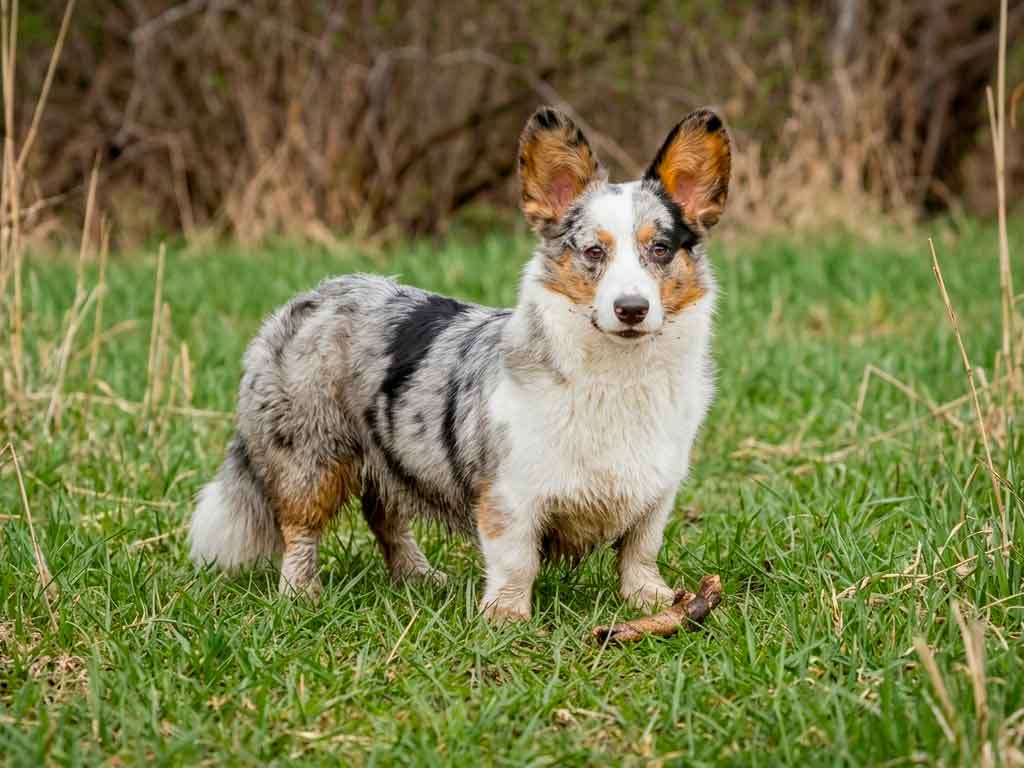
A Cardigan Welsh Corgi has a long body, short sturdy legs, a substantial frame, and an alert expression. Its proportions reflect its background as a working herding dog.
Height and weight
Adult Cardigan Welsh Corgis typically measure around 30 cm (12 inches) at the shoulder and weigh between 15 and 18 kg (33–40 pounds).
| Physical feature | Description |
|---|---|
| Height | Around 30 cm (12 inches) |
| Weight | 15–18 kg (33–40 pounds) |
| Body | Long and low-set |
| Legs | Short and sturdy |
| Head | Fox-like appearance |
| Ears | Alert and upright |
| Coat | Flat, water-resistant outer coat with a dense undercoat |
Their body is noticeably longer than it is tall. This shape helped them perform their original herding work.
Coat colors and appearance
The Cardigan Welsh Corgi has a short to medium-length coat with a water-resistant outer layer and a dense undercoat.
Common coat colors include:
- Red
- Sable
- Fawn
- Black
- Various colors with white markings
Their fox-like head, expressive eyes, and upright ears give them an alert appearance. Despite their compact size, they have a solid, capable build.
Cardigan Welsh Corgi Temperament and Personality
Cardigan Welsh Corgis are generally loyal, intelligent, alert, and active dogs. They form close bonds with their families and often retain the working instincts that made them useful herders.
Understanding those instincts is important when deciding whether this breed fits your home.
Are Cardigan Welsh Corgis good family dogs?
They can be excellent family companions when they receive appropriate training, socialization, and daily attention.
Their loyalty makes them devoted to their households. They also tend to remain alert to unfamiliar activity and may bark when something catches their attention.
Families should understand that their herding background can influence everyday behavior.
Common personality traits
- Loyal: They form strong relationships with their families.
- Intelligent: They learn quickly and respond well to positive reinforcement.
- Alert: They often notice changes in their surroundings.
- Active: They enjoy walks, play, and activities that engage their minds.
- Vocal: They may bark to alert their owners.
- Herding-driven: They may chase moving feet or nip at heels.
Understanding heel-nipping behavior
Heel-nipping is connected to the breed’s traditional herding instincts. A Cardigan may chase moving feet or attempt to control movement around the household.
You can help manage this behavior through:
- Early socialization.
- Consistent positive reinforcement.
- Redirecting nipping toward appropriate toys.
- Teaching basic cues such as “leave it” and “come.”
- Providing suitable games and activities.
Avoid encouraging rough play that rewards chasing or biting at people’s feet. Give your dog a clear alternative behavior instead.
Cardigan Welsh Corgi Care Guide
Cardigan Welsh Corgis need balanced nutrition, regular exercise, and routine grooming. Their care requirements are manageable for many households, although weight control deserves particular attention because of their body structure.
Shop for Your Breed

Just Food For Dogs – Fresh Frozen
Fresh meals. Gently cooked, then frozen to lock in nutrients. 100% Human Grade Ingredients. Gently Cooked in the USA. #1 Vet-Recommended Fresh Food.
Shop on JustFoodForDogs
Raw Paws Pet Food – Frozen Raw Pet Food
Feeding your pet a frozen raw pet food diet is a simple way to deliver real, whole-food nutrition in its most natural form.
Shop on RawPawsPetFood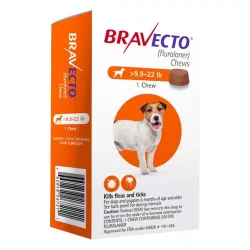
Bravecto Chews for Dogs
Bravecto is a long-lasting flea and tick protection option for your dog. 1 dose of Bravecto chew provides up to 12 weeks of powerful protection, which is nearly 3 times longer than a monthly treatment.
Shop on BestVetCare.com
Deworming Treatments for Dogs
BestVetCare offers you a wide range of worm treatments which come in a variety of forms such as oral paste, tablets, granules, and liquid solutions.
Shop on BestVetCare.comHappyPetZone participates in various affiliate programs with brands and retailers. We may receive a commission on purchases made through our links, at no extra cost to you.
Diet and Nutrition
A balanced diet helps maintain a healthy weight and supports your dog’s overall condition.
Choose a quality dog food formulated for your dog’s size, age, and activity level. Follow the manufacturer’s feeding guidelines as a starting point, then adjust portions with your veterinarian’s guidance.
Daily feeding considerations:
- Divide food into two meals.
- Monitor body condition and weight.
- Avoid excessive treats.
- Provide fresh, clean water throughout the day.
- Discuss dietary changes with your veterinarian.
Extra weight can place additional strain on a Cardigan Welsh Corgi’s back and joints. Keeping your dog at a healthy weight is especially important for this breed.
Exercise Requirements
Cardigan Welsh Corgis need daily physical activity and mental stimulation. Their original work required stamina, alertness, and the ability to respond to changing situations.
The original care guidance recommends at least one hour of daily exercise, adjusted to the dog’s individual needs.
Good activity options include:
- Daily walks.
- Supervised play in a secure yard.
- Interactive games.
- Short training sessions.
- Puzzle toys.
- Exploring new environments.
Avoid assuming that short legs mean a Cardigan needs very little activity. These dogs still need opportunities to move and use their minds.
Because spinal health is a breed concern, discuss suitable exercise and physical activity with your veterinarian, especially if your dog has mobility problems or a history of back pain.
Grooming Needs
Cardigan Welsh Corgis have a relatively straightforward grooming routine. Their short to medium-length coat generally needs brushing two to three times per week.
During seasonal shedding, more frequent brushing can help remove loose hair.
| Grooming task | Recommended routine |
|---|---|
| Brushing | 2–3 times weekly |
| Seasonal shedding | Brush more frequently as needed |
| Bathing | When necessary |
| Coat maintenance | Check for loose hair and debris |
| General care | Include routine checks of ears, nails, and skin |
Their coat is naturally water-resistant, which helps make routine cleanup easier after outdoor activities.
Training and Education
Cardigan Welsh Corgis are intelligent dogs that usually respond well to positive reinforcement. Their herding instincts, alertness, and enthusiasm make early training particularly useful.
Start with simple skills and build gradually.
Essential training priorities
1. Basic obedience
Teach foundational cues such as:
- Sit
- Stay
- Come
- Leave it
- Down
Short, consistent sessions can help maintain attention.
2. Early socialization
Introduce your puppy to different people, environments, sounds, and appropriate interactions with other animals. Keep experiences positive and allow your dog time to adjust.
3. Managing herding instincts
Redirect heel-nipping and chasing toward suitable toys, structured games, and training exercises.
4. Barking management
Teach your dog to respond to cues and settle after alerting. Consistency helps prevent barking from becoming a difficult household habit.
5. Mental stimulation
Puzzle toys, obedience exercises, and interactive games give these intelligent dogs useful ways to stay engaged.
Give it time. Clear expectations and rewards for appropriate behavior can make training more productive.
Cardigan Welsh Corgi Health and Longevity
Cardigan Welsh Corgis typically live 12 to 14 years. Their long backs and short legs make spinal health an important consideration throughout their lives.
The breed may also be affected by hip dysplasia and hereditary eye disorders.
Common health concerns
| Health concern | Why it matters |
|---|---|
| Intervertebral disc disease (IVDD) | Can affect the spinal discs and cause pain, mobility problems, or paralysis in severe cases |
| Hip dysplasia | A joint condition that can cause discomfort and mobility difficulties |
| Hereditary eye disorders | Inherited eye conditions may affect vision and require veterinary assessment |
Understanding IVDD in Cardigan Welsh Corgis
Intervertebral disc disease, commonly called IVDD, affects the discs between the vertebrae of the spine.
A Cardigan Welsh Corgi’s long back and short legs make spinal health an important topic for prospective owners.
Signs of a possible spinal problem can include:
- Back or neck pain.
- Reluctance to move.
- Difficulty walking.
- Weakness in the legs.
- Changes in coordination.
- Sudden loss of mobility.
Important: Sudden weakness, difficulty walking, or paralysis requires urgent veterinary attention. Do not attempt to diagnose or treat a suspected spinal problem at home.
Everyday habits that support spinal health
The original care recommendations emphasize careful weight management and avoiding unnecessary strain on the back.
Discuss practical changes with your veterinarian, including:
- Maintaining a healthy body weight.
- Reducing repeated high-impact jumping.
- Considering ramps for furniture access.
- Managing stair use when appropriate.
- Choosing exercise suitable for your dog’s condition.
Before purchasing a puppy, ask the breeder for documentation of relevant health screening, including hip and eye examinations. Also ask how the breeding program considers spinal health.
A responsible breeder should be willing to discuss health concerns openly.

Lemonade Pet Insurance
Explore customizable pet insurance coverage and learn whether Lemonade is the right fit for your dog or cat.
- Customizable coverage options
- Online policy management
Is the Cardigan Welsh Corgi the Right Dog for You?
A Cardigan Welsh Corgi may suit an active household that enjoys training, outdoor activities, and spending time with a loyal companion.
However, prospective owners should be comfortable managing herding behavior, barking, and the breed’s physical care requirements.
Choose a Cardigan Welsh Corgi if you:
- Enjoy daily walks and outdoor activities.
- Want an intelligent, loyal companion.
- Appreciate dogs with a working heritage.
- Can provide consistent training and socialization.
- Are comfortable managing heel-nipping and chasing.
- Can maintain careful weight management.
- Understand the importance of spinal health.
Consider another breed if you:
- Prefer a sedentary lifestyle.
- Cannot provide regular mental stimulation.
- Have no time for training.
- Cannot manage herding-related chasing or nipping.
- Are unprepared to monitor potential back problems.
- Dislike barking or alerting behavior.
Cardigan Welsh Corgi: Main Advantages and Challenges
| Advantages | Challenges |
|---|---|
| Loyal and devoted to family | May bark frequently |
| Intelligent and trainable | Needs consistent training |
| Compact but sturdy | Requires careful weight management |
| Enjoys interactive activities | May chase or nip at heels |
| Relatively simple grooming routine | Has important spinal health considerations |
Think about your daily routine before choosing this breed. A good match depends on the time, attention, and care you can provide throughout the dog’s life.
Frequently Asked Questions
Helping Your Cardigan Welsh Corgi Thrive
The Cardigan Welsh Corgi combines a distinctive appearance with the intelligence and working instincts of a traditional herding dog. Its loyalty and compact size can make it an appealing companion for the right household.
Responsible ownership means planning for daily activity, consistent training, and careful weight management. Spinal health also deserves attention from puppyhood through the senior years.
If you’re considering this breed, speak with responsible breeders and your veterinarian before making a decision. Ask about health screening, discuss the dog’s expected care needs, and make sure your household is ready for an active, alert companion.
You can also explore our Swedish Vallhund breed guide for information about another distinctive herding breed.