Belgian Tervuren: 9 Essential Facts Before Getting This Dog
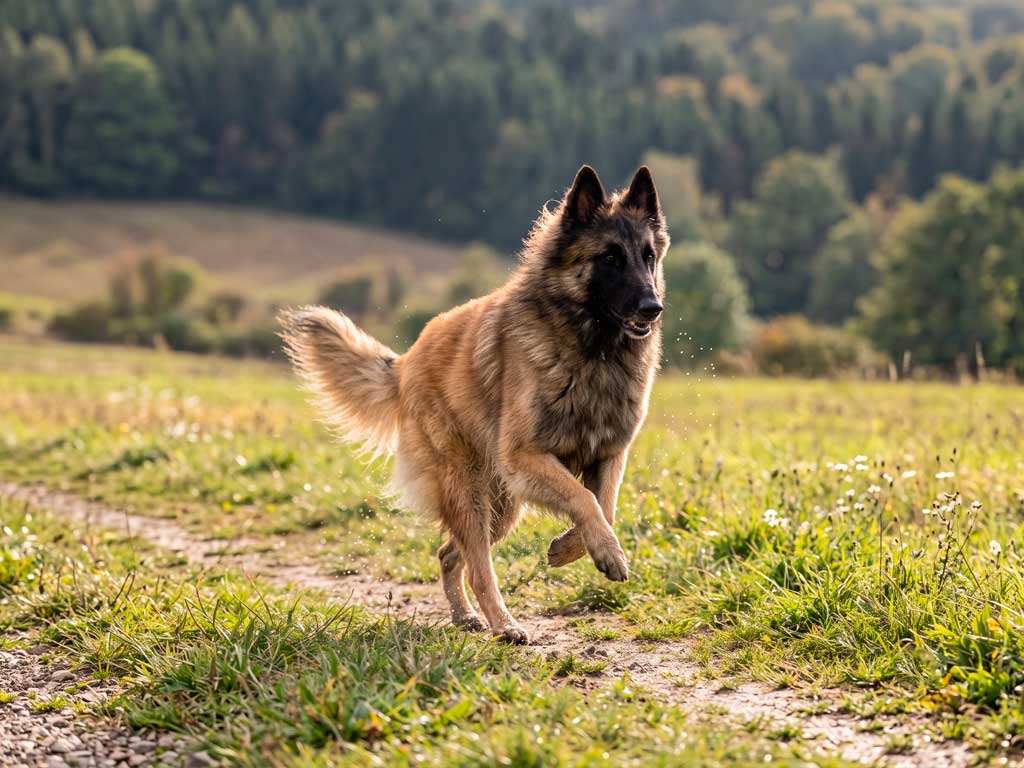
Considering a Belgian Tervuren puppy for your family? This intelligent Belgian herding breed is known for its elegant appearance, strong work ethic, and close bond with its people. However, living with a Tervuren requires daily exercise, consistent training, and regular coat care.
The Belgian Tervuren typically stands 22–26 inches tall, weighs around 45–75 pounds depending on sex, and lives approximately 12–14 years. The breed can thrive with an active family that enjoys outdoor adventures and training, but it may struggle in a home where exercise and companionship are limited.
This guide covers the Belgian Tervuren’s history, appearance, temperament, grooming requirements, training, nutrition, and health concerns. You’ll also learn what to consider before choosing a puppy and whether this energetic shepherd fits your household.
Belgian Tervuren at a Glance
The Belgian Tervuren is a medium-to-large herding dog originally developed in Belgium. It combines an alert temperament with a long double coat and a strong instinct to work alongside people.
- Breed group: Herding
- Origin: Belgium
- Height: Males, 24–26 inches; females, 22–24 inches
- Weight: Males, approximately 55–75 pounds; females, approximately 45–60 pounds
- Life expectancy: Around 12–14 years
- Coat: Long, straight, and double-layered
- Typical colors: Fawn or red to mahogany with black overlay; gray variations also occur
- Exercise: More than two hours of daily activity may be appropriate for many adults, depending on individual needs
- Grooming: Regular brushing, with extra attention during seasonal shedding
- Temperament: Intelligent, alert, energetic, and devoted to family
- Best suited to: Active owners prepared to provide training, companionship, and mental challenges
Individual dogs can differ in size, energy, confidence, and sociability. These breed characteristics offer a useful starting point, but a puppy’s parents, early experiences, and individual temperament matter too.
History and Origin of the Belgian Tervuren
The Belgian Tervuren originated in Belgium, where shepherd dogs helped farmers manage livestock and protect their properties. Their work demanded intelligence, stamina, and the ability to respond quickly to changing situations.
The breed belongs to a group of four closely related Belgian herding varieties. They share a common working background but differ in coat type and appearance.
The four varieties are:
- Belgian Tervuren: A long-haired coat, usually fawn or reddish with black overlay.
- Belgian Malinois: A short-haired coat with similar fawn or reddish coloring.
- Belgian Sheepdog (Groenendael): A long black coat.
- Belgian Laekenois: A rough, wiry coat.
The Tervuren takes its name from the Belgian village of Tervuren. The breed developed as a versatile farm dog, and its natural working ability remains a defining characteristic today.
The American Kennel Club recognized the Belgian Tervuren as a separate breed in 1959. Since then, the breed has continued to demonstrate its abilities in herding, obedience, agility, and other demanding activities.
Modern Tervurens can also be found in working roles that require concentration and cooperation. Their intelligence makes them capable learners, although it also means they need regular opportunities to use their minds.
Physical Characteristics: Size, Coat, and Appearance
The Belgian Tervuren has an elegant, balanced body with a proud head carriage and an alert expression. Although its long coat creates an impressive silhouette, the breed is athletic and built for movement rather than bulk.
Height and Weight
According to American Kennel Club breed information, adult males typically stand 24–26 inches at the shoulder, while females stand 22–24 inches.
Males generally weigh around 55–75 pounds, and females around 45–60 pounds. Healthy weight depends on height, muscle development, age, and body condition.
A Tervuren should look athletic rather than heavy. You should be able to feel the ribs without pressing hard, while the waist should remain visible when viewed from above.
Coat and Colors
The Belgian Tervuren has a double coat consisting of a dense undercoat and a longer outer coat. The undercoat provides insulation, while the outer coat helps protect the dog from the elements.
Common coat colors include fawn and red or mahogany shades with black-tipped hairs or a black overlay. Gray variations are also recognized in relevant breed standards.
The coat around the neck and chest can form a noticeable ruff, particularly in adult males. Feathering also appears on the legs and tail.
The coat looks impressive, but it requires consistent maintenance. Loose undercoat can accumulate quickly during seasonal shedding, especially if brushing has been neglected.
Shop for Your Breed

Just Food For Dogs – Fresh Frozen
Fresh meals. Gently cooked, then frozen to lock in nutrients. 100% Human Grade Ingredients. Gently Cooked in the USA. #1 Vet-Recommended Fresh Food.
Shop on JustFoodForDogs
Raw Paws Pet Food – Frozen Raw Pet Food
Feeding your pet a frozen raw pet food diet is a simple way to deliver real, whole-food nutrition in its most natural form.
Shop on RawPawsPetFood
Bravecto Chews for Dogs
Bravecto is a long-lasting flea and tick protection option for your dog. 1 dose of Bravecto chew provides up to 12 weeks of powerful protection, which is nearly 3 times longer than a monthly treatment.
Shop on BestVetCare.com
Deworming Treatments for Dogs
BestVetCare offers you a wide range of worm treatments which come in a variety of forms such as oral paste, tablets, granules, and liquid solutions.
Shop on BestVetCare.comHappyPetZone participates in various affiliate programs with brands and retailers. We may receive a commission on purchases made through our links, at no extra cost to you.
How Does a Belgian Tervuren Compare With a German Shepherd?
People sometimes confuse the Belgian Tervuren with a long-haired German Shepherd because both can have upright ears, dark facial markings, and thick coats.
However, they are separate breeds with different breed standards. The Tervuren typically has a square, balanced outline, a refined head, and a distinctive long coat with black overlay.
German Shepherds vary considerably in coat length and body shape. Appearance alone should not determine which breed is right for your household. Their exercise requirements, temperament, training needs, and health considerations deserve equal attention.
Belgian Tervuren Temperament and Personality
The Belgian Tervuren is intelligent, attentive, and strongly attached to its family. Many enjoy staying close to their people and participating in everyday activities rather than spending long periods alone.
These dogs often notice unfamiliar sounds and movement quickly. Their natural watchfulness can make them effective watchdogs, although it also makes early socialization and thoughtful training important.
A well-raised Tervuren can be affectionate and playful at home. The breed is known for learning quickly and can bring plenty of personality to games and training sessions.
Are Belgian Tervurens Good Family Dogs?
Belgian Tervurens can make good family companions when their exercise, training, and social needs are met. They generally do best with households that understand active working breeds.
Families with young children need to supervise interactions closely. A lively dog may accidentally knock over a small child, and a herding instinct can lead to chasing or attempts to control movement.
Teach children to give the dog space while eating or resting. Adults should manage introductions, supervise play, and ensure the dog has a quiet place to retreat.
Do Belgian Tervurens Get Along With Other Pets?
Some Tervurens live successfully with other dogs and household animals, particularly when introductions are gradual and positive.
However, their herding instincts may lead them to chase moving animals or nip at heels. This behavior needs appropriate management and training, especially around cats, small pets, and unfamiliar livestock.
Never assume that a dog’s breed guarantees compatibility with another animal. Consider the individual dog’s history, prey drive, confidence, and previous social experiences.
Are They Protective?
Belgian Tervurens are naturally alert and may be reserved around unfamiliar people. Their protective instincts do not mean every dog will behave aggressively or respond to strangers in the same way.
Avoid encouraging a puppy to become suspicious or confrontational. Instead, reward calm behavior, teach reliable responses to everyday situations, and introduce the dog to different people and environments at a comfortable pace.
The goal is a dog that can recognize ordinary situations without feeling responsible for controlling every visitor or passing stranger.
Care Guide: Exercise, Diet, and Grooming
The Belgian Tervuren needs a care routine that addresses both physical stamina and mental engagement. Exercise alone may not satisfy a dog that has been bred to think and work.
Exercise Requirements
Many adult Belgian Tervurens need more than two hours of daily activity, although the right amount depends on age, health, fitness, and the type of exercise provided.
A combination of activities works better than relying on a single long walk. Consider including:
- Brisk walks and hikes suited to the dog’s fitness.
- Fetch or other structured games.
- Obedience practice and scent-based activities.
- Agility or other suitable dog sports.
- Calm exploration that allows time for sniffing.
- Short training sessions throughout the day.
Mental work matters just as much as physical movement. Teaching new cues, practising recall, or using food puzzles can help provide variety.
Puppies need a different approach. Avoid forcing repetitive, high-impact exercise while their bodies are developing. Use age-appropriate play, brief training sessions, and guidance from your veterinarian to establish a suitable routine.
If a Tervuren becomes destructive, restless, or excessively vocal, look at its overall daily routine. Insufficient activity can contribute to these problems, although anxiety, discomfort, and other causes may also play a role.
Diet and Nutrition
Feed a complete and balanced dog food appropriate for the dog’s life stage, body condition, and activity level. Puppies need food formulated for growth, while adults generally need an appropriate adult maintenance diet.
Because Belgian Tervurens are active, their calorie needs can vary considerably. A dog training for agility may need more energy than one taking shorter walks, even if both are similar in size.
Use these practical feeding guidelines:
- Measure meals instead of estimating portions by eye.
- Adjust the daily amount according to body condition and activity.
- Include training treats in the overall calorie allowance.
- Provide clean, fresh water throughout the day.
- Ask your veterinarian before adding supplements or making major dietary changes.
Large-breed puppies require particular care with nutrition. Excessive calories and inappropriate calcium supplementation can interfere with healthy skeletal development, so choose a suitable growth diet and follow veterinary guidance.
If you prepare food at home, work with a veterinary nutrition professional to ensure the diet supplies the nutrients your dog needs.
Grooming Needs
The Belgian Tervuren’s long double coat needs regular brushing to remove loose hair and prevent tangles. For many dogs, brushing once or twice a week works during quieter periods, with more frequent sessions when shedding increases.
Use a pin brush or slicker brush to work through the coat gently. A suitable undercoat rake can help remove loose undercoat during seasonal shedding, but avoid scraping or irritating the skin.
Pay particular attention to the feathering behind the ears, around the hindquarters, and where the legs meet the body. These areas can develop tangles if neglected.
A practical grooming routine includes:
- Brushing the coat thoroughly several times a week as needed.
- Checking behind the ears and around the legs for mats.
- Inspecting the skin for redness, sores, or unusual hair loss.
- Trimming the nails regularly.
- Checking the ears for irritation or discharge.
- Brushing the teeth with dog-safe toothpaste.
Belgian Tervurens shed throughout the year, with heavier periods when the undercoat changes seasonally. The amount varies between individual dogs and can also depend on climate and living conditions.
Regular grooming helps keep the coat comfortable and gives you a chance to notice skin or ear problems early.
Training a Belgian Tervuren Puppy
Belgian Tervurens learn quickly and often enjoy training when it feels rewarding. However, intelligence does not automatically make a dog easy to manage. These dogs need clear expectations, consistency, and appropriate outlets for their energy.
Start With Positive Reinforcement
Reward the behaviors you want to see more often. Treats, toys, praise, and play can all help a puppy understand which choices earn rewards.
Begin with essential skills such as:
- Responding to its name.
- Coming when called.
- Walking on a loose leash.
- Settling on a mat.
- Waiting calmly before going through doors.
- Leaving inappropriate objects alone.
- Relaxing when visitors arrive.
Keep early sessions short and end while the puppy is still engaged. Long, repetitive drills can become frustrating for a young dog.
Avoid harsh corrections and intimidation. A sensitive, highly responsive dog may become worried or lose confidence when training relies on punishment.
Socialization Is Essential
Introduce your puppy gradually to a variety of people, surfaces, sounds, and everyday environments. Pair new experiences with rewards and allow the puppy to observe from a comfortable distance.
Socialization does not mean forcing the dog to greet everyone. A puppy should be able to approach, retreat, and take breaks without pressure.
Continue practising as the dog matures. Calm behavior around visitors, passing dogs, traffic, and household activity takes repeated reinforcement.
Manage Herding Behaviors
Some Belgian Tervurens try to chase bicycles, run after children, or nip at moving heels. These behaviors can reflect herding instincts, excitement, or inadequate impulse control.
Interrupt unsafe behavior calmly and redirect the dog toward an appropriate activity. Reward the puppy for checking in with you, responding to its name, and remaining settled while movement happens nearby.
A qualified reward-based trainer can help if chasing or nipping becomes difficult to manage. Early guidance is easier than trying to change an established habit later.
Teach the Dog to Settle
A high-energy dog also needs to learn how to rest. Build short periods of calm into the daily routine instead of keeping the puppy constantly entertained.
Reward relaxed behavior on a bed or mat. Provide safe chew items and use predictable routines around meals, walks, play, and sleep.
And remember that more exercise is not always the answer to every behavior problem. A dog that is overtired or overstimulated may need rest and help learning to relax.
Belgian Tervuren Health and Lifespan
The Belgian Tervuren generally has a life expectancy of around 12–14 years. Responsible breeding, preventive veterinary care, suitable exercise, and a healthy body condition can support long-term wellbeing, although no routine can eliminate every inherited condition.
Hip and Elbow Dysplasia
Hip dysplasia occurs when the hip joint develops abnormally, while elbow dysplasia refers to developmental problems affecting the elbow joint.
Both conditions can cause pain, stiffness, or difficulty moving. Signs may include reluctance to exercise, an unusual gait, difficulty rising, or reduced willingness to jump.
Ask breeders for documented hip and elbow screening results for the puppy’s parents. Screening reduces uncertainty but cannot guarantee that a puppy will never develop joint disease.
Eye Conditions
Some Belgian Tervurens may be affected by inherited eye disorders, including progressive retinal atrophy. This condition involves the gradual deterioration of retinal cells and can eventually lead to blindness.
Responsible breeders should follow the relevant breed health-testing recommendations. Ask which examinations have been completed and request documentation rather than relying on verbal assurances.
Epilepsy
Epilepsy is another recognized health concern in the breed. It causes recurrent seizures that cannot be explained solely by an immediate trigger or another identified cause.
A seizure can have several possible explanations, so veterinary assessment is necessary to determine what is happening. If your dog experiences a seizure, keep the surrounding area safe, avoid putting your hands near its mouth, and time the episode.
Seek emergency veterinary care for a prolonged seizure, repeated seizures without full recovery, or any other urgent signs. Contact your veterinarian promptly after a first suspected seizure, even if the dog appears normal afterward.
Routine Preventive Care
Regular veterinary examinations help monitor weight, dental health, joints, skin, and overall condition. Your veterinarian can also recommend appropriate vaccinations, parasite prevention, and screening based on your dog’s age and lifestyle.
Before purchasing a puppy, ask the breeder about the health history of both parents and close relatives. Discuss relevant screening for hips, elbows, eyes, and other conditions recommended by the appropriate breed organizations.

Lemonade Pet Insurance
Explore customizable pet insurance coverage and learn whether Lemonade is the right fit for your dog or cat.
- Customizable coverage options
- Online policy management
This article provides general educational information and does not replace professional veterinary advice. Contact your veterinarian about symptoms, screening decisions, or your dog’s individual healthcare needs.
How to Choose a Belgian Tervuren Puppy
Finding a responsible breeder is an important step when bringing a Belgian Tervuren into your home. A puppy’s early environment and inherited traits can influence its future health and behavior.
Look for a breeder who:
- Provides verifiable health-testing records for the parents.
- Explains the temperament and working needs of the breed honestly.
- Raises puppies in a clean, safe environment.
- Introduces puppies gradually to everyday sights and sounds.
- Allows you to ask questions about health, socialization, and care.
- Provides clear contracts and information about veterinary records.
- Takes responsibility for the dogs they breed throughout their lives.
Ask to meet the mother when possible and observe how she responds to people and her surroundings. Her behavior is only one part of the picture, but it can offer useful context.
Avoid choosing a puppy based on coat color or appearance alone. A confident puppy is not necessarily the best fit for every household, and a quiet puppy is not automatically an easy companion.
Discuss your experience, schedule, and expectations with the breeder. A good match should take into account the puppy’s temperament as well as your ability to provide exercise, training, and companionship.
Is the Belgian Tervuren Right for You?
The Belgian Tervuren is a strong choice for an active owner who wants a close canine companion and enjoys working with dogs. It can excel in obedience, agility, herding, and other activities that combine movement with problem-solving.
However, this breed may be difficult for people who spend most of the day away from home or prefer a low-maintenance dog. Its energy, watchfulness, grooming needs, and desire for interaction require a realistic daily commitment.
Before bringing one home, consider whether you can consistently provide:
- More than two hours of suitable daily activity when appropriate for your adult dog’s needs.
- Regular training and mental enrichment.
- Time for grooming and seasonal shedding.
- Early socialization and ongoing behavior guidance.
- Companionship and a comfortable place to rest.
- Veterinary care and a budget for routine and unexpected expenses.
A large yard can be useful, but it does not replace walks, training, and interaction with people. Belgian Tervurens need meaningful activities with their families, even when outdoor space is available.
If you’re drawn to the breed because of its striking coat, take time to learn about its working temperament too. Living with a Tervuren is most rewarding when you enjoy the daily activities that keep this dog engaged.
For another look at Belgium’s hardworking shepherd dogs, read our Belgian Malinois breed guide. Comparing the two can help you decide whether a long-coated Tervuren or a short-coated Malinois better matches your lifestyle.
Frequently Asked Questions
Before choosing a Belgian Tervuren puppy, write down the exercise, training, and grooming time you can realistically provide each day. Then discuss your routine with a responsible breeder so you can find a dog whose needs fit your household.