Skye Terrier: 7 Essential Facts Before You Get One
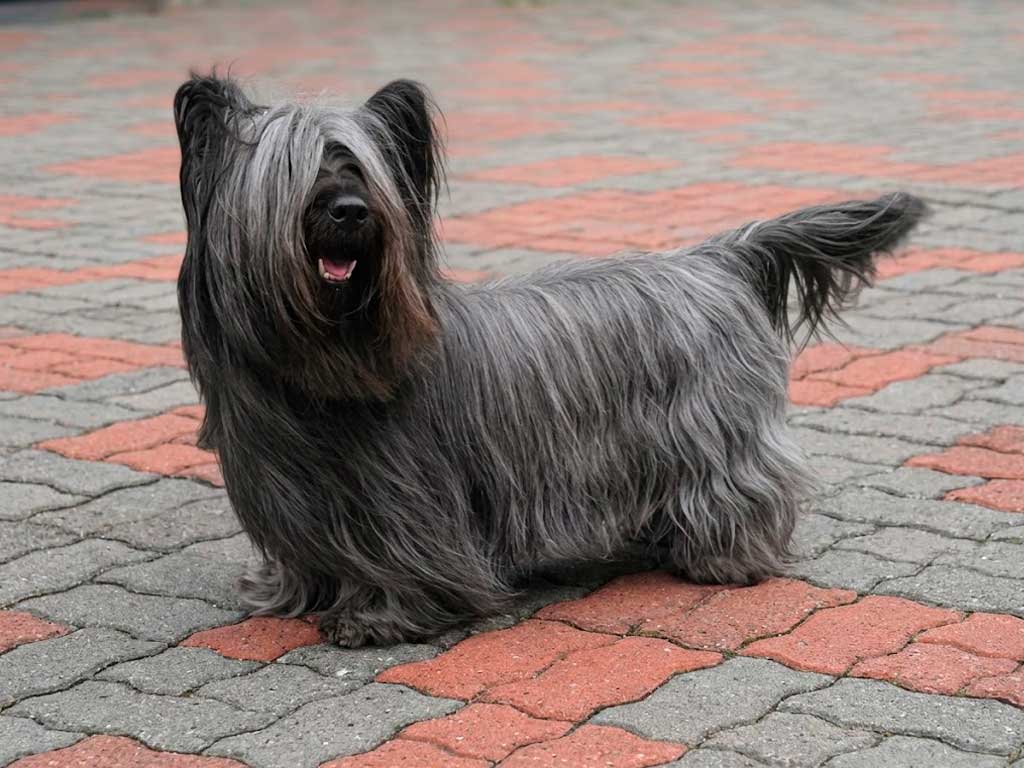
The Skye Terrier is a small Scottish terrier with a long, flowing coat and a personality that can surprise people who judge dogs by their appearance. Beneath that elegant hair is a sturdy, independent working dog that often forms an especially close bond with one person.
If you’re considering a Skye Terrier, understanding its temperament, grooming routine, exercise needs, and potential health concerns will help you decide whether this breed fits your household.
This guide covers the details prospective owners should know, from the breed’s history on Scotland’s Isle of Skye to everyday feeding and puppy care. You’ll also learn what to look for when choosing a responsible breeder or considering adoption.
Skye Terrier at a Glance
Breed group: Terrier
Origin: Scotland, particularly the Isle of Skye and the Hebrides
Size: Small to medium, with a long, low-set body
Height: Approximately 9.5–10 inches at the shoulder
Weight: Adult males commonly weigh around 35–45 pounds; females are generally lighter
Coat: Long, straight double coat
Common colors: Black, gray, blue-gray, silver, fawn, and cream, depending on the breed registry’s standards
Life expectancy: Around 12–14 years
Temperament: Loyal, alert, independent, and reserved with unfamiliar people
Grooming: Regular brushing and combing, usually at least weekly
Exercise: Daily walks and opportunities for exploration and play
Individual dogs vary, and breed-standard measurements describe an ideal rather than a guarantee. The American Kennel Club’s Skye Terrier profile and The Royal Kennel Club’s breed information provide useful references for official characteristics and accepted colors.
1. A Scottish Terrier With a Remarkable Past
The Skye Terrier developed in the rugged western islands of Scotland, where people valued dogs that could work around rocky ground and pursue quarry into difficult hiding places. Its long, low body and protective coat suited the demands of this traditional working role.
The breed’s history stretches back centuries. Historical accounts describe terrier-type dogs in Scotland long before modern kennel clubs established formal breed standards.
During the Victorian era, the Skye Terrier became fashionable among people who admired its unusual silhouette and dignified expression. Its reputation as a devoted companion grew alongside its working history.
The story of Greyfriars Bobby
The name Greyfriars Bobby is closely associated with the Skye Terrier. According to the famous Edinburgh story, a small dog remained beside his owner’s grave for years after the man’s death, becoming a symbol of canine devotion.
Bobby’s story has endured in books, films, and local history. However, some details of the traditional account have been questioned by historians, and the dog’s precise pedigree is not conclusively established. It is best to treat the popular identification as part of the breed’s cultural association rather than definitive proof of Bobby’s ancestry.
The Skye Terrier has plenty of history beyond one famous dog. Its character was shaped by generations of work, which helps explain why a modern family companion can still be watchful and determined.
2. What Does a Skye Terrier Look Like?
The Skye Terrier has one of the most distinctive outlines in the terrier group. Its body is long and low, with short, muscular legs and a level back. The abundant coat falls along both sides of the body, creating the impression of a much larger dog than its shoulder height suggests.
The breed standard describes a body approximately twice as long as it is high. This proportion gives the dog its recognizable profile.
Its head is long and strong, with brown eyes and feathered ears. The ears may stand upright or hang down, depending on the individual dog. A long, feathered tail completes the silhouette.
Coat colors and markings
Skye Terriers appear in several accepted colors, including black, gray, fawn, and cream. Some registries also recognize blue-gray and silver shades or describe additional distinctions in how those colors are recorded.
A small white patch on the chest may be permitted under certain breed standards. The nose and ears generally have dark pigmentation.
Puppy coat color can change as the dog matures, so the shade you see in a young Skye Terrier may not be exactly the same in adulthood.
Does the long coat require trimming?
The Skye Terrier’s coat should generally remain in its natural condition when maintained according to traditional breed standards. Regular brushing helps prevent tangles without the need for routine clipping or scissoring.
Owners who prefer a shorter pet-style coat should discuss the practical implications with a qualified groomer, particularly if they intend to show the dog.
3. Skye Terrier Temperament: Loyal, Alert, and Independent
The Skye Terrier often develops a strong attachment to its preferred person. That loyalty is one of the breed’s defining qualities, but it can also mean that introductions to unfamiliar people take time.
Many Skyes are reserved around strangers. They may watch a visitor carefully before deciding to approach, and some will alert their family when they hear unusual sounds.
A calm introduction usually works better than encouraging everyone to reach out and pet the dog immediately.
Are Skye Terriers good family dogs?
A Skye Terrier can make a rewarding family companion when household members understand its need for respectful handling and gradual socialization.
Children should learn to leave the dog alone while eating or sleeping and avoid pulling its ears or coat. Adults should supervise interactions, especially with toddlers and younger children who are still learning how to handle pets gently.
The breed’s independent streak also matters. A Skye Terrier may understand a cue perfectly well and still need motivation to respond, particularly when something more interesting catches its attention.
Use reward-based training, short sessions, and consistent household rules. Give your dog time to learn rather than expecting instant obedience.
Can Skye Terriers live with other pets?
Some Skye Terriers live comfortably with other dogs, particularly when introductions and socialization begin early. Individual temperament and previous experiences make a difference, so compatibility should never be assumed from breed alone.
Their history as working terriers means that small animals may trigger chasing behavior. Keep introductions controlled, provide secure separation when needed, and never leave a dog unsupervised with an animal it might chase.
4. Exercise and Training: How Much Activity Does a Skye Terrier Need?
Skye Terriers generally need moderate daily activity rather than the demanding exercise schedule associated with some high-energy terriers. A practical starting point is a combination of walks, sniffing opportunities, and interactive play, adjusted for the dog’s age, fitness, and health.
The Royal Kennel Club lists the breed as needing up to an hour of exercise per day. Some individuals will be satisfied with less, while others enjoy longer outings.
A simple daily routine
- Morning: Take your dog for a relaxed walk, allowing time to investigate smells instead of rushing through the route.
- Afternoon: Offer a short training session, a food puzzle, or a supervised play activity.
- Evening: Finish with another walk or quiet outdoor exploration, depending on the dog’s energy level.
Puppies need age-appropriate movement and plenty of rest. Avoid repetitive high-impact exercise and excessive jumping while they grow.
Training tips for an independent terrier
- Reward the behavior you want. Use small treats, praise, or play when your dog responds correctly.
- Practice recall in secure areas. A strong prey drive or an interesting scent can make an off-leash return unreliable.
- Introduce people gradually. Allow your dog to observe visitors from a comfortable distance before inviting closer contact.
- Keep sessions short. Several brief lessons can be more productive than one long session.
- Practice calm handling. Teach your dog to accept brushing, paw checks, and ear inspections using gentle rewards.
Early socialization should focus on positive experiences, not forcing the puppy to interact with every person or dog it meets.
5. Grooming a Skye Terrier Without Constant Battles
The long coat is beautiful, but it needs consistent attention. Loose hair, dirt, and small knots can collect underneath the outer coat, particularly around the ears, legs, and areas where the hair rubs together.
Weekly brushing is a sensible minimum starting point, although some dogs need more frequent sessions depending on coat condition and lifestyle.
A practical grooming routine
- Brush in sections. Work through the coat gently, checking close to the skin rather than brushing only the visible top layer.
- Use a suitable comb. A long-toothed comb can help you identify small tangles that a brush may miss.
- Check after walks. Because the dog sits close to the ground, inspect the coat for leaves, burrs, and debris.
- Pay attention to the ears. Check for dirt, excess wax, redness, or an unusual smell. Ask your veterinarian how to clean the ears safely if needed.
- Trim the nails regularly. Long nails can affect comfort and movement. The correct interval depends on how quickly your dog’s nails grow.
- Bathe when necessary. Use a dog-appropriate shampoo and follow product directions. Work carefully through the coat to prevent tangling during washing and drying.
Do not cut out a tight mat close to the skin with scissors. The skin can be pulled into the knot, making accidental cuts more likely. Ask a professional groomer or veterinarian for help when matting is severe.
Make grooming a predictable part of life from puppyhood. A few calm minutes at a time can help your dog learn that handling is nothing to fear.
6. Skye Terrier Health: What Owners Should Know
A well-cared-for Skye Terrier may live into its early teens, but individual longevity depends on genetics, weight management, preventive care, and other factors.
The breed’s long body and short legs make responsible growth and movement particularly worth discussing with your veterinarian. Prospective owners should ask breeders about the health history of the parents and any concerns reported in their lines.
Potential concerns to discuss with your veterinarian
- Orthopedic development: Ask about any family history of limb abnormalities or other orthopedic problems. A puppy that limps, shows persistent discomfort, or develops an unusual gait should be examined rather than monitored indefinitely at home.
- Back and mobility problems: Because of the breed’s body proportions, it is sensible to avoid unnecessary high-impact activity and repeated jumping from elevated furniture. Keep your dog at a healthy weight and seek veterinary advice if it develops back pain, weakness, or reluctance to move.
- Ear and skin problems: The long coat and feathered ears can make regular inspection useful. Redness, persistent scratching, discharge, or unpleasant odors warrant professional attention.
- Dental health: Small dogs can develop dental disease, so regular toothbrushing and veterinary dental checks belong in the care routine.

Happy Pet Zone may earn a commission when you click through to Lemonade, at no extra cost to you.
Warning signs that need prompt attention
Contact a veterinarian if your Skye Terrier suddenly struggles to walk, cries out when moving, develops weakness, or refuses normal activity. Sudden loss of coordination or an inability to stand requires urgent veterinary assessment.
Avoid attempting to diagnose spinal or orthopedic problems based on appearance alone. Your veterinarian can determine whether examination, imaging, or other tests are appropriate.
A health-conscious breeder should be willing to discuss known issues in the family line, available veterinary records, and the care provided to puppies before they leave.
7. Feeding and Nutrition: Choosing the Right Food for a Skye Terrier
A Skye Terrier needs a complete and balanced diet appropriate for its life stage, body condition, and activity level. The best feeding plan helps maintain muscle while preventing excess weight, which is especially relevant for a dog with a long, low body.
Start with the feeding guidance on a suitable commercial food, then adjust portions according to your dog’s weight trend and veterinarian’s recommendations. Treats count toward daily calorie intake, so measure them rather than offering them freely throughout the day.
Should you choose kibble or fresh dog food?
Both can be suitable when the food provides complete and balanced nutrition for the dog’s needs. Look at the nutritional adequacy statement, feeding instructions, and whether the product is appropriate for puppies or adults.
Fresh food may appeal to owners who prefer refrigerated or frozen meals, while dry food can be convenient to store and measure. Neither format automatically guarantees better nutrition.
Considering JustFoodForDogs
JustFoodForDogs is an option to research if you’re interested in fresh dog food. Its product range includes prepared meals and other feeding options, with details varying by recipe.
Before choosing a meal for your Skye Terrier, check that the specific product is labelled as complete and balanced for the appropriate life stage. Some products are intended for supplemental feeding or particular uses, so the label matters.

FROM JUSTFOODFORDOGS
Just Fresh
Resealable meals. No preservatives. Open, serve, refrigerate.
Shop Just FreshHappy Pet Zone may earn a commission when you click through to JustFoodForDogs, at no extra cost to you.
You can compare the available options in our JustFoodForDogs review and explore our complete guide to dog nutrition before making a decision.
If you switch foods, transition gradually over several days unless your veterinarian recommends a different approach. Watch for changes in appetite, stool quality, or body weight.
One more thing: A long coat can make weight changes harder to notice. Feel your dog’s ribs regularly and check its body shape rather than relying on appearance alone. Your veterinarian can help establish a healthy target weight and feeding amount.
Is a Skye Terrier the Right Dog for You?
The Skye Terrier suits people who appreciate a devoted companion and are comfortable working with an independent personality. It can adapt to different home environments when its exercise, socialization, and grooming needs are met.
Before bringing one home, consider these practical questions:
Can you commit to regular coat care throughout the year? Are you prepared to socialize your dog patiently around unfamiliar people and animals? Can you provide daily walks and mental stimulation? Will everyone in the household respect the dog’s space and handling preferences? Can you budget for routine veterinary care, grooming supplies, and unexpected medical expenses?
If the answer to these questions is yes, the breed may be worth considering.
Finding a Skye Terrier puppy or adopting an adult
Skye Terriers are considered a vulnerable native breed in the UK, so finding a responsible breeder may require patience. Avoid choosing a puppy solely because it is available immediately or has an unusual coat color.
Ask the breeder about the parents’ temperament, health history, early socialization, and veterinary records. You should also be able to see where the puppies are raised and ask questions without pressure to pay a deposit immediately.
Adoption is another possibility. Contact reputable rescue organizations or breed clubs to ask whether a Skye Terrier or a suitable adult dog is available.
For further reading, compare the Scottish Terrier, West Highland White Terrier, and Dandie Dinmont Terrier. Each has its own characteristics, so choose according to the individual dog’s needs and the kind of companion you want.
Frequently Asked Questions
Your Next Step Before Bringing a Skye Terrier Home
Spend time learning about the breed’s temperament and coat care before choosing a puppy or adult dog. Speak with a responsible breeder or rescue organization, prepare a realistic grooming routine, and discuss preventive care with your veterinarian.
A Skye Terrier can be a deeply devoted companion, but the best match comes from understanding the dog in front of you. Start with those practical preparations, and you’ll be in a much better position to decide whether this distinctive Scottish terrier belongs in your home.