Scottish Terrier Dog Breed: The Most Popular Monopoly Piece
If you’ve ever played Monopoly, you’ve held this breed in your hand (monopoly dog breed). The Scottish Terrier dog breed is the single most popular game piece in Monopoly history, a small bronze icon millions of people have moved around that board without necessarily knowing the real dog behind it.
There’s a lot more to this breed than a board game token, though, including a genuinely fascinating presidential and royal past. Here’s what’s worth knowing before you bring one home.
Quick Facts About the Scottish Terrier
Here are the basics before we go deeper:
- Size: small but sturdy.
- Weight: 18.7 to 23 pounds.
- Height: 10 to 11 inches at the shoulder.
- Coat: wiry outer coat over a dense, soft undercoat, in black, wheaten, or brindle.
- Life expectancy: 12 to 15 years.
Presidential and Royal History
This breed has an impressive list of famous former owners. Trust me on this one: President Franklin D. Roosevelt kept a Scottish Terrier named Fala, one of the most photographed presidential pets in American history, and Eleanor Roosevelt had her own named Meggie.
Centuries earlier, Scotland’s King James VI was such a fan that he sent six Scottish Terriers to France as a gift in the 1600s, and Queen Victoria counted one named Laddie among her favorite dogs.
The first known written mention of the breed appears in a Scottish history book covering 1436 to 1561, describing a low dog that dug foxes, badgers, and wildcats out of their dens. A local legend, born from sheer respect for the breed’s courage, even claims it descends from bears rather than dogs.
Personality: Bold, Independent, and a Little Serious
At first glance, this breed can come across as somber or serious, but with family and friends it’s genuinely loyal, affectionate, and cheerful. Here’s the thing that same devotion comes paired with real independence, so training takes patience, motivation, and a good sense of humor.
This breed is also an alert watchdog by nature, quick to bark and stay on guard, and it may need extra guidance to live comfortably alongside other pets or young children.
Daily Care Essentials
Diet and Nutrition
Scottish Terriers need balanced meals that match their age, activity level, and body condition. Choose a complete dog food with appropriate portions, and split the daily amount into two meals to help maintain a consistent routine.
If you’re considering fresh food, JustFoodForDogs is an option worth exploring. Check that the specific recipe is complete and balanced for your dog’s life stage, and consult your veterinarian if your Scottish Terrier has special dietary needs.

FROM JUSTFOODFORDOGS
Just Fresh
Resealable meals. No preservatives. Open, serve, refrigerate.
Shop Just FreshHappy Pet Zone may earn a commission when you click through to JustFoodForDogs, at no extra cost to you.
For more practical feeding advice, read our complete dog nutrition guide.
Exercise Requirements
This breed is fairly easygoing about exercise and adapts well to different routines. An hour of daily activity covers most adults, though this breed happily takes more if you’re up for it.
Grooming Needs
Professional hand-stripping three or four times a year keeps the coat in proper shape, trimming the hair on the chest, legs, and head. Between those sessions, regular brushing and combing matters too, especially around the mouth, where food tends to collect in the beard and mustache.
Health Considerations
This breed can be prone to a jaw bone condition, a muscular disorder that causes cramping known as Scottie cramp, and a higher predisposition to certain cancers, particularly bladder cancer. Like many breeds, it can also carry hereditary eye disorders, so an eye check before breeding matters.
This isn’t meant as medical advice, just a heads-up worth knowing before you commit. Ask your vet about eye and cancer screening options at routine checkups.
Mistakes to Avoid
New owners sometimes underestimate this breed’s independent streak, expecting the same eager-to-please attitude found in more people-pleasing breeds. Training goes much better with patience and genuine motivation than with repetition alone.
Skipping professional stripping sessions is another common misstep, since regular home brushing alone won’t keep that wiry coat in proper condition.
What Does a Scottish Terrier Look Like?
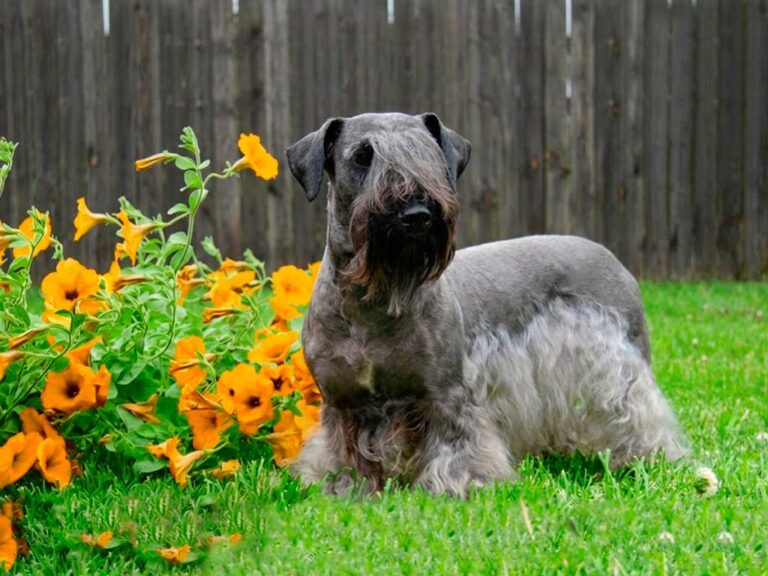
The Scottish Terrier has a distinctive silhouette that is easy to recognize. The body is compact, the legs are short and sturdy, and the head appears long in proportion to the body. Prominent eyebrows, a beard, upright ears, and a characteristic mustache give the Scottie its familiar expression.
The coat has a hard, weather-resistant outer layer over a dense undercoat. Black is the color most people associate with the breed, but Scottish Terriers can also be wheaten or brindle. The beard can collect food and water, so cleaning around the mouth is part of normal care.
Scottish Terrier Personality
Scottish Terriers are confident, independent dogs with a strong sense of their own opinions. The American Kennel Club describes the breed as independent, confident, high-spirited, and persistent. That persistence helped earn the Scottie its famous nickname, “the Diehard.”
Scotties often form strong bonds with their families. They can be affectionate and cheerful with people they know well, while remaining more reserved around strangers. They are also naturally alert, so barking can become an issue if it isn’t managed early.
You can teach a Scottish Terrier plenty of things. You just can’t assume the dog will automatically agree that your idea is the most interesting one. Trust me on this one: training becomes much easier when you make participation worthwhile.
Are Scottish Terriers Good Family Dogs?
A Scottish Terrier can be a good family companion, but this breed isn’t automatically the right match for every household. Scotties tend to do best with people who understand independent terrier behavior and are willing to use patient, reward-based training.
Young children and dogs should always be supervised together. Children also need to learn how to respect the dog’s space, food, toys, and rest. Purina notes that Scottish Terriers may need additional supervision around children and additional training when living with other pets.
Early socialization matters. Expose a puppy gradually and positively to different people, dogs, environments, sounds, and experiences. A confident dog still needs good manners.
Scottish Terrier Exercise Needs
A Scottish Terrier generally needs about an hour of daily activity, although individual dogs will vary. Purina describes the breed as adaptable in its exercise needs while emphasizing physical activity and mental stimulation.
A daily walk is a good starting point, but don’t think only in terms of distance. Terriers were bred to investigate, chase, dig, and solve problems. Scent games, food puzzles, short training sessions, tug, and safe opportunities to explore can be just as valuable.
A bored Scottie can become very creative. And creative isn’t always what you had in mind.
Training a Scottish Terrier
Scottish Terriers are intelligent, but they are not famous for blindly following instructions. A Scottie may understand exactly what you’re asking and still decide that something else is more interesting.
Training works best with positive reinforcement, clear boundaries, patience, and rewards your dog actually values. Keep sessions short. Five focused minutes can accomplish more than twenty minutes of repetitive drilling.
Give extra attention to recall and loose-leash walking. A terrier with a strong prey drive can become very focused when something interesting moves nearby, so off-leash exercise is safest in a secure area unless recall is genuinely reliable.
Scottish Terrier Grooming Needs
The Scottish Terrier’s distinctive coat requires more maintenance than its small size might suggest. The traditional coat has a hard, weather-resistant outer layer and a softer undercoat.
Professional hand-stripping three or four times a year is commonly recommended when maintaining the traditional coat, with regular brushing and combing between sessions. Clipping is another option for owners who prefer easier maintenance, although it can change the texture of the harsh outer coat.
Pay special attention to the beard and feet. Food and moisture can collect around the mouth, while dirt or grass can get caught between the toes after outdoor adventures.
Scottish Terrier Nutrition
Your Scottish Terrier needs a complete and balanced diet appropriate for its age, size, activity level, and individual health needs. Because Scotties are relatively small dogs, portion control matters.
Use the feeding guidance for the food you’re giving and adjust with your veterinarian’s advice based on your dog’s body condition. Treats count too, especially when food is used during training. Fresh water should always be available.
Scottish Terrier Health
Scottish Terriers are sturdy dogs, but like every breed, they can be predisposed to certain health problems. Purina identifies conditions associated with the breed including patellar luxation, von Willebrand’s disease, and Scottie cramp.
Scottie cramp is a hereditary neurological disorder that can cause temporary muscle tightening, often triggered by excitement or strenuous activity. It can look alarming when you first see it, so unusual episodes should be discussed with a veterinarian.
Hereditary eye problems and other conditions can also occur. If you’re getting a Scottish Terrier puppy, ask the breeder what health screening has been performed on the parents and what veterinary records are available.
Scottish Terrier Health Disclaimer
This health information is for general education and is not a substitute for veterinary care. If your Scottish Terrier develops unusual movement, pain, breathing problems, changes in appetite, persistent coughing, bleeding, or another concerning symptom, contact your veterinarian.
Scottish Terrier and Other Pets
The breed’s terrier background can make interactions with other animals complicated. Scotties were developed to hunt small animals, so chasing can be deeply rewarding for them.
Early socialization and careful introductions can help. A Scottish Terrier may learn to live peacefully with another dog or household pet, but individual temperament matters. If you already have cats or small pets, introduce them slowly and supervise interactions.
Scottish Terrier Living Conditions
One advantage of the Scottish Terrier’s size is that it can adapt to different living environments. A Scottie can live in a city, apartment, suburban home, or rural property as long as its physical and mental needs are being met.
A secure outdoor area is useful because this curious terrier may investigate anything interesting beyond the fence. Daily walks still matter even if you have a yard. A backyard gives a dog space, but it doesn’t replace the sights, smells, and mental stimulation of going out into the world.
Is a Scottish Terrier Right for You?
A Scottish Terrier may be a great match if you want a small dog with a big personality and you’re comfortable with an independent temperament. This breed can suit someone who enjoys training, walking, grooming, and living with a dog that has plenty of opinions.
A Scottie may be challenging if you’re looking for a dog that automatically welcomes every stranger, gets along effortlessly with every animal, or follows every command without question. It simply means you need to understand what you’re bringing home.
The Scottish Terrier is a working terrier in a compact package. Once you respect that, many of its quirks start making much more sense.
Scottish Terrier vs. Other Small Terriers
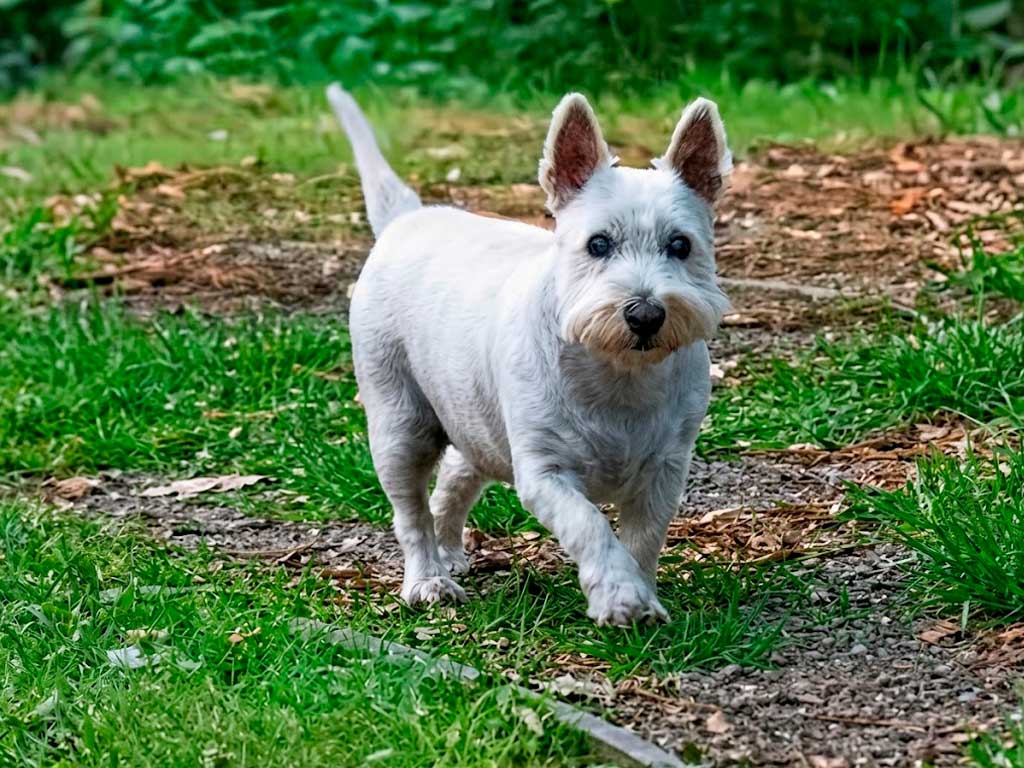
The Scottish Terrier shares its Scottish roots with several other terrier breeds, but each has its own personality and appearance. The West Highland White Terrier is known for its white coat, while the Cairn Terrier has a scruffier look and another strong Highland working history.
The Skye Terrier is longer-bodied with a distinctive flowing coat. If you’re choosing between small terriers, compare exercise, grooming, training, prey drive, sociability, and independence rather than appearance alone.
Scottish Terrier Fun Facts
The Scottie has accumulated a surprisingly long list of famous associations. Its Monopoly token is probably the best-known example, but the breed has also appeared in royal and presidential circles.
Franklin D. Roosevelt’s Scottie, Fala, became famous during Roosevelt’s presidency and remains one of the best-known presidential dogs. The breed’s courage also inspired the old nickname “the Diehard.”
There is even an old Scottish legend claiming that the breed descended from bears. It isn’t a biological fact, of course, but it says something about the reputation these small dogs developed for toughness.
Frequently Asked Questions
Curious about other small Scottish terriers with real character? The Skye Terrier shares Highland roots and a similarly devoted temperament, and the Cairn Terrier is another close cousin worth comparing. Browse the full dog breed library or try the Dog Breed Quiz to keep exploring.
For another small terrier with a genuinely political past, the Welsh Terrier has lived at both 11 Downing Street and the White House under two very different administrations.
For another beloved Highland terrier with real character, the West Highland White Terrier exists because of a genuinely tragic hunting accident that led breeders to select only white coats.
For another small terrier with a real war hero in its history, the Yorkshire Terrier counts Smoky among its ranks, a WWII veteran who became the first documented therapy dog.