Australian Silky Terrier: The Toy Dog With a Terrier’s Heart
Could an Australian Silky Terrier fit your home? This small Australian breed has a glossy, floor-length coat and the alert, busy mind of a true terrier. It can make a lively companion for someone who enjoys daily walks, regular grooming, and a dog that notices just about everything.
The Australian Silky Terrier is affectionate with its people, quick to learn, and often vocal when something catches its attention. Its size may be toy-like, but its exercise, training, and social needs still deserve proper attention.
Australian Silky Terrier at a Glance
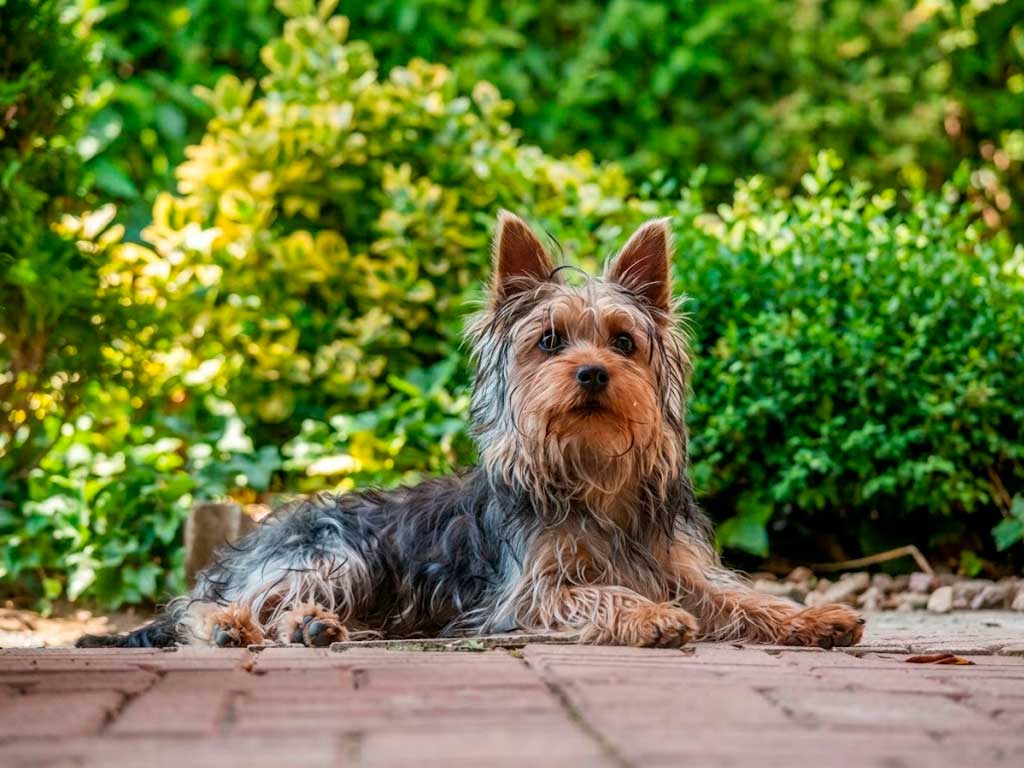
The Australian Silky Terrier is a small companion dog developed in Australia from terrier lines that included the Yorkshire Terrier and Australian Terrier. The breed is known for a long blue-and-tan coat, an alert expression, and a confident temperament.
- Size: generally around 9–10 inches (23–26 cm) at the shoulder, depending on the standard used.
- Weight: commonly about 8–10 pounds (3.5–4.5 kg); healthy weight depends on the individual dog.
- Coat: long, straight, fine, and silky, usually blue and tan.
- Personality: alert, lively, affectionate, curious, and sometimes stubborn.
- Care level: daily coat attention, regular exercise, early socialisation, and consistent training.
History: How the Silky Terrier Developed
The breed took shape in Australia in the late nineteenth and early twentieth centuries. Breeders crossed terrier dogs, including Australian Terriers and Yorkshire Terriers, and selected puppies with the distinctive silky blue-and-tan coat.
The dogs were once known by names such as Sydney Silky Terrier. As breed types became more consistent, the Australian Silky Terrier name became established. Breed histories and standards describe the same broad origin, although early naming and classification changed over time.
For a formal description, compare the Dogs Australia breed standard with the FCI Australian Silky Terrier standard. The American Kennel Club breed profile is another useful reference for prospective owners.
Appearance, Size, and Coat
A Silky Terrier has a compact frame, small upright ears, and a keen expression. Its coat is the feature most people notice first: straight and glossy, with a part running down the back and hair that can fall along the sides of the body.
The coat is often described as blue and tan, though the exact shade and distribution should be judged against the relevant breed standard. The hair can grow long enough to sweep near the ground, so it needs more upkeep than the dog’s small size might suggest.
Silky Terriers are light enough to carry when needed, but they should still walk, explore, and use their muscles every day. Handle them carefully around furniture and stairs, and teach children to support the dog rather than lifting it by the front legs.
Temperament: Small Dog, Big Terrier Energy
Australian Silky Terriers tend to be bright, watchful, and involved in household life. Many enjoy being close to their people, but they also like having something to investigate. A quiet lapdog routine may not satisfy a dog that wants to sniff, play, and follow every new sound.
Their terrier background can bring persistence and a strong interest in small moving animals. A squirrel or bird may trigger a chase before your dog remembers the recall cue. Use a lead in unsecured areas and check fencing carefully.
Barking is common because these dogs often act as alert watchdogs. Training can help them learn when to settle, but it is more realistic to manage the habit than to expect every Silky Terrier to become silent.
Is an Australian Silky Terrier Good With Children and Other Pets?
A well-socialised Silky Terrier can live happily with respectful children. Because the breed is small, rough handling or a fall can cause injury. Supervise interactions with young children and teach them to let the dog rest undisturbed, approach calmly, and avoid grabbing its coat.
With other dogs, introductions should be gradual and positive. Some Silky Terriers are confident around larger dogs, while others may become defensive if crowded. Their prey drive can also make small pets, such as rodents, difficult housemates. Never assume that early exposure removes every chase instinct.
If your home includes cats or other animals, use barriers and supervised introductions. Give each pet a safe space, reward calm behaviour, and separate animals when nobody can watch them.
Exercise and Training That Work
Most adult Silky Terriers need daily walks and play, with the exact amount adjusted for age, health, and energy. Two short walks plus interactive play can be a sensible starting point for many dogs. Add sniffing games and brief training sessions to keep the mind busy.
Keep training upbeat and consistent. These dogs can learn quickly, but repeating a cue without rewarding the response may teach them to ignore it. Short sessions usually work better than one long lesson.
- Practise recall indoors and in fenced areas before trusting it outdoors.
- Reward quiet behaviour when your dog hears a hallway noise or sees someone pass the window.
- Use puzzle feeders, scent games, and toy searches to give the terrier brain a job.
- Introduce people, dogs, surfaces, sounds, and handling gradually during puppyhood.
A secure harness and lead are sensible for walks in open areas. Avoid off-leash exercise near roads or wildlife unless the area is fully enclosed and safe.
Grooming: Keeping the Silky Coat Manageable
A long coat tangles quickly, particularly behind the ears, under the legs, and where a harness rubs. A few minutes of gentle brushing each day is easier than trying to remove a tight knot later. Work in small sections and use a comb to check close to the skin.
- Brush and comb the coat regularly, checking behind the ears, under the armpits, and around the legs.
- Use a dog-safe shampoo and rinse thoroughly when bathing; avoid vigorous rubbing that creates tangles.
- Check nails, ears, and teeth as part of the routine, and ask a groomer or veterinary team for help if you are unsure.
- Consider a shorter pet trim if maintaining a long coat does not suit your schedule.
The aim is a comfortable, clean coat rather than a perfect show finish. If brushing becomes stressful, shorten each session, reward cooperation, and build up gradually.
Health and Expected Lifespan
Australian Silky Terriers often live into their teens, although lifespan varies with genetics, body condition, preventive care, and chance. Like other small breeds, they may be affected by conditions involving the kneecaps and teeth. Breed-specific risks can vary between family lines.
Ask a veterinarian about routine dental care, parasite prevention, vaccination, weight management, and age-appropriate screening. If your dog begins limping, has persistent coughing or breathing difficulty, stops eating, or shows a sudden change in behaviour, arrange veterinary advice rather than trying to diagnose the cause at home.

Happy Pet Zone may earn a commission when you click through to Lemonade, at no extra cost to you.
When speaking with a breeder, ask what health checks are recommended for the breed and request relevant records for the puppy’s parents. A responsible breeder should be willing to explain known health issues and provide documentation.
Food and Nutrition for an Australian Silky Terrier
Choose a complete and balanced food suited to your dog’s life stage, size, and health. Puppies generally need more frequent meals than adults; many adult dogs do well with a consistent twice-daily routine. Follow the feeding guide as a starting point, then adjust with your veterinarian according to body condition and activity.
Small dogs can gain excess weight from treats that seem tiny to us. Measure meals, include treats in the daily total, and keep fresh water available. Your veterinarian can help you choose a diet if your dog has allergies, digestive issues, dental concerns, or another medical need.
If you prefer fresh prepared food, you can compare JustFoodForDogs with other suitable options. Check that the specific recipe is labelled complete and balanced for your dog’s life stage, review storage and serving directions, and ask your veterinarian whether it fits your dog’s needs. Our dog nutrition guide explains the basics of choosing a diet.

FROM JUSTFOODFORDOGS
Just Fresh
Resealable meals. No preservatives. Open, serve, refrigerate.
Shop Just FreshHappy Pet Zone may earn a commission when you click through to JustFoodForDogs, at no extra cost to you.
Choosing an Australian Silky Terrier Puppy
Look for a breeder who prioritises health, stable temperament, and early care over unusual coat colour or very small size. Meet the puppy with its mother when possible, ask where the dogs live, and request veterinary and health records.
- Ask which health checks have been completed and what documentation is available.
- Find out how the puppies are being socialised and introduced to everyday household sounds.
- Ask about the puppy’s feeding routine, vaccination and parasite-control records, and next veterinary visit.
- Be cautious of sellers who will not answer questions, rush payment, or offer to hand over a puppy without suitable records.
You can also ask breed clubs and established kennel organisations for guidance on finding responsible breeders. Take time to compare answers and choose a puppy whose needs match your household.
Frequently Asked Questions
Is the Australian Silky Terrier Right for You?
An Australian Silky Terrier may suit you if you want a small, engaged companion and are comfortable with grooming, training, and alert barking. It is a better match for someone who enjoys interacting with their dog than for a household looking for a pet that needs little attention.
Before deciding, compare the breed’s needs with your daily routine and budget. The Yorkshire Terrier and West Highland White Terrier are useful comparisons if you are still exploring small terriers. Make a realistic grooming and training plan, then speak with a veterinarian or responsible breeder about the fit for your home.